Equine belly leather
CN → US| HS Code | Tariff Rate | Origin | Destination | Doc |
|---|---|---|---|---|
| 4205008000 | 35.0% | CN | US | Official Doc |
| 4107117050 | 15.0% | CN | US | Official Doc |
| 4107117040 | 15.0% | CN | US | Official Doc |
| 4113903000 | 38.3% | CN | US | Official Doc |
| 4205006000 | 39.9% | CN | US | Official Doc |
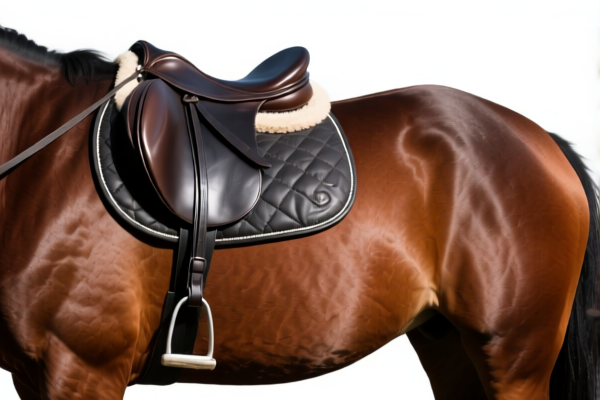
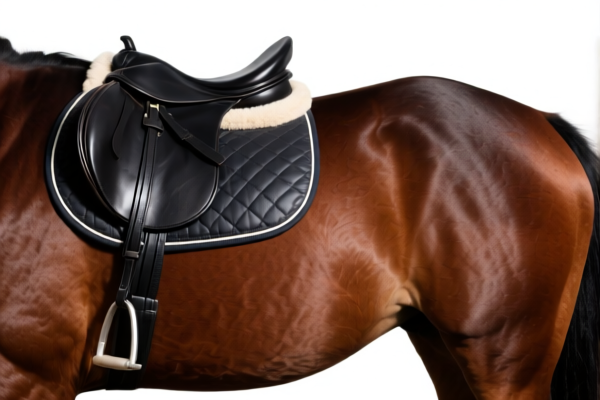
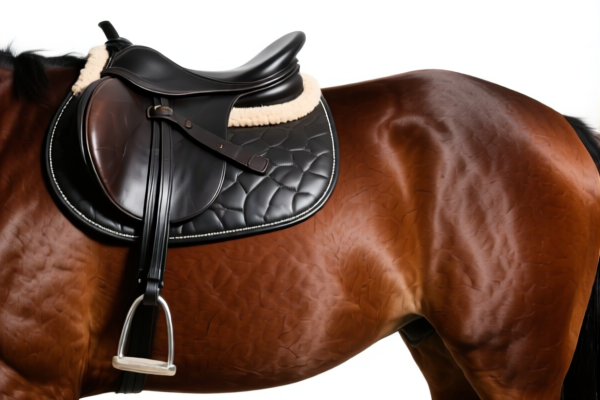
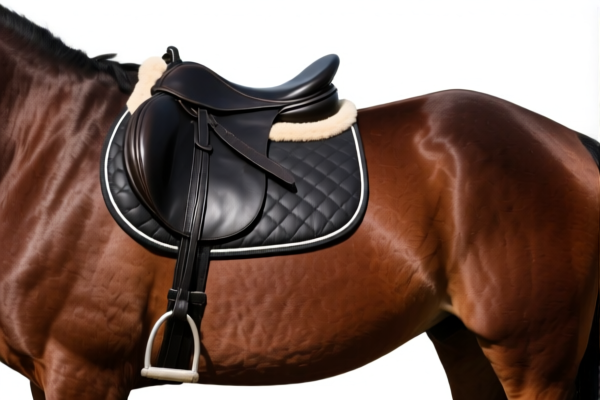
Product Images
AI Analysis
🐎 Equine Belly Leather (Horse Belly Skin)
🌐 HS Code Reference & Customs Clearance Guide | 2026 Latest Tariff Analysis | Professional Clearance Strategy
📌 I. Product Definition & Classification: Do You Truly Understand "Equine Belly Leather"?
Equine belly leather, derived from the abdominal region of horses, is a specialized raw material in the leather industry. It is characterized by its softness, flexibility, and distinct grain pattern. In international trade, its classification depends heavily on its state of processing (tanned, crust, finished) and intended use (gloves, apparel, or general articles).
Key Distinction: * Raw/Tanned Skins (Chapter 41): If the leather is simply tanned but not yet made into specific finished goods (like gloves), it falls under Chapter 41. * Finished Articles (Chapter 42): If the leather is already cut and sewn into items (belts, bags, saddlery) or is a specific article of apparel/accessories, it may fall under Chapter 42.
⚠️ Critical Classification Point:
- If it is tanned horse skin intended for further manufacturing (e.g., cutting into patterns for gloves) → Chapter 41 (Leather).
- If it is a finished leather article (not specified elsewhere) or a saddlery/harness item → Chapter 42 (Articles of Leather).
📦 II. HS Code Classification Details (2026 Latest Tariff Authority Comparison)
| HS Code | Product Description | Application Scenario | Classification Logic |
|---|---|---|---|
4107.11.70.50 |
Other leather of horses or equines, fully tanned, without hair, split, with a thickness ≥ 1.4 mm | Tanned horse leather for general industrial use | ✅ Material: Horse leather. Status: Tanned. Logic: Fits "Leather of horses" category. |
4107.11.70.40 |
Other leather of horses or equines, fully tanned, without hair, split, with a thickness < 1.4 mm | Leather suitable for gloves and apparel | ✅ Material: Horse leather. Status: Tanned. Logic: Specifically categorized under gloves/apparel grade. |
4113.90.30.00 |
Other leather (excluding wool/fur animal leather), tanned, without hair | Non-sheep/goat/equine specific tanned leather | ✅ Material: Tanned leather. Logic: A "fallback" for tanned leather not fitting specific equine glove/apparel codes. |
4205.00.80.00 |
Other articles of leather or composition leather | General leather products (belts, bags, etc.) | ✅ Material: Leather product. Logic: "Catch-all" for leather articles not specified elsewhere. |
4205.00.60.00 |
Other articles of reptile leather or other leather (excluding reptile) | Leather goods (excluding reptile leather) | ✅ Material: Non-reptile leather. Logic: Another "catch-all" for leather products, often used for broader leather goods. |
🔍 Key Insight:
-4107.11.70.40and4107.11.70.50are the most precise classifications for raw tanned equine belly leather. The choice between them depends on the thickness and intended end-use (gloves/apparel vs. general).
-4113.90.30.00is used if the leather is tanned but doesn't fit the specific equine codes (e.g., if the origin is not clearly documented as horse, or if it's a blend).
-4205.00...codes apply only if the "leather" is already a finished article (e.g., a pre-sewn belt or bag), not just raw tanned hide.
💰 III. 2026 Latest Tariff Rate Breakdown (Including Surcharges & Policy Add-ons)
✅ Applicable Country: United States (US)
✅ Origin: China (CN)
✅ Effective Date: From November 10, 2025 (including subsequent imports)
🎯 1. 4107.11.70.40 – Equine Leather for Gloves & Apparel
| Item | Content |
|---|---|
| Base Tariff Rate | 5.0% (ad valorem) |
| Section 301 Surcharge | 0.0% |
| IEEPA Add-on Tariff | +10% (Targeting China/Hong Kong products, effective Nov 10, 2025) |
| Total Tariff Rate | 15.0% |
| Tax Calculation | CIF Value × 15% |
| De Minimis Exemption? | ❌ No (deny_de_minimis) |
| Legal Basis Path | IEEPA:9903.01.24 → USITC:4107.11.70.40 |
📌 Explanation:
- This is the most favorable rate among the listed codes for equine leather.
- The 10% IEEPA tariff is the only surcharge applied.
- Why it's low? Leather for gloves/apparel often benefits from specific historical trade agreements or lower political sensitivity compared to industrial goods.
🎯 2. 4107.11.70.50 – Other Tanned Equine Leather
| Item | Content |
|---|---|
| Base Tariff Rate | 5.0% |
| Section 301 Surcharge | 0.0% |
| IEEPA Add-on Tariff | +10% |
| Total Tariff Rate | 15.0% |
| Tax Calculation | CIF Value × 15% |
| De Minimis Exemption? | ❌ No |
| Legal Basis Path | IEEPA:9903.01.24 → USITC:4107.11.70.50 |
📌 Note:
- Identical to4107.11.70.40in rate.
- The distinction is purely descriptive (thickness/use), but both benefit from the 0% Section 301 status for this specific subheading.
🎯 3. 4113.90.30.00 – Other Tanned Leather (Non-Sheep/Goat)
| Item | Content |
|---|---|
| Base Tariff Rate | 3.3% |
| Section 301 Surcharge | +25.0% |
| IEEPA Add-on Tariff | +10.0% |
| Total Tariff Rate | 38.3% |
| Tax Calculation | CIF Value × 38.3% |
| De Minimis Exemption? | ❌ No |
| Legal Basis Path | IEEPA:9903.01.25 → USITC:4113.90.30.00 → FOOTNOTE:9903.88.01 |
📌 Warning:
- This code attracts the full 25% Section 301 tariff + 10% IEEPA.
- Why? If the leather is misclassified here (e.g., claimed as "other leather" instead of "equine leather"), it loses the preferential treatment.
- Risk: High. Ensure documentation proves it is horse leather.
🎯 4. 4205.00.80.00 – Other Articles of Leather (Catch-all)
| Item | Content |
|---|---|
| Base Tariff Rate | 0.0% |
| Section 301 Surcharge | +25.0% |
| IEEPA Add-on Tariff | +10.0% |
| Total Tariff Rate | 35.0% |
| Tax Calculation | CIF Value × 35.0% |
| De Minimis Exemption? | ❌ No |
| Legal Basis Path | IEEPA:9903.01.25 → USITC:4205.00.80.00 → FOOTNOTE:9903.88.01 |
📌 Explanation:
- Base rate is 0%, but the 35% total makes it expensive.
- This code is for finished leather goods (e.g., a leather belt).
- Trap: Do not use this for raw tanned hides. If you import raw hides and declare them as "articles of leather," customs will reject it or impose penalties.
🎯 5. 4205.00.60.00 – Other Leather Articles (Excl. Reptile)
| Item | Content |
|---|---|
| Base Tariff Rate | 4.9% |
| Section 301 Surcharge | +25.0% |
| IEEPA Add-on Tariff | +10.0% |
| Total Tariff Rate | 39.9% |
| Tax Calculation | CIF Value × 39.9% |
| De Minimis Exemption? | ❌ No |
| Legal Basis Path | IEEPA:9903.01.25 → USITC:4205.00.60.00 → FOOTNOTE:9903.88.01 |
📌 Note:
- Similar to4205.00.80.00, this is for finished goods.
- Higher total rate than4205.00.80.00due to higher base rate.
- Avoid unless the product is clearly a finished article and not a raw material.
🛠️ IV. Customs Clearance Practical Advice (Pitfall Avoidance Guide)
✅ 1. Documentation Checklist (Mandatory)
| Document | Required | Explanation |
|---|---|---|
| ✅ Product Specification Sheet | ✔️ | Must specify: Animal source (Horse), Part (Belly), Processing State (Tanned/Finished), Thickness, Intended Use. |
| ✅ Photos of Raw Material/Article | ✔️ | Clear images showing grain, texture, and any brand/labels. |
| ✅ Bill of Lading / Commercial Invoice | ✔️ | Must accurately describe goods as "Tanned Horse Belly Leather" or "Horse Leather Articles." Avoid vague terms like "Leather Goods." |
| ✅ Proof of Origin | ✔️ | Critical to prove Chinese Origin to apply correct IEEPA tariffs. |
| ✅ Third-Party Test Report (Optional but Recommended) | ✔️ | Confirms animal origin and tanning process if customs questions the HS code. |
✅ 2. Declaration Tips (Key Mantras)
🔥 "Be Precise: Horse Belly, Tanned State, and Final Form!"
| Scenario | Correct Declaration | Wrong Practice |
|---|---|---|
| Raw Tanned Hides | 4107.11.70.40 or .50 |
Declaring as "Leather Articles" → 35-40% |
| Finished Belts/Bags | 4205.00.60.00 or .80.00 |
Declaring as "Raw Leather" → Misclassification |
| Uncertain Origin/Type | 4113.90.30.00 |
Guessing "Horse" without proof → 38.3% |
| Gloves/Appl. Grade | 4107.11.70.40 |
Using general code → Potential audit |
✅ 3. Special Situation Handling
| Situation | Handling Advice |
|---|---|
| Mixed Shipments | Separate raw hides from finished goods. Do not bundle. |
| Re-export from Vietnam/Mexico | If re-exported, IEEPA exemption may not apply if substantial transformation didn't occur in the third country. Check rules of origin carefully. |
| Customs Audit on Animal Origin | Provide vet certificates or supplier declarations proving it is horse skin, not cow or sheep, to avoid misclassification under 4113.90. |
| Thickness Variation | If batches vary in thickness, consider declaring under .70.40 (gloves/apparel) if <1.4mm, as it’s more common for belly leather. |
🌍 V. Global Market Clearance Comparison (2026 Latest)
| Country/Region | Recommended HS Code | Tariff Rate | Certification Requirements | Notes |
|---|---|---|---|---|
| 🇺🇸 USA | 4107.11.70.40/.50 |
15% (Total) | None specific | 35-40% if misclassified as articles. |
| 🇨🇳 China | 4107.11.70.40/.50 |
5% - 15% | N/A | Domestic trade may have different tax regimes. |
| 🇪🇺 EU | 4107.11 |
0% - 4% (Varies by trade agreement) | REACH, Animal By-Product Regulations | Strict phytosanitary/veterinary controls. |
| 🇯🇵 Japan | 4107.11 |
5% - 9% | FSC, Veterinary Certificate | Check for specific animal disease bans. |
📌 Conclusion:
- USA has the lowest total tariff (15%) for correctly classified tanned equine leather (Chapter 41).
- Misclassification into Chapter 42 (Articles) jumps the rate to 35-40%.
- EU/Asia may have lower base rates but stricter veterinary/biosecurity requirements.
📌 VI. Common Mistakes & Pitfall Guide (Lessons Learned)
❌ Mistake 1: Declaring raw tanned hides as "Leather Articles" (4205...)
👉 Consequence: Tax increases from 15% to 35-40%. Audit risk for undervaluation.
❌ Mistake 2: Failing to specify "Horse" in the description
👉 Consequence: Customs may classify under 4113.90.30.00 → 38.3% tariff due to Section 301 surcharge.
❌ Mistake 3: Ignoring thickness/use distinction
👉 Consequence: Discrepancy between document and physical goods. Delay in release or reclassification.
❌ Mistake 4: Using vague terms like "Premium Leather"
👉 Consequence: Customs cannot determine origin/type. Leads to detention and inspection.
✅ Correct Practice:
"Tanned Horse Belly Leather, Split, Without Hair, Thickness 1.2mm, for Glove Manufacturing, Origin China"
🎯 VII. Conclusion: Precise Classification Saves Money!
🎯 Remember the Mantra:
🔹 "Raw = 41, Finished = 42."
🔹 "Horse Belly = 15% if correct, 35%+ if wrong."
🔹 "Specify Animal, State, and Use."
📌 Pro Tip:
If your equine belly leather is destined for gloves or apparel, always use 4107.11.70.40. It offers the best balance of specificity and low tariff (15%).
For industrial/general use, use 4107.11.70.50 (also 15%).
Avoid 4205 codes unless you are importing finished goods like belts or bags.
📣 Immediate Action:
📞 Contact your customs broker with the product spec sheet.
📄 Ensure invoices clearly state: "Horse Belly Leather, Tanned."
🚀 Declare accurately to save 20%+ in taxes!
✨ Professional clearance starts with precise classification!
💼 Your cost efficiency depends on every digit of the HS Code!
Customer Reviews
About HS Code Classification
The Harmonized System (HS) is an internationally standardized nomenclature developed by the World Customs Organization (WCO) to classify traded products. Over 200 countries use the HS system as the basis for customs tariffs, trade statistics, and import/export regulations.
Each HS code follows a hierarchical structure:
- Chapter (2 digits) — Broad category of goods (e.g., Chapter 84: Machinery and Mechanical Appliances)
- Heading (4 digits) — More specific grouping within the chapter
- Subheading (6 digits) — Internationally standardized breakdown, used by all WCO member countries
- National subdivisions (8-10 digits) — Country-specific extensions for further classification, such as US HTSUS 10-digit codes
Correct HS code classification is essential for smooth customs clearance, accurate duty payment, and compliance with trade regulations. Misclassification can lead to customs delays, overpayment of duties, or penalties.
When importing from CN to US, the applicable tariff rates may include:
- Most-Favored-Nation (MFN) rate — The standard duty rate applied to WTO members
- General rate — Applied to countries without trade agreements
- Trade remedy duties — Additional tariffs such as Section 301 (anti-dumping), Section 232 (national security), or countervailing duties
The information provided on this page is for reference purposes only. For official classification, please consult with your local customs authority or a licensed customs broker.