Essential Oils
CN → US| HS Code | Tariff Rate | Origin | Destination | Doc |
|---|---|---|---|---|
| 3301120000 | 20.2% | CN | US | Official Doc |
| 2932999090 | 13.7% | CN | US | Official Doc |
| 3301130000 | 38.8% | CN | US | Official Doc |
| 2932997000 | 41.5% | CN | US | Official Doc |
| 3301195150 | 17.5% | CN | US | Official Doc |
Product Images
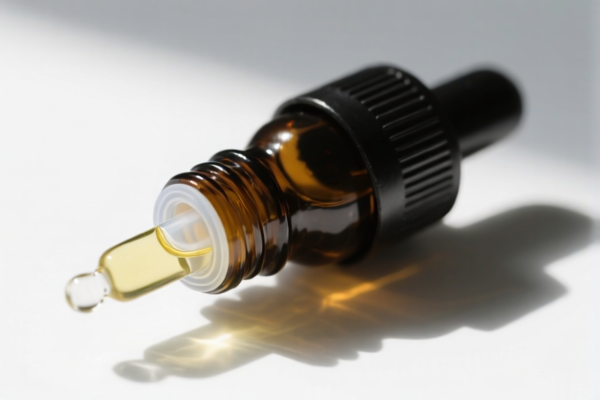

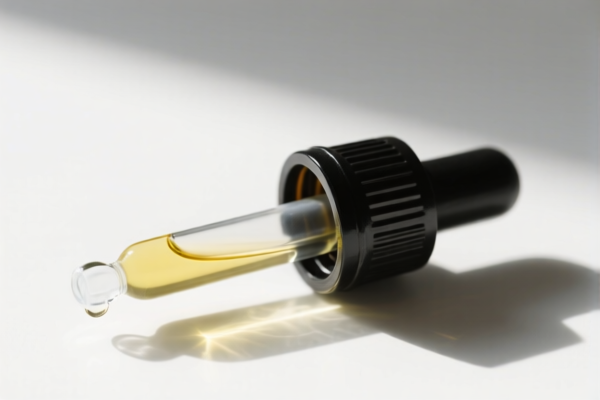
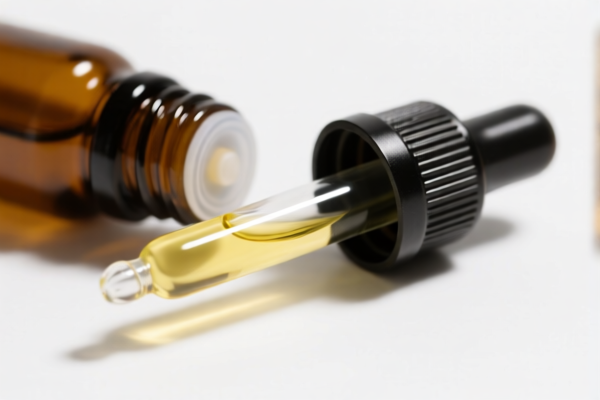
AI Analysis
🌿 Essential Oils (Natural Extracts & Aromatic Compounds)
🌐 HS Code Reference & Customs Clearance Guide | 2026 Latest Tariff Analysis | Professional Compliance Strategy
📌 I. Product Definition & Classification: Do You Truly Understand “Essential Oils”?
Essential oils are concentrated hydrophobic liquids containing volatile aroma compounds from plants. In international trade, their classification hinges on chemical composition, extraction method, and specific plant origin. Misclassification can lead to severe tax penalties due to the complex web of additional tariffs (Section 301, IEEPA).
⚠️ Critical Distinction:
- Steam-distilled or citrus-peel expressed oils → Generally fall under Chapter 33 (Essential Oils).
- Complex organic/heterocyclic compounds (if chemically isolated or synthetic derivatives) → May fall under Chapter 29 (Organic Chemicals).
- Origin Matters: Products originating from China are subject to additional punitive tariffs.
📦 II. HS Code Classification Details (2026 Latest Tariff Authority)
| HS Code | Product Description | Classification Logic | Risk Level |
|---|---|---|---|
| 3301.12.00.00 | Essential oils of non-citrus fruits (e.g., Rose, Lavender, Ylang-Ylang) | Exact Match: Directly corresponds to "Essential Oils" in the nomenclature. | ⚠️ Medium (High Additional Tariffs) |
| 2932.99.90.90 | Heterocyclic compounds with oxygen heteroatoms only | Chemical Logic: Based on the presence of oxygen-containing heterocyclic structures in natural extracts. | ⚠️ High (Audit Risk) |
| 3301.13.00.00 | Essential oils of citrus fruit | Exact Match: Core material matches "Essential Oils/Steam Distillates of Citrus". | 🔴 Critical (Highest Additional Tariffs) |
| 2932.99.70.00 | Other aromatic compounds | Inference: Classified as aromatic natural/synthetic extracts under "Aromatic" and "Other" fallback categories. | ⚠️ High (Audit Risk) |
| 3301.19.51.50 | Essential oils of citrus fruits (Other/Specific Sub-category) | Inference: Fits "Essential Oils" material; inferred as Citrus category due to "Other" fallback and commonality. | ⚠️ Medium (High Additional Tariffs) |
🔍 Key Insight:
- Chapter 33 (3301) is the most common and logical classification for natural essential oils.
- Chapter 29 (2932/2933) applies if the oil is chemically defined as a specific heterocyclic compound or if the customs authority interprets it as a chemical derivative rather than a natural extract.
- Citrus oils (3301.13/3301.19) often face higher additional tariffs than non-citrus oils (3301.12).
💰 III. 2026 Latest Tariff Rate Breakdown (Including Surcharges & Policy Add-ons)
✅ Applicable Country: United States (US)
✅ Origin: China (CN) (Note: All listed tariffs assume China origin due to the presence of IEEPA 10% surcharges)
✅ Effective Time: Post-November 2025 (Current Regulations)
🎯 1. 3301.12.00.00 — Non-Citrus Essential Oils
| Item | Detail |
|---|---|
| Base Tariff | 2.7% |
| Section 301 Surcharge | 7.5% |
| IEEPA Surcharge | 10% (China-specific) |
| Total Effective Rate | 20.2% |
| Calculation Basis | CIF Value × 20.2% |
| De Minimis Eligibility | ❌ Not Eligible (Subject to scrutiny) |
| Legal Basis | HTSUS 3301.12 + USITC Footnotes + IEEPA EO 14065 |
📌 Explanation:
- This is the most favorable classification among the provided options.
- The 20.2% rate combines base duty, Section 301 tariffs, and the IEEPA national security surcharge.
- Advantage: Lower than citrus oil classifications.
🎯 2. 2932.99.90.90 — Heterocyclic Organic Compounds
| Item | Detail |
|---|---|
| Base Tariff | 3.7% |
| Section 301 Surcharge | 0.0% |
| IEEPA Surcharge | 10% (China-specific) |
| Total Effective Rate | 13.7% |
| Calculation Basis | CIF Value × 13.7% |
| De Minimis Eligibility | ❌ Not Eligible |
| Legal Basis | HTSUS 2932.99 + IEEPA EO 14065 |
📌 Explanation:
- Lowest Total Rate (13.7%) due to 0% Section 301 surcharge.
- Risk: Customs may reclassify this as 3301 if the product is clearly a natural essential oil, leading to back taxes + penalties.
- Use only if chemical documentation strictly supports "heterocyclic compound" classification.
🎯 3. 3301.13.00.00 — Citrus Essential Oils
| Item | Detail |
|---|---|
| Base Tariff | 3.8% |
| Section 301 Surcharge | 25.0% |
| IEEPA Surcharge | 10% (China-specific) |
| Total Effective Rate | 38.8% |
| Calculation Basis | CIF Value × 38.8% |
| De Minimis Eligibility | ❌ Not Eligible |
| Legal Basis | HTSUS 3301.13 + USITC Footnotes + IEEPA EO 14065 |
📌 Explanation:
- High Cost: The 25% Section 301 surcharge significantly increases costs for citrus oils.
- Common Products: Orange, Lemon, Grapefruit, Bergamot oils.
- Mitigation: Consider non-citrus alternatives if sourcing from China.
🎯 4. 2932.99.70.00 — Aromatic Compounds
| Item | Detail |
|---|---|
| Base Tariff | 6.5% |
| Section 301 Surcharge | 25.0% |
| IEEPA Surcharge | 10% (China-specific) |
| Total Effective Rate | 41.5% |
| Calculation Basis | CIF Value × 41.5% |
| De Minimis Eligibility | ❌ Not Eligible |
| Legal Basis | HTSUS 2932.99 + USITC Footnotes + IEEPA EO 14065 |
📌 Explanation:
- Highest Rate (41.5%).
- Combines high base duty, full Section 301, and IEEPA surcharge.
- Avoid unless chemical structure strictly mandates this classification.
🎯 5. 3301.19.51.50 — Citrus Essential Oils (Other)
| Item | Detail |
|---|---|
| Base Tariff | 0.0% |
| Section 301 Surcharge | 7.5% |
| IEEPA Surcharge | 10% (China-specific) |
| Total Effective Rate | 17.5% |
| Calculation Basis | CIF Value × 17.5% |
| De Minimis Eligibility | ❌ Not Eligible |
| Legal Basis | HTSUS 3301.19 + IEEPA EO 14065 |
📌 Explanation:
- Surprisingly Low Rate (17.5%) due to 0% Base Tariff and only 7.5% Section 301.
- Caution: This code is a "catch-all" for citrus oils. Ensure product specification matches this specific sub-category to avoid reclassification to3301.13(which has 25% surcharge).
- Verification Required: Must confirm exact citrus species and extraction method.
🛠️ IV. Customs Clearance Practical Advice (Field Hacks)
✅ 1. Documentation Checklist (Non-Negotiable)
| Document | Required | Explanation |
|---|---|---|
| ✅ Certificate of Analysis (COA) | ✔️ | Must detail chemical composition (e.g., Limonene %, Linalool %). Crucial for distinguishing 3301 vs. 2932. |
| ✅ Extraction Method Proof | ✔️ | Specify Steam Distillation vs. Cold Press vs. Solvent Extraction. "Cold Press" strongly supports Citrus (3301.13/19). |
| ✅ Plant Source Documentation | ✔️ | Botanical name (Latin) is mandatory. E.g., Citrus sinensis vs. Lavandula angustifolia. |
| ✅ Commercial Invoice | ✔️ | Clear description: "Essential Oil of [Plant Name], Pure, Steam Distilled." Avoid vague terms like "Fragrance Oil." |
| ✅ SDS (Safety Data Sheet) | ✔️ | Must align with HS Code classification (e.g., chemical hazard class). |
✅ 2. Classification Strategy (Key Mnemonics)
🔥 “Natural Extract = 3301; Chemical Compound = 2932; Citrus = High Tax (3301.13)”
| Scenario | Recommended HS Code | Why? |
|---|---|---|
| Lavender/Rose Oil | 3301.12.00.00 |
Standard non-citrus essential oil. Balanced tax (20.2%). |
| Orange/Lemon Oil | 3301.19.51.50 (if eligible) |
Try to qualify for this code (17.5%) to avoid the 25% surcharge of 3301.13. |
| Highly Purified Chemical Isolates | 2932.99.90.90 |
If chemically defined as heterocyclic compounds, use this for lowest rate (13.7%), but risk audit. |
| Synthetic Fragrance Oils | 3301.90 or 2932 |
Synthetic oils are NOT essential oils. Must declare as "Perfume" or "Chemical Product." |
✅ 3. Special Circumstances & Pitfalls
| Situation | Handling Advice |
|---|---|
| Blended Essential Oils | Classify based on the principal component. If mixture, use the code for the major oil. |
| Citrus Oil Origin | If sourced from Non-China (e.g., Brazil, Spain), IEEPA 10% surcharge is removed. Rate drops significantly! |
| De Minimis (Section 321) | Essential oils from China do NOT qualify for de minimis due to IEEPA and Section 301 restrictions. Full duty applies. |
| FDA Regulation | Essential oils for cosmetic use must comply with FDA labeling. Oils for ingestion require additional GRAS status proof. |
🌍 V. Global Market Comparison (2026 Latest)
| Country/Region | Recommended HS Code | Tariff (China Origin) | Certification | Notes |
|---|---|---|---|---|
| 🇺🇸 USA | 3301.12.00.00 |
20.2% (Non-Citrus) 38.8% (Citrus 3301.13) |
FDA + EPA | Highest Cost: IEEPA 10% is critical. |
| 🇪🇺 EU | 3301.12 |
0% - 6% | REACH + IFRA | No Section 301 or IEEPA. Much lower cost. |
| 🇨🇳 China | 3301.12 |
5.5% | NMPA | Domestic production avoids export tariffs. |
| 🇬🇧 UK | 3301.12 |
0% - 6% | UKCA | Post-Brexit tariffs vary; generally lower than US. |
📌 Conclusion:
- USA is the most expensive market for Chinese essential oils due to IEEPA + Section 301.
- EU/UK are significantly more cost-effective for Chinese suppliers.
- Strategy: Consider third-country transshipment or re-packaging (if legal) to mitigate US tariffs, but beware of anti-circumvention laws.
📌 VI. Common Mistakes & Pitfalls (Lessons Learned)
❌ Mistake 1: Classifying "Fragrance Oil" as "Essential Oil"
👉 Consequence: Misdeclaration. Fragrance oils are often synthetic (2932/3301.90). If deemed synthetic, different rules apply.
👉 Fix: Provide COA proving natural origin.
❌ Mistake 2: Ignoring the Citrus Distinction (3301.13 vs. 3301.19)
👉 Consequence: 3301.13 has 25% Section 301; 3301.19 may have only 7.5%. A misclassification can cost 17.5% extra.
👉 Fix: Verify exact citrus species and HTSUS sub-heading.
❌ Mistake 3: Assuming De Minimis Applies
👉 Consequence: Customs will seize packages or bill full duties + penalties. China-origin essential oils are explicitly excluded from de minimis exemptions under IEEPA.
👉 Fix: Prepare for full duty payment.
✅ Correct Approach:
"Essential Oil of Lavandula Angustifolia, Steam Distilled, 100% Pure, Origin China, COA Attached"
🎯 VII. Conclusion: Professional Classification Saves Money!
🎯 Remember:
🔹 “Non-Citrus is King (20.2%); Citrus is Pain (38.8% or 17.5%); Chemical is Risk (13.7%)”
🔹 “China Origin = IEEPA 10% Always On”
🔹 “Verify Origin: Non-China Citrus = Much Cheaper”
📌 Pro Tip:
If you are importing Citrus Oils from China, try to qualify for 3301.19.51.50 (17.5%) instead of 3301.13.00.00 (38.8%) by ensuring the specific sub-category match.
For Non-Citrus Oils, 3301.12.00.00 (20.2%) is the standard safe harbor.
📣 Immediate Action:
📞 Consult a Customs Broker for Advance Ruling (ACE Portal)
📄 Prepare COA & Extraction Proof before shipment
💰 Calculate CIF x 20.2% (Non-Citrus) or 17.5% (Citrus) in your cost model
✨ Precision in Classification, Profit in Clearance!
💼 Don’t let tariffs drain your margin. Classify smartly!
Customer Reviews
About HS Code Classification
The Harmonized System (HS) is an internationally standardized nomenclature developed by the World Customs Organization (WCO) to classify traded products. Over 200 countries use the HS system as the basis for customs tariffs, trade statistics, and import/export regulations.
Each HS code follows a hierarchical structure:
- Chapter (2 digits) — Broad category of goods (e.g., Chapter 84: Machinery and Mechanical Appliances)
- Heading (4 digits) — More specific grouping within the chapter
- Subheading (6 digits) — Internationally standardized breakdown, used by all WCO member countries
- National subdivisions (8-10 digits) — Country-specific extensions for further classification, such as US HTSUS 10-digit codes
Correct HS code classification is essential for smooth customs clearance, accurate duty payment, and compliance with trade regulations. Misclassification can lead to customs delays, overpayment of duties, or penalties.
When importing from CN to US, the applicable tariff rates may include:
- Most-Favored-Nation (MFN) rate — The standard duty rate applied to WTO members
- General rate — Applied to countries without trade agreements
- Trade remedy duties — Additional tariffs such as Section 301 (anti-dumping), Section 232 (national security), or countervailing duties
The information provided on this page is for reference purposes only. For official classification, please consult with your local customs authority or a licensed customs broker.