Ethernet Cable
CN → US| HS Code | Tariff Rate | Origin | Destination | Doc |
|---|---|---|---|---|
| 8544422000 | 85.0% | CN | US | Official Doc |
| 8544700000 | 35.0% | CN | US | Official Doc |
Product Images
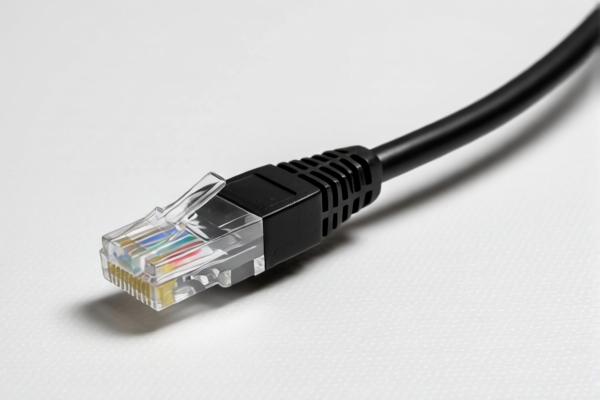
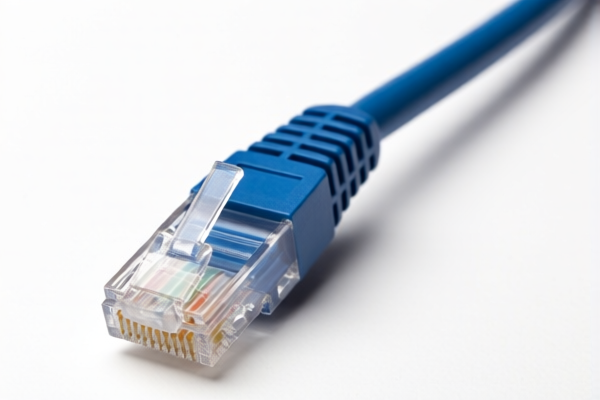
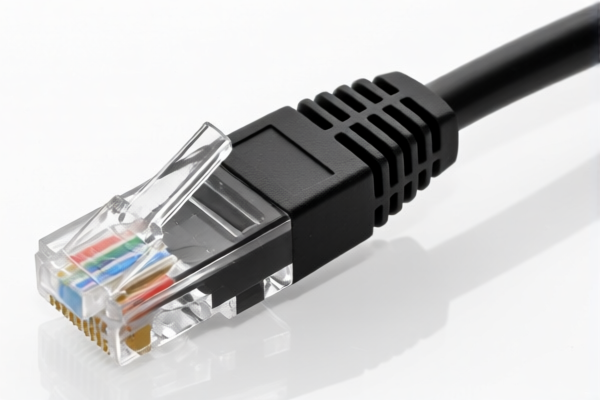
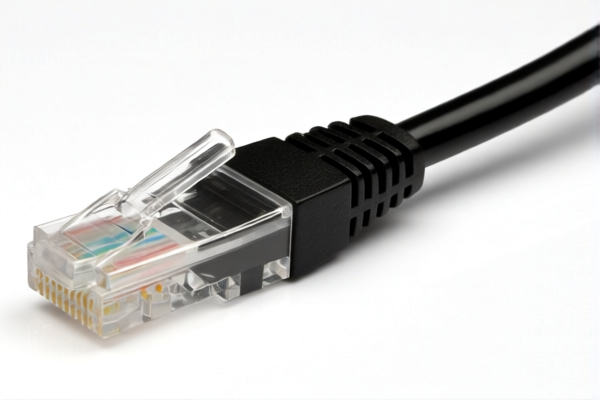
AI Analysis
🌐 Ethernet Cables & Insulated Conductors (Network Cables)
🌐 HS Code Reference & Customs Clearance Guide | 2026 Latest Tariff Analysis | Professional Clearance Strategy 📌 Part 1: Product Definition and Classification: Do You Really Understand "Ethernet Cables"?
In the world of data transmission, "Ethernet Cable" is a common term, but in international trade classification, it is not a single HS Code. It depends entirely on voltage, connectors, and internal structure (electrical copper vs. optical fiber).
1. Electrical Conductors (Copper UTP/STP): Standard network cables (Cat5e, Cat6, Cat6a, etc.) carrying electrical signals at low voltage. 2. Optical Fiber Cables: Cables containing glass/plastic fibers for light-based data transmission.
⚠️ Key Distinction Point: - If it contains copper wires (conductors) and has connectors (RJ45, etc.) for telecommunications use → Classify under 8544.42.20.00. - If it contains optical fibers → Classify under 8544.70.00.00.
📦 Part 2: HS Code Classification Details (2026 Latest Tariff Authority Comparison)
| HS Code | Product Description | Application Scenario | Voltage Limit | Fitted with Connectors? |
|---|---|---|---|---|
8544.42.20.00 |
Other insulated electric conductors, for a voltage not exceeding 1,000 V: Fitted with connectors: Other: Of a kind used for telecommunications | Standard Ethernet cables (Cat5e/6/6a), Network patch cords with RJ45 plugs, Coaxial cables (if telecom grade) | ≤ 1,000 V | ✅ Yes |
8544.70.00.00 |
Optical fiber cables | Fiber optic jumpers, FTTH drop cables, Data center fiber trunk cables | N/A (Optical) | ❌ Irrelevant (Structure is fiber) |
🔍 Key Reminder: - Most standard Cat6/Cat6a Ethernet cables with RJ45 connectors fall under 8544.42.20.00. - Fiber Optic Cables (LC/SC/MPO connectors) fall under 8544.70.00.00. - Do not mix them: Sending fiber cables under the copper conductor code will cause customs delays.
💰 Part 3: 2026 Latest Tariff Rate Details (Including Additional Taxes)
✅ Applicable Country: United States (US) ✅ Origin: China (CN) ✅ Effective Date: Current rates apply as per the provided data.
🎯 1. 8544.42.20.00 —— Insulated Electric Conductors (Telecom Type with Connectors)
| Item | Content |
|---|---|
| Base Tariff | 0.0% |
| Section 301 Additional Tariff | +25.0% |
| Section 232 Additional Tariff (Steel, Aluminum, Copper Products) | +50.0% |
| Total Tax Rate | 75.0% |
| Tax Calculation | CIF Value × 75% |
| Legal Basis Path | HTSUS: 8544.42.20.00 → 301 List → 232 List |
📌 Explanation: - "Section 301 (25%)": Applied to many Chinese goods under the US-China trade war measures. - "Section 232 (50%)": Critical Point! Copper conductors often fall under "Copper Products" or related metal goods subject to national security tariffs. The provided data explicitly lists "Steel, Aluminum, Copper Products Additional Tariff: 50%" for this HS Code. - Combined Total: 75%. This is an extremely high tariff burden.
🎯 2. 8544.70.00.00 —— Optical Fiber Cables
| Item | Content |
|---|---|
| Base Tariff | 0.0% |
| Section 301 Additional Tariff | +25.0% |
| Section 232 Additional Tariff | Not listed in provided data for this specific code (0%) |
| Total Tax Rate | 25.0% |
| Tax Calculation | CIF Value × 25% |
| Legal Basis Path | HTSUS: 8544.70.00.00 → 301 List |
📌 Note: - Optical fibers are not classified as "copper products," so the 50% Section 232 tariff does not apply (based on provided data). - The total rate is 25%, significantly lower than the 75% for copper Ethernet cables.
🛠️ Part 4: Customs Clearance Practical Advice (Real-World Pitfall Avoidance Guide)
✅ 1. Document Checklist (None of these can be missing)
| Document | Must Provide | Description |
|---|---|---|
| ✅ Product Specification Sheet | ✔️ | Must specify: Type (UTP/Fiber), Category (Cat6/OM4), Voltage (<1000V for copper), Connector Type (RJ45/LC). |
| ✅ Circuit/Structure Diagram | ✔️ | To prove if it is electrical (copper) or optical (fiber). Crucial for distinguishing between 8544.42 and 8544.70. |
| ✅ Product Photos (with Labels) | ✔️ | Clear view of connector type, jacket printing (e.g., "CAT6"), and manufacturer info. |
| ✅ Commercial Invoice | ✔️ | Clearly describe: "Ethernet Cable, Cat6, RJ45, for Data Transmission" or "Fiber Optic Cable, LC/SC". Avoid vague terms like "Network Wire." |
| ✅ Packing List | ✔️ | Accurate weight and dimensions. Ensure no mixed packages of copper and fiber if declared separately. |
✅ 2. Declaration Tips (Key Mantra)
🔥 "Copper with Connectors = 75%, Fiber = 25%, Don't Mix!"
| Situation | Correct Declaration | Incorrect Practice |
|---|---|---|
| Cat6 Cable with RJ45 Plugs | 8544.42.20.00 (Telecom Conductors) |
Declare as "Parts of Computer" → Risk of penalty |
| Fiber Patch Cord | 8544.70.00.00 (Optical Fiber Cables) |
Declare as 8544.42.20.00 → Wrong Code, but lower tax? No, wrong classification leads to fines. |
| Unconnected Network Cable (Bulk) | 8544.42.80... (Likely different subheadings) |
8544.42.20.00 requires "Fitted with Connectors". If no plugs, code changes! |
| Coaxial Cable for TV | Check specific subheadings | 8544.42.20.00 is for Telecommunications. TV coax might have different rates. |
📌 Crucial Warning: -
8544.42.20.00specifically requires "Fitted with Connectors". - If you ship bulk cable without ends (no RJ45), you cannot use this code. You must use a different subheading (e.g.,8544.42.80or similar, depending on exact voltage/usage), which may have different tax implications. Check the connector status!
✅ 3. Special Situation Handling
| Situation | Handling Advice |
|---|---|
| Copper Ethernet Cables | Expect 75% total tax. Factor this into your pricing. Consider alternative origins if possible. |
| Fiber Optic Cables | Tax is 25%. Lower cost than copper, but higher material cost. |
| Mixed Bundles | Never declare copper and fiber cables in one line item. Split them clearly in the invoice and customs entry. |
| "Fitted with Connectors" | If you ship cables with RJ45 plugs, ensure the description explicitly states "Fitted with RJ45 Connectors". If they are loose ends, use the correct non-connector HS code. |
🌍 Part 5: Global Market Clearance Comparison (2026 Latest)
| Country/Region | Recommended HS Code (Copper w/ Connectors) | Tariff (CN Origin) | Certification Req. | Notes |
|---|---|---|---|---|
| 🇺🇸 USA | 8544.42.20.00 |
75% (25% Sec 301 + 50% Sec 232) | FCC ID (if Wi-Fi/Active), RoHS | Highest Risk. Copper triggers Sec 232. |
| 🇨🇳 China | 8544.42.20.00 |
0-5% (Export) | CCC (if domestic sale) | Export tax may be exempt or low. |
| 🇪🇺 EU | 8544.42.20.00 |
0-2.7% (Standard MFN) | CE, RoHS, REACH | No high additional tariffs like US. |
| 🇬🇧 UK | 8544.42.20.00 |
0-2.5% | UKCA, RoHS | Post-Brexit rules apply. |
| 🇯🇵 Japan | 8544.42.20.00 |
0-3% | PSE (if active) | Generally low tariffs. |
📌 Conclusion: - USA is the only market with punitive tariffs (75%) for copper Ethernet cables. - EU/Asia have significantly lower tariffs. - If targeting the US market, Cost-Benefit Analysis is critical. 75% tax may erase profit margins.
📌 Part 6: Common Errors & Pitfall Guide (Lessons Learned)
❌ Error 1: Declaring bulk cable (no connectors) as 8544.42.20.00
👉 Consequence: Customs will reject because the code requires "Fitted with Connectors". Delay + Amendment fees.
👉 Fix: Verify connector status. Use correct HS for unconnected wire.
❌ Error 2: Confusing Copper Ethernet with Fiber Optic 👉 Consequence: Wrong HS Code declaration. Copper is 75%, Fiber is 25%. If you declare Fiber as Copper, you overpay. If you declare Copper as Fiber, you face fraud allegations and penalties. 👉 Fix: Clearly distinguish in description: "Copper UTP" vs. "Optical Fiber".
❌ Error 3: Ignoring the "Telecommunications" requirement in 8544.42.20.00
👉 Consequence: If used for power transmission (even low voltage), it may fall under different subheadings.
👉 Fix: Ensure description specifies "For Telecommunications / Data Transmission".
✅ Correct Declaration Example:
"Ethernet Cable, Cat6, UTP, 24AWG, Fitted with RJ45 Connectors, for Data Networking, Voltage 50V, Origin China"
🎯 Part 7: Conclusion: Professional Declaration, Save Time and Money!
🎯 Remember the Mantra:
🔹 "Copper w/ Plugs = 75% (US), Fiber = 25%, Bulk Cable = Different Code!" 🔹 "Check Connectors! Check Voltage! Check Material!" 🔹 "HS Code determines tax destiny. A 50% difference can kill your margin."
📌 Pro Tips:
- If your copper cables are not for telecommunications (e.g., audio/video signal), the HS Code might differ. Stick to "Telecommunications" for 8544.42.20.00.
- For the US Market, due to the 75% tariff, consider:
1. Supplier Declaration: Confirm if the supplier can absorb the cost.
2. Alternative Origin: Sourcing from Vietnam/Mexico might avoid Section 301/232 (verify with current trade rules).
3. Pre-Ruling: Apply for a Binding Ruling with US CBP if the classification is ambiguous.
📣 Immediate Action:
📞 Contact your customs broker. 📸 Provide Photos of Connectors and Product Label. 🚀 Ensure your Invoice Description matches the HS Code exactly to avoid delays.
✨ Professional clearance starts with precise classification! 💼 Every cent of tariff matters. Know your HS Code!
Customer Reviews
About HS Code Classification
The Harmonized System (HS) is an internationally standardized nomenclature developed by the World Customs Organization (WCO) to classify traded products. Over 200 countries use the HS system as the basis for customs tariffs, trade statistics, and import/export regulations.
Each HS code follows a hierarchical structure:
- Chapter (2 digits) — Broad category of goods (e.g., Chapter 84: Machinery and Mechanical Appliances)
- Heading (4 digits) — More specific grouping within the chapter
- Subheading (6 digits) — Internationally standardized breakdown, used by all WCO member countries
- National subdivisions (8-10 digits) — Country-specific extensions for further classification, such as US HTSUS 10-digit codes
Correct HS code classification is essential for smooth customs clearance, accurate duty payment, and compliance with trade regulations. Misclassification can lead to customs delays, overpayment of duties, or penalties.
When importing from CN to US, the applicable tariff rates may include:
- Most-Favored-Nation (MFN) rate — The standard duty rate applied to WTO members
- General rate — Applied to countries without trade agreements
- Trade remedy duties — Additional tariffs such as Section 301 (anti-dumping), Section 232 (national security), or countervailing duties
The information provided on this page is for reference purposes only. For official classification, please consult with your local customs authority or a licensed customs broker.