Ethnic Style Shoulder Strap
CN → US| HS Code | Tariff Rate | Origin | Destination | Doc |
|---|---|---|---|---|
| 6217108500 | 24.6% | CN | US | Official Doc |
| 6307905010 | 17.5% | CN | US | Official Doc |
| 6217909095 | 32.1% | CN | US | Official Doc |
| 6307905020 | 17.5% | CN | US | Official Doc |
| 6117809570 | 32.1% | CN | US | Official Doc |
Product Images


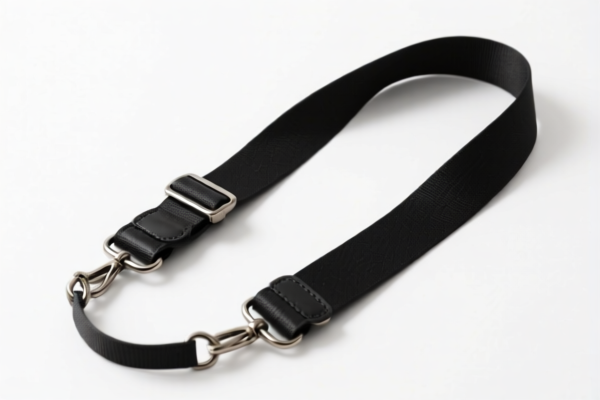
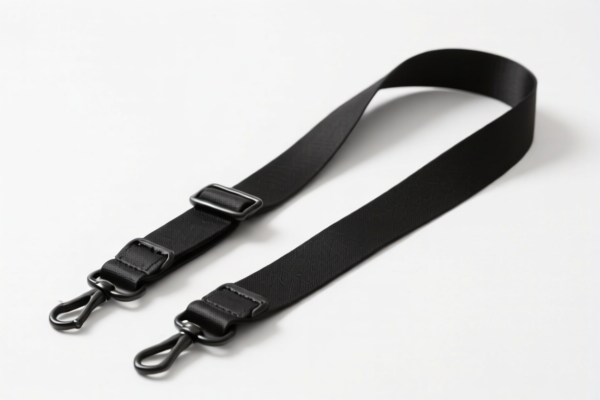
AI Analysis
👗✨ Ethnic Style Shoulder Strap: Global Trade & Customs Guide (2026 Edition)
🌐 HS Code Classification & Tariff Strategy | Ultimate Clearance Guide | Professional Compliance
📌 I. Product Definition: What Exactly is an "Ethnic Style Shoulder Strap"?
An Ethnic Style Shoulder Strap is a fashion accessory commonly used to suspend handbags, camera bags, or even worn as a decorative garment element. Its "ethnic" style implies unique weaving, embroidery, or material choices (e.g., cotton, polyester, rayon, or blended fibers) that evoke cultural aesthetics.
⚠️ Critical Distinction:
- Material: Non-cotton (e.g., synthetic blends) vs. Cotton/Other Fibers → Major tariff impact!
- Function: Is it a garment accessory (clothing part) or a made-up textile article (finished good)?
- Construction: Knitted vs. Woven vs. Other → Determines HS Chapter!
📦 II. HS Code Classification Matrix (2026 Updated Tariff Schedule)
Based on current import data and classification logic, here are the 5 most likely HS Codes for this product:
| HS Code | Product Description | Material Logic | Taxonomic Fit | Total Tax Rate |
|---|---|---|---|---|
6307.90.50.20 |
Other made-up textile articles, non-cotton | Non-cotton fabric | ✅ Other textile finished goods | 17.5% |
6117.80.95.70 |
Other accessories of apparel, knitted/crocheted | Cotton/Polyester/Blended | ✅ Other knitwear accessories | 32.1% |
6117.80.85.00 |
Other accessories of apparel, knitted/crocheted | Cotton/Polyester/Blended | ✅ Ethnic knit accessories | 32.1% |
6217.10.85.00 |
Other made-up clothing accessories, not knitted | Woven/Fibrous | ✅ Woven apparel accessories | 24.6% |
6307.90.50.10 |
Other made-up textile articles, cotton or other fibers | Cotton/Other fibers | ✅ Finished textile good | 17.5% |
🔍 Classification Logic Breakdown:
- If material is non-cotton (e.g., synthetic, linen): Use6307.90.50.20(17.5% total).
- If material is cotton/polyester blend and knitted: Use6117.80.95.70or6117.80.85.00(32.1% total).
- If woven and functional as clothing accessory: Use6217.10.85.00(24.6% total).
- If cotton-based but not knit: Use6307.90.50.10(17.5% total).
💰 III. 2026 Tariff Breakdown: Detailed Tax Structure (USA Import)
✅ Destination: United States
✅ Origin: China (CN)
✅ Effective Date: November 10, 2025 (current and future shipments)
🎯 1. 6307.90.50.20 – Other made-up textile articles (Non-Cotton)
| Item | Value |
|---|---|
| Base Duty | 0.0% |
| Section 301 (Trade War) | +7.5% |
| 122 Clauses (Section 232/301 Add-on) | +10.0% |
| Total Duty | 17.5% |
| Calculation | CIF Value × 17.5% |
| De Minimis Exemption? | ❌ No (Not eligible) |
| Legal Path | USITC:6307.90.50.20 → 301:6307.90.50.20 → 122:6307.90.50.20 |
📌 Explanation:
- Base duty is 0% because it's a "made-up" textile article under Chapter 63.
- 7.5% is the Section 301 "Trade War" tariff on Chinese textiles.
- 10% is the additional "122 clause" tariff, often applied to specific textile categories.
- Total = 17.5% – Moderate risk, but manageable with proper classification.
🎯 2. 6117.80.95.70 & 6117.80.85.00 – Knitted/Crocheted Apparel Accessories
| Item | Value |
|---|---|
| Base Duty | 14.6% |
| Section 301 | +7.5% |
| 122 Clauses | +10.0% |
| Total Duty | 32.1% |
| Calculation | CIF Value × 32.1% |
| De Minimis Exemption? | ❌ No |
| Legal Path | USITC:6117.80.95.70 → 301:6117.80.95.70 → 122:6117.80.95.70 |
📌 Explanation:
- These are classified under Chapter 61 (Knitted/Crocheted) – higher base duty (14.6%) due to fabric type.
- Section 301 + 122 apply similarly as above.
- Total = 32.1% – High tariff risk, avoid if possible unless material is strictly knit.
🎯 3. 6217.10.85.00 – Woven Clothing Accessories
| Item | Value |
|---|---|
| Base Duty | 14.6% |
| Section 301 | 0.0% (Not applicable here) |
| 122 Clauses | +10.0% |
| Total Duty | 24.6% |
| Calculation | CIF Value × 24.6% |
| De Minimis Exemption? | ❌ No |
| Legal Path | USITC:6217.10.85.00 → 122:6217.10.85.00 |
📌 Explanation:
- No Section 301 tariff applies to this specific subheading (woven accessories).
- Only 10% "122 clause" tariff applies.
- Total = 24.6% – Lower risk than knitted variants.
🎯 4. 6307.90.50.10 – Cotton/Other Fiber Made-Up Articles
| Item | Value |
|---|---|
| Base Duty | 0.0% |
| Section 301 | +7.5% |
| 122 Clauses | +10.0% |
| Total Duty | 17.5% |
| Calculation | CIF Value × 17.5% |
| De Minimis Exemption? | ❌ No |
| Legal Path | USITC:6307.90.50.10 → 301:6307.90.50.10 → 122:6307.90.50.10 |
📌 Explanation:
- Similar to6307.90.50.20, but for cotton or other fibers (not strictly non-cotton).
- Still 17.5% total – Lowest risk category if material is non-knit.
🛠️ IV. Clearance & Compliance Strategy (Real-World Guide)
✅ 1. Document Checklist (Must-Have)
| Document | Required? | Why? |
|---|---|---|
| 📄 Product Specification Sheet | ✔️ | Must state material (cotton? polyester? blend?), construction (knit/woven), and use (bag strap? garment strap?) |
| 📄 Material Composition Label | ✔️ | Critical for correct HS Code assignment |
| 📄 Product Photos (Clear & Labeled) | ✔️ | Show ethnic patterns, stitching, and hardware |
| 📄 Commercial Invoice | ✔️ | Must describe "Ethnic Style Shoulder Strap" accurately |
| 📄 Packing List | ✔️ | No mixed shipments unless declared |
| 📄 Origin Certificate (CO) | ✔️ | If not China, may qualify for lower rates |
| 📄 Third-Party Test Report (if needed) | ⚠️ | For cotton content verification (e.g., ASTM D123) |
✅ 2. Declaration Best Practices (Avoid Pitfalls!)
🔥 “Material First, Function Second, Name Precise!”
| Scenario | Recommended HS Code | Common Mistake |
|---|---|---|
| Non-cotton, woven | 6307.90.50.20 |
Mistakenly used 6117.80.95.70 → 32.1% |
| Knitted, cotton/poly | 6117.80.95.70 |
Mistakenly used 6307.90.50.10 → 17.5% (but risk of audit) |
| Woven, functional strap | 6217.10.85.00 |
Mistakenly used 6307.90.50.20 → 17.5% (lower duty, but risk of rejection) |
| Cotton, non-knit | 6307.90.50.10 |
Mistakenly used 6217.10.85.00 → 24.6% |
✅ 3. Special Cases & Risk Mitigation
| Case | Recommendation |
|---|---|
| OEM Custom Straps | Provide design files + customer PO; avoid "generic" descriptions |
| Mixed Material (Cotton + Polyester) | Declare highest % fiber; may trigger 32.1% if >50% knit |
| Embroidered/Ethnic Pattern | Still classified by material/construction, not design |
| Used as Garment Accessory | Must be declared as "Clothing Accessory" → Chapter 61/62 |
| Used for Bags/Accessories | Chapter 63 may apply if not attached to clothing |
🌍 V. Global Market Comparison (2026)
| Country | Recommended HS Code | Base Duty | Total Duty (China) | Notes |
|---|---|---|---|---|
| 🇺🇸 USA | 6307.90.50.20 or 6117.80.95.70 |
0–14.6% | 17.5% – 32.1% | High risk on knitted |
| 🇪🇺 EU | 6307.90.50.20 |
0% | 0% (No Section 301) | Lower duty if not knitted |
| 🇨🇦 Canada | 6307.90.50.20 |
0% | 0% (No Section 301) | No extra tariffs |
| 🇦🇺 Australia | 6307.90.50.20 |
0% | 0% | No Section 301 |
| 🇯🇵 Japan | 6307.90.50.20 |
0% | 0% | No Section 301 |
📌 Key Takeaway:
- USA is the only market with Section 301 + 122 clause tariffs on these items.
- EU, Canada, Australia, Japan offer 0–5% duty if correctly classified.
- Strategy: For US imports, prioritize non-knit, non-cotton to stay at 17.5%; avoid knitted categories if possible.
🚨 VI. Common Errors & How to Avoid Them
❌ Error 1: Classifying a knitted strap as a woven textile → 32.1% vs 24.6%
👉 Fix: Check fabric construction under microscope or test report.
❌ Error 2: Using "Cotton" for a polyester blend → 17.5% vs 32.1%
👉 Fix: Use material test reports to verify % composition.
❌ Error 3: Declaring as "Garment Accessory" when it's a bag strap → Chapter 61/62 vs 63
👉 Fix: Clearly state "for handbags" or "for clothing" in invoice.
❌ Error 4: Mixing knit and woven in one shipment → Audit Risk
👉 Fix: Separate declarations by material/construction.
🎯 VII. Final Recommendation: Smart Customs Strategy
📌 Golden Rule:
Know your material → Know your construction → Pick the right HS Code → Save 10–15% in duties!
✅ Action Plan:
- Verify material (cotton? polyester? blend?)
- Confirm construction (knit? woven? crocheted?)
- Declare function (bag strap? garment strap?)
- Choose HS Code:
- Non-cotton, non-knit →
6307.90.50.20(17.5%) - Cotton, non-knit →
6307.90.50.10(17.5%) - Woven, accessory →
6217.10.85.00(24.6%) - Knit, accessory →
6117.80.95.70(32.1%) – Avoid if possible! - Apply for Advance Ruling (if uncertain) to lock in classification.
📣 Call to Action
🚀 Don't Guess – Classify Right!
🔹 Contact a licensed customs broker
🔹 Submit product specs + photos
🔹 Request HS Code Pre-Ruling from CBP
🔹 Save up to 15% in duties with smart classification!
✨ Professional Customs Clearance Starts with the Right HS Code!
💼 Your Profit Margin Depends on Accurate Classification!
Customer Reviews
About HS Code Classification
The Harmonized System (HS) is an internationally standardized nomenclature developed by the World Customs Organization (WCO) to classify traded products. Over 200 countries use the HS system as the basis for customs tariffs, trade statistics, and import/export regulations.
Each HS code follows a hierarchical structure:
- Chapter (2 digits) — Broad category of goods (e.g., Chapter 84: Machinery and Mechanical Appliances)
- Heading (4 digits) — More specific grouping within the chapter
- Subheading (6 digits) — Internationally standardized breakdown, used by all WCO member countries
- National subdivisions (8-10 digits) — Country-specific extensions for further classification, such as US HTSUS 10-digit codes
Correct HS code classification is essential for smooth customs clearance, accurate duty payment, and compliance with trade regulations. Misclassification can lead to customs delays, overpayment of duties, or penalties.
When importing from CN to US, the applicable tariff rates may include:
- Most-Favored-Nation (MFN) rate — The standard duty rate applied to WTO members
- General rate — Applied to countries without trade agreements
- Trade remedy duties — Additional tariffs such as Section 301 (anti-dumping), Section 232 (national security), or countervailing duties
The information provided on this page is for reference purposes only. For official classification, please consult with your local customs authority or a licensed customs broker.