Ethylene Plastic Sheets
CN → US| HS Code | Tariff Rate | Origin | Destination | Doc |
|---|---|---|---|---|
| 3920991000 | 41.0% | CN | US | Official Doc |
| 3920100000 | 39.2% | CN | US | Official Doc |
| 3926100000 | 15.3% | CN | US | Official Doc |
| 3920490000 | 40.8% | CN | US | Official Doc |
| 3904100000 | 41.5% | CN | US | Official Doc |
Product Images
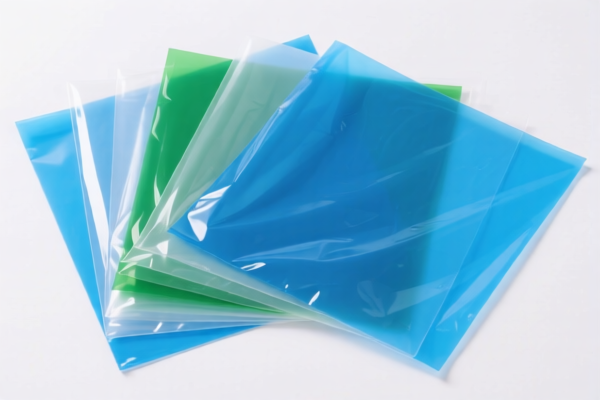
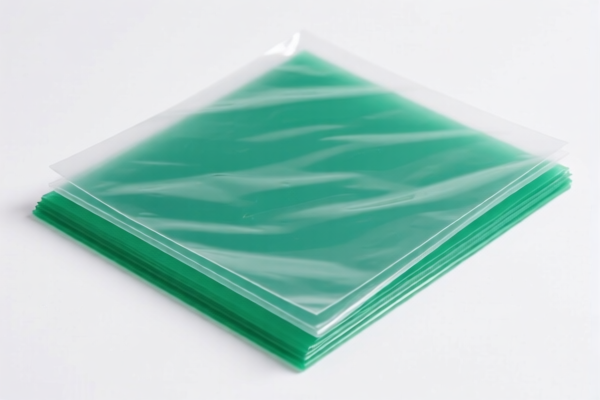

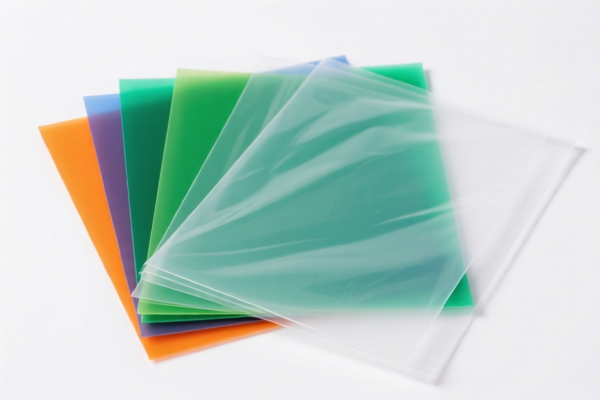
AI Analysis
🧪 Ethylene Plastic Sheets: Ultimate HS Code Classification & Clearance Guide (2026)
🌐 HS Code Reference & Clearance Guide | 2026 Latest Tariff Analysis | Professional Entry Strategy
📌 I. Product Definition & Classification: What Exactly Are "Ethylene Plastic Sheets"?
Ethylene Plastic Sheets are versatile materials derived from ethylene polymers (primarily Polyethylene - PE). In international trade, they fall under Chapter 39 (Plastics and Articles Thereof). However, the specific HS Code depends heavily on the chemical composition, physical form, and degree of processing.
The term "Ethylene Plastic" is often used broadly, but customs authorities require precise differentiation between: 1. Polyethylene (PE): The most common form, often classified under Heading 39.20 or 39.01/39.06 depending on state. 2. Polyvinyl Chloride (PVC): Often mistakenly grouped with "plastic sheets" but chemically distinct (Vinyl Chloride Polymer), classified under Heading 39.04. 3. Polystyrene (PS): A different polymer entirely, classified under Heading 39.26 if manufactured into articles.
⚠️ Critical Distinction Point:
- If the sheet is unlaminated, non-cellular, and flat (film/plate/sheet form) → Look at 3920.xxxx.
- If the material is actually PVC (Vinyl) → Look at 3904.xxxx or 3920.49.
- If the material is Polystyrene → Look at 3926.10.
- Do NOT assume "Ethylene" covers all plastics! Misclassification leads to significant duty liabilities.
📦 II. HS Code Classification Matrix (Based on Provided Data)
Based on the provided dataset, here is the precise breakdown of HS Codes for "Ethylene Plastic Sheets" and similar plastic sheets, along with their tax implications.
| HS Code | Product Description (Summary) | Material/Form Key Identifier |
|---|---|---|
| 3920.99.10.00 | Ethylene plastic calendered film/sheet | PE Material, Calendered, Film/Sheet form |
| 3920.10.00.00 | Ethylene polymer film/sheet (non-cellular, unlaminated) | PE Polymer, Basic Form, No Lamination |
| 3926.10.00.00 | Polystyrene plastic sheet | PS Material (Note: Not Ethylene), Sheet form, Plastic Article |
| 3920.49.00.00 | Polyvinyl Chloride (PVC) plastic sheet | PVC Material (Note: Vinyl Chloride, not Ethylene), Sheet form |
| 3904.10.00.00 | Polyvinyl Chloride (PVC) plastic sheet (Primary Form) | PVC Material, Primary Shape (Pellets/Granules/Film) |
🔍 Important Note:
While the user query is "Ethylene Plastic Sheets", the dataset includes PVC and Polystyrene codes. This indicates that importers often confuse these materials.
- True Ethylene Sheets → 3920.99.10.00 or 3920.10.00.00.
- PVC Sheets (Common in construction/waterproofing) → 3920.49.00.00 or 3904.10.00.00.
- Polystyrene Sheets (Used in signage/lighting) → 3926.10.00.00.
💰 III. 2026 Tariff Rate Breakdown (Detailed Tax Analysis)
✅ Applicable Country: United States (US)
✅ Origin: China (CN)
✅ Key Tariff Components: Base Duty + Section 301 Tariff (25%) + Section 122 Tariff (10%)
🎯 1. 3920.99.10.00 — Ethylene Plastic Calendered Film/Sheet
- Material: Polyethylene (Ethylene)
- Total Tax Rate: 41.0%
| Tax Component | Rate | Description |
|---|---|---|
| Base Duty | 6.0% | Standard MFN rate for plastic sheets. |
| Section 301 Tariff | 25.0% | Additional tariff on Chinese goods (List 3/4A). |
| Section 122 Tariff | 10.0% | Specific tariff clause (likely related to trade remedies or specific category). |
| Total Effective Rate | 41.0% | Sum of Base + 301 + 122. |
📌 Explanation:
This code applies to calendered polyethylene sheets. Calendering is a specific manufacturing process. If the film is extruded (not calendered), it might fall under a different subheading, but based on the data, this is the designated code for this specific description.
🎯 2. 3920.10.00.00 — Ethylene Polymer Film/Sheet (Unlaminated)
- Material: Polyethylene (Ethylene)
- Total Tax Rate: 39.2%
| Tax Component | Rate | Description |
|---|---|---|
| Base Duty | 4.2% | Standard MFN rate for basic polyethylene sheets/films. |
| Section 301 Tariff | 25.0% | Additional tariff on Chinese goods. |
| Section 122 Tariff | 10.0% | Specific tariff clause. |
| Total Effective Rate | 39.2% | Sum of Base + 301 + 122. |
📌 Explanation:
This is often the most common code for standard polyethylene sheets/films that are non-cellular and unlaminated. Note that the base duty (4.2%) is lower than3920.99.10.00(6.0%), making this a slightly more cost-effective classification if the product fits the definition.
🎯 3. 3926.10.00.00 — Polystyrene Plastic Sheet
- Material: Polystyrene (NOT Ethylene)
- Total Tax Rate: 15.3%
| Tax Component | Rate | Description |
|---|---|---|
| Base Duty | 5.3% | Standard MFN rate for plastic articles. |
| Section 301 Tariff | 0.0% | Exempt from Section 301 in this dataset. |
| Section 122 Tariff | 10.0% | Specific tariff clause. |
| Total Effective Rate | 15.3% | Sum of Base + 122. |
⚠️ Critical Alert:
This code is NOT for ethylene plastic. It is for Polystyrene (PS). If you import PS sheets and misclassify them as PE (Ethylene), you might face a higher duty (41% vs 15.3%) or customs penalties for incorrect declaration. However, if you can correctly declare PS, the tax burden is significantly lower due to the 0% Section 301 rate.
🎯 4. 3920.49.00.00 — Polyvinyl Chloride (PVC) Plastic Sheet
- Material: PVC (Vinyl Chloride, NOT Ethylene)
- Total Tax Rate: 40.8%
| Tax Component | Rate | Description |
|---|---|---|
| Base Duty | 5.8% | Standard MFN rate for PVC sheets. |
| Section 301 Tariff | 25.0% | Additional tariff on Chinese goods. |
| Section 122 Tariff | 10.0% | Specific tariff clause. |
| Total Effective Rate | 40.8% | Sum of Base + 301 + 122. |
📌 Explanation:
Commonly used for waterproofing, flooring, and medical tubing. If your product is PVC, do not use "Ethylene" codes. This code is for PVC sheets that do not fall into more specific PVC subheadings.
🎯 5. 3904.10.00.00 — Polyvinyl Chloride (PVC) Primary Form
- Material: PVC (Vinyl Chloride, NOT Ethylene)
- Total Tax Rate: 41.5%
| Tax Component | Rate | Description |
|---|---|---|
| Base Duty | 6.5% | Standard MFN rate for primary PVC forms. |
| Section 301 Tariff | 25.0% | Additional tariff on Chinese goods. |
| Section 122 Tariff | 10.0% | Specific tariff clause. |
| Total Effective Rate | 41.5% | Sum of Base + 301 + 122. |
📌 Explanation:
This code is for PVC in primary forms (e.g., granules, powders, or basic films/sheets not further manufactured). If the sheet is a finished article or heavily processed,3920.49.00.00might be more appropriate. Check the degree of manufacturing.
🛠️ IV. Practical Clearance Advice (Avoid Pitfalls)
✅ 1. Documentation Checklist (Must-Haves)
| Document | Requirement | Purpose |
|---|---|---|
| Product Spec Sheet | ✔️ Must specify: Material (PE/PVC/PS), Density, Thickness, Width, Color, Form (Film/Sheet) | Proves material composition. |
| Manufacturer's Invoice | ✔️ Must list HS Code (if known), Material Type, Quantity, Value | Supports valuation and classification. |
| Certificate of Origin | ✔️ For US-China trade, essential for proving origin for Section 301/122 tariffs. | Determines applicability of additional tariffs. |
| Technical Data Sheet | ✔️ Tensile strength, melting point, etc. | Helps distinguish between "Primary Form" (3904) and "Sheet/Film" (3920). |
| Photos | ✔️ Clear images of the product, packaging, and any labeling. | Visual confirmation for Customs Broker. |
✅ 2. Classification Strategy (Key Tips)
🔥 Golden Rule: "Material First, Form Second!"
| Scenario | Correct Classification | Why? |
|---|---|---|
| Standard PE Sheet/Film | 3920.10.00.00 |
Most common for unlaminated, non-cellular PE. |
| Calendered PE Sheet | 3920.99.10.00 |
Specific manufacturing process triggers this subheading. |
| PVC Sheet | 3920.49.00.00 |
PVC is chemically distinct from Ethylene. |
| PS Sheet | 3926.10.00.00 |
PS is a different polymer; check for lower tax rate (15.3%). |
| PVC Pellets/Granules | 3904.10.00.00 |
"Primary Form" vs. "Finished Sheet". |
✅ 3. Common Mistakes & Penalties
❌ Mistake 1: Calling PVC "Ethylene Plastic"
👉 Consequence: Customs may reject the declaration, request reclassification, and impose penalties. PVC (3920.49.00.00) has a 40.8% rate, while some PE codes are 39.2%. Small difference, but accuracy is key to avoid delays.
❌ Mistake 2: Misidentifying PS as PE
👉 Consequence: If you declare PS as PE (3920.10.00.00), you pay 39.2% instead of 15.3%. While this seems "cheaper" for the importer, it is fraudulent. Customs audits can lead to back duties, fines, and loss of import privileges.
❌ Mistake 3: Confusing "Film" and "Sheet"
👉 Consequence: In HS Code 3920, "Film" and "Sheet" are often grouped, but thickness can matter. Ensure your product description matches the "Film/Sheet" definition in the HS notes.
🌍 V. Market Comparison (2026)
| Market | HS Code Focus | Tariff Rate (China Origin) | Key Consideration |
|---|---|---|---|
| 🇺🇸 USA | 3920.10.00.00 / 3920.99.10.00 |
39.2% - 41.0% | High Section 301 (25%) + Section 122 (10%) make these products expensive. |
| 🇪🇺 EU | 3920.10 |
Varies (通常为 6.5%) | No Section 301/122 equivalents, but VAT applies. |
| 🇨🇳 China | 3920.10 |
0% - 6.5% | Import duties vary; usually lower than US. |
📌 Conclusion:
The US market imposes a significant tariff burden (40%+) on plastic sheets from China due to trade policies.
- Optimization Strategy:
1. Verify Material: If PS is an option,3926.10.00.00(15.3%) is vastly superior.
2. Check Exclusions: Ensure the product doesn't fall under other exempt categories.
3. Supply Chain: Consider sourcing from countries exempt from Section 301 (e.g., Vietnam, Mexico) if possible.
📌 VI. Final Recommendations
- Confirm Material: Is it truly Ethylene (PE)? If yes, use
3920.10.00.00or3920.99.10.00. If it's PVC, use3920.49.00.00. If it's PS, use3926.10.00.00. - Document Everything: Provide technical specs to prove the material and form.
- Calculate Total Landed Cost: Include the 41% duty in your pricing model.
- Consult a Customs Broker: For high-value shipments, get a pre-ruling if possible.
🎯 Remember:
🔹 "HS Code is the Key, Tax Rate is the Lock."
🔹 "Ethylene ≠ PVC ≠ PS. Know your material!"
🔹 "40%+ Duty in US is the New Normal for Chinese Plastic Sheets."
📣 Immediate Action:
📞 Review your product specs.
📋 Check if PS is a viable alternative (lower tax).
🚀 Prepare accurate commercial invoices with detailed material descriptions.
✨ Professional Clearance Starts with Accurate Classification!
💼 Every Dollar Saved is a Dollar Earned!
Customer Reviews
About HS Code Classification
The Harmonized System (HS) is an internationally standardized nomenclature developed by the World Customs Organization (WCO) to classify traded products. Over 200 countries use the HS system as the basis for customs tariffs, trade statistics, and import/export regulations.
Each HS code follows a hierarchical structure:
- Chapter (2 digits) — Broad category of goods (e.g., Chapter 84: Machinery and Mechanical Appliances)
- Heading (4 digits) — More specific grouping within the chapter
- Subheading (6 digits) — Internationally standardized breakdown, used by all WCO member countries
- National subdivisions (8-10 digits) — Country-specific extensions for further classification, such as US HTSUS 10-digit codes
Correct HS code classification is essential for smooth customs clearance, accurate duty payment, and compliance with trade regulations. Misclassification can lead to customs delays, overpayment of duties, or penalties.
When importing from CN to US, the applicable tariff rates may include:
- Most-Favored-Nation (MFN) rate — The standard duty rate applied to WTO members
- General rate — Applied to countries without trade agreements
- Trade remedy duties — Additional tariffs such as Section 301 (anti-dumping), Section 232 (national security), or countervailing duties
The information provided on this page is for reference purposes only. For official classification, please consult with your local customs authority or a licensed customs broker.