Ethylene Plastic Waste
CN → US| HS Code | Tariff Rate | Origin | Destination | Doc |
|---|---|---|---|---|
| 3915100000 | 35.0% | CN | US | Official Doc |
| 3915900090 | 35.0% | CN | US | Official Doc |
| 3915100000 | 35.0% | CN | US | Official Doc |
| 3915900090 | 35.0% | CN | US | Official Doc |
| 3915100000 | 35.0% | CN | US | Official Doc |
Product Images

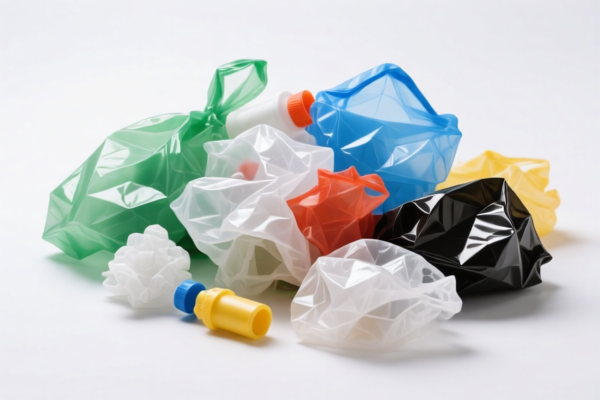
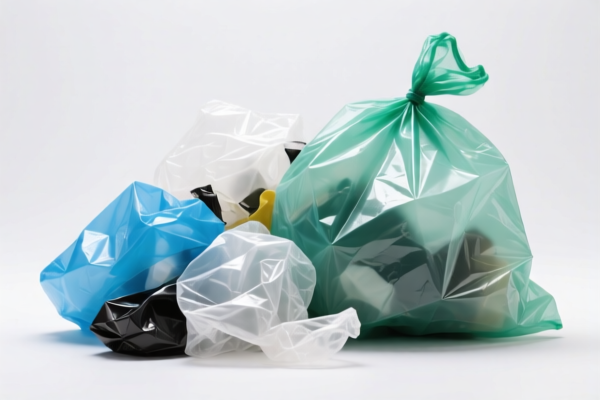
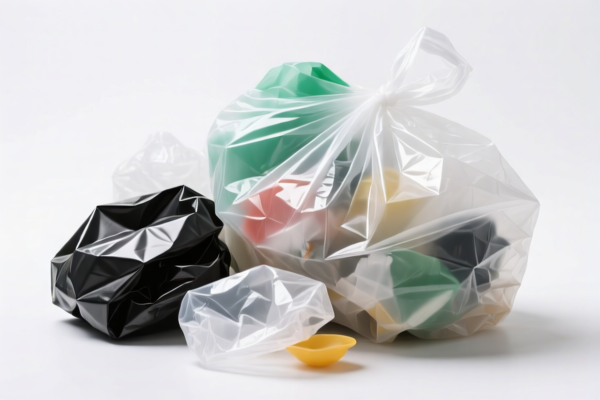
AI Analysis
🗑️ Ethylene Plastic Waste (Polyethylene Scrap)
🌐 HS Code Reference & Customs Clearance Guide | 2026 Latest Tariff Analysis | Professional Entry Strategy
📌 1. Product Definition & Classification: Do You Really Know "Ethylene Plastic Waste"?
Ethylene plastic waste, primarily composed of Polyethylene (PE) scraps, refers to discarded materials generated during the manufacturing, processing, or post-consumer lifecycle of ethylene-based polymers. In international trade, accurate classification is critical because these materials are subject to significant punitive tariffs under current US trade policies.
These wastes are generally categorized into two main types:
- Blown Film Scrap (吹塑废料): Waste generated from the blown film extrusion process (e.g., plastic bags, packaging films). This is strictly classified under HS Code
3915.10.00.00. - General/Other Plastic Scrap (其他塑料废料): This includes irregular shapes, edge trimmings, or non-specified PE waste that does not fit the "blown film" definition. This falls under HS Code
3915.90.00.90.
⚠️ Key Distinction:
- If the scrap is specifically from blown film manufacturing → Classify as3915.10.00.00
- If it is general PE waste, edge trimmings, or mixed plastic fragments → Classify as3915.90.00.90
- Note: Both categories currently carry the same high tariff burden due to their origin and nature.
📦 2. HS Code Classification Details (Latest 2026 Tariff Schedule)
| HS Code | Product Description | Applicable Scenario | Specific Material Type |
|---|---|---|---|
3915.10.00.00 |
Waste, parings, and scrap of ethylene polymers | Blown film production waste, plastic bag scraps | ✅ Blown Film Scrap (Specific Ethylene Polymer) |
3915.90.00.90 |
Other waste, parings, and scrap of plastics | General PE waste, edge trimmings, non-specified fragments | ✅ Other PE Waste (General Ethylene Category) |
🔍 Critical Reminder:
- Both HS codes relate to Ethylene Polymers (Polyethylene).
- Despite the slight difference in sub-headings (.10vs.90), the tax rate structure is identical under current US regulations for Chinese origin goods.
- Do not assume.90is cheaper; both are subject to the same 35% total duty.
💰 3. 2026 Latest Tariff Rate Breakdown (Including Surcharges)
✅ Applicable Country: United States (US)
✅ Origin: China (CN)
✅ Effective Date: Ongoing (as per current trade enforcement)
🎯 Both 3915.10.00.00 & 3915.90.00.90
| Item | Content |
|---|---|
| Base Tariff (MFN) | 0.0% |
| Section 301 Surcharge | +25.0% |
| Section 122 Tariff (IEEPA) | +10.0% |
| Total Tax Rate | 35.0% |
| Tax Calculation | CIF Value × 35% |
| De Minimis Exemption? | ❌ NO (Not eligible) |
| Legal Basis Path | USITC:3915.10.00.00 / 3915.90.00.90 → Section 301: 25% → Section 122: 10% |
📌 Explanation:
- "Base Tariff 0%": The standard Most Favored Nation (MFN) rate for plastic waste is often zero, but this is irrelevant here due to additional tariffs.
- "Section 301 Surcharge 25%": Imposed under US Trade Act Section 301 to address unfair trade practices.
- "Section 122 Tariff 10%": Added under the International Emergency Economic Powers Act (IEEPA) or related emergency provisions targeting specific Chinese imports.
- Combined 35%: This is a high-cost entry. Importers must account for this in their landed cost calculations. There is no de minimis exemption (usually applicable to low-value shipments under $800) for these specific HS codes under current enforcement.
🛠️ 4. Customs Clearance Practical Advice (Risk Avoidance Guide)
✅ 1. Documentation Checklist (Mandatory)
| Document | Required | Description |
|---|---|---|
| ✅ Commercial Invoice | ✔️ | Must clearly state "Ethylene Plastic Waste" or "Polyethylene Scrap". Avoid vague terms like "Plastic Material". |
| ✅ Packing List | ✔️ | Detail weight, volume, and packaging type. Plastic waste is often bulky; accurate volume is key for freight. |
| ✅ Product Photos | ✔️ | Clear images showing the material texture, color, and form (films vs. granules vs. chunks). Helps CBP verify HS classification. |
| ✅ Certificate of Origin | ✔️ | To confirm CN origin, triggering the correct surcharge logic. |
| ✅ Material Safety Data Sheet (MSDS) | ✔️ | Even for waste, some customs brokers may request safety data to confirm no hazardous contamination. |
✅ 2. Declaration Tips (Key Mantras)
🔥 "Be Specific, Don't Hide, Tax is Fixed!"
| Situation | Correct Declaration | Wrong Practice |
|---|---|---|
| Blown Film Waste | 3915.10.00.00 - Ethylene Polymer Waste (Blown Film) |
Generic "Plastic Waste" → Risk of misclassification penalties |
| General PE Scrap | 3915.90.00.90 - Other Plastic Scrap |
Claiming "Recycled Granules" if not processed → Risk of duty evasion |
| Mixed Plastics | Do NOT ship as pure Ethylene Waste | Mixing PE with PVC or PS → Will be rejected or heavily scrutinized |
✅ 3. Special Considerations
| Scenario | Handling Advice |
|---|---|
| Contamination | Ensure waste is clean. Contaminated plastic (food residue, dirt) may be classified as solid waste/hazardous waste, leading to rejection or EPA fines. |
| Recycled Content | If the material has been reprocessed into pellets, the HS code may change (e.g., to 3902 for primary forms). Ensure your declaration matches the physical state at entry. |
| Section 122 Applicability | Since the 10% Section 122 tariff is explicitly listed for these HS codes in the data, assume it applies to all Chinese-origin shipments. No exemption is indicated. |
🌍 5. Global Market Comparison (2026)
| Country/Region | Recommended HS Code | Tariff Impact | Notes |
|---|---|---|---|
| 🇺🇸 USA | 3915.10.00.00 / 3915.90.00.90 |
35% Total | High Barrier. Includes 25% Sec 301 + 10% Sec 122. No de minimis. |
| 🇨🇳 China | 3915.10.00.00 / 3915.90.00.90 |
Low/Zero | Import duty for waste may be low, but environmental regulations on plastic waste import are extremely strict (often banned for certain types). |
| 🇪🇺 EU | 3915.10.00.00 / 3915.90.00.90 |
Varies (0-6.5%) | No Section 301/122 tariffs. Focus on EPR (Extended Producer Responsibility) and recycling targets. |
| 🇻🇳 Vietnam | 3915.10.00.00 / 3915.90.00.90 |
Varies | Consider transshipment risks. If re-exported to US, still subject to US tariffs. |
📌 Conclusion:
- USA is the only major market applying the cumulative 35% punitive tariff.
- EU and other markets do not apply Section 301/122, making them more cost-effective for recycling loops, but environmental compliance is stricter.
- For US-bound shipments, the 35% cost must be factored into the price or absorbed by the supplier/importer.
📌 6. Common Mistakes & Pitfalls (Lessons Learned)
❌ Mistake 1: Declaring "Ethylene Plastic Waste" as "Recycled Plastic Pellets"
👉 Consequence: If not properly processed, it may be rejected as improperly declared waste. If declared as pellets but arrives as scraps, it’s misdeclaration.
❌ Mistake 2: Ignoring the Section 122 Tariff
👉 Consequence: Underpaying 10%. CBP may audit and charge back duties + interest + penalties.
❌ Mistake 3: Assuming De Minimis Applies
👉 Consequence: Small samples or small batches still face 35% duty if the HS code is flagged. No $800 exemption.
❌ Mistake 4: Mixing Contaminated Waste
👉 Consequence: EPA seizure, fines, and return of goods. Plastic waste must be clean and dry.
✅ Correct Approach:
"Ethylene Polymer Waste (Blown Film Scrap), Clean, Unprocessed, HS Code: 3915.10.00.00, Origin: China. Acknowledgment of 35% Total Duty."
🎯 7. Conclusion: Professional Declaration Saves Money!
🎯 Remember the Mantra:
🔹 "PE Waste is 35%, No Exemption, No Tricks!"
🔹 "Clarify Blown vs. Other, But Tax is the Same!"
🔹 "Clean Waste Only, Avoid EPA Fines!"
📌 Pro Tip:
If you are importing large volumes, consider supply chain optimization.
- Option A: Source from non-China origins (if available) to potentially avoid Section 301/122.
- Option B: Negotiate price reductions with suppliers to absorb the 35% duty.
- Option C: Ensure perfect documentation to avoid customs delays which incur demurrage costs.
📣 Immediate Action:
📞 Consult your Customs Broker with clear photos and invoices.
📋 Pre-classify your HS Code using a ruling request if shipment volume is high.
🚀 Plan for the 35% cost in your financial model to avoid unexpected losses.
✨ Professional Customs Clearance Starts with Accurate Classification!
💼 Every Dollar Counted, Every Shipment Smooth!
Customer Reviews
About HS Code Classification
The Harmonized System (HS) is an internationally standardized nomenclature developed by the World Customs Organization (WCO) to classify traded products. Over 200 countries use the HS system as the basis for customs tariffs, trade statistics, and import/export regulations.
Each HS code follows a hierarchical structure:
- Chapter (2 digits) — Broad category of goods (e.g., Chapter 84: Machinery and Mechanical Appliances)
- Heading (4 digits) — More specific grouping within the chapter
- Subheading (6 digits) — Internationally standardized breakdown, used by all WCO member countries
- National subdivisions (8-10 digits) — Country-specific extensions for further classification, such as US HTSUS 10-digit codes
Correct HS code classification is essential for smooth customs clearance, accurate duty payment, and compliance with trade regulations. Misclassification can lead to customs delays, overpayment of duties, or penalties.
When importing from CN to US, the applicable tariff rates may include:
- Most-Favored-Nation (MFN) rate — The standard duty rate applied to WTO members
- General rate — Applied to countries without trade agreements
- Trade remedy duties — Additional tariffs such as Section 301 (anti-dumping), Section 232 (national security), or countervailing duties
The information provided on this page is for reference purposes only. For official classification, please consult with your local customs authority or a licensed customs broker.