Ethylene Polymer Injection Molding Material
CN → US| HS Code | Tariff Rate | Origin | Destination | Doc |
|---|---|---|---|---|
| 3901101000 | 41.5% | CN | US | Official Doc |
| 3907690050 | 41.5% | CN | US | Official Doc |
| 3907290000 | 41.5% | CN | US | Official Doc |
| 3901105010 | 41.5% | CN | US | Official Doc |
| 3902900050 | 41.5% | CN | US | Official Doc |
Product Images
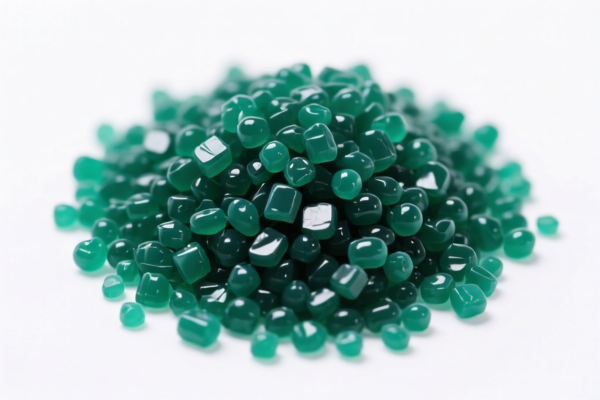
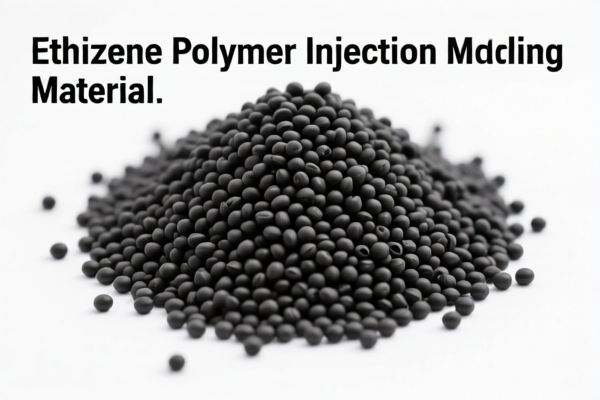

AI Analysis
🏭 Ethylene Polymer Injection Molding Material (注塑用乙烯聚合物材料)
🌐 HS Code Reference & Customs Clearance Guide | 2026 Latest Tariff Analysis | Professional Import Strategy for US Market
📌 1. Product Definition & Classification: What is "Ethylene Polymer Injection Material"?
Ethylene polymer injection molding materials are primary plastic raw materials (resins/pellets) used in manufacturing plastic products via injection molding. They are not finished plastic articles but chemical intermediates.
In international trade, classification depends heavily on the specific polymer type (e.g., Linear Low-Density Polyethylene LLDPE, Mixed Polyolefins) and physical form (primary shape).
⚠️ Key Distinction:
- If the material is unmodified ethylene polymer (pure resin): It falls under Chapter 39, Heading 3901 or 3902.
- If it is a blend/mixture or specialized polyolefin compound: It may fall under Heading 3907 (Other Polyesters, Polyacetals, etc., or other plastics in primary forms).
- Note: All HS Codes listed below attract the same total effective tax rate due to current US trade policies, but accurate classification is critical for compliance and audit trails.
📦 2. HS Code Classification Details (2026 Authorized List)
Based on the provided data, here are the 5 authorized HS Codes for Ethylene Polymer Injection Molding Materials. All fall under Section VI (Plastics and Articles Thereof).
| HS Code | Product Description | Specific Classification Logic | Form |
|---|---|---|---|
3901.10.10.00 |
Ethylene Polymer Injection Material Material: Ethylene Polymer Form: Primary Shape (Raw Material/Resin) |
Classify as Ethylene polymers (Polyethylene) in primary forms. This is the standard code for pure PE resins. | Pellets/Granules/Resin |
3907.69.00.50 |
Ethylene Polymer Injection Material Material: Polymer Form: Primary Shape (Raw Material/Granules) |
Classified under "Other plastics" (Fallback Category). Used when the specific polymer type doesn't fit 3901/3902 precisely or is a specialized blend. | Granules |
3907.29.00.00 |
Ethylene Polymer Injection Material Material: Polyolefin Substance Form: Primary Shape (Raw Material) |
Classify as Polyolefins (other than PE/PP specified elsewhere). "Polyolefin" is a broader chemical category often used for mixed ethylene-propylene systems. | Raw Material |
3901.10.50.10 |
Ethylene Polymer Injection Material Material: Ethylene Polymer Form: Primary Shape/Raw Material |
Specifically aligned with Linear Low-Density Polyethylene (LLDPE) classification. LLDPE is a common injection molding resin. | LLDPE Resin |
3902.90.00.50 |
Ethylene Polymer Mixture for Injection Material: Ethylene-type Olefin Polymer Form: Primary Shape (Injection Raw Material) |
Classify as Other Olefin Polymers (Mixtures/Compounds). Used for multi-component polymer blends designed for injection molding. | Polymer Blend |
🔍 Critical Compliance Note:
- All these codes represent "Primary Forms" (pellets, powder, granules).
- Do NOT declare these as "Finished Plastic Parts" (e.g., containers, toys) as that would be a major misclassification leading to penalties.
- Even though the tax rate is identical, customs may require Material Safety Data Sheets (MSDS) and Certificate of Analysis (COA) to verify the specific polymer chemistry (e.g., proving it is LLDPE vs. a mixture).
💰 3. 2026 Latest Tariff Rate Breakdown (Detailed Policy)
✅ Applicable Country: United States (US)
✅ Country of Origin: China (CN)
✅ Effective Date: Current (High Tariff Environment)
✅ Status: High Risk / High Cost due to multiple trade remedies.
🎯 Universal Tax Structure for All 5 HS Codes
| Tax Component | Rate | Source / Legal Basis | Explanation |
|---|---|---|---|
| Base Tariff | 6.5% | USHTS General Rate | Standard Most Favored Nation (MFN) duty for plastics in primary forms. |
| Section 301 Tariff | 25.0% | USITC Footnote 9903.01.25 | Additional duty imposed on Chinese-origin goods under Trade Act of 1974, Section 301. Applies to most plastic resins. |
| Section 122 Tariff | 10.0% | IEEPA / Executive Order | Additional duty targeting specific Chinese imports (often related to national security or trade imbalance adjustments). |
| TOTAL EFFECTIVE RATE | 41.5% | 6.5% + 25.0% + 10.0% | Cumulative Tax Burden |
📌 Calculation Example:
If you import $10,000 worth of Ethylene Polymer Injection Material:
- Duty Payable = $10,000 × 41.5% = $4,150
- Landed Cost Impact = Significant. This does not include freight, insurance, or port fees.⚠️ De Minimis Exemption:
❌ NOT APPLICABLE.
These goods cannot use the $800 de minimis exemption (Section 321) for commercial imports. They must go through formal entry with full duty payment.
🛠️ 4. Customs Clearance Practical Advice (Risk Mitigation)
✅ 1. Required Documentation Checklist
| Document | Mandatory? | Purpose |
|---|---|---|
| Commercial Invoice | ✅ Yes | Must clearly state "Ethylene Polymer" or "Polyolefin Resin," NOT "Plastic Parts." |
| Packing List | ✅ Yes | Detail weight, volume, and palletization. |
| MSDS (Material Safety Data Sheet) | ✅ Yes | CRITICAL. Customs may request this to verify chemical composition and ensure it's not a hazardous substance. |
| Certificate of Analysis (COA) | ✅ Recommended | Proves the specific polymer type (e.g., Melt Flow Index, Density) to support HS Code choice (e.g., LLDPE vs. HDPE). |
| Bill of Lading (B/L) | ✅ Yes | Standard shipping document. |
| FEMA (Form 5106) | ❌ No | Not required unless exporting to China. |
✅ 2. Declaration Best Practices
🔥 "Declare Chemical Name, Not End-Use!"
| Scenario | Recommended Declaration | Risk if Incorrect |
|---|---|---|
| Pure PE Resin | "Ethylene Polymer Resin, Primary Form, for Injection Molding" | Low. Fits 3901.10.10.00. |
| LLDPE Pellets | "Linear Low-Density Polyethylene (LLDPE) Resin, Granular" | Low. Fits 3901.10.50.10. |
| Polymer Blend | "Polyolefin Compound for Injection Molding, Primary Form" | Medium. Fits 3907.69.00.50 or 3902.90.00.50. Requires COA. |
| "Plastic Injection Molding Material" (Vague) | AVOID. Too vague. | High. Customs may assign the highest possible duty or hold shipment for classification review. |
✅ 3. Special Considerations
-
Chemical Verification:
- If the supplier provides a generic name like "PP/PE Blend," Customs may scrutinize
3907.69.00.50vs.3901.10.10.00. - Solution: Provide a Technical Data Sheet showing the dominant polymer. If Ethylene content >50%,
3901is often preferred. If it's a complex mixture,3907is safer.
- If the supplier provides a generic name like "PP/PE Blend," Customs may scrutinize
-
Packaging:
- Ensure pellets are in sealed, clean bags. Contaminated or damaged packaging can lead to additional inspection fees or rejection.
-
Labeling:
- Bags should be labeled with:
- Product Name (e.g., LLDPE Resin)
- HS Code (Optional but helpful)
- Batch/Lot Number
- Country of Origin: "Made in China" (Mandatory)
🌍 5. Global Market Comparison (2026)
| Market | Recommended HS Code | Total Duty Rate | Notes |
|---|---|---|---|
| 🇺🇸 United States | 3901.10.10.00 etc. |
41.5% | Includes 25% Sec 301 + 10% Sec 122. High Cost. |
| 🇨🇳 China (Export) | N/A | 0% | China does not tax exports of these resins. |
| 🇪🇺 European Union | 3901.10 / 3907.99 |
6.5% - 7% | No Section 301 equivalent. Much more competitive. |
| 🇲🇽 Mexico | 3901.10 |
0% - 5% | Under USMCA, if processed in NAFTA region, may be duty-free. |
📌 Strategic Insight:
- US Market: The 41.5% tariff is a significant cost driver. Consider supply chain diversification (e.g., sourcing from Vietnam, Malaysia, or Saudi Arabia) if possible, as these countries may have lower or zero Section 301 tariffs.
- Alternative: If volume is high, explore Bonded Warehouses or FTZ (Free Trade Zone) entry to defer duty payment until the goods are released into US commerce.
📌 6. Common Pitfalls & Avoidance Guide
❌ Pitfall 1: Misclassifying as "Plastic Products" (e.g., 3926.90)
👉 Consequence: If declared as finished goods, you might pay lower base duty, but Customs will reject it because the goods are primary forms (raw material). This leads to penalties and delays.
👉 Fix: Always declare as "Primary Form" / "Resin" / "Pellets."
❌ Pitfall 2: Ignoring the "122 Clause" Tariff
👉 Consequence: Many importers only calculate 6.5% + 25% = 31.5%, forgetting the extra 10%.
👉 Fix: Budget for 41.5% in all cost models.
❌ Pitfall 3: Vague Description "Plastic Raw Material"
👉 Consequence: Customs may refuse to classify it, requiring a Formal CBP Ruling. This can take weeks.
👉 Fix: Use specific chemical names: "Linear Low-Density Polyethylene (LLDPE)" or "Ethylene-Propylene Copolymer."
🎯 7. Conclusion: Professional Strategy for Cost & Compliance
🎯 Key Takeaways: 1. Total Tax is 41.5%: This is fixed for all 5 HS Codes listed. Do not waste time trying to find a "lower" HS Code within this list to reduce tax—it won’t work. 2. Focus on Compliance: Since tax is high, focus on correct classification to avoid penalties, delays, and seizure. 3. Supply Chain Review: If the 41.5% tariff kills your margin, explore non-China sources (e.g., Middle East, Southeast Asia, Europe) for ethylene polymers.
📞 Immediate Action:
- Verify the Technical Data Sheet of your supplier.
- Choose the most specific HS Code (e.g.,3901.10.10.00for pure PE vs.3907.69.00.50for blends).
- Ensure MSDS is ready for Customs Broker.
- Consult a Customs Attorney for large-volume imports to explore FTZ or Bonded Warehouse options.
✨ Accurate Classification Saves Money. Smart Sourcing Saves Lives.
💼 Your Bottom Line Depends on This 41.5% Reality.
Customer Reviews
About HS Code Classification
The Harmonized System (HS) is an internationally standardized nomenclature developed by the World Customs Organization (WCO) to classify traded products. Over 200 countries use the HS system as the basis for customs tariffs, trade statistics, and import/export regulations.
Each HS code follows a hierarchical structure:
- Chapter (2 digits) — Broad category of goods (e.g., Chapter 84: Machinery and Mechanical Appliances)
- Heading (4 digits) — More specific grouping within the chapter
- Subheading (6 digits) — Internationally standardized breakdown, used by all WCO member countries
- National subdivisions (8-10 digits) — Country-specific extensions for further classification, such as US HTSUS 10-digit codes
Correct HS code classification is essential for smooth customs clearance, accurate duty payment, and compliance with trade regulations. Misclassification can lead to customs delays, overpayment of duties, or penalties.
When importing from CN to US, the applicable tariff rates may include:
- Most-Favored-Nation (MFN) rate — The standard duty rate applied to WTO members
- General rate — Applied to countries without trade agreements
- Trade remedy duties — Additional tariffs such as Section 301 (anti-dumping), Section 232 (national security), or countervailing duties
The information provided on this page is for reference purposes only. For official classification, please consult with your local customs authority or a licensed customs broker.