Ethylene Vinyl Acetate Copolymer Emulsion Resin
CN → US| HS Code | Tariff Rate | Origin | Destination | Doc |
|---|---|---|---|---|
| 3905915000 | 40.3% | CN | US | Official Doc |
| 3905290000 | 39.0% | CN | US | Official Doc |
| 3901306000 | 40.3% | CN | US | Official Doc |
| 3901302000 | 35.0% | CN | US | Official Doc |
Product Images
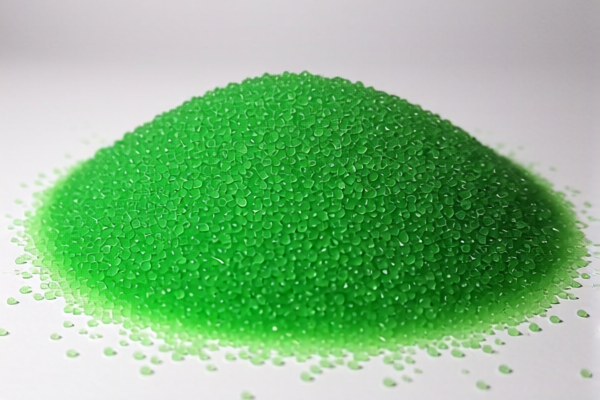
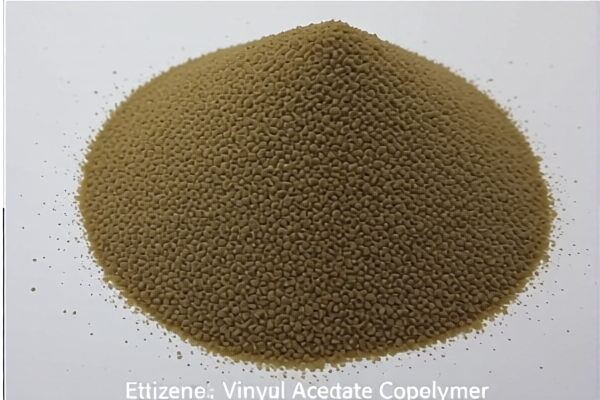
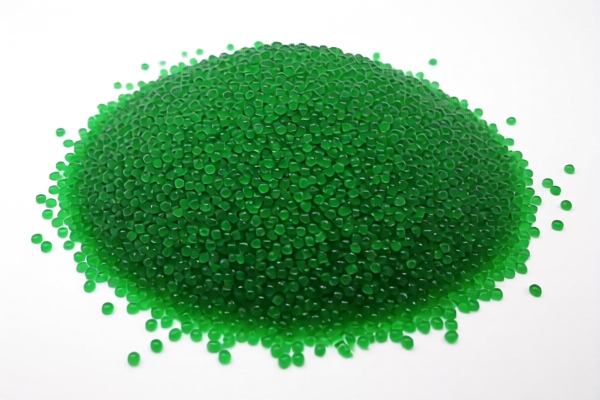
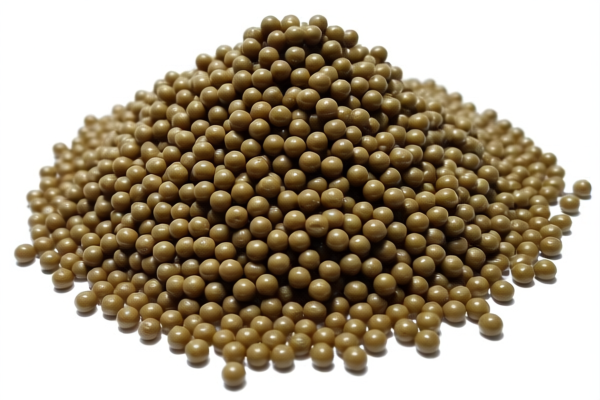
AI Analysis
🧪 Ethylene Vinyl Acetate (EVA) Emulsion Resin | Primary Forms
🌐 HS Code Reference & Customs Clearance Guide | 2026 Latest Tariff Breakdown | Strategic Clearance Strategy
📌 I. Product Definition & Classification: What is EVA Emulsion Resin?
Ethylene Vinyl Acetate (EVA) is a versatile copolymer made from ethylene and vinyl acetate. When described as "Emulsion Resin" in "Primary Forms" (raw pellets, powders, or granules not yet shaped into final articles), it falls under Chapter 39 of the HS Nomenclature.
The classification depends heavily on the Vinyl Acetate (VA) content and the specific manufacturing process, which dictates the base tariff rate and the applicability of specific US trade remedies.
⚠️ Key Distinction:
- If the product is solid resin (pellets/granules) → It is classified as a Plastic Material (Heading 3901 or 3905).
- If the product is already shaped (films, sheets, shoes) → It falls under different headings (e.g., 3920, 6402).
- This guide strictly covers the "Primary Form Resin" as per your input.
📦 II. HS Code Classification Details (2026 Latest Tariff Authority)
Based on the provided data, there are four specific HS Codes for EVA Resin. The choice depends on the Vinyl Acetate content (typically >20% vs. <20%) and the specific sub-heading definitions.
| HS Code | Product Description | VA Content Implication | Tax Rate Profile |
|---|---|---|---|
3905.91.50.00 |
Ethylene-vinyl acetate copolymers, in primary forms | High VA content (>20%) | 40.3% (High Burden) |
3905.29.00.00 |
Ethylene-vinyl acetate copolymers, in primary forms | Intermediate VA content | 39.0% (High Burden) |
3901.30.60.00 |
Ethylene-vinyl acetate copolymers, in primary forms | Low VA content (<20%) | 40.3% (High Burden) |
3901.30.20.00 |
Ethylene-vinyl acetate copolymers, in primary forms | Low VA content (<20%) | 35.0% (Lowest Burden) |
🔍 Critical Note:
- HS 3905 generally covers copolymers with Vinyl Acetate content > 20%.
- HS 3901 generally covers ethylene polymers with Vinyl Acetate content < 20% (often treated more like polyethylene variants).
- The difference between3901.30.60and3901.30.20is crucial for cost savings (5.3% difference in total tax).
💰 III. 2026 Latest Tariff Rate Breakdown (Including Surcharges)
✅ Applicable Country: United States (US)
✅ Origin: China (CN)
✅ Effective Date: 2025/2026 (Current Trade Environment)
All rates below include the Base Tariff, Section 301 Surtax, and Section 122 Tariff.
🎯 1. 3905.91.50.00 —— EVA Resin (High VA Content)
| Item | Detail |
|---|---|
| Base Tariff | 5.3% |
| Section 301 Surtax | +25.0% (Retaliatory Tariff) |
| Section 122 Tariff | +10.0% (Specific Trade Remedy) |
| Total Effective Rate | 40.3% |
| Calculation | CIF Value × 40.3% |
| De Minimis Exemption | ❌ NOT APPLICABLE (deny_de_minimis) |
| Legal Path | Section 301: 9903.01.25 → Section 122: 9903.01.24 → USITC: 3905.91.50.00 |
📌 Explanation:
- This code attracts the highest total tax burden among the options.
- The Section 122 tariff is a specific levy often applied to certain chemical imports.
- No de minimis exemption: Small shipments are not exempt from duties.
🎯 2. 3905.29.00.00 —— EVA Resin (Intermediate VA Content)
| Item | Detail |
|---|---|
| Base Tariff | 4.0% |
| Section 301 Surtax | +25.0% |
| Section 122 Tariff | +10.0% |
| Total Effective Rate | 39.0% |
| Calculation | CIF Value × 39.0% |
| De Minimis Exemption | ❌ NOT APPLICABLE |
| Legal Path | Section 301: 9903.01.25 → Section 122: 9903.01.24 → USITC: 3905.29.00.00 |
📌 Note:
- Slightly lower base tariff (4.0% vs 5.3%) results in a 1.3% total savings compared to3905.91.50.00.
- Still subject to full surcharges.
🎯 3. 3901.30.60.00 —— EVA Resin (Low VA Content, Variant A)
| Item | Detail |
|---|---|
| Base Tariff | 5.3% |
| Section 301 Surtax | +25.0% |
| Section 122 Tariff | +10.0% |
| Total Effective Rate | 40.3% |
| Calculation | CIF Value × 40.3% |
| De Minimis Exemption | ❌ NOT APPLICABLE |
| Legal Path | Section 301: 9903.01.25 → Section 122: 9903.01.24 → USITC: 3901.30.60.00 |
📌 Explanation:
- Despite being under Heading 3901, this specific sub-code carries the highest base tariff (5.3%), matching the high-tax group.
🎯 4. 3901.30.20.00 —— EVA Resin (Low VA Content, Variant B) 🏆 BEST VALUE
| Item | Detail |
|---|---|
| Base Tariff | 0.0% |
| Section 301 Surtax | +25.0% |
| Section 122 Tariff | +10.0% |
| Total Effective Rate | 35.0% |
| Calculation | CIF Value × 35.0% |
| De Minimis Exemption | ❌ NOT APPLICABLE |
| Legal Path | Section 301: 9903.01.25 → Section 122: 9903.01.24 → USITC: 3901.30.20.00 |
📌 Key Advantage:
- Zero Base Tariff!
- Total tax is 35.0%, which is 5.3% lower than the highest rate.
- Must ensure the product qualifies for this sub-code (usually specific VA content ranges).
🛠️ IV. Customs Clearance Practical Advice (Pitfall Avoidance)
✅ 1. Documentation Checklist (Non-Negotiable)
| Document | Required? | Notes |
|---|---|---|
| ✅ Certificate of Analysis (COA) | ✔️ | Must specify Vinyl Acetate (VA) Content % |
| ✅ Commercial Invoice | ✔️ | Clearly state "EVA Resin, Primary Form" |
| ✅ Packing List | ✔️ | Net/Gross weight, packaging type (bags/pallets) |
| ✅ MSDS (Material Safety Data Sheet) | ✔️ | Required for chemical handling & safety |
| ✅ Bill of Lading/Air Waybill | ✔️ | Standard shipping docs |
| ✅ Country of Origin Certificate | ✔️ | Critical for applying correct surtaxes |
⚠️ Warning:
- If the VA content is not specified, US Customs (CBP) may classify the goods under the highest duty rate (3905.91.50.00or3901.30.60.00) to protect revenue.
- Always declare the exact VA percentage in the shipment documentation.
✅ 2. Declaration Tips (Key Mantra)
🔥 "Specify VA%, Claim 3901.30.20, Save 5.3%, Avoid Penalties!"
| Scenario | Correct Declaration | Incorrect Declaration |
|---|---|---|
| EVA Resin, VA < 20% | 3901.30.20.00 (35.0%) |
3905.91.50.00 (40.3%) → Overpaid Tax! |
| EVA Resin, VA > 20% | 3905.29.00.00 or 3905.91.50.00 |
3901.30.20.00 → Misclassification Penalty! |
| Shaped EVA Films | 3920.62.00.00 (Different Heading) |
3901.xxxx → Wrong Chapter! |
✅ 3. Special Handling
| Situation | Recommendation |
|---|---|
| Mixed VA Content | Request separate batches from supplier. Mixing codes increases risk. |
| Supplier Claims "Generic EVA" | Demand a technical data sheet confirming VA %. Without it, assume worst-case tariff. |
| De Minimis (Section 321) | ❌ Not Available. Even small shipments (<$800) are subject to duties if classified as Chinese-origin chemicals under Section 301/122. |
🌍 V. Global Market Comparison (2026)
| Market | Recommended HS Code | Base Duty | Total Effective Duty (China) | Notes |
|---|---|---|---|---|
| 🇺🇸 USA | 3901.30.20.00 |
0% | 35.0% | Includes 301 (25%) + 122 (10%) |
| 🇺🇸 USA | 3905.91.50.00 |
5.3% | 40.3% | Highest burden |
| 🇨🇳 China | 3901.30.20.00 |
5.5% | ~5.5% | Low import duty, no 301/122 |
| 🇪🇺 EU | 3901.30.20 |
6.5% | 6.5% | No additional surtaxes |
📌 Conclusion:
- The US market is the most expensive due to layered tariffs (Base + 301 + 122).
- Strategic Classification under3901.30.20.00can save 5.3% on the CIF value.
- Ensure your supplier provides accurate VA content data to justify the lower-code classification.
📌 VI. Common Errors & Pitfalls (Lessons Learned)
❌ Error 1: Declaring as "Plastic Raw Material" without VA content
👉 Consequence: CBP assesses default high duty (40.3%) + potential audit.
❌ Error 2: Using 3905 codes for low-VA EVA
👉 Consequence: Overpayment of 5.3% on every shipment.
❌ Error 3: Assuming de minimis exemption applies
👉 Consequence: Seizure or forced payment of duties + storage fees for shipments < $800.
✅ Correct Action:
"Ethylene Vinyl Acetate Copolymer Resin, Primary Form, VA Content: 15%, Grade: [Grade Name], Model: [Model]"
🎯 VII. Conclusion: Precision Classification Saves Money
🎯 Remember the Mantra:
🔹 "Low VA? Go 3901.30.20 (35%)! High VA? Go 3905 (39-40%)!"
🔹 "Always declare VA%, never assume de minimis, always pay the 35% minimum!"
📌 Pro Tip:
If your EVA resin has a VA content < 20%, insist on using HS Code 3901.30.20.00. It offers the lowest total tariff (35%). For VA > 20%, the cost is higher (~40%). Verify with your supplier before shipment!
📣 Immediate Action:
📞 Contact your freight forwarder to validate the HS Code
3901.30.20.00against the specific VA %.
🚀 Optimize your supply chain, reduce duty costs by 5.3%, and clear customs smoothly!
✨ Professional clearance starts with accurate classification!
💼 Every percentage point saved is pure profit!
Customer Reviews
About HS Code Classification
The Harmonized System (HS) is an internationally standardized nomenclature developed by the World Customs Organization (WCO) to classify traded products. Over 200 countries use the HS system as the basis for customs tariffs, trade statistics, and import/export regulations.
Each HS code follows a hierarchical structure:
- Chapter (2 digits) — Broad category of goods (e.g., Chapter 84: Machinery and Mechanical Appliances)
- Heading (4 digits) — More specific grouping within the chapter
- Subheading (6 digits) — Internationally standardized breakdown, used by all WCO member countries
- National subdivisions (8-10 digits) — Country-specific extensions for further classification, such as US HTSUS 10-digit codes
Correct HS code classification is essential for smooth customs clearance, accurate duty payment, and compliance with trade regulations. Misclassification can lead to customs delays, overpayment of duties, or penalties.
When importing from CN to US, the applicable tariff rates may include:
- Most-Favored-Nation (MFN) rate — The standard duty rate applied to WTO members
- General rate — Applied to countries without trade agreements
- Trade remedy duties — Additional tariffs such as Section 301 (anti-dumping), Section 232 (national security), or countervailing duties
The information provided on this page is for reference purposes only. For official classification, please consult with your local customs authority or a licensed customs broker.