Ethylene Vinyl Acetate Copolymer Polymer Material
CN → US| HS Code | Tariff Rate | Origin | Destination | Doc |
|---|---|---|---|---|
| 3901306000 | 40.3% | CN | US | Official Doc |
| 3926904590 | 13.5% | CN | US | Official Doc |
| 3920991000 | 41.0% | CN | US | Official Doc |
| 3901302000 | 35.0% | CN | US | Official Doc |
| 3901306000 | 40.3% | CN | US | Official Doc |
Product Images
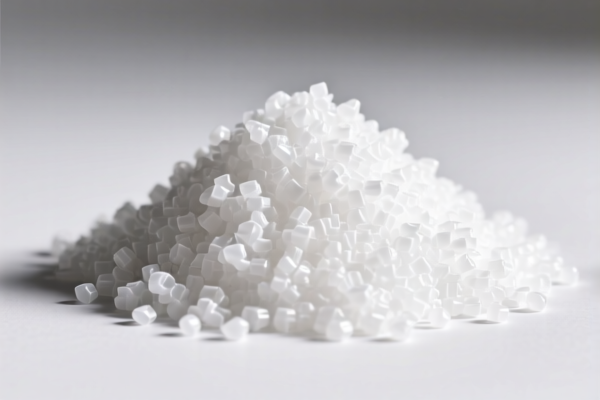
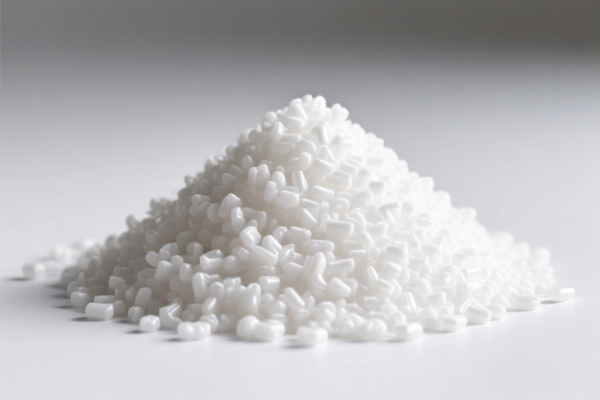
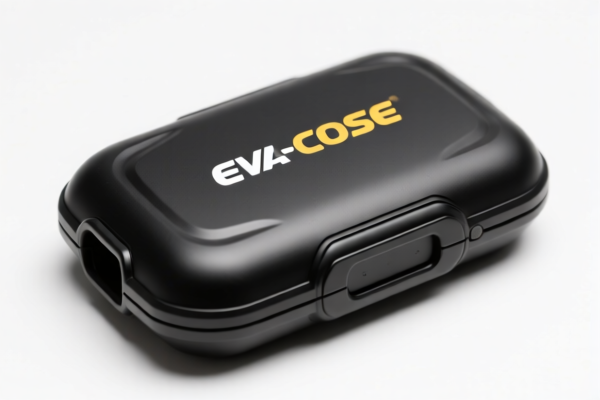
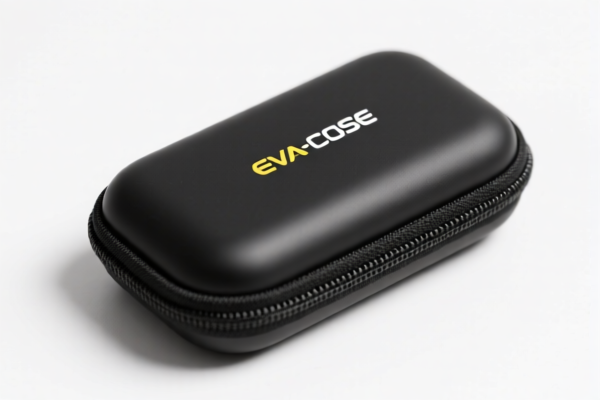
AI Analysis
🧪 Ethylene Vinyl Acetate (EVA) Copolymer Material
🌐 HS Code Reference & Clearance Guide | 2026 Latest Tariff Analysis | Strategic Clearance Strategy
📌 I. Product Definition & Classification: Do You Truly Understand "EVA"?
Ethylene Vinyl Acetate (EVA) is a versatile copolymer widely used in footwear, packaging, construction, and automotive industries. In international trade, its classification depends entirely on its physical form (primary shape vs. processed product) and functional attributes (e.g., UV resistance). Misclassification can lead to significant tariff discrepancies (from 13.5% to 41.0%).
⚠️ Key Distinction Points:
- Primary Shapes (Granules, Powders, Liquid): Raw polymer material → Generally lower base duty, but subject to heavy Section 301 tariffs. - Finished Articles (Plastic Articles): Processed into specific shapes not elsewhere specified → Lower base duty, but still subject to additional tariffs. - Specific Forms (Films, Sheets, UV-Modified): Specific functional or morphological attributes → Often attract the highest combined duties due to specific material classifications.
📦 II. HS Code Classification Details (2026 Latest Tariff Authority Mapping)
Based on the provided data, here are the four specific classifications for EVA materials:
| HS Code | Product Description & Logic | Application Scenario | Form/Attribute |
|---|---|---|---|
3901.30.20.00 |
EVA Primary Form Polymer: Matches composition of terpolymer; raw chemical form. | Granules, pellets, powder, liquid resins for manufacturing. | ✅ Primary Shape |
3926.90.45.90 |
Other Plastic Articles: EVA used as a finished plastic article, falling under "Other." | Finished plastic components, non-specified molded items. | ✅ Finished Article |
3920.99.10.00 |
EVA Film or Sheet: Matches attribute of other plastic materials in film/sheet form. | Transparent films, protective sheets, insulation layers. | ✅ Film/Sheet |
3901.30.60.00 |
EVA UV-Resistant Material: Matches core material and functional attributes (UV protection). | Outdoor furniture, solar panel backsheets, UV-stabilized components. | ✅ Functional/Modified |
🔍 Critical Note:
-3901.30.20.00is for raw materials (primary shape).
-3901.30.60.00is for modified materials (specifically UV-resistant), which incurs a higher base tariff (5.3%) than raw primary shapes.
-3926.90.45.90is a "basket" category for finished plastic articles that don't fit more specific headers, resulting in the lowest base tariff (3.5%).
-3920.99.10.00is for films/sheets, carrying a high base tariff (6.0%).
💰 III. 2026 Latest Tariff Rate Details (Including Surcharge, Policy Add-ons)
✅ Applicable Country: United States (US)
✅ Country of Origin: China (CN)
✅ Effective Time: 2025/2026 (Post-Trade War Era)
🎯 1. 3901.30.20.00 —— EVA Primary Form Polymer (Raw Material)
| Item | Content |
|---|---|
| Base Tariff | 0.0% |
| Section 301 Surcharge | +25.0% |
| Section 122 Tariff | +10.0% |
| Total Effective Rate | 35.0% |
| Tax Calculation | CIF Value × 35.0% |
| De Minimis Exemption | ❌ Not Applicable |
| Legal Basis Path | USITC:3901.30.20.00 → SECTION301:25% → SECTION122:10% |
📌 Explanation:
- 0% Base Tariff: Reflects the standard MFN rate for primary shape polymers.
- 25% Section 301: The core penalty tariff on Chinese industrial goods.
- 10% Section 122: Additional national security or emergency tariffs.
- Total 35%: A significant cost for raw material importers. Must be factored into BOM (Bill of Materials) costs.
🎯 2. 3926.90.45.90 —— Other Plastic Articles (Finished Goods)
| Item | Content |
|---|---|
| Base Tariff | 3.5% |
| Section 301 Surcharge | 0.0% |
| Section 122 Tariff | +10.0% |
| Total Effective Rate | 13.5% |
| Tax Calculation | CIF Value × 13.5% |
| De Minimis Exemption | ❌ Not Applicable |
| Legal Basis Path | USITC:3926.90.45.90 → SECTION122:10% (Note: Section 301 appears 0% in provided data) |
📌 Explanation:
- Lowest Total Tax (13.5%): This is the most tariff-efficient classification for EVA if the product qualifies as a "finished article."
- Why 0% Section 301?: In this specific dataset, Section 301 is listed as 0.0%. This may reflect specific exclusions or a different tariff list version for "Other Plastic Articles."
- ⚠️ Risk: High scrutiny by Customs. Must prove it is not a raw material or a specific article in a higher-tariff chapter.
🎯 3. 3920.99.10.00 —— EVA Film or Sheet
| Item | Content |
|---|---|
| Base Tariff | 6.0% |
| Section 301 Surcharge | +25.0% |
| Section 122 Tariff | +10.0% |
| Total Effective Rate | 41.0% |
| Tax Calculation | CIF Value × 41.0% |
| De Minimis Exemption | ❌ Not Applicable |
| Legal Basis Path | USITC:3920.99.10.00 → SECTION301:25% → SECTION122:10% |
📌 Explanation:
- Highest Base Tariff (6.0%): Films and sheets often carry higher base duties.
- Total 41.0%: The highest tax burden among the options.
- Strategy Avoidance: Importers should avoid this HS code unless the product is strictly a film/sheet and cannot be classified as a "finished article" or "primary shape."
🎯 4. 3901.30.60.00 —— EVA UV-Resistant Material
| Item | Content |
|---|---|
| Base Tariff | 5.3% |
| Section 301 Surcharge | +25.0% |
| Section 122 Tariff | +10.0% |
| Total Effective Rate | 40.3% |
| Tax Calculation | CIF Value × 40.3% |
| De Minimis Exemption | ❌ Not Applicable |
| Legal Basis Path | USITC:3901.30.60.00 → SECTION301:25% → SECTION122:10% |
📌 Explanation:
- Functional Modification: The UV-resistant property changes the classification from "Primary Shape" to a specific modified polymer.
- Base Tariff Increase: Jump from 0.0% (raw) to 5.3% (modified).
- Total 40.3%: Slightly lower than films (41.0%) but still very high. Requires proof of UV stability (e.g., test reports).
🛠️ IV. Clearance Operational Suggestions (Practical Pitfall Avoidance Guide)
✅ 1. Preparation Checklist (Non-Negotiable)
| Document | Required | Explanation |
|---|---|---|
| ✅ Technical Data Sheet (TDS) | ✔️ | Must specify: Vinyl Acetate (VA) content %, Physical Form (Granule/Film/Article), and UV Stabilization status. |
| ✅ Structure Diagram / Photo | ✔️ | Clearly shows if it’s a raw granule, a rolled film, or a finished molded part. |
| ✅ Commercial Invoice | ✔️ | Must clearly state: "Ethylene Vinyl Acetate Copolymer" and precise form (e.g., "Granules," "Film"). Avoid vague terms like "Plastic Material." |
| ✅ Certificate of Origin (CO) | ✔️ | Essential for determining if Section 301/122 applies (China origin triggers high tariffs). |
| ✅ Test Reports (if claimed) | ✔️ | For 3901.30.60.00, provide UV resistance test reports to justify the classification. |
✅ 2. Classification Strategy (Key Mantra)
🔥 "Raw Shape 0% Base, Film High, Finished Low, UV Modified High Base!"
| Scenario | Correct HS Code | Tariff Rate | Strategy |
|---|---|---|---|
| Raw Granules/Powder | 3901.30.20.00 |
35.0% | Standard for manufacturing inputs. |
| Finished Plastic Parts | 3926.90.45.90 |
13.5% | Best Option! If possible, classify as finished article to save 21.5%. |
| Films/Sheets | 3920.99.10.00 |
41.0% | Avoid if possible. High tax. |
| UV-Resistant Material | 3901.30.60.00 |
40.3% | Only use if product is explicitly marketed as UV-stable. |
✅ 3. Special Handling Tips
| Situation | Handling Advice |
|---|---|
| Mixed Shipment | Do not mix granules and finished articles in one HS Code declaration. Separate lines are required. |
| VA Content Change | If VA content changes significantly, the polymer class might change. Consult a specialist. |
| "Finished Article" Argument | To use 3926.90.45.90, the product must be in a finished state (e.g., molded, cut to size, ready for use). Raw sheets may fall under 3920. |
| UV Claim | If you claim 3901.30.60.00, be ready to prove UV resistance. If not proven, Customs may reclassify to raw material (3901.30.20.00), leading to disputes. |
🌍 V. Global Market Clearance Comparison (2026 Update)
| Country/Region | Recommended HS Code | Tariff (China Origin) | Certification Required | Notes |
|---|---|---|---|---|
| 🇺🇸 USA | 3926.90.45.90 |
13.5% | No specific CE/FCC | Lowest duty in US if classified as finished article. |
| 🇺🇸 USA | 3901.30.20.00 |
35.0% | No specific CE/FCC | Standard for raw materials. |
| 🇪🇺 EU | 3901.30.00 |
~6.5% | REACH Registration | EU does not have Section 301/122. |
| 🇨🇳 China | 3901.30.20.00 |
0% | No additional | Import duty is low, but VAT applies. |
📌 Conclusion:
- USA is the most punitive market for EVA due to Section 301 and 122 tariffs.
- Optimization Opportunity: If your product is a finished plastic item (not raw, not film), strive for3926.90.45.90to reduce duty from ~35-41% down to 13.5%.
- Supply Chain Impact: Consider sourcing from non-China origins (e.g., Vietnam, Thailand) to avoid Section 301 tariffs if possible.
📌 VI. Common Errors & Pitfall Guide (Blood & Tears Lessons)
❌ Error 1: Declaring "Finished EVA Parts" as "Primary Shape Polymer" (3901.30.20.00)
👉 Consequence: You pay 35% instead of 13.5%. Overpayment of 21.5%!
❌ Error 2: Declaring "UV-Resistant Sheets" as "Finished Articles" (3926.90.45.90)
👉 Consequence: Customs reclassifies to Film (3920.99.10.00) → 41% tax + penalties. Underpayment leads to audits.
❌ Error 3: Vague Description: "Plastic Material"
👉 Consequence: Customs assigns worst-case scenario tariff. Delays and fines.
❌ Error 4: Ignoring Section 122 Tariff
👉 Consequence: Budgeting for only Section 301 (25%) but forgetting the extra 10%. Cash flow crisis.
✅ Correct Declaration Example:
"Ethylene Vinyl Acetate Copolymer, Finished Plastic Article, Non-UV Stabilized, Model XYZ, Made in China" →
3926.90.45.90(13.5%)
🎯 VII. Conclusion: Smart Classification, Cost Savings!
🎯 Remember the Mantra:
🔹 "Raw is 35%, Film is 41%, Finished is 13.5%!"
🔹 "Classify as Finished Article to Save 20%+!"
🔹 "Don't Forget Section 122 (10%)!"
📌 Pro Tip:
If your product can be reasonably classified as a finished plastic article (3926.90.45.90), always choose this over raw or film classifications to maximize savings. However, ensure the product truly meets the definition of a "finished article" (i.e., it is not just a semi-finished sheet or granule).
📣 Immediate Action:
📞 Consult a licensed customs broker for a Pre-Ruling on your specific product form.
📄 Ensure your Technical Data Sheet explicitly states the physical form (Granule vs. Article vs. Film).
🚀 Optimize your HS Code to save thousands in duties!
✨ Professional clearance starts with precise classification!
💼 Your bottom line depends on this 10-digit code!
Customer Reviews
About HS Code Classification
The Harmonized System (HS) is an internationally standardized nomenclature developed by the World Customs Organization (WCO) to classify traded products. Over 200 countries use the HS system as the basis for customs tariffs, trade statistics, and import/export regulations.
Each HS code follows a hierarchical structure:
- Chapter (2 digits) — Broad category of goods (e.g., Chapter 84: Machinery and Mechanical Appliances)
- Heading (4 digits) — More specific grouping within the chapter
- Subheading (6 digits) — Internationally standardized breakdown, used by all WCO member countries
- National subdivisions (8-10 digits) — Country-specific extensions for further classification, such as US HTSUS 10-digit codes
Correct HS code classification is essential for smooth customs clearance, accurate duty payment, and compliance with trade regulations. Misclassification can lead to customs delays, overpayment of duties, or penalties.
When importing from CN to US, the applicable tariff rates may include:
- Most-Favored-Nation (MFN) rate — The standard duty rate applied to WTO members
- General rate — Applied to countries without trade agreements
- Trade remedy duties — Additional tariffs such as Section 301 (anti-dumping), Section 232 (national security), or countervailing duties
The information provided on this page is for reference purposes only. For official classification, please consult with your local customs authority or a licensed customs broker.