Eucalyptus Bark Stripped Wood
CN → US| HS Code | Tariff Rate | Origin | Destination | Doc |
|---|---|---|---|---|
| 4401490090 | 35.0% | CN | US | Official Doc |
| 4401394290 | 35.0% | CN | US | Official Doc |
| 4407290296 | 35.0% | CN | US | Official Doc |
| 4403980095 | 35.0% | CN | US | Official Doc |
| 4403980023 | 10.0% | CN | US | Official Doc |
Product Images
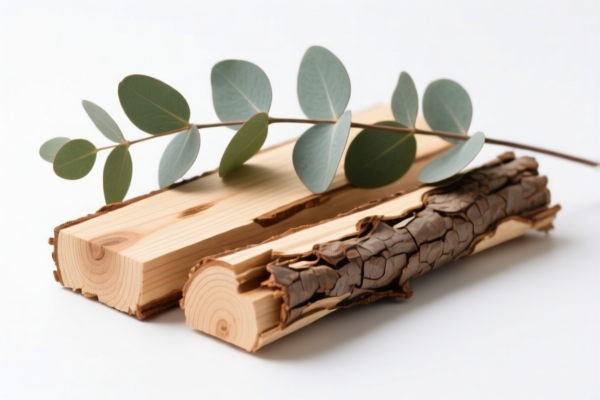
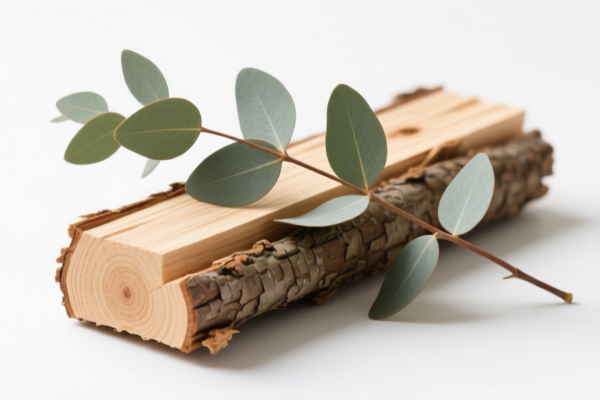
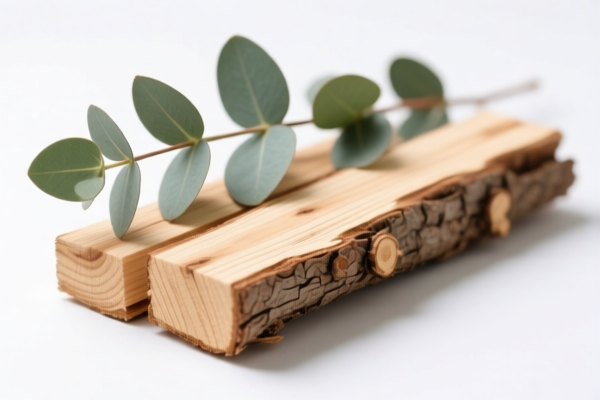
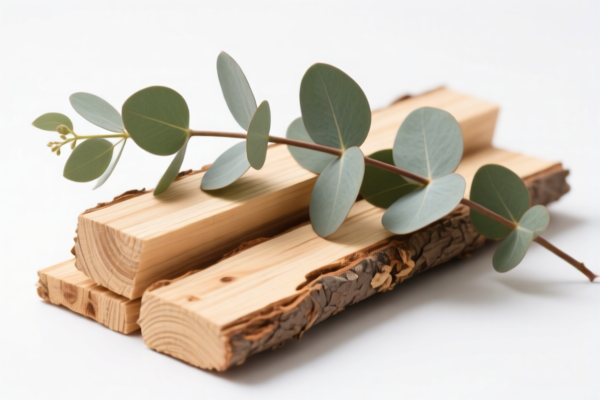
AI Analysis
🌿 Eucalyptus Bark Stripped Wood (剥皮桉木)
🌐 HS Code Reference & Customs Clearance Guide | 2026 Latest Tariff Analysis | Professional-Level Clearance Strategy
📌 I. Product Definition & Classification: Do You Really Understand "Stripped Eucalyptus Wood"?
Eucalyptus bark stripped wood is a versatile raw material primarily derived from eucalyptus trees. In international trade, its classification depends heavily on its processing state and intended use. It is generally categorized into two main directions:
1. Wood Fuel (Biomass Fuel):
If the wood is intended for combustion as a heating source, it falls under the chapter of "Wood in the rough or roughly squared, whether or not stripped of bark or sapwood."
2. Wood Waste/Residues:
If the wood is in the form of chips, shavings, or waste material resulting from processing, it is classified as "Wood waste and scrap."
⚠️ Key Distinction Point:
- If the wood is processed specifically for burning (e.g., logs, branches, or specific fuel-grade wood) → Falls under Chapter 4401 (Wood Fuel).
- If the wood is by-product, waste, or chips → Falls under 4401.39 categories.
- If the wood is sawn or worked beyond basic fuel preparation but not further processed → Could fall under 4403 (Wood prepared for flooring, furniture, etc., though less likely for raw stripped wood unless specified).
- Note: The data provided highlights a specific ambiguity where "stripped eucalyptus wood" might also be interpreted under tropical wood categories (4407) or specific pulpwood definitions (4403.98.00.23) depending on exact dimensions and processing precision.
📦 II. HS Code Classification Details (2026 Latest Tariff Authority对照)
Based on the provided data, here are the four potential HS Codes for Eucalyptus Bark Stripped Wood, along with their tax implications.
| HS Code | Product Description | Applicable Scenario | Tax Rate (Total) |
|---|---|---|---|
4401.49.00.90 |
Wood Fuel: Stripped eucalyptus wood classified as wood fuel. Fits the definition of wood fuel in Chapter 4401. | Logs, branches, or wood chips intended for burning/heating. | 35.0% |
4401.39.42.90 |
Wood Waste/Residues: Stripped eucalyptus wood classified as wood waste/chips. Fits the category of wood waste/scrap in 4401.39.42.90. | Industrial by-products, sawdust, wood chips, or waste material. | 35.0% |
4407.29.02.96 |
Tropical Wood: Stripped eucalyptus wood classified as a tropical wood category. Fits the "other tropical/wood" catch-all logic. | Sawn wood or veneer sheets (if processed beyond fuel grade), classified under tropical wood provisions. | 35.0% |
4403.98.00.95 |
Roughly Squared Wood: Stripped eucalyptus wood in a rough-sawn state. Fits the shape range covered by this code. | Wood that has been roughly squared or prepared for further processing but not fully finished. | 35.0% |
4403.98.00.23 |
Eucalyptus Pulpwood/Specific Category: Stripped eucalyptus wood. Specifically fits the material and category definition for eucalyptus under this subheading. | High-grade eucalyptus logs or sawn timber specifically designated for pulp or specific industrial use. | 10.0% |
🔍 Critical Reminder:
- Codes4401.49.00.90,4401.39.42.90,4407.29.02.96, and4403.98.00.95all carry a 35% total tax rate. This is due to the combination of base tariffs and additional punitive tariffs.
- Code4403.98.00.23is the only option with a lower 10% total tax rate. This makes it highly attractive if the product qualifies under this specific "eucalyptus pulpwood" definition.
- Misclassification Risk: Declaring fuel wood as "tropical wood" or vice versa can lead to significant duty underpayments or overpayments, triggering customs audits.
💰 III. 2026 Latest Tariff Rate Details (Including Additional Taxes & Policy Surcharges)
✅ Applicable Country: United States (US)
✅ Origin: China (CN) (Implied by the "122条款" and "25% additional tariff" which are typical US-China trade war measures)
✅ Effective Time: 2025/2026 (Current Policy)
🎯 1. 4401.49.00.90 & 4401.39.42.90 & 4407.29.02.96 & 4403.98.00.95 —— High-Tax Categories
| Item | Content |
|---|---|
| Base Tariff | 0% (ad valorem) |
| Section 301 Additional Tariff | +25% (USITC Footnote / 301 Tariff) |
| Section 122 Tariff | +10% (Specific trade policy tariff) |
| Total Tariff Rate | 35% |
| Tax Calculation | CIF Value × 35% |
| De Minimis Exemption | ❌ Not Applicable (Most wood products are excluded from de minimis relief) |
| Legal Basis Path | USITC:4401.49.00.90 → 301_Tariff:25% → 122_Tariff:10% |
📌 Explanation:
- The 25% additional tariff is part of the US-China trade war measures (Section 301).
- The 10% "122 Clause" tariff refers to specific retaliatory or protective measures.
- Total 35% is a very high duty rate. Importers must carefully calculate cost structures.
- Note: These codes apply to 4 out of 5 options in the data. This means most interpretations of stripped eucalyptus wood will face the 35% rate.
🎯 2. 4403.98.00.23 —— The Low-Tax Eucalyptus Specific Category
| Item | Content |
|---|---|
| Base Tariff | 0% |
| Section 301 Additional Tariff | 0% (Exempt or not applied to this specific subheading) |
| Section 122 Tariff | +10% |
| Total Tariff Rate | 10% |
| Tax Calculation | CIF Value × 10% |
| De Minimis Exemption | ❌ Not Applicable |
| Legal Basis Path | USITC:4403.98.00.23 → 122_Tariff:10% |
📌 Note:
- This is the most cost-effective classification.
- It requires proving that the wood falls under the specific "eucalyptus pulpwood" or similar definition within 4403.98.00.23.
- Key Advantage: Saves 25% in taxes compared to other classifications.
🛠️ IV. Customs Clearance Practical Advice (Real-World Pitfall Avoidance)
✅ 1. Document Checklist (Essential)
| Document | Required | Description |
|---|---|---|
| ✅ Product Specification Sheet | ✔️ | Must detail wood type (Eucalyptus), processing method (stripped bark), dimensions, and intended use (fuel, waste, or raw material). |
| ✅ Processing Flowchart | ✔️ | Shows how the bark is removed and how the wood is cut. Critical for distinguishing between "fuel," "waste," and "sawn wood." |
| ✅ Photos of Product & Packaging | ✔️ | Clear images showing stripped bark, wood logs/chips, and labels. |
| ✅ Commercial Invoice | ✔️ | Must accurately describe the goods (e.g., "Stripped Eucalyptus Logs for Fuel" vs. "Eucalyptus Waste Chips"). |
| ✅ Packing List | ✔️ | Detail weight, volume, and container type. |
| ✅ Certificate of Origin (CO) | ✔️ | Required to prove Chinese origin (subject to tariffs). |
| ✅ Third-Party Inspection Report | ✔️ | Optional but recommended: Verifies wood species and moisture content. |
✅ 2. Declaration Tips (Key Mantras)
🔥 "Define Use Clearly, Choose Code Wisely, 'Eucalyptus Pulpwood' Saves 25%!"
| Situation | Correct Declaration | Wrong Action |
|---|---|---|
| Intended for Burning | 4401.49.00.90 or 4401.39.42.90 |
Misdeclare as "Tropical Wood" to avoid fuel tariffs → Audit Risk |
| Industrial Waste/Chips | 4401.39.42.90 |
Declare as "Logs" → Higher Tariff |
| High-Grade Stripped Logs | 4403.98.00.23 (If applicable) |
Miss this code → Pay 35% instead of 10% |
| Roughly Squared Wood | 4403.98.00.95 |
Declare as "Finished Lumber" → Wrong Code |
✅ 3. Special Handling
| Situation | Recommendation |
|---|---|
| Mixed Shipments | Separate "fuel grade" from "pulpwood grade" in documentation to allow for different classifications if possible. |
| Wood Pests | Ensure wood is fumigated or heat-treated. Provide Phytosanitary Certificate to avoid quarantine delays. |
| Proving "Eucalyptus" Species | Provide lab tests (DNA or microscopic analysis) if customs questions the species, as 4403.98.00.23 is species-specific. |
🌍 V. Global Market Comparison (2026 Latest)
| Country/Region | Recommended HS Code | Tariff (CN Origin) | Certification | Remarks |
|---|---|---|---|---|
| 🇺🇸 USA | 4403.98.00.23 |
10% | Phytosanitary Cert | Best Option. Other codes face 35%. |
| 🇺🇸 USA | 4401.49.00.90 |
35% | Phytosanitary Cert | High cost, use only if fuel/waste. |
| 🇨🇳 China | 4403.98.00.23 |
Low (Import Duty) | None | Domestic trade varies. |
| 🇪🇺 EU | 4401.10 (Fuel) |
0% - 5% | FLEGT/Legal Harvest | EU has strict wood legality rules. |
| 🇯🇵 Japan | 4401.10 |
Low | ISPM 15 | Strict on bark removal and pests. |
📌 Conclusion:
- USA is the most tariff-sensitive market for this product due to Section 301 and 122 tariffs.
- Striving for4403.98.00.23is critical to save 25% in duties.
- Documentation must be precise to justify the 10% rate.
📌 VI. Common Errors & Pitfall Guide (Blood & Tears Lessons)
❌ Error 1: Declaring "Stripped Eucalyptus Wood" as 4407 (Sawn Wood) without proper processing.
👉 Consequence: Still 35% tax, but higher risk of being flagged for incorrect description.
❌ Error 2: Not providing a Phytosanitary Certificate.
👉 Consequence: Goods held in quarantine, destroyed, or returned due to pest risk (e.g., termites, borers).
❌ Error 3: Using "Eucalyptus Wood" generally, without specifying "Stripped" or "Fuel/Pulp".
👉 Consequence: Customs may choose the highest applicable tariff or delay clearance for further classification.
❌ Error 4: Ignoring Section 122 Tariff in cost calculations.
👉 Consequence: Underpricing goods, leading to unexpected 10% surcharge at border.
✅ Correct Practice:
"Eucalyptus Logs, Bark Removed, Moisture Content <20%, For Pulp/Paper Manufacturing. HS Code: 4403.98.00.23. Phytosanitary Certificate Attached."
🎯 VII. Conclusion: Professional Declaration, Time & Cost Savings!
🎯 Remember the Mantra:
🔹 "Fuel/Waste = 35% | Pulpwood/Specific Eucalyptus = 10% | Choose Wisely!"
🔹 "Documentation is Key: Species, Processing, and Use Must Match HS Code."
🔹 "Phytosanitary Cert is Non-Negotiable: Avoid Quarantine Delays."
📌 Pro Tip:
If your eucalyptus wood can be legally classified as
4403.98.00.23, make every effort to do so. The 25% tax saving is substantial.
Apply for a Binding Tariff Information (BTI) or Advance Ruling with US Customs (CBP) if the classification is ambiguous.
📣 Immediate Action:
📞 Contact a Licensed Customs Broker
📄 Prepare Product Specs & Phytosanitary Cert
🚀 Strive for the 10% Tariff Code (4403.98.00.23)Let your Eucalyptus Wood Pass Customs Smoothly, Efficiently, and Profitably!
✨ Professional Clearance Starts with Accurate Classification!
💼 Every Dollar Saved in Duties is Pure Profit!
Customer Reviews
About HS Code Classification
The Harmonized System (HS) is an internationally standardized nomenclature developed by the World Customs Organization (WCO) to classify traded products. Over 200 countries use the HS system as the basis for customs tariffs, trade statistics, and import/export regulations.
Each HS code follows a hierarchical structure:
- Chapter (2 digits) — Broad category of goods (e.g., Chapter 84: Machinery and Mechanical Appliances)
- Heading (4 digits) — More specific grouping within the chapter
- Subheading (6 digits) — Internationally standardized breakdown, used by all WCO member countries
- National subdivisions (8-10 digits) — Country-specific extensions for further classification, such as US HTSUS 10-digit codes
Correct HS code classification is essential for smooth customs clearance, accurate duty payment, and compliance with trade regulations. Misclassification can lead to customs delays, overpayment of duties, or penalties.
When importing from CN to US, the applicable tariff rates may include:
- Most-Favored-Nation (MFN) rate — The standard duty rate applied to WTO members
- General rate — Applied to countries without trade agreements
- Trade remedy duties — Additional tariffs such as Section 301 (anti-dumping), Section 232 (national security), or countervailing duties
The information provided on this page is for reference purposes only. For official classification, please consult with your local customs authority or a licensed customs broker.