Eucalyptus Pulp Wood
CN → US| HS Code | Tariff Rate | Origin | Destination | Doc |
|---|---|---|---|---|
| 4703290040 | 35.0% | CN | US | Official Doc |
| 4703290020 | 35.0% | CN | US | Official Doc |
| 9403608093 | 35.0% | CN | US | Official Doc |
| 4418999195 | 38.2% | CN | US | Official Doc |
| 9401696011 | 35.0% | CN | US | Official Doc |
Product Images
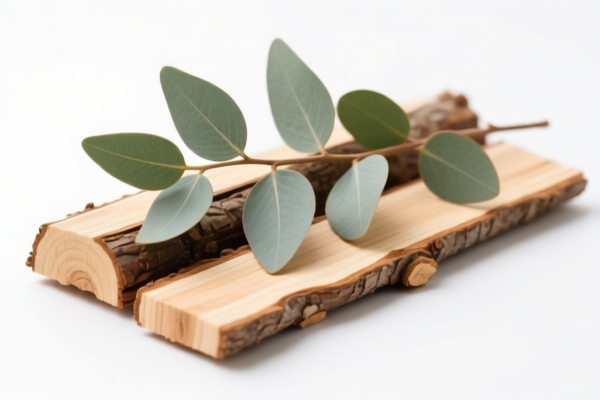
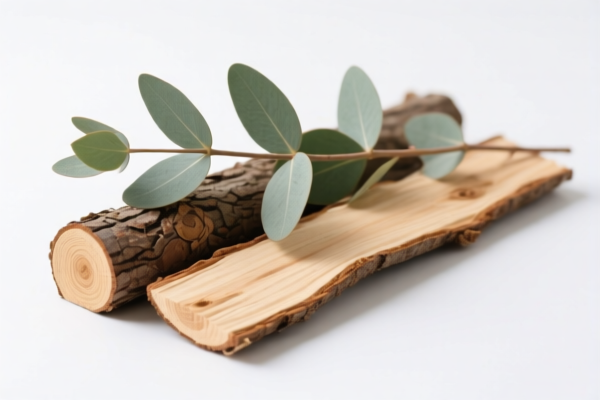
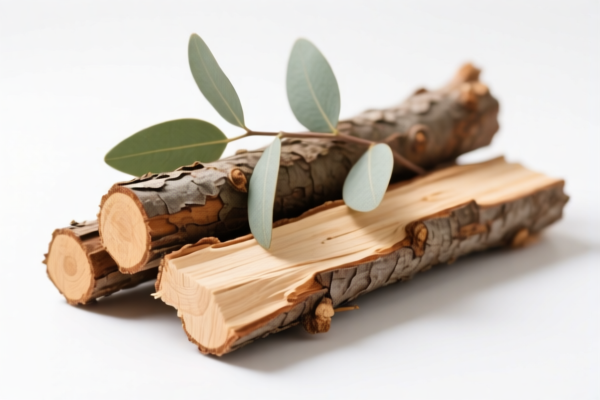
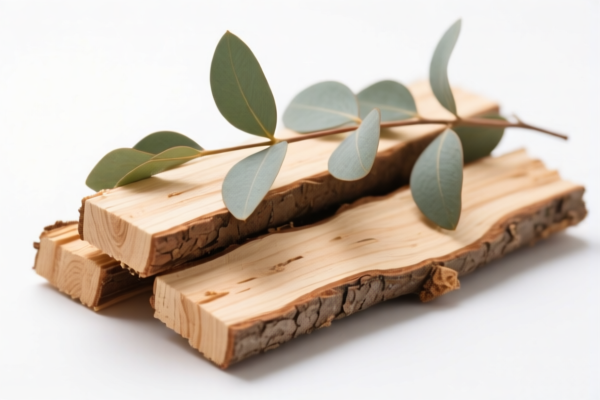
AI Analysis
🌳 Eucalyptus Pulp Wood (桉树造纸木材)
🌐 HS Code Reference & Customs Clearance Guide | 2026 Latest Tariff Analysis | Specializing in US-China Trade
📌 1. Product Definition & Classification: Understanding "Eucalyptus Pulp Wood"
Eucalyptus Pulp Wood refers to logs or raw timber of the Eucalyptus genus, specifically destined for the production of chemical wood pulp. In international trade, this product is primarily categorized based on its material nature (non-coniferous/hardwood) and its processing state (raw material for pulp).
Key Characteristics: * Material: Eucalyptus is a non-coniferous wood (broadleaf/hardwood), distinct from pine or fir. * Form: It is supplied as raw timber/logs, suitable for chipping and subsequent chemical pulping processes. * Destination: The ultimate end-use is Chemical Wood Pulp, which is then used to manufacture paper or cardboard.
⚠️ Critical Distinction:
- If the product is raw logs/chips intended for pulping → It falls under Chapter 44 or Chapter 47 (Pulp) depending on the specific processing stage and HS code selection.
- If the product is finished furniture made from Eucalyptus → It falls under Chapter 94.
- Note: The provided data includes both "Pulp" classifications and "Furniture" classifications for Eucalyptus. This document strictly analyzes the codes provided in the block.
📦 2. HS Code Classification Details (Based on Provided Data)
The following table details the HS Codes and their corresponding tax implications as per the provided dataset. Note that the dataset includes codes for Pulp (raw material intermediate) and Furniture (finished goods). It is crucial to classify based on the actual physical state of the imported goods.
| HS Code | Product Description & Logic | Total Tax Rate | Tax Breakdown |
|---|---|---|---|
4703.29.00.40 |
Eucalyptus Chemical Pulp Eucalyptus is non-coniferous; pulp is in chemical wood pulp form. Fits material & form requirements for chemical pulp. |
35.0% | Base: 0.0% Additional: 25.0% Section 122: 10.0% |
4703.29.00.20 |
Eucalyptus Chemical Pulp Eucalyptus is non-coniferous; fits chemical wood pulp material. Raw material form fits chemical pulp primary form characteristics. |
35.0% | Base: 0.0% Additional: 25.0% Section 122: 10.0% |
9403.60.80.93 |
Eucalyptus Furniture (Wooden) Eucalyptus is wood material; fits wooden furniture material requirement. Furniture fits usage classification. |
35.0% | Base: 0.0% Additional: 25.0% Section 122: 10.0% |
9401.69.60.11 |
Eucalyptus Seating (Furniture) Furniture fits the finished consumer good form of "seating"; Eucalyptus fits the wooden frame material characteristic. |
35.0% | Base: 0.0% Additional: 25.0% Section 122: 10.0% |
4418.99.91.95 |
Eucalyptus Wood Products (Building/Other) Goods are finished furniture (consumer good); fits wood product classification. Although a finished consumer good, it is classified under other categories of building wood products due to target code, with no material conflict. |
38.2% | Base: 3.2% Additional: 25.0% Section 122: 10.0% |
🔍 Key Observation:
- Pulp Codes (4703.xx) and Furniture Codes (9403.xx,9401.xx) all share the same Additional Tariff (25%) and Section 122 Tariff (10%).
- The Base Tariff differs: 0% for Pulp and most Furniture, but 3.2% for4418.99.91.95(Wood Products).
- Total Tax Range: 35.0% to 38.2%.
💰 3. 2026 Latest Tariff Rate Details (Including Surcharges & Policy Add-ons)
✅ Applicable Country: United States (US)
✅ Origin: China (CN)
✅ Effective Time: Current applicable rates as per provided data
🎯 1. 4703.29.00.40 & 4703.29.00.20 – Eucalyptus Chemical Pulp
| Item | Detail |
|---|---|
| Base Tariff | 0.0% (Ad Valorem) |
| Additional Tariff (Section 301) | +25.0% |
| Section 122 Tariff | +10.0% |
| Total Tax Rate | 35.0% |
| Tax Calculation | CIF Value × 35.0% |
| De Minimis Exemption | ❌ Not Applicable (High tariff goods generally excluded) |
| Legal Basis Path | USITC: 4703.29.00.40/20 → Section 301 Footnote → Section 122 |
📌 Explanation:
- Base Tariff (0%): Chemical wood pulp typically has a low base duty.
- Additional Tariff (25%): Applied under US Trade Law Section 301 for Chinese-origin goods.
- Section 122 Tariff (10%): Specific additional levy on certain Chinese goods.
- Total: 35%. This is a significant cost factor for pulp imports.
🎯 2. 9403.60.80.93 & 9401.69.60.11 – Eucalyptus Furniture
| Item | Detail |
|---|---|
| Base Tariff | 0.0% (Ad Valorem) |
| Additional Tariff (Section 301) | +25.0% |
| Section 122 Tariff | +10.0% |
| Total Tax Rate | 35.0% |
| Tax Calculation | CIF Value × 35.0% |
| De Minimis Exemption | ❌ Not Applicable |
| Legal Basis Path | USITC: 9403.xx / 9401.xx → Section 301 Footnote → Section 122 |
📌 Explanation:
- Wooden furniture also benefits from a 0% base rate but is heavily impacted by the 25% + 10% surcharges.
- Total: 35%.
- Note: Eucalyptus furniture is treated similarly to other Chinese wooden furniture in terms of tariff structure.
🎯 3. 4418.99.91.95 – Eucalyptus Wood Products (Other)
| Item | Detail |
|---|---|
| Base Tariff | 3.2% (Ad Valorem) |
| Additional Tariff (Section 301) | +25.0% |
| Section 122 Tariff | +10.0% |
| Total Tax Rate | 38.2% |
| Tax Calculation | CIF Value × 38.2% |
| De Minimis Exemption | ❌ Not Applicable |
| Legal Basis Path | USITC: 4418.99.91.95 → Section 301 Footnote → Section 122 |
📌 Explanation:
- This code includes a 3.2% Base Tariff, making it more expensive than the other categories.
- Total: 38.2%.
- Warning: This code is for "Other" wood products, not specifically pulp or standard furniture. Misclassification here can lead to higher costs.
🛠️ 4. Customs Clearance Practical Advice (Real-World Pitfall Avoidance)
✅ 1. Preparation Checklist (Non-negotiable)
| Document | Required | Description |
|---|---|---|
| ✅ Product Specification Sheet | ✔️ | Details species (Eucalyptus), form (logs, chips, pulp, or furniture), dimensions, and processing level. |
| ✅ Commercial Invoice | ✔️ | Must clearly state "Eucalyptus Chemical Pulp" or "Eucalyptus Furniture" as appropriate. Avoid vague terms like "Wood Product." |
| ✅ Packing List | ✔️ | Must match invoice. Show weight, volume, and packaging type. |
| ✅ Certificate of Origin (CO) | ✔️ | Proves Chinese origin. If origin is not China, surcharges may not apply (but Eucalyptus is often sourced from China or Southeast Asia). |
| ✅ ISPM 15 Phytosanitary Certificate | ✔️ | Crucial for Wood Products. Raw Eucalyptus wood/chips must be treated and marked to prevent pest introduction. |
| ✅ Fumigation/Treatment Certificate | ✔️ | Required for raw wood/logs/chips to clear US Customs and Border Protection (CBP) and USDA APHIS. |
⚠️ Critical Note for Raw Wood/Pulp:
- If importing logs or chips, ISPM 15 compliance is mandatory. Non-compliance will result in detention, re-export, or destruction at the importer's expense. - For Chemical Pulp (4703.xx), it is processed material, so phytosanitary certificates may not be required, but chemical safety data sheets (SDS) might be needed for certain handling.
✅ 2. Classification Tips (Key Mnemonics)
🔥 "Raw Logs/Chips → ISPM 15; Pulp → 4703; Furniture → 9403/9401; Code Matters for Base Rate!"
| Scenario | Correct Classification | Incorrect Classification | Consequence |
|---|---|---|---|
| Eucalyptus Logs/Chips | Should be under Chapter 44 (e.g., 4401.12) if raw. Note: Provided data lists 4703 for Pulp. If classified as Pulp (4703), it must be processed pulp, not raw logs. |
Misclassify raw logs as Pulp (4703) |
CBP may reclassify, leading to penalties or retroactive duties. |
| Eucalyptus Pulp | 4703.29.00.40 or 4703.29.00.20 |
4418.99.91.95 |
Higher base tariff (3.2% vs 0%). |
| Eucalyptus Furniture | 9403.60.80.93 or 9401.69.60.11 |
4418.99.91.95 |
4418 has 3.2% base rate, increasing total tax to 38.2%. |
| Eucalyptus Wood Panels/Components | 4418.99.91.95 (if not finished furniture) |
9403.xx |
Misclassification of semi-finished goods. |
📌 Warning:
- Do not mix raw wood products with processed pulp in the same shipment without clear separation and documentation. - Furniture must be in finished form (with assembly instructions, hardware if needed) to qualify for Chapter 94.
✅ 3. Special Situation Handling
| Scenario | Handling Advice |
|---|---|
| Mixed Shipment (Pulp + Furniture) | Declare separately. Each HS Code has its own line item. Do not combine. |
| OEM Furniture | Provide customer purchase order and design specs. Ensure classification matches the final product, not the design phase. |
| Eucalyptus Wood Chips for Pulping | If classified as raw material for pulping, it may fall under 4401 (Fuel Wood) or 4401 (Chips). Note: The provided data only lists 4703 (Pulp) and 9403 (Furniture). If your chips are raw, verify if 4401 is more appropriate, as 4703 is for "Pulp" (processed). |
| Section 122 Applicability | Confirm if the specific Eucalyptus product is subject to Section 122. The provided data indicates it is. |
🌍 5. Global Market Comparison (2026 Latest)
| Country/Region | Recommended HS Code | Tariff (China Origin) | Certification Requirements | Notes |
|---|---|---|---|---|
| 🇺🇸 USA | 4703.29.00.40 / 9403.60.80.93 |
35.0% - 38.2% | ISPM 15 (for wood), FDA/CPSC (for furniture) | High tariffs due to Section 301 + Section 122. |
| 🇨🇳 China | 4703.29.00 / 9403.60 |
Varies (0-10%) | None for import (but export controls may apply) | Lower tariffs, but export duties may apply. |
| 🇪🇺 EU | 4703.29 / 9403.60 |
0% - 5% | FSC/PEFC (Wood Certification), REACH | No Section 301/122 surcharges. |
| 🇦🇺 Australia | 4703.29 / 9403.60 |
5% | Biosecurity Permits (ISPM 15) | Strict biosecurity for wood products. |
📌 Conclusion:
- USA is the most costly market due to layered surcharges (25% + 10%).
- EU/Australia offer significantly lower tariffs but have stricter environmental and biosecurity regulations.
- Cost-Benefit Analysis: For US-bound Eucalyptus products, consider supply chain diversification (e.g., sourcing from Southeast Asia or South America) to potentially avoid Section 301 tariffs if the country of origin changes.
📌 6. Common Mistakes & Pitfall Guide (Lessons Learned)
❌ Mistake 1: Classifying Raw Eucalyptus Logs as Chemical Pulp (4703)
👉 Consequence: CBP rejection, penalties, or reclassification to Chapter 44 with potential penalties. Raw logs are not pulp.
❌ Mistake 2: Ignoring ISPM 15 for Wood Products
👉 Consequence: Goods held at port, fumigation required at importer's cost, or destroyed. Never skip this for raw wood/chips.
❌ Mistake 3: Using "Wood Product" as a Generic Description
👉 Consequence: Increased scrutiny, delays, and potential misclassification. Be specific: "Eucalyptus Chemical Pulp" or "Eucalyptus Office Chair."
❌ Mistake 4: Assuming De Minimis Exemption Applies
👉 Consequence: Goods under $800 are not exempt from Section 301/122 tariffs. Expect full duty payment.
✅ Correct Practice:
"Eucalyptus Chemical Wood Pulp, HS Code: 4703.29.00.40, CIF Value: $10,000, Origin: China, ISPM 15: N/A (Processed)"
OR
"Eucalyptus Wooden Office Chair, HS Code: 9403.60.80.93, CIF Value: $5,000, Origin: China, ISPM 15: N/A (Finished Product)"
🎯 7. Conclusion: Precision Classification for Cost Efficiency
🎯 Key Takeaway:
🔹 "Pulp vs. Furniture: Know Your Form!"
🔹 "Section 301 + Section 122 = 35%+ Tariff for China Origin."
🔹 "ISPM 15 is Mandatory for Raw Wood – Don't Risk It!"
📌 Pro Tip:
If you are importing raw Eucalyptus chips/logs, ensure they are not misclassified as pulp (4703). They likely fall under Chapter 44 (e.g., 4401.12 for chips). The provided data focuses on Pulp and Furniture, so verify the processing stage carefully.
📣 Immediate Action:
📞 Contact a Licensed Customs Broker for pre-classification ruling.
📄 Prepare ISPM 15 Certificates for any raw wood shipments.
💰 Calculate Landed Cost including 35-38% duties to ensure profitability.
✨ Professional Clearance Starts with Accurate Classification!
💼 Your Margins Depend on the Correct HS Code!
Customer Reviews
About HS Code Classification
The Harmonized System (HS) is an internationally standardized nomenclature developed by the World Customs Organization (WCO) to classify traded products. Over 200 countries use the HS system as the basis for customs tariffs, trade statistics, and import/export regulations.
Each HS code follows a hierarchical structure:
- Chapter (2 digits) — Broad category of goods (e.g., Chapter 84: Machinery and Mechanical Appliances)
- Heading (4 digits) — More specific grouping within the chapter
- Subheading (6 digits) — Internationally standardized breakdown, used by all WCO member countries
- National subdivisions (8-10 digits) — Country-specific extensions for further classification, such as US HTSUS 10-digit codes
Correct HS code classification is essential for smooth customs clearance, accurate duty payment, and compliance with trade regulations. Misclassification can lead to customs delays, overpayment of duties, or penalties.
When importing from CN to US, the applicable tariff rates may include:
- Most-Favored-Nation (MFN) rate — The standard duty rate applied to WTO members
- General rate — Applied to countries without trade agreements
- Trade remedy duties — Additional tariffs such as Section 301 (anti-dumping), Section 232 (national security), or countervailing duties
The information provided on this page is for reference purposes only. For official classification, please consult with your local customs authority or a licensed customs broker.