Eucalyptus Scent Disinfecting Wipes
CN → US| HS Code | Tariff Rate | Origin | Destination | Doc |
|---|---|---|---|---|
| 4818200040 | 35.0% | CN | US | Official Doc |
| 3808945010 | 40.0% | CN | US | Official Doc |
| 3808945095 | 40.0% | CN | US | Official Doc |
| 4818900080 | 17.5% | CN | US | Official Doc |
| 3401115000 | 35.0% | CN | US | Official Doc |
Product Images
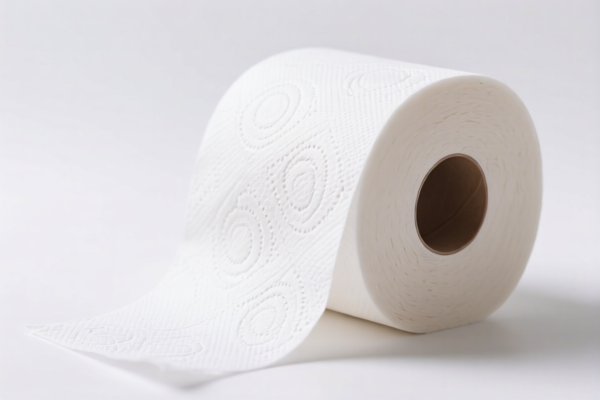
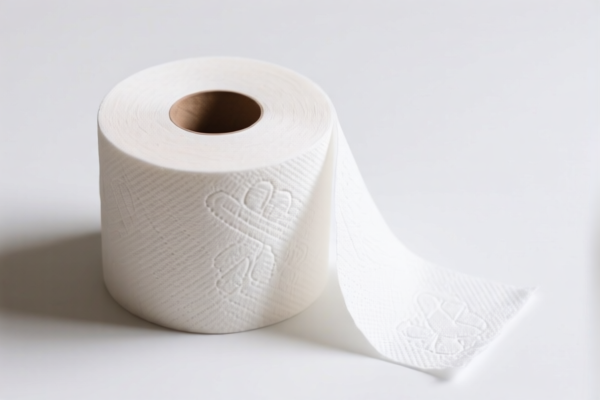
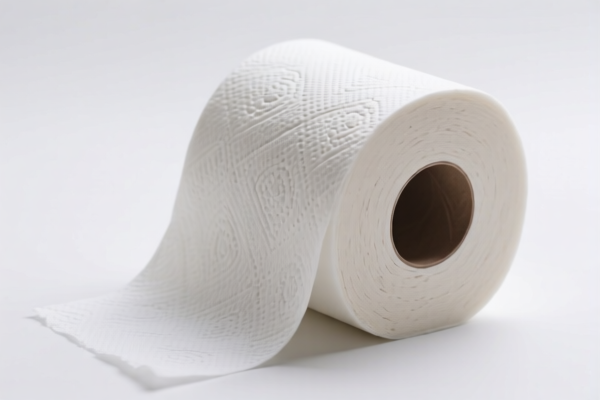
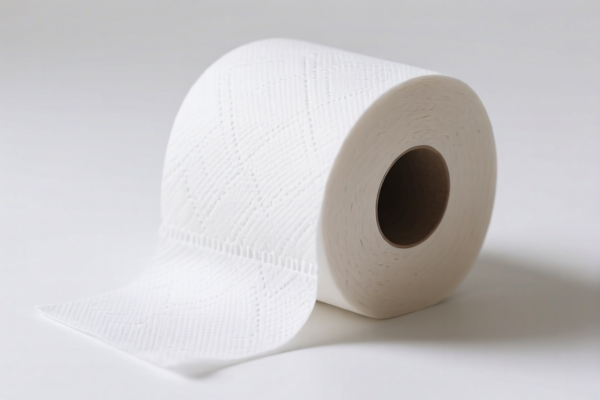
AI Analysis
🧴 Eucalyptus Scent Disinfecting Wipes: HS Code Classification & 2026 Clearance Strategy
🌐 HS Code Reference & Customs Clearance Guide | 2026 Latest Tariff Analysis | Professional Entry Strategy
📌 I. Product Definition & Classification: Do You Truly Understand "Disinfecting Wipes"?
Eucalyptus Scent Disinfecting Wipes are multi-purpose hygiene products used for cleaning and sanitizing surfaces or skin. In international trade, their classification depends strictly on material composition and primary function. Misclassification can lead to severe tariff penalties due to the complex layering of US trade restrictions.
Key Distinction: * Paper-based Wipes: If the wipe itself is made of paper, pulp, or cellulose fibers →归类 to Chapter 48 (Paper). * Non-Woven/Chemical-based Wipes: If the wipe is made of non-woven fabric (polyester, polypropylene) or acts primarily as a chemical carrier →归类 to Chapter 38 (Chemicals) or Chapter 34 (Soaps/Cleansers).
⚠️ Critical Warning:
- "Scented" does not change the HS code but indicates the presence of fragrance oils.
- "Disinfecting" is the key functional descriptor that pushes many products into Chapter 38 (Antiseptics/Disinfectants).
- "Material" is the primary determinant between Chapters 48, 34, and 38.
📦 II. HS Code Classification Details (2026 Latest Tariff Authority Match)
Based on the provided dataset, here are the four possible classifications for Eucalyptus Scent Disinfecting Wipes:
| HS Code | Product Description (Summary) | Material/Function Profile | Total Tax Rate |
|---|---|---|---|
4818.20.00.40 |
Scented disinfecting wipes, Paper/Fiber material, fits cleaning/facial tissue use. | Paper-based, Cellulose | 35.0% |
3808.94.50.10 |
Scented disinfecting wipes, Non-paper/Non-woven material, matches disinfection purpose. | Non-woven fabric, Chemical carrier | 40.0% |
3808.94.50.95 |
Scented disinfecting wipes, Other Disinfectant category, material unspecified. | Chemical product, General disinfectant | 40.0% |
4818.90.00.80 |
Scented disinfecting wipes, Cellulose fiber web/Paper product, for hygiene cleaning. | Paper-based, Sanitary use | 17.5% |
3401.11.50.00 |
Eucalyptus-scented disinfecting wipes, Impregnated non-woven fabric, for washing/cleaning. | Non-woven + Impregnated Cleaner | 35.0% |
🔍 Key Insight:
- The biggest tax difference is between4818.90.00.80(17.5%) and3808.94.50.10/95(40.0%).
-3401.11.50.00is specific to "impregnated non-woven fabric for washing," often used for personal care/cosmetic wipes.
-4818.20.00.40applies if the wipe is structurally paper but used for disinfection.
💰 III. 2026 Latest Tariff Rate Breakdown (Including Surtaxes & Policy Add-ons)
✅ Applicable Country: United States (US)
✅ Origin: China (CN)
✅ Effective Time: Post-November 2025 (Current Trade War Context)
🎯 1. 4818.20.00.40 & 3401.11.50.00 —— Paper/Washing Category Wipes
Target: Paper-based wipes or Non-woven wipes classified under washing/cleansers.
| Item | Detail |
|---|---|
| Base Tariff | 0.0% (ad valorem) |
| Section 301 Surtax | +25.0% (USITC Footnote 9903.88.01) |
| IEEPA Surcharge | +10.0% (122 Section Tariff for China-origin goods) |
| Total Effective Rate | 35.0% |
| Calculation | CIF Value × 35% |
| De Minimis Exemption? | ❌ No (Denied under current trade policies) |
| Legal Path | IEEPA:122 → USITC:4818/3401 → SECTION:301 |
📌 Explanation:
- Even though the base tariff is 0%, the 25% Section 301 tariff and 10% IEEPA tariff apply aggressively to Chinese-origin goods.
- Total 35% is a high burden. Ensure the product is truly paper-based (4818) or cosmetic-grade (3401) to qualify for this lower tier compared to3808.
🎯 2. 3808.94.50.10 & 3808.94.50.95 —— Chemical/Disinfectant Category Wipes
Target: Non-paper, non-woven wipes classified as disinfectants/chemical preparations.
| Item | Detail |
|---|---|
| Base Tariff | 5.0% (ad valorem) |
| Section 301 Surtax | +25.0% (USITC Footnote 9903.88.01) |
| IEEPA Surcharge | +10.0% (122 Section Tariff for China-origin goods) |
| Total Effective Rate | 40.0% |
| Calculation | CIF Value × 40% |
| De Minimis Exemption? | ❌ No |
| Legal Path | IEEPA:122 → USITC:3808 → SECTION:301 |
📌 Explanation:
- These goods are classified as chemical products/disinfectants.
- The base rate is higher (5%) than paper products.
- Total 40% is the highest tier. This applies if the wipe is non-woven fabric (e.g., polyester) and primarily valued for its chemical disinfectant content rather than its physical wiping material.
🎯 3. 4818.90.00.80 —— High-Paper Content Hygiene Wipes
Target: Cellulose fiber web or paper products for hygiene.
| Item | Detail |
|---|---|
| Base Tariff | 0.0% |
| Section 301 Surtax | +7.5% (Note: Reduced Surtax Category) |
| IEEPA Surcharge | +10.0% (122 Section Tariff) |
| Total Effective Rate | 17.5% |
| Calculation | CIF Value × 17.5% |
| De Minimis Exemption? | ❌ No |
| Legal Path | IEEPA:122 → USITC:4818.90 → SECTION:301 (Special Rate) |
📌 Explanation:
- This is the LOWEST TARIFF OPTION (17.5%).
- To qualify, the product must be clearly identified as a paper product (4818.90) rather than a non-woven chemical product.
- The Section 301 surtax is significantly lower (7.5% vs. 25%) for this specific subheading, likely due to its classification as a general sanitary paper good.
- Strategy: If your wipes are made of wood pulp, cellulose, or paper fiber, aggressively argue for this classification to save 22.5% in taxes compared to the 40% bracket.
🛠️ IV. Customs Clearance Practical Advice (Actionable Pitfall Avoidance)
✅ 1. Documentation Checklist (Mandatory)
| Document | Required | Purpose |
|---|---|---|
| ✅ Product Spec Sheet | ✔️ | Must explicitly state Material Composition (e.g., "100% Wood Pulp" vs. "100% Polyester Non-woven"). |
| ✅ Ingredient List | ✔️ | Show active disinfectant ingredients (e.g., Alcohol, Quaternary Ammonium) to justify 3808 vs. 4818. |
| ✅ Product Photos | ✔️ | Show texture. Paper looks fibrous/matte; Non-woven looks smooth/plastic-like. |
| ✅ Commercial Invoice | ✔️ | Describe as "Paper-based Scented Tissue Wipes" (for 17.5%) OR "Non-woven Disinfectant Wipes" (for 40%). Be precise. |
| ✅ Certificate of Origin | ✔️ | Confirm China origin to apply IEEPA/301 rules correctly. |
✅ 2. Classification Strategy (The "Save Money" Rule)
🔥 "Material Dictates Tax: Paper Wins, Chemical Pays More!"
| Scenario | Recommended HS Code | Tax Rate | Why? |
|---|---|---|---|
| Wipe is made of Paper/Tissue | 4818.90.00.80 |
17.5% | Lowest surtax (7.5%) due to paper classification. |
| Wipe is Paper but used for Disinfection | 4818.20.00.40 |
35.0% | Paper base, but specific "disinfecting" use may bump surtax to 25%. |
| Wipe is Non-Woven (Polyester) | 3808.94.50.10 |
40.0% | Classified as chemical/disinfectant product. Highest tax. |
| Wipe is Non-Woven for Washing/Cosmetic | 3401.11.50.00 |
35.0% | Classified under soaps/cleansers. Lower surtax (25%). |
| Wipe is Non-Woven, Unclear Use | 3808.94.50.95 |
40.0% | Catch-all for disinfectants. Avoid if possible. |
📌 Critical Tip:
- If you are importing non-woven wipes (common for disinfecting), you are likely stuck with 35% or 40%.
- To achieve 17.5%, you MUST use paper-based material (wood pulp/tissue paper).
- Do not misdeclare non-woven as paper. Customs labs will test the fiber content. If it melts (polyester) vs. burns to ash (paper), they will reject it.
✅ 3. Special Case Handling
| Situation | Advice |
|---|---|
| "Eucalyptus Scent" Marketing | Do NOT declare as "Essential Oils" or "Perfume" (3301). This triggers different, potentially higher taxes. Declare as "Scented Wipes." |
| Bulk vs. Retail | Bulk packs may still be subject to the same HS code. The tax rate is ad valorem (based on value), so packaging size doesn’t change the % rate. |
| Origin Masking | Do NOT attempt to route through Vietnam/Malaysia without substantial transformation. The 122 Section IEEPA tariff tracks Chinese origin. Customs has strict rules on transshipment. |
| De Minimis ($800) Loophole? | ❌ CLOSED. Current trade policies explicitly deny de minimis exemption for Chinese-origin goods in these categories. |
🌍 V. Global Market Comparison (2026 Context)
| Market | Recommended HS | Est. Duty | Notes |
|---|---|---|---|
| 🇺🇸 USA | 4818.90.00.80 |
17.5% | Best option for paper-based wipes. |
| 🇨🇳 China | 4818.20.00.40 |
~5-10% | Domestic market, lower VAT duties. |
| 🇪🇺 EU | 4823.69.00 |
~5-6% | Generally lower than US. No Section 301. |
| 🇬🇧 UK | 4823.69.00 |
~5-6% | Post-Brexit, competitive rates. |
📌 Conclusion:
- The USA is the most expensive market for disinfecting wipes due to the layered 301/IEEPA tariffs.
- Paper-based wipes (4818.90.00.80) are the only way to significantly reduce costs in the US market (17.5% vs. 40%).
📌 VI. Common Errors & Pitfalls (Blood Lessons)
❌ Error 1: Declaring Non-Woven wipes as Paper (4818) to get 17.5%.
👉 Consequence: Customs lab test fails. Goods seized. Back-tariff of 22.5% + penalties.
❌ Error 2: Ignoring the 122 Section IEEPA (+10%).
👉 Consequence: Underpayment of taxes. Audit trigger. Delayed release.
❌ Error 3: Using vague descriptions like "Cleaning Wipes" without material specs.
👉 Consequence: Customs assigns highest possible duty (40%) due to uncertainty.
✅ Correct Declaration Example:
"Scented Sanitary Paper Wipes, 100% Wood Pulp, Impregnated with Eucalyptus Essential Oil, for Household Cleaning, Model XYZ, Origin: China"
(Use HS:4818.90.00.80)
🎯 VII. Conclusion: Smart Classification, Maximize Profit!
🎯 Remember the Golden Rule:
🔹 "Paper is Cheap (17.5%), Non-Woven is Expensive (35-40%)."
🔹 "Material Matters More Than Scent!"
🔹 "IEEPA + 301 = High Tax. Choose Your HS Code Wisely!"
📌 Pro Tip:
If you are committed to non-woven materials (for strength/wet durability), accept the 35-40% tax burden.
If you want to minimize costs, switch to paper-based tissue wipes (4818.90.00.80) and leverage the 7.5% Section 301 surtax.
📣 Immediate Action:
📞 Verify your material composition with your supplier.
📋 If it's paper, declare4818.90.00.80.
📋 If it's non-woven, declare3401.11.50.00(if cosmetic/washing) or3808(if pure disinfectant).
🚀 Accurate declaration saves thousands in tariffs!
✨ Professional Customs Clearance Starts with Accurate HS Codes!
💼 Every Percentage Point Saved is Pure Profit!
Customer Reviews
About HS Code Classification
The Harmonized System (HS) is an internationally standardized nomenclature developed by the World Customs Organization (WCO) to classify traded products. Over 200 countries use the HS system as the basis for customs tariffs, trade statistics, and import/export regulations.
Each HS code follows a hierarchical structure:
- Chapter (2 digits) — Broad category of goods (e.g., Chapter 84: Machinery and Mechanical Appliances)
- Heading (4 digits) — More specific grouping within the chapter
- Subheading (6 digits) — Internationally standardized breakdown, used by all WCO member countries
- National subdivisions (8-10 digits) — Country-specific extensions for further classification, such as US HTSUS 10-digit codes
Correct HS code classification is essential for smooth customs clearance, accurate duty payment, and compliance with trade regulations. Misclassification can lead to customs delays, overpayment of duties, or penalties.
When importing from CN to US, the applicable tariff rates may include:
- Most-Favored-Nation (MFN) rate — The standard duty rate applied to WTO members
- General rate — Applied to countries without trade agreements
- Trade remedy duties — Additional tariffs such as Section 301 (anti-dumping), Section 232 (national security), or countervailing duties
The information provided on this page is for reference purposes only. For official classification, please consult with your local customs authority or a licensed customs broker.