Eucalyptus Wood Stripped Bark
CN → US| HS Code | Tariff Rate | Origin | Destination | Doc |
|---|---|---|---|---|
| 1401904000 | 38.2% | CN | US | Official Doc |
| 1401902000 | 39.4% | CN | US | Official Doc |
| 4404200090 | 35.0% | CN | US | Official Doc |
| 4404200080 | 35.0% | CN | US | Official Doc |
Product Images
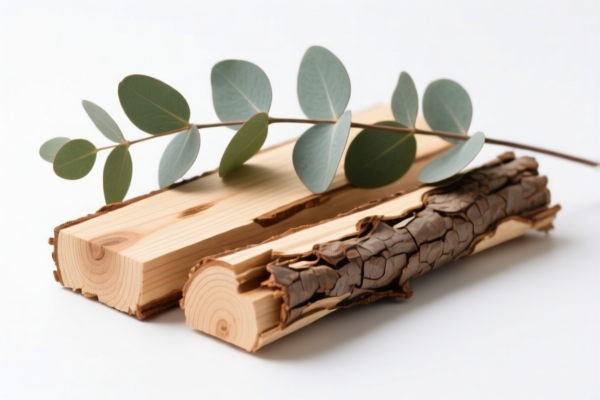
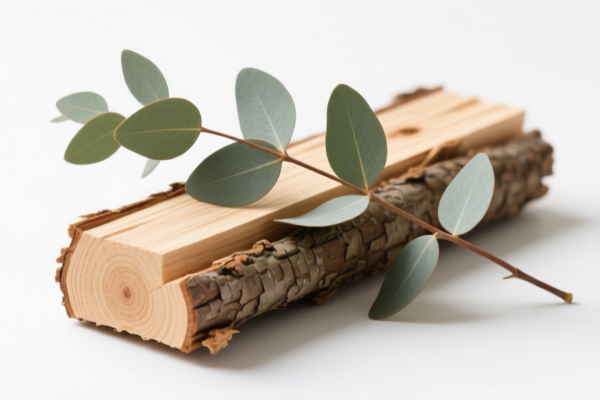
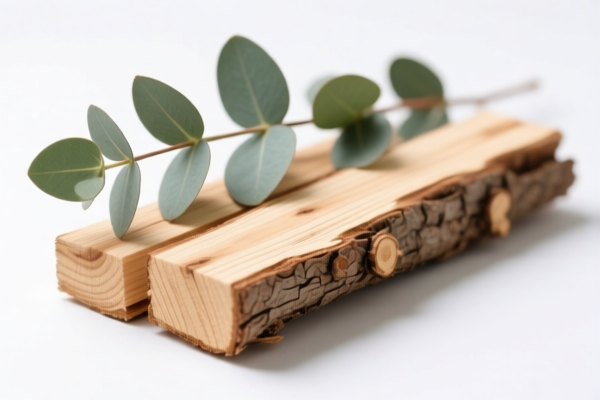
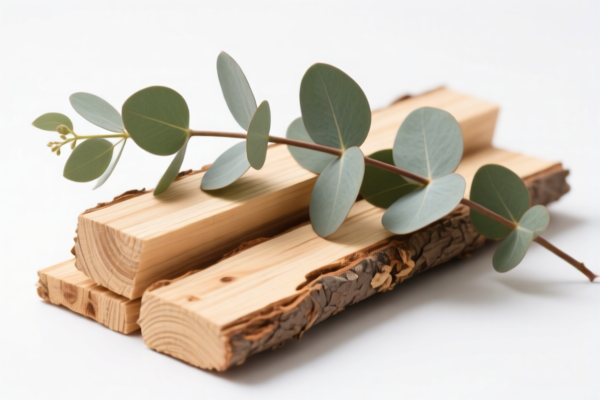
AI Analysis
🌳 Eucalyptus Wood Stripped Bark (Willow/Osier Category)
🌐 HS Code Reference & Customs Clearance Guide | 2026 Latest Tariff Analysis | Professional Classification Strategy
📌 I. Product Definition & Classification: What is "Eucalyptus Wood Stripped Bark"?
Eucalyptus wood, particularly when processed into "stripped bark" or "hoopwood," is primarily classified under Chapter 14 (Vegetable Plaiting Materials) or Chapter 44 (Wood and Wood Products), depending on its specific physical form and primary intended use.
In international trade, "Eucalyptus Wood Stripped Bark" typically falls into two distinct categories based on its state: 1. Plaiting Materials (Chapter 14): If the bark/wood is processed (cleaned, bleached, dyed, or split) specifically for weaving, basketry, or plaiting. This often maps to "Willow (osier)" or other plaiting materials. 2. Hoopwood/Split Poles (Chapter 44): If the wood is split into stakes, poles, or rough strips suitable for construction, fencing, or manufacturing tool handles/walking sticks, but not yet fully processed into finished plaiting goods.
⚠️ Critical Distinction Point:
- If the material is split, cleaned, and intended for weaving/plaiting → It is classified under HS 1401 (Vegetable materials for plaiting).
- If the material is roughly trimmed, split into stakes/hoops, but not fully processed for plaiting → It is classified under HS 4404 (Wood charcoal; hoopwood; split poles).
📦 II. HS Code Classification Details (2026 Latest Tariff Authority Match)
Based on the provided <DATA>, here are the precise classifications for Eucalyptus Wood Stripped Bark:
| HS Code | Product Description | Applicable Scenario | Tax Rate (China Origin → US) |
|--------|--------------------------|--------------------------|
| 1401.90.20.00 | Vegetable materials of a kind used primarily for plaiting: Other: Willow (osier) | Most Common for Eucalyptus Bark/Strips. If the eucalyptus bark/wood is processed (cleaned, split, dyed) and used like willow for basketry, weaving, or plaiting. Note: In many tariff schedules, "osier" broadly covers similar plaiting woods including eucalyptus. | 29.4%
(Base 4.4% + 25% Additional) |
| 1401.90.40.00 | Vegetable materials of a kind used primarily for plaiting: Other: Other | If the eucalyptus material does not fit the specific "Willow/Osier" description but is still primarily for plaiting. | 0.0%
(Base 0% + 0% Additional) |
| 4404.20.00.80 | Hoopwood; split poles; piles, pickets...: Nonconiferous Poles, piles and posts | If the eucalyptus wood is split into pointed stakes, poles, or posts (e.g., for fencing, garden stakes) but not intended for fine plaiting. | 25.0%
(Base 0% + 25% Additional) |
| 4404.20.00.90 | Hoopwood; split poles...: Nonconiferous Other | If the eucalyptus wood is in the form of hoops or rough strips (chipwood-like) for general industrial use, not specifically poles or plaiting. | 25.0%
(Base 0% + 25% Additional) |
🔍 Key Reminder:
- Eucalyptus is a non-coniferous wood. Therefore, all Chapter 44 codes start with4404.20.
- Chapter 14 (1401) has lower base duties for the "Willow/Osier" category (4.4%) compared to some other wood products, but the 25% Section 301 additional tariff still applies.
- "Other" under Chapter 14 (1401.90.40.00) has 0% total tax, which is a significant advantage if the product qualifies as "other plaiting materials" and not "willow."
💰 III. 2026 Latest Tariff Rate Breakdown (Including Additional Duties)
✅ Applicable Country: United States (US)
✅ Origin: China (CN)
✅ Effective Date: November 10, 2025 onwards
🎯 1. 1401.90.20.00 – Willow (Osier) / Eucalyptus Plaiting Materials
| Item | Details |
|---|---|
| Base Tariff | 4.4% |
| Section 301 Additional Tariff | +25.0% |
| Total Tax Rate | 29.4% |
| Calculation | CIF Value × 29.4% |
| De Minimis Exemption | ❌ Not Applicable (Section 301 tariffs apply to all shipments, including small parcels) |
| Legal Basis | USITC HTSUS 1401.90.20.00 + Section 301 Footnote |
📌 Explanation:
- Eucalyptus wood processed for plaiting is often classified under "Willow (osier)" due to functional similarity in basketry/weaving.
- The 29.4% rate is high. Ensure your product description emphasizes "plaiting use" to justify Chapter 14 rather than Chapter 44.
🎯 2. 1401.90.40.00 – Other Vegetable Plaiting Materials
| Item | Details |
|---|---|
| Base Tariff | 0.0% |
| Section 301 Additional Tariff | 0.0% |
| Total Tax Rate | 0.0% |
| Calculation | CIF Value × 0.0% |
| De Minimis Exemption | N/A (0% tax means no issue) |
| Legal Basis | USITC HTSUS 1401.90.40.00 |
📌 Explanation:
- If your eucalyptus bark/wood is classified as "Other" (not willow/osier), the tax is 0%.
- Strategy: Try to justify classification under "Other" if the material is unique or not typically used as willow. However, this is risky if customs authorities deem it functionally identical to willow.
🎯 3. 4404.20.00.80 / 4404.20.00.90 – Nonconiferous Wood Hoopwood/Poles
| Item | Details |
|---|---|
| Base Tariff | 0.0% |
| Section 301 Additional Tariff | +25.0% |
| Total Tax Rate | 25.0% |
| Calculation | CIF Value × 25.0% |
| De Minimis Exemption | ❌ Not Applicable |
📌 Explanation:
- If the eucalyptus wood is sold as fencing stakes, garden poles, or rough hoops, it falls under Chapter 44.
- The 25% rate is slightly lower than the 29.4% for "Willow," but Chapter 14 ("Other") is tax-free.
- Crucial Decision: Classify as "Plaiting Material" (Ch 14) if for weaving; classify as "Wood Product" (Ch 44) if for structural/agricultural use.
🛠️ IV. Customs Clearance Practical Advice (Pitfall Avoidance Guide)
✅ 1. Preparation Checklist (Mandatory)
| Document | Required | Notes |
|---|---|---|
| ✅ Product Specification Sheet | ✔️ | Must detail: Origin, processing method (cleaned/bleached/dyed), intended use (plaiting vs. construction). |
| ✅ Photos of Product | ✔️ | Show texture, split size, and any labels indicating "For Plaiting" or "Fencing Material." |
| ✅ Commercial Invoice | ✔️ | Clearly state: "Eucalyptus Wood Stripped Bark for Plaiting/Basketry" OR "Eucalyptus Hoopwood for Fencing." Avoid vague terms like "Wood Chips." |
| ✅ Packing List | ✔️ | Indicate gross/net weight, dimensions. |
| ✅ Certificate of Origin (CO) | ✔️ | Required to prove Chinese origin for Section 301 assessment. |
✅ 2. Declaration Tips (Key Mnemonics)
🔥 "Use Determines Code: Plaiting = Ch 14, Structure = Ch 44."
| Scenario | Correct Declaration | Wrong Declaration |
|---|---|---|
| Eucalyptus strips for basket weaving | "Eucalyptus plaiting material, cleaned and dyed" → 1401.90.20.00 (29.4%) or 1401.90.40.00 (0%) |
"Wood Strips" → Risk of misclassification |
| Eucalyptus stakes for garden fencing | "Eucalyptus wooden poles, pointed, for fencing" → 4404.20.00.80 (25%) |
"Plaiting Material" → Risk of penalty |
| Raw eucalyptus logs | Not applicable (different HS Code) | Do not declare as processed wood |
✅ 3. Special Case Handling
| Situation | Handling Advice |
|---|---|
| Mixed Shipments | If the shipment contains both plaiting material and fencing poles, split the invoice and declare separately. Mixing can lead to audits and higher tariffs on the entire shipment. |
| Uncertain Classification | Apply for an Advance Ruling from CBP before shipment. This provides legal certainty for the 29.4% vs. 0% vs. 25% rate. |
| "Other" vs. "Willow" | If claiming 1401.90.40.00 (0%), be prepared to prove that the eucalyptus bark/wood is not functionally equivalent to willow/osier in traditional plaiting. Customs may challenge this. |
🌍 V. Global Market Comparison (2026 Update)
| Country/Region | Recommended HS Code | Tariff (China Origin) | Notes |
|---|---|---|---|
| 🇺🇸 USA | 1401.90.20.00 or 1401.90.40.00 |
29.4% or 0.0% | Section 301 applies. 1401.90.40.00 is best if eligible. |
| 🇺🇸 USA | 4404.20.00.90 |
25.0% | For non-plaiting hoopwood. |
| 🇨🇳 China | 1401.90 / 4404.20 |
Varies (Low) | Import duties are lower; focus on VAT (13%). |
| 🇪🇺 EU | 1401.90 / 4404.20 |
0% - 6% | No Section 301. Check CE/REACH if treated with chemicals. |
📌 Conclusion:
- The USA is the most critical market due to Section 301 tariffs.
- Optimize for1401.90.40.00(0%) if your product can be legitimately classified as "other vegetable plaiting materials."
- If classified as "Willow/Osier" (1401.90.20.00), expect 29.4% total tax.
- If classified as "Wood Poles/Hoopwood" (4404.20), expect 25% total tax.
📌 VI. Common Errors & Pitfall Guide (Lessons Learned)
❌ Error 1: Declaring eucalyptus plaiting material as "Other Wood Products" (4404) to avoid Chapter 14 scrutiny, but failing to prove it's not for plaiting.
👉 Consequence: Customs reclassifies it to 1401.90.20.00 (29.4%) and issues penalties for undervaluation.
❌ Error 2: Using the term "Willow" for Eucalyptus in the invoice when it's not willow.
👉 Consequence: Misdeclaration. If not willow, it should be 1401.90.40.00 (0%). Lying about species can lead to fraud investigations.
❌ Error 3: Ignoring Section 301 Additional Tariffs for shipments under $800 (de minimis).
👉 Consequence: Section 301 tariffs apply to all shipments regardless of value. Do not assume small packages are tax-free.
❌ Error 4: Mixing plaiting materials with construction poles in one HS Code.
👉 Consequence: Audit risk. Separate shipments or invoices to clarify intended use.
✅ Correct Practice:
"Eucalyptus Stripped Bark, Cleaned, for Basket Weaving, Non-Coniferous, Origin: China" →
1401.90.40.00(if arguable) or1401.90.20.00(if deemed osier-like).
🎯 VII. Conclusion: Precise Classification Saves Costs!
🎯 Remember the Key:
🔹 "Plaiting Use = Chapter 14"
🔹 "Structural Use = Chapter 44"
🔹 "Willow/Osier = 29.4%"
🔹 "Other Plaiting = 0.0%"
🔹 "Wood Poles/Hoops = 25.0%"📌 Pro Tip:
If your eucalyptus wood is cleaned, bleached, or dyed and used for weaving/basketry, fight for classification under1401.90.40.00(0%). This is a 29.4% savings compared to the "Willow" classification. Provide strong evidence that the material is not traditionally classified as "willow" in the trade.
📣 Immediate Action:
📞 Contact your customs broker with product photos and intended use.
📝 Apply for an Advance Ruling if the classification between1401.90.20.00(29.4%) and1401.90.40.00(0%) is unclear.
🚀 Optimize your supply chain by choosing the lowest possible tax code legally!
✨ Professional Clearance Starts with Accurate Classification!
💼 Your profit margin depends on every percentage point!
Customer Reviews
About HS Code Classification
The Harmonized System (HS) is an internationally standardized nomenclature developed by the World Customs Organization (WCO) to classify traded products. Over 200 countries use the HS system as the basis for customs tariffs, trade statistics, and import/export regulations.
Each HS code follows a hierarchical structure:
- Chapter (2 digits) — Broad category of goods (e.g., Chapter 84: Machinery and Mechanical Appliances)
- Heading (4 digits) — More specific grouping within the chapter
- Subheading (6 digits) — Internationally standardized breakdown, used by all WCO member countries
- National subdivisions (8-10 digits) — Country-specific extensions for further classification, such as US HTSUS 10-digit codes
Correct HS code classification is essential for smooth customs clearance, accurate duty payment, and compliance with trade regulations. Misclassification can lead to customs delays, overpayment of duties, or penalties.
When importing from CN to US, the applicable tariff rates may include:
- Most-Favored-Nation (MFN) rate — The standard duty rate applied to WTO members
- General rate — Applied to countries without trade agreements
- Trade remedy duties — Additional tariffs such as Section 301 (anti-dumping), Section 232 (national security), or countervailing duties
The information provided on this page is for reference purposes only. For official classification, please consult with your local customs authority or a licensed customs broker.