Eucalyptus Wood for Fencing
CN → US| HS Code | Tariff Rate | Origin | Destination | Doc |
|---|---|---|---|---|
| 4421917020 | 35.0% | CN | US | Official Doc |
| 4421997020 | 35.0% | CN | US | Official Doc |
| 7314311000 | 85.0% | CN | US | Official Doc |
| 7314390000 | 85.0% | CN | US | Official Doc |
| 3926909940 | 22.8% | CN | US | Official Doc |
Product Images
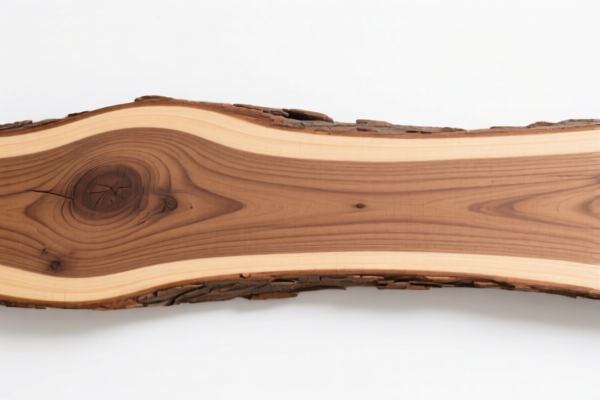
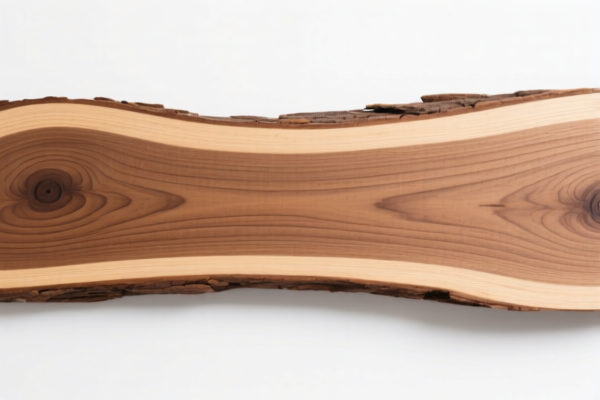
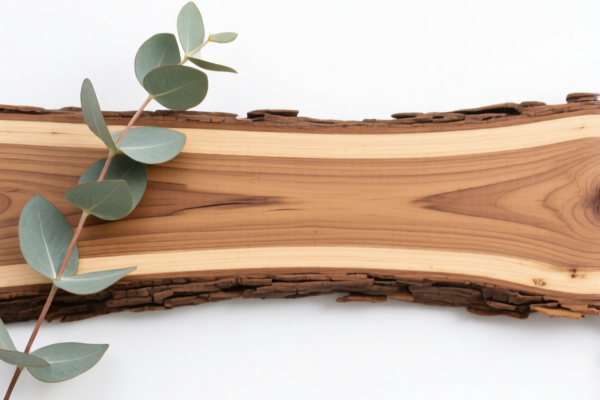
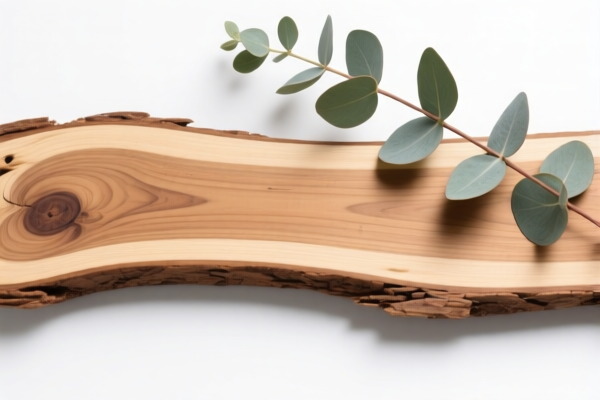
AI Analysis
🌿 Eucalyptus Wood Fencing (Fences for Boundary Definition)
🌐 HS Code Reference & Customs Clearance Guide | 2026 Latest Tariff Analysis | Professional Entry Strategy
📌 I. Product Definition & Classification: Do You Truly Understand "Eucalyptus Fencing"?
Eucalyptus wood fencing refers to barrier structures used for boundary definition, security, or decoration, manufactured specifically from Eucalyptus timber. In international trade, the classification heavily depends on the material composition and physical form of the fence components. Since Eucalyptus is a type of wood, it generally falls under Chapter 44 (Wood and Articles of Wood), but depending on the specific manufacturing process, it may also be confused with metal or plastic alternatives if not properly documented.
Key Distinction Points: * Wooden Fences (Primary Classification): Posts, rails, pickets, or panels made from sawn Eucalyptus wood → Chapter 44. * Metal Fences (Alternative/Confusion): Steel or iron fences (often mistaken if painted or coated) → Chapter 73. * Plastic Fences (Alternative): PVC or synthetic resin fences → Chapter 39.
⚠️ Critical Note:
- If the product is 100% wood (Eucalyptus), it MUST fall under 4421.91 or 4421.99.
- Misclassifying wooden fences as metal (7314) or plastic (3926) leads to massive duty discrepancies (e.g., 85% vs. 35%) and potential customs penalties.
📦 II. HS Code Classification Details (2026 Latest Tariff Authority Comparison)
Based on the product "Eucalyptus Wood for Fencing," the following HS Codes are the most relevant matches from the data provided. Note that while the prompt specifies "Eucalyptus," the data provided includes logical inferences for wood, metal, and plastic. For Eucalyptus specifically, the Wooden Categories (4421) are the correct legal fit.
| HS Code | Product Description | Application Scenario | Material Conflict? |
|---|---|---|---|
4421.91.70.20 |
Other wood articles (incl. piles, pickets, pales, rails) | Correct Match: Sawed Eucalyptus posts, rails, or fence sections. | ❌ No Conflict |
4421.99.70.20 |
Other wood articles (not elsewhere specified) | Correct Match: Fencing parts (fence sections, posts) made of Eucalyptus wood. | ❌ No Conflict |
7314.31.10.00 |
Steel wire cloth, grids, netting, fencing | Incorrect: Applies to Metal. Eucalyptus is not steel. | ✅ Conflict |
7314.39.00.00 |
Other steel fencing (barricades, palisades) | Incorrect: Applies to Metal. Eucalyptus is not steel. | ✅ Conflict |
3926.90.99.40 |
Other plastic articles | Incorrect: Applies to Plastic. Eucalyptus is not plastic. | ✅ Conflict |
🔍 Key Takeaway:
- Eucalyptus is Wood. Therefore, classifications under Chapter 73 (Metal) and Chapter 39 (Plastic) are legally incorrect for this product.
- Choose between4421.91.70.20and4421.99.70.20based on the specific shape (e.g., raw posts vs. assembled panels). Both are subject to the same tariff rates in this context.
💰 III. 2026 Latest Tariff Rate Breakdown (Including Surtaxes & Policy Surcharges)
✅ Applicable Country: United States (US)
✅ Origin: China (CN) [Assumed based on the 122 Clause/301 Tariff structure in the data]
✅ Effective Date: 2025-11-10 onwards
🎯 1. 4421.91.70.20 & 4421.99.70.20 —— Wooden Fencing Articles (Eucalyptus)
| Item | Content |
|---|---|
| Base Tariff | 0% (ad valorem) |
| USITC Surcharge | +25% (Under US Trade Act Section 301) |
| IEEPA Surcharge (122 Clause) | +10% (Specific surcharge for Chinese-origin goods, effective 2025-11-10) |
| Total Tariff Rate | 35% |
| Tax Calculation | CIF Value × 35% |
| De Minimis Exemption | ❌ Not Applicable (deny_de_minimis) |
| Legal Basis Path | IEEPA:9903.01.25 → USITC:4421.91.70.20 → FOOTNOTE:9903.88.01 |
📌 Explanation:
- The 25% USITC surcharge is the standard Section 301 duty on Chinese wood products.
- The 10% IEEPA surcharge is an additional layer applied to specific Chinese imports.
- Total: 35%. This is the correct and lowest applicable rate for Eucalyptus wood fencing.
❌ Why NOT Metal (7314) or Plastic (3926)?
| HS Code | Total Rate | Reason for Rejection |
|---|---|---|
7314.31.10.00 / 7314.39.00.00 |
85% | Wrong Material. Eucalyptus is not steel. Misclassification leads to a 50% higher duty (85% vs 35%) and customs fraud allegations. |
3926.90.99.40 |
22.8% | Wrong Material. Eucalyptus is not plastic. While cheaper, it is illegally false declaration. Customs will inspect, find wood, and penalize. |
📌 Critical Warning:
Do not attempt to declare Eucalyptus fencing as Plastic (3926) to save 12.2% (22.8% vs 35%). The material difference is easily verified by physical inspection. False declaration risks seizure, fines, and import bans.
🛠️ IV. Customs Clearance Practical Advice (Battle-Tested Pitfall Guide)
✅ 1. Document Checklist (Non-Negotiable)
| Document | Required | Explanation |
|---|---|---|
| ✅ Commercial Invoice | ✔️ | Must explicitly state "Eucalyptus Wood" and "Fencing". Do not just write "Fence." |
| ✅ Packing List | ✔️ | Detail the weight and dimensions. Wood has specific density; ensure consistency. |
| ✅ Material Certificate | ✔️ | Proof that the material is Eucalyptus (Wood), not steel or plastic. |
| ✅ ISPM 15 Phytosanitary Certificate | ✔️ | Critical for Wood! Eucalyptus is organic. Must be heat-treated or fumigated to prevent pest entry. |
| ✅ Product Photos | ✔️ | Show the wood grain, texture, and any branding to prove it is wood. |
✅ 2. Declaration Tips (Key Mantra)
🔥 “Specify Material, Declare HS 4421, ISPM 15 is Key, Avoid 73 and 39!”
| Scenario | Correct Declaration | Wrong Action |
|---|---|---|
| Solid Eucalyptus Posts/Rails | 4421.91.70.20 or 4421.99.70.20 |
Declaring as "Steel Fence" → 85% Tax |
| Assembled Wooden Fence Panels | 4421.99.70.20 |
Declaring as "Plastic Fence" → 22.8% Tax (Illegal) |
| Wood + Metal Hardware | Mainly Wood → 4421.99.70.20 |
Splitting declaration → Complex & Risky |
✅ 3. Special Situation Handling
| Situation | Handling Advice |
|---|---|
| Is the fence painted/coated? | Still Wood. Declare as 4421. Ensure the coating doesn’t make it "non-wood" in local rules (usually still wood). |
| Mixed Material (Wood Posts + Wire Mesh) | If the essential character is wood (posts), classify as Wood (4421). If it’s mostly wire, it might be Metal (7314). Eucalyptus implies the primary structure is wood. |
| ISPM 15 Non-Compliance | Ship will be refused or re-exported. Ensure wood is stamped with the official ISPM 15 mark. |
| Origin Labeling | Must clearly state "Made in China" to trigger the correct 35% tariff (0% base + 25% + 10%). If origin is Vietnam/Mexico, tariff may be lower (check current FTAs). |
🌍 V. Global Market Comparison (2026 Latest)
| Country/Region | Recommended HS Code | Tariff (CN Origin) | Certification | Notes |
|---|---|---|---|---|
| 🇺🇸 USA | 4421.91.70.20 / 4421.99.70.20 |
35% | ISPM 15 + Phytosanitary | Strict wood inspection. |
| 🇨🇳 China | 4421.91.70.20 |
Low/Zero (Import) | N/A | Eucalyptus is a common export for China. |
| 🇪🇺 EU | 4421.99.90 |
~2.5% + EUTR Compliance | EUTR (Due Diligence) | EU requires proof of legal harvest. |
| 🇦🇺 Australia | 4421.91.00 |
5% | Biosecurity Permit | Strict Quarantine. Wood often blocked. |
📌 Conclusion:
- USA: 35% Duty. Must have ISPM 15.
- EU/Australia: Wood import is highly regulated for pests. Even if duty is low, biosecurity clearance is the real hurdle.
📌 VI. Common Errors & Pitfall Guide (Blood Lessons)
❌ Error 1: Declaring Eucalyptus Fencing as 7314 (Steel) to avoid wood inspections.
👉 Consequence: Customs will see wood grain. Seizure + Fine. Tax discrepancy: 85% vs 35%.
❌ Error 2: Declaring as 3926 (Plastic) to pay 22.8% instead of 35%.
👉 Consequence: False Declaration. Fines can exceed the tax saved by 10x. Customs labs can identify material composition instantly.
❌ Error 3: Missing ISPM 15 Stamp.
👉 Consequence: Rejected at Port. You must pay for storage, fumigation, or re-export. Cost: Often > $5,000.
✅ Correct Practice:
“Eucalyptus Wood Fencing Posts, Heat-Treated, ISPM 15 Certified, HS 4421.99.70.20”
🎯 VII. Conclusion: Professional Declaration, Cost Control, Compliance!
🎯 Remember the Mantra:
🔹 “Wood is 4421, Metal is 7314, Plastic is 3926. Don’t mix them!”
🔹 “35% is the price for Wood from China, 85% is the trap for Metal, 22.8% is the lie for Plastic.”
🔹 “ISPM 15 is the passport for Wood, without it, your cargo stops dead.”
📌 Pro Tip:
If your Eucalyptus wood is sourced from Vietnam, Indonesia, or Thailand, you may qualify for lower or zero Section 301 tariffs (depending on current trade agreements).
👉 Action: Verify the Country of Origin carefully. If not China, the 35% rate may not apply!
📣 Immediate Action:
📞 Consult a Customs Broker + Provide Wood Species Certificate + Ensure ISPM 15 Stamp is visible.
🚀 Ensure your Eucalyptus fencing clears customs smoothly, avoids pest rejection, and pays only the correct 35%.
✨ Professional Clearance Starts with Accurate Classification!
💼 Your Cost Savings Are Calculated by Precision!
Customer Reviews
About HS Code Classification
The Harmonized System (HS) is an internationally standardized nomenclature developed by the World Customs Organization (WCO) to classify traded products. Over 200 countries use the HS system as the basis for customs tariffs, trade statistics, and import/export regulations.
Each HS code follows a hierarchical structure:
- Chapter (2 digits) — Broad category of goods (e.g., Chapter 84: Machinery and Mechanical Appliances)
- Heading (4 digits) — More specific grouping within the chapter
- Subheading (6 digits) — Internationally standardized breakdown, used by all WCO member countries
- National subdivisions (8-10 digits) — Country-specific extensions for further classification, such as US HTSUS 10-digit codes
Correct HS code classification is essential for smooth customs clearance, accurate duty payment, and compliance with trade regulations. Misclassification can lead to customs delays, overpayment of duties, or penalties.
When importing from CN to US, the applicable tariff rates may include:
- Most-Favored-Nation (MFN) rate — The standard duty rate applied to WTO members
- General rate — Applied to countries without trade agreements
- Trade remedy duties — Additional tariffs such as Section 301 (anti-dumping), Section 232 (national security), or countervailing duties
The information provided on this page is for reference purposes only. For official classification, please consult with your local customs authority or a licensed customs broker.