Eucalyptus wood for boat building
CN → US| HS Code | Tariff Rate | Origin | Destination | Doc |
|---|---|---|---|---|
| 4403980095 | 35.0% | CN | US | Official Doc |
| 4407990295 | 35.0% | CN | US | Official Doc |
| 4403980023 | 35.0% | CN | US | Official Doc |
Product Images
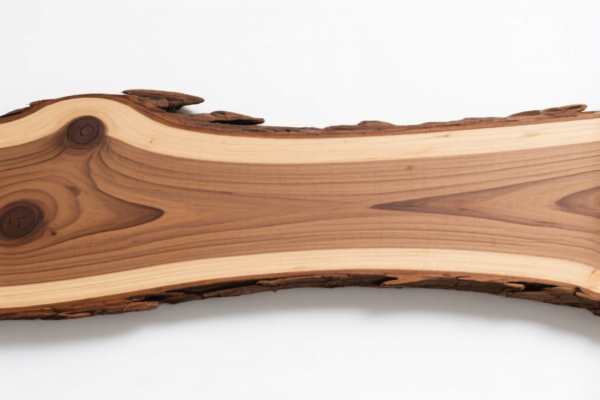
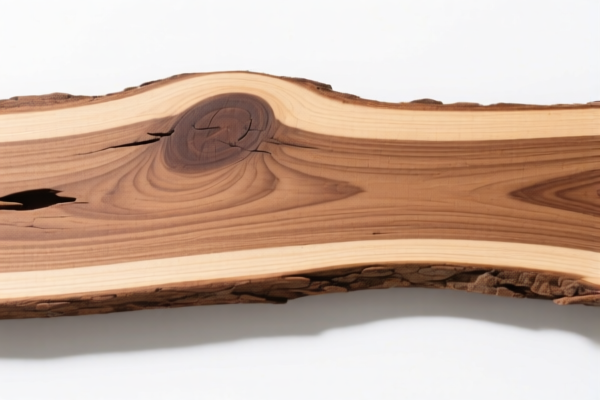
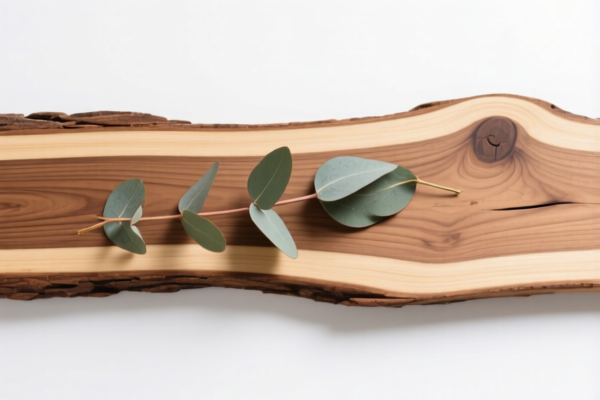
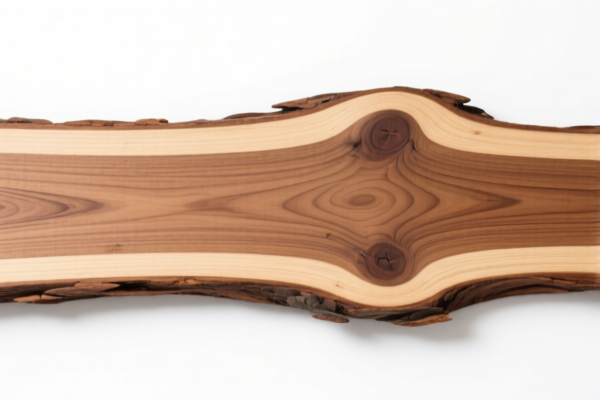
AI Analysis
🚢 Eucalyptus Wood for Boat Building
🌐 HS Code Reference & Customs Clearance Guide | 2026 Latest Tariff Analysis | Professional Clearance Strategy
📌 I. Product Definition & Classification: Understanding Eucalyptus Wood
Eucalyptus wood, renowned for its durability, density, and resistance to decay, is a highly sought-after material in marine construction. In international trade, it is primarily classified under Chapter 44: Wood and articles of wood. The specific classification depends on whether the wood is prepared for simple transport/storage or further processing into finished goods.
For "Eucalyptus wood for boat building," the material is essentially unmanufactured or semi-processed timber. It falls under two main potential headings based on its state: 1. 4403: Wood prepared for use as fuel or simple storage (if treated/preserved). 2. 4407: Wood sawn or chipped lengthwise (if planed, sanded, or otherwise prepared for joinery/construction).
⚠️ Key Distinction:
- If the wood is green or seasoned logs/rough sawn timber intended for further fabrication → It typically falls under 4403 or 4407 depending on specific treatment and preparation.
- If the wood is finished planks specifically cut for boat hulls, it might still be classified under 4407 as "sawn wood" unless it reaches the stage of "partly manufactured wood" (which could shift to other chapters if significantly worked).
- Note: The provided data suggests classification under "Other" sub-categories, indicating no specific single HS code for "boat wood" exists; instead, general wood classifications apply.
📦 II. HS Code Classification Details (2026 Latest Tariff Concordance)
Based on the provided dataset, the following HS Codes are applicable to Eucalyptus Wood (non-coniferous), with explanations for why they fit the product description:
| HS Code | Product Description | Why It Fits "Eucalyptus Wood for Boat Building" | Total Tax Rate |
|---|---|---|---|
4403.98.00.95 |
Wood prepared for use as fuel or simple storage (Other non-coniferous) | Eucalyptus is a non-coniferous (hardwood). This code acts as a "catch-all" for eucalyptus when no specific用途 (use) conflict exists. It covers wood prepared for storage/transport, which includes raw timber before final boat assembly. | 35.0% |
4407.99.02.95 |
Wood sawn or chipped lengthwise (Other non-coniferous) | Eucalyptus is a non-coniferous wood. This code applies if the wood has been sawn, planed, or otherwise processed into shapes suitable for joinery or construction (like boat planks). It relies on the "Other" catch-all principle as there is no specific subheading exclusively for "boat wood." | 35.0% |
4403.98.00.23 |
Wood prepared for use as fuel or simple storage (Other non-coniferous) | The term "Eucalyptus Wood" in the product name directly matches the material type "Eucalyptus" in this classification. The use for boat building falls under the "Other" category's reasonable scope, as there is no specific exemption or conflict for marine use in this subheading. | 35.0% |
4407.99.02.95 |
Wood sawn or chipped lengthwise (Other non-coniferous) | The material is identified as Eucalyptus (non-coniferous). If the wood is in a form suitable for processing (e.g., rough planks for hulls), it fits the "Other" category's catch-all principle based on material and form. | 35.0% |
4403.98.00.95 |
Wood prepared for use as fuel or simple storage (Other non-coniferous) | Similar to 4403.98.00.95, this code is used when the wood is processed for storage/transport but not yet finished. The lack of specific purpose conflict allows eucalyptus to fall under this general "Other" heading. |
35.0% |
🔍 Critical Insight:
- No Specific "Boat Wood" Code: There is no dedicated HS code for wood specifically for boat building. It is classified based on material type (Eucalyptus) and processing state (Sawn/Prepared).
- Non-Coniferous Classification: Eucalyptus is a hardwood (non-coniferous), so it falls under the "Other" (98/99) subheadings, not the pine/spruce/fir categories.
- Catch-All Principle: The term "Other" (其他) in the summaries indicates that these codes serve as residual categories when no more specific description matches.
💰 III. 2026 Latest Tariff Rate Breakdown (Including Additional Taxes)
✅ Applicable Country: United States (US)
✅ Origin: China (CN)
✅ Effective Date: November 10, 2025 onwards
🎯 1. HS Codes: 4403.98.00.95, 4407.99.02.95, 4403.98.00.23
(All listed codes in the dataset share the same tax structure)
| Item | Details |
|---|---|
| Base Tariff | 0% (ad valorem) |
| USITC Additional Tariff (Section 301) | +25% |
| IEEPA Additional Tariff (Section 122) | +10% |
| Total Tariff Rate | 35.0% |
| Tax Calculation | CIF Value × 35% |
| De Minimis Eligibility | ❌ Not Eligible (deny_de_minimis) |
| Legal Basis Path | IEEPA:9903.01.24 → USITC:4403/4407 Subheadings → FOOTNOTE:9903.88.01 |
📌 Explanation:
- Base Rate (0%): Wood products generally have a low base tariff under normal conditions.
- Section 301 Tariff (+25%): Applied to Chinese-origin wood products as part of broader trade measures.
- IEEPA Section 122 Tariff (+10%): A specific additional tariff imposed on Chinese goods under the International Emergency Economic Powers Act.
- Total (35%): This is a significant cost burden. Importers must factor this into their landed cost calculations.
- No De Minimis Exemption: Small-value shipments do not qualify for the $800 de minimis exemption due to the nature of the goods and applicable trade restrictions.
🛠️ IV. Customs Clearance Practical Advice (Avoiding Pitfalls)
✅ 1. Required Documentation Checklist
| Document | Mandatory? | Purpose |
|---|---|---|
| ✅ Commercial Invoice | ✔️ | Must clearly state "Eucalyptus Wood" and its intended use (e.g., "for boat construction"). |
| ✅ Packing List | ✔️ | Detail dimensions, volume, and weight of each piece/bundle. |
| ✅ Certificate of Origin (CO) | ✔️ | Essential for determining origin (China) and applying correct tariffs. |
| ✅ Phytosanitary Certificate | ✔️ | Critical for Wood Products. Must confirm the wood is free from pests and diseases (ISPM 15 standard if packaged). |
| ✅ Processing Certificate | ✔️ | If applying for 4407, prove the wood has been sawn/processed. If 4403, confirm it is prepared for storage/transport. |
| ✅ Product Specifications | ✔️ | Include wood species (Eucalyptus camaldulensis, E. grandis, etc.), moisture content, and dimensions. |
✅ 2. Declaration Tips (Key Strategies)
🔥 "Accurate Material, Clear Use, No Ambiguity!"
| Scenario | Correct Declaration | Incorrect Practice |
|---|---|---|
| Raw Eucalyptus Planks | Declare as 4403.98.00.95 or 4403.98.00.23 with description "Eucalyptus Wood, Sawn, for Marine Construction." |
Vague description like "Wood" → Leads to misclassification & audits. |
| Processed Eucalyptus Boards | Declare as 4407.99.02.95 with description "Eucalyptus Wood, Planed/Sanded, for Boat Building." |
Classify as furniture parts if not sufficiently worked → Risk of penalty. |
| Treated Wood | Specify if wood is preservative-treated. If treated, ensure compliance with environmental regulations. | Hide treatment status → Customs may detain for biosecurity concerns. |
✅ 3. Special Considerations for Marine Wood
| Issue | Recommendation |
|---|---|
| Phytosanitary Rules | Ensure wood meets ISPM 15 standards if exported/imported in solid wood packaging. Wood itself must be fumigated or heat-treated. |
| Moisture Content | Declare moisture content accurately. High moisture can lead to mold issues and additional scrutiny. |
| End-Use Declaration | Clearly state "For Boat Building" to justify the product's nature, though it does not change the HS code, it aids in customs risk assessment. |
| Valuation | Ensure declared value reflects CIF (Cost, Insurance, Freight). Under-declaring value can lead to penalties. |
🌍 V. Global Market Comparison (2026)
| Country/Region | Recommended HS Code | Tariff Rate | Key Requirements | Notes |
|---|---|---|---|---|
| 🇺🇸 USA | 4403.98.00.95 / 4407.99.02.95 |
35% | Phytosanitary Cert, CO | High tariffs due to Section 301 & IEEPA. |
| 🇨🇳 China | 4403.98.00.95 / 4407.99.02.95 |
~5-10% | Phytosanitary Cert | Lower base tariffs, but check domestic regulations. |
| 🇪🇺 EU | 4403 or 4407 |
~0-5% (if FTA) | FSC/PEFC Certification | Strict sustainability and traceability requirements. |
| 🇦🇺 Australia | 4403 or 4407 |
~5% | Biosecurity Permit | Very strict biosecurity laws for all wood imports. |
📌 Conclusion:
- USA imposes the highest cost due to the 35% total tariff.
- EU and Australia have strict biosecurity and sustainability requirements (FSC/PEFC).
- China has moderate tariffs but complex domestic trade policies.
📌 VI. Common Mistakes & Pitfalls (Lessons Learned)
❌ Mistake 1: Classifying as "Furniture Parts" | Consequence: Higher duty rates and potential misclassification penalties.
❌ Mistake 2: Omitting Phytosanitary Certificate | Consequence: Customs detention, destruction, or return of shipment.
❌ Mistake 3: Vague Description ("Wood Planks") | Consequence: Customs may assign a higher-risk code or request additional documentation, causing delays.
❌ Mistake 4: Ignoring Section 122 Tariff | Consequence: Unexpected 10% additional tax at US border.
✅ Correct Practice:
Product Name: "Eucalyptus Wood Planks, for Marine Boat Construction"
HS Code:4403.98.00.95(if prepared/storage) or4407.99.02.95(if sawn/processed)
Attachments: Phytosanitary Certificate, Commercial Invoice, Packing List, Certificate of Origin.
🎯 VII. Conclusion: Precision in Classification Saves Costs
🎯 Remember the Mantra:
🔹 "Wood is Wood, but Use Matters. Non-Coniferous = 'Other'. USA = 35%. Don't Skip Phytosanitary!"
🔹 "HS Code determines duty, but Documentation ensures clearance. Misclassification leads to delays and penalties."
📌 Pro Tip:
If your eucalyptus wood is sourced from Vietnam, Indonesia, or other ASEAN countries, you may qualify for lower tariffs under FTAs (e.g., RCEP, ASEAN-US).
Recommendation:
- Apply for Advance Ruling from US Customs (CBP) to confirm the correct HS code.
- Partner with a licensed customs broker experienced in wood products to handle phytosanitary declarations.
📣 Immediate Action:
📞 Contact your customs broker with wood species details, processing level, and destination.
🚀 Ensure your shipment clears customs smoothly and avoids unnecessary 35% tax pitfalls!
✨ Professional Clearance Starts with Accurate Classification!
💼 Every percentage point of tariff impacts your bottom line. Know your HS Code!
Customer Reviews
About HS Code Classification
The Harmonized System (HS) is an internationally standardized nomenclature developed by the World Customs Organization (WCO) to classify traded products. Over 200 countries use the HS system as the basis for customs tariffs, trade statistics, and import/export regulations.
Each HS code follows a hierarchical structure:
- Chapter (2 digits) — Broad category of goods (e.g., Chapter 84: Machinery and Mechanical Appliances)
- Heading (4 digits) — More specific grouping within the chapter
- Subheading (6 digits) — Internationally standardized breakdown, used by all WCO member countries
- National subdivisions (8-10 digits) — Country-specific extensions for further classification, such as US HTSUS 10-digit codes
Correct HS code classification is essential for smooth customs clearance, accurate duty payment, and compliance with trade regulations. Misclassification can lead to customs delays, overpayment of duties, or penalties.
When importing from CN to US, the applicable tariff rates may include:
- Most-Favored-Nation (MFN) rate — The standard duty rate applied to WTO members
- General rate — Applied to countries without trade agreements
- Trade remedy duties — Additional tariffs such as Section 301 (anti-dumping), Section 232 (national security), or countervailing duties
The information provided on this page is for reference purposes only. For official classification, please consult with your local customs authority or a licensed customs broker.