Evening Gown Satin Gloves Rose Red
CN → US| HS Code | Tariff Rate | Origin | Destination | Doc |
|---|---|---|---|---|
| 6116994800 | 28.8% | CN | US | Official Doc |
| 6216002930 | 30.5% | CN | US | Official Doc |
| 6116995400 | 28.8% | CN | US | Official Doc |
Product Images
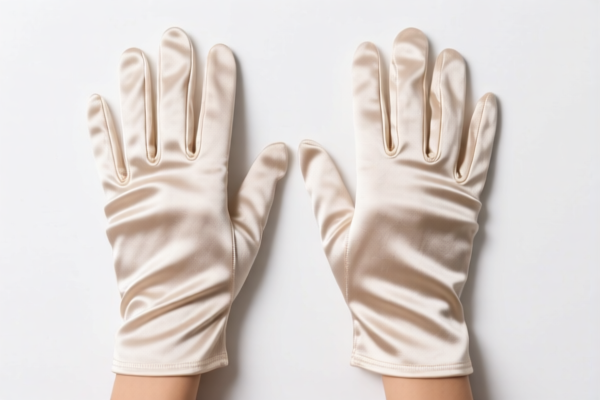
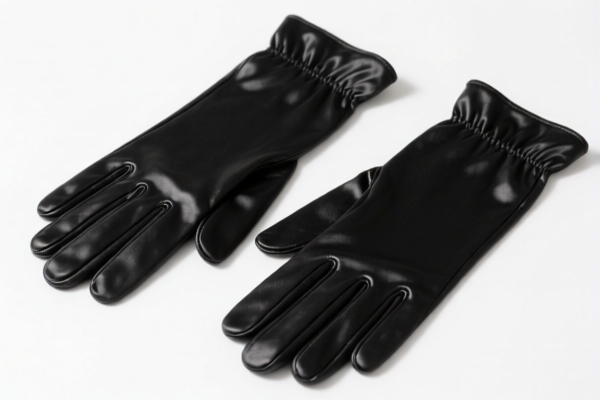
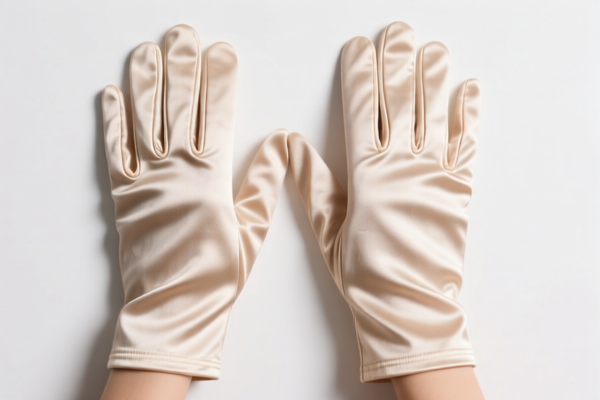
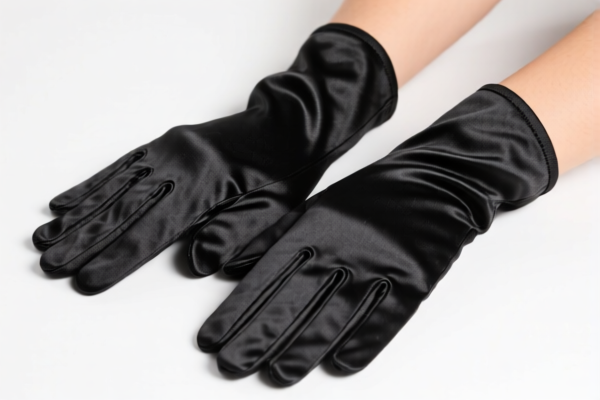
AI Analysis
🖤 Evening Gown Satin Gloves (Rose Red)
🌐 HS Code Reference & Customs Clearance Guide | 2026 Latest Tariff Analysis | Professional Entry Strategies
📌 I. Product Definition & Classification: Do You Really Understand "Evening Gown Satin Gloves"?
Evening Gown Satin Gloves are high-end fashion accessories designed to complement formal attire (such as evening gowns, tuxedos, or wedding dresses). They are characterized by their luxurious satin finish, specific color (Rose Red), and form factor as gloves.
In international trade, the classification of gloves depends heavily on two critical factors: 1. Material Composition: Is it made entirely of man-made fibers? Does it contain cotton or other natural fibers? 2. Structural Design: Do the fingers have separate seams/sections (fingered), or are they thumbless/cut-off (thimble/mitten style)?
⚠️ Key Distinction Point:
- If the gloves are made of man-made fibers and have no finger seams (e.g., thumbless or simple sleeve style) → Classified under 6116.99.48.00 or 6116.99.54.00 (depending on specific sub-seams).
- If the gloves contain 50% or more cotton/man-made fiber blends or fall into "other" categories not specifically listed above → Classified under 6216.00.29.30.
📦 II. HS Code Classification Details (2026 Latest Tariff Authority Comparison)
| HS Code | Product Description | Application Scenario | Key Differentiator |
|---|---|---|---|
6116.99.48.00 |
Satin Evening Gloves, Rose Red, Man-made Fibers, No Finger Seam Conflict | Formal wear, thumbless or seamless finger design | ✅ No finger separation |
6116.99.54.00 |
Satin Evening Gloves, Rose Red, Man-made Fibers, With Finger Structure | Formal wear, full-fingered with distinct seams | ✅ With finger structure |
6216.00.29.30 |
Other Gloves (Satin, Rose Red, Man-made Fibers or Cotton ≥50%) | Blended materials, or items not fitting specific 6116 sub-codes | ✅ Blend or "Other" category |
🔍 Important Reminder:
- Material is King: If the label says "100% Polyester" or "100% Nylon" (man-made fibers), check the finger structure first. - "Rose Red" is a specific aesthetic descriptor but does not change the HS code; it must be clearly stated on the invoice to avoid ambiguity. - "Satin" refers to the weave/finish. Ensure the material content is declared accurately to avoid misclassification between Knitted (6116) and Made-up (6216).
💰 III. 2026 Latest Tariff Rate Breakdown (Including Surcharges & Policy Add-ons)
✅ Applicable Country: United States (US)
✅ Country of Origin: China (CN)
✅ Effective Date: From November 10, 2025 (including subsequent imports)
🎯 1. 6116.99.48.00 – Evening Gloves, Rose Red, Man-made Fibers, No Finger Seam
| Item | Content |
|---|---|
| Base Tariff Rate | 18.8% (Ad Valorem) |
| Section 301 Surcharge | +0.0% |
| Section 122 Surcharge | +10.0% |
| Total Tax Rate | 28.8% |
| Tax Calculation | CIF Value × 28.8% |
| De Minimis Exemption | ❌ Not Applicable (Denied due to specific tariff codes) |
| Legal Basis Path | Section 122: 10% → USITC: 6116.99.48.00 → Base: 18.8% |
📌 Explanation:
- The Base Tariff of 18.8% applies to knitted gloves of man-made fibers. - Section 122 imposes an additional 10% on certain textile products. - No Section 301 (25%) surcharge applies to this specific sub-code, making it more favorable than some other textile categories. - Total Duty: 28.8%.
🎯 2. 6116.99.54.00 – Evening Gloves, Rose Red, Man-made Fibers, With Finger Structure
| Item | Content |
|---|---|
| Base Tariff Rate | 18.8% (Ad Valorem) |
| Section 301 Surcharge | +0.0% |
| Section 122 Surcharge | +10.0% |
| Total Tax Rate | 28.8% |
| Tax Calculation | CIF Value × 28.8% |
| De Minimis Exemption | ❌ Not Applicable |
| Legal Basis Path | Section 122: 10% → USITC: 6116.99.54.00 → Base: 18.8% |
📌 Note:
- Although this code specifies "With Finger Structure", the tariff rate remains identical to the non-fingered version. - The distinction is purely for statistical and customs verification purposes. Ensure your product description matches the physical structure to avoid inspection delays. - Total Duty: 28.8%.
🎯 3. 6216.00.29.30 – Other Gloves (Blends or Other Categories)
| Item | Content |
|---|---|
| Base Tariff Rate | 13.0% (Ad Valorem) |
| Section 301 Surcharge | +7.5% |
| Section 122 Surcharge | +10.0% |
| Total Tax Rate | 30.5% |
| Tax Calculation | CIF Value × 30.5% |
| De Minimis Exemption | ❌ Not Applicable |
| Legal Basis Path | Section 301: 7.5% → Section 122: 10% → USITC: 6216.00.29.30 → Base: 13.0% |
📌 Warning:
- This code applies if the gloves are blends (e.g., 50% Cotton + 50% Polyester) or do not fit the specific "man-made fiber" exclusions of 6116. - While the Base Tariff is lower (13.0% vs 18.8%), the Section 301 Surcharge of 7.5% pushes the total higher. - Total Duty: 30.5%, which is higher than the 6116 codes. Therefore, if your gloves are 100% man-made fiber, do not use this code unless explicitly required by customs rulings.
🛠️ IV. Customs Clearance Practical Advice (Battle-Tested Pitfall Avoidance)
✅ 1. Documentation Checklist (Must-Haves)
| Document | Required | Explanation |
|---|---|---|
| ✅ Product Specification Sheet | ✔️ | Must clearly state: Material (e.g., 100% Polyester), Length (e.g., Opera Length), Color (Rose Red). |
| ✅ Technical Drawings/Sketches | ✔️ | Must show finger structure (seamed vs. unseamed) to distinguish between 6116.99.48.00 and 6116.99.54.00. |
| ✅ Product Photos | ✔️ | Clear images of the glove’s interior (seams) and exterior (satin finish). |
| ✅ Commercial Invoice | ✔️ | Must include HS Code, description, CIF value, and country of origin. |
| ✅ Packing List | ✔️ | Detail quantities, weights, and dimensions. |
| ✅ Certificate of Origin (CO) | ✔️ | Mandatory for claiming any potential exemptions (though none apply here). |
✅ 2. Declaration Tips (Key Mantras)
🔥 “Material First, Structure Second, Description Precise, Taxes Predictable!”
| Scenario | Correct Declaration | Incorrect Practice |
|---|---|---|
| 100% Polyester, Thumbless | 6116.99.48.00 |
Mislabeling as "Cotton Blend" → 30.5% |
| 100% Polyester, Full Fingered | 6116.99.54.00 |
Using general "Gloves" code → 30.5% |
| 50% Cotton/50% Poly | 6216.00.29.30 |
Claiming 100% Man-made → Seizure Risk |
| Satin Finish | Mention "Satin" in description | Omitting finish → Potential re-classification |
✅ 3. Special Case Handling
| Situation | Handling Advice |
|---|---|
| OEM Custom Orders | Provide design proofs showing exact material and seam structure. |
| Sample vs. Bulk | Both are subject to the same duties. Do not under-declare samples. |
| Mixed Shipments | If shipping both sewn and thumbless gloves, split the declaration to ensure correct HS codes. |
| Dispute on "Man-made" | If material is ambiguous, customs may default to the higher-tariff or more general code. Test reports help. |
🌍 V. Global Main Market Comparison (2026 Latest)
| Country/Region | Recommended HS Code | Tariff Rate | Certification Requirements | Notes |
|---|---|---|---|---|
| 🇺🇸 USA | 6116.99.48.00 / 6116.99.54.00 |
28.8% | None specific | Highest due to Section 122 |
| 🇺🇸 USA | 6216.00.29.30 |
30.5% | None specific | Avoid if 100% man-made |
| 🇨🇳 China | 6116.99.48.00 |
Low/Zero (Import) | CE/RoHS (if applicable) | No major surcharges |
| 🇪🇺 EU | 6116.99 |
Varies (0-4%) | CE (if PPE) | No Section 122 equivalent |
| 🇬🇧 UK | 6116.99 |
Varies | UKCA (if applicable) | Post-Brexit rules apply |
📌 Conclusion:
- USA is the most complex market due to Section 122 (10%) surcharges on textiles. - China-origin satin gloves face a ~29-30% duty rate in the US. - Europe and other regions are significantly cheaper, but logistics and certification costs may vary.
📌 VI. Common Mistakes & Pitfall Guide (Lessons Learned)
❌ Mistake 1: Declaring "Satin Gloves" without specifying material
👉 Consequence: Customs may assign a default higher rate or require additional documentation → Delays.
❌ Mistake 2: Mixing "Thimble" (thumbless) and "Full Finger" gloves under one HS Code
👉 Consequence: Misclassification → Penalties or Audits.
❌ Mistake 3: Ignoring Section 122
👉 Consequence: Unexpected 10% extra cost on every shipment → Profit Margin Erosion.
❌ Mistake 4: Using "Textile Accessories" generic term
👉 Consequence: Vague description → Customs Holds for clarification.
✅ Correct Approach:
"Evening Gloves, Satin Finish, Rose Red, 100% Polyester, Opera Length, Full Fingered (Seamed), Model A, Made in China"
🎯 VII. Conclusion: Professional Declaration, Time-Saving, Cost-Effective!
🎯 Remember the Mantra:
🔹 "Structure Defines Code, Material Defines Rate, Section 122 Adds 10%, Precision Saves 100%!"
🔹 "HS Code Determines Fate, 2% Difference Means Thousands in Savings!"
📌 Pro Tip:
If your gloves are originating from Vietnam, Thailand, or Malaysia, you might be eligible for lower or zero tariffs under certain trade agreements.
Recommend Advance Ruling (Pre-classification) for large volumes to mitigate risk.
📣 Action Now:
📞 Contact a Professional Customs Broker + Provide Product Specs + Apply for HS Code Pre-ruling
🚀 Ensure your Evening Gown Satin Gloves clear customs smoothly, efficiently, and profitably!
✨ Professional Customs Clearance Starts with Accurate Classification!
💼 Every Cent of Cost is Worth Calculating Precisely!
Customer Reviews
About HS Code Classification
The Harmonized System (HS) is an internationally standardized nomenclature developed by the World Customs Organization (WCO) to classify traded products. Over 200 countries use the HS system as the basis for customs tariffs, trade statistics, and import/export regulations.
Each HS code follows a hierarchical structure:
- Chapter (2 digits) — Broad category of goods (e.g., Chapter 84: Machinery and Mechanical Appliances)
- Heading (4 digits) — More specific grouping within the chapter
- Subheading (6 digits) — Internationally standardized breakdown, used by all WCO member countries
- National subdivisions (8-10 digits) — Country-specific extensions for further classification, such as US HTSUS 10-digit codes
Correct HS code classification is essential for smooth customs clearance, accurate duty payment, and compliance with trade regulations. Misclassification can lead to customs delays, overpayment of duties, or penalties.
When importing from CN to US, the applicable tariff rates may include:
- Most-Favored-Nation (MFN) rate — The standard duty rate applied to WTO members
- General rate — Applied to countries without trade agreements
- Trade remedy duties — Additional tariffs such as Section 301 (anti-dumping), Section 232 (national security), or countervailing duties
The information provided on this page is for reference purposes only. For official classification, please consult with your local customs authority or a licensed customs broker.