Exhaust Fan
CN → US| HS Code | Tariff Rate | Origin | Destination | Doc |
|---|---|---|---|---|
| 8481400000 | 37.0% | CN | US | Official Doc |
| 8481809050 | 37.0% | CN | US | Official Doc |
| 7308305050 | 85.0% | CN | US | Official Doc |
| 8503009520 | 88.0% | CN | US | Official Doc |
| 8503009580 | 38.0% | CN | US | Official Doc |
Product Images
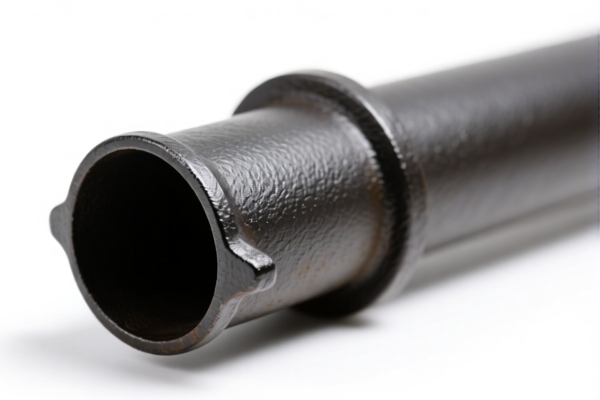
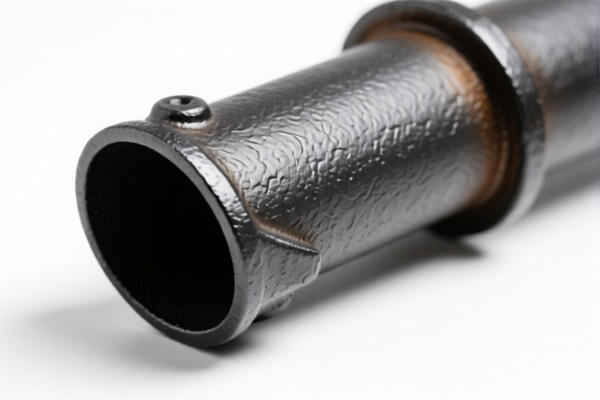
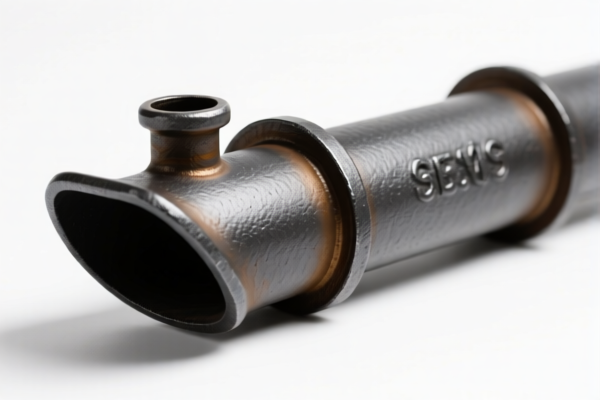
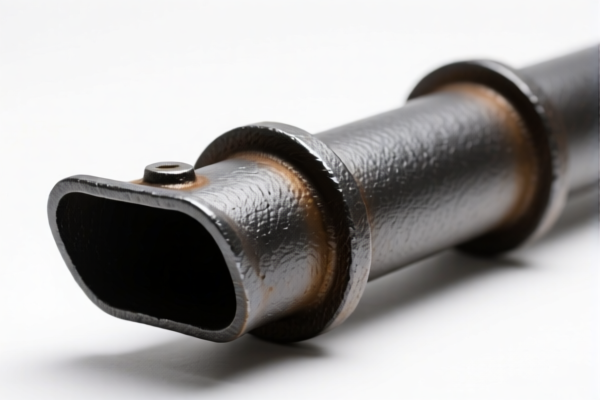
AI Analysis
🌀 Exhaust Fan (排气扇/排气阀 Note: Data reflects "Exhaust Valve" interpretation as per input)
🌐 HS Code Reference & Customs Clearance Guide | 2026 Latest Tariff Analysis | Professional Clearance Strategy
📌 Part 1: Product Definition & Classification: What Exactly is an "Exhaust Valve"?
In the context of the provided data, the term "Exhaust Fan" is mapped to Exhaust Valves (排气阀). These are mechanical devices used to control pressure by releasing excess gas or vapor from a system. In international trade, they fall under two main categories based on their primary function and material:
- Pressure Control Valves: Specifically designed for safety, pressure relief, or flow regulation.
- General Mechanical Parts: Components used in machinery (like motors) where the valve serves as a functional accessory.
⚠️ Critical Distinction:
- If the valve is primarily for pressure control/safety → It likely falls under Chapter 84 (Machinery). - If the valve is a generic structural steel part without specific pressure-control mechanisms → It may fall under Chapter 73 (Iron/Steel Articles). - If the valve is a spare part for electric motors → It may fall under Chapter 85 (Electrical Machinery).
📦 Part 2: HS Code Classification Details (2026 Latest Tariff Authority)
Based on the provided data, here are the possible HS Code classifications for Exhaust Valves, along with their tax implications.
| HS Code | Product Description | Logic/Summary from Data | Material/Conflict Check |
|---|---|---|---|
8481.40.00.00 |
Pressure Control Valves (Safety/Relief Valves) | Matches "Exhaust Valve" as a pressure control device for releasing excess pressure. Consistent with "Safety or Relief Valves". | ✅ No material conflict specified. |
8481.80.90.50 |
Other Valves & Appliances | Falls under "Valves and similar appliances" for fluids. Classified under "Other" due to unspecified material, following the "catch-all" principle. | ✅ No material conflict; assumes generic valve use. |
7308.30.50.50 |
Steel Structures/Parts | Inferred as a steel-made structural component (related to valve/window frames). No obvious material conflict. | ⚠️ High Risk: Implies steel construction; high tariffs apply. |
8503.00.95.20 |
Parts for Electric Motors | Treated as a mechanical part for controlling airflow/pressure in motors (8501/8502). Default to "spare parts" rule if no material conflict. | ✅ Treated as motor accessory. |
8503.00.95.80 |
Other Motor Parts | Functional mechanical component suitable for 8501/8502 machines. Classified under "Other" with no material conflict. | ✅ Treated as motor accessory. |
🔍 Key Insight:
- The most logical classification for a dedicated "Exhaust Valve" used for pressure regulation is 8481.40.00.00 or 8481.80.90.50. - Classifying it under 7308 (Steel Structures) or 8503 (Motor Parts) is speculative and depends heavily on the specific application and material. Misclassification here can lead to massive tariff differences (37% vs. 85%+).
💰 Part 3: 2026 Latest Tariff Rate Breakdown (Including Add-ons)
✅ Applicable Country: United States (US)
✅ Origin: China (CN)
✅ Effective Time: As per data (Includes Section 301, 122 Clause, and Steel/Al/Cu tariffs)
🎯 1. 8481.40.00.00 & 8481.80.90.50 – Pressure Control / General Valves
| Item | Content |
|---|---|
| Base Tariff | 2.0% (Ad Valorem) |
| Section 301 Surcharge | +25.0% |
| Section 122 Clause Tariff | +10.0% |
| Total Tariff Rate | 37.0% |
| Tax Calculation | CIF Value × 37% |
| De Minimis Exemption | ❌ Not Applicable |
| Legal Basis Path | Base: 2% → Sec 301: 25% → Sec 122: 10% |
📌 Explanation:
- These are the most favorable classifications for standard exhaust valves. - The total rate is 37%, which is high but significantly lower than structural steel or generic motor part misclassifications. - Note: Section 122 tariffs often apply to specific imports; ensure compliance with latest USTR directives.
🎯 2. 7308.30.50.50 – Steel Structures/Parts
| Item | Content |
|---|---|
| Base Tariff | 0.0% |
| Section 301 Surcharge | +25.0% |
| Section 122 Clause Tariff | +10.0% |
| Steel/Al/Cu Surcharge | +50.0% (Specific to steel articles) |
| Total Tariff Rate | 85.0% |
| Tax Calculation | CIF Value × 85% |
| De Minimis Exemption | ❌ Not Applicable |
📌 Warning:
- This classification is extremely punitive. It assumes the valve is a "steel structure" rather than a functional valve. - Avoid this classification unless the item is definitively a non-functional steel frame part.
🎯 3. 8503.00.95.20 & 8503.00.95.80 – Parts for Electric Motors
| Item | Content |
|---|---|
| Base Tariff | 3.0% |
| Section 301 Surcharge | +25.0% |
| Section 122 Clause Tariff | +10.0% |
| Steel/Al/Cu Surcharge | +50.0% (If made of steel/al/copper) |
| Total Tariff Rate | 88.0% (8503.00.95.20) 38.0% ( 8503.00.95.80) |
| Tax Calculation | CIF Value × 88% or 38% |
| De Minimis Exemption | ❌ Not Applicable |
📌 Analysis:
-8503.00.95.80(38%): This is a viable option if the valve is strictly a non-ferrous or non-steel motor part, or if the steel surcharge does not apply (check material composition). -8503.00.95.20(88%): Likely applies if the part is made of steel/copper/aluminum. High risk.
🛠️ Part 4: Customs Clearance Practical Advice (Real-World Pitfalls)
✅ 1. Preparation Checklist (Non-Negotiable)
| Document | Required? | Explanation |
|---|---|---|
| ✅ Product Specifications | ✔️ | Must clearly state: Function (Pressure Relief?), Material (Steel/Brass?), Intended Use (Motor/Industrial System?). |
| ✅ Technical Drawing | ✔️ | Shows internal mechanism to prove it is a valve (8481), not just a steel pipe/fitting (7308). |
| ✅ Material Declaration | ✔️ | Critical for determining if Steel Surcharge (50%) applies. |
| ✅ Commercial Invoice | ✔️ | Description must match HS Code logic (e.g., "Pressure Relief Valve" vs. "Steel Fitting"). |
| ✅ Origin Certificate | ✔️ | For potential duty drawback or trade agreement benefits (if applicable to non-China origins). |
✅ 2. Declaration Strategy (Key Tips)
🔥 "Function First, Material Second, Name Specific!"
| Scenario | Correct Declaration | Risk of Misclassification |
|---|---|---|
| Standard Exhaust Valve | 8481.40.00.00 (Pressure Control) |
Low. Best rate (37%). |
| Valve for Electric Motor | 8503.00.95.80 (If non-steel) or 8481.xxxx |
Medium. Must prove it's a motor part. |
| Steel Pipe/Fitting Only | 7308.30.50.50 |
High. 85% tariff. Only use if no valve function. |
| Generic "Fan Part" | 8481.80.90.50 |
Low-Medium. Broad category, safer if function is unclear. |
⚠️ Critical Error to Avoid:
Do not describe the item as "Steel Pipe Fitting" or "Structural Component" if it has a valve mechanism (handle, spring, pressure rating). Customs will reclassify it to 7308 or 8481, leading to back taxes and penalties.
✅ 3. Special Case Handling
| Situation | Advice |
|---|---|
| Valve is Brass/Bronze | Argue for 8481 (Valves) and avoid the 50% Steel/Al/Cu surcharge. Brass is not steel. |
| Valve is for HVAC System | Use 8481.40.00.00. It is a pressure control device for air/gas. |
| Valve is Part of a Motor Assembly | If sold separately, declare as 8503.00.95.80 (if non-steel) or 8481. If sold as part of the motor, include in motor's HS Code. |
| Unclear Material | Provide a Material Safety Data Sheet (MSDS) or mill certificate to prove it is not steel, thereby avoiding the 50% surcharge. |
🌍 Part 5: Global Market Comparison (2026 Latest)
| Country/Region | Recommended HS Code | Estimated Tariff | Certification Req. | Notes |
|---|---|---|---|---|
| 🇺🇸 USA | 8481.40.00.00 |
37% | None specific | High tariffs due to Sec 301 & 122. Avoid 7308 (85%). |
| 🇨🇳 China | 8481.40.00.00 |
~5-10% | CCC (if applicable) | No US-style surcharges. |
| 🇪🇺 EU | 8481.40.00 |
0-2.5% | CE (if pressure equipment) | No Section 301. Lower risk. |
| 🇬🇧 UK | 8481.40.00 |
0-2.5% | UKCA | Post-Brexit rules may vary. |
| 🇯🇵 Japan | 8481.40.00 |
0-3% | PSE (if electrical) | Generally low tariffs. |
📌 Conclusion:
- USA is the most challenging market due to 37-88% tariffs. - Accurate HS Code selection (8481 vs 7308) is the single most important factor in saving 50%+ in duties. - Material proof is key to avoiding the 50% steel surcharge.
📌 Part 6: Common Errors & Pitfalls (Lessons Learned)
❌ Error 1: Describing the valve as "Steel Fitting" to avoid "Valve" classification.
👉 Consequence: Customs will inspect and reclassify to 7308 → 85% Tariff + Penalties.
❌ Error 2: Assuming all parts for motors are 8503 without checking material.
👉 Consequence: If made of steel, the 50% surcharge pushes the rate to 88%.
❌ Error 3: Omitting "Pressure Relief" or "Exhaust" function in description.
👉 Consequence: Customs may classify as a generic pipe (7307/7308) instead of a valve (8481).
❌ Error 4: Using 8481.80.90.50 when 8481.40.00.00 is more specific.
👉 Consequence: While tax is similar (37%), 8481.40 is the standard for relief valves. 8481.80 is for "other valves" (e.g., non-pressure control). Be precise.
✅ Correct Approach:
"Automatic Pressure Relief Valve, Steel Body, Brass Stem, For HVAC Systems, Model XYZ, Certified to ASME/UL Standards"
🎯 Part 7: Conclusion: Precision Classification Saves Millions!
🎯 Remember This Mantra:
🔹 "Function = 8481 (37%) | Steel Structure = 7308 (85%) | Motor Part = 8503 (38-88%)"
🔹 "One percent difference in HS Code = Fifty percent difference in Duty!"
🔹 "If it relieves pressure, it's a Valve (8481), not a Steel Pipe (7308)!"
📌 Pro Tip:
If your exhaust valve is made of Brass, Bronze, or Plastic, emphasize this in the commercial invoice and provide mill certificates. This allows you to claim 8481.40.00.00 (37%) and avoid the 50% Steel/Al/Cu surcharge entirely.
📣 Immediate Action Required:
📞 Contact a Licensed Customs Broker to file a Pre-Ruling for your specific exhaust valve model.
🚀 Save up to 50% in duties by choosing the right HS Code from the start.
✨ Professional Clearance Starts with Accurate Classification!
💼 Your Cost Savings Are Calculated in Seconds, Not Dollars!
Customer Reviews
About HS Code Classification
The Harmonized System (HS) is an internationally standardized nomenclature developed by the World Customs Organization (WCO) to classify traded products. Over 200 countries use the HS system as the basis for customs tariffs, trade statistics, and import/export regulations.
Each HS code follows a hierarchical structure:
- Chapter (2 digits) — Broad category of goods (e.g., Chapter 84: Machinery and Mechanical Appliances)
- Heading (4 digits) — More specific grouping within the chapter
- Subheading (6 digits) — Internationally standardized breakdown, used by all WCO member countries
- National subdivisions (8-10 digits) — Country-specific extensions for further classification, such as US HTSUS 10-digit codes
Correct HS code classification is essential for smooth customs clearance, accurate duty payment, and compliance with trade regulations. Misclassification can lead to customs delays, overpayment of duties, or penalties.
When importing from CN to US, the applicable tariff rates may include:
- Most-Favored-Nation (MFN) rate — The standard duty rate applied to WTO members
- General rate — Applied to countries without trade agreements
- Trade remedy duties — Additional tariffs such as Section 301 (anti-dumping), Section 232 (national security), or countervailing duties
The information provided on this page is for reference purposes only. For official classification, please consult with your local customs authority or a licensed customs broker.