Exhaust Pipe
CN → US| HS Code | Tariff Rate | Origin | Destination | Doc |
|---|---|---|---|---|
| 7307933040 | 91.2% | CN | US | Official Doc |
| 8708925000 | 37.5% | CN | US | Official Doc |
| 7307995045 | 89.3% | CN | US | Official Doc |
| 7307933040 | 91.2% | CN | US | Official Doc |
| 8708925000 | 37.5% | CN | US | Official Doc |
Product Images
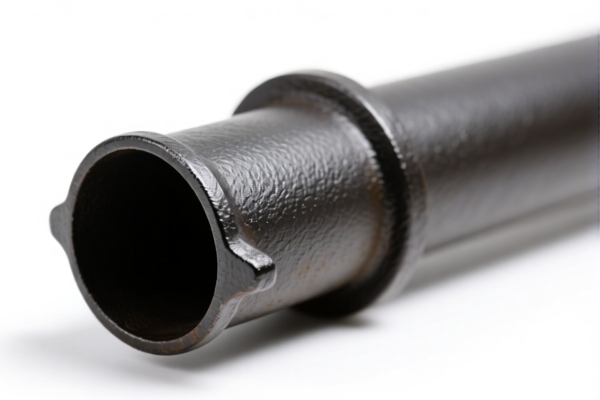
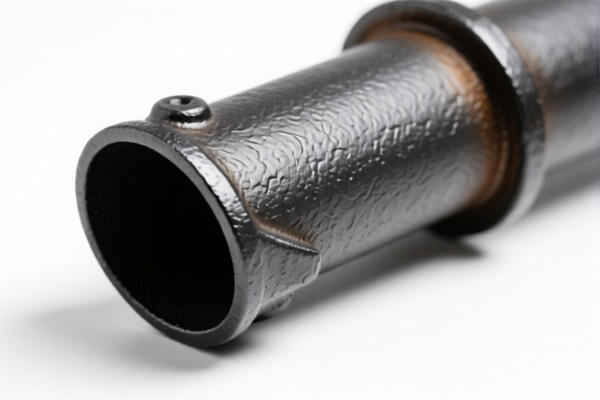
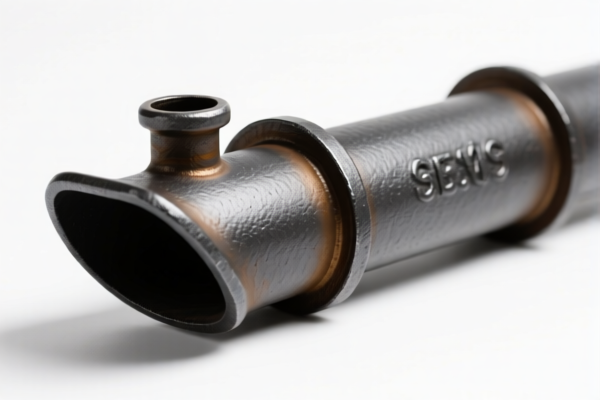
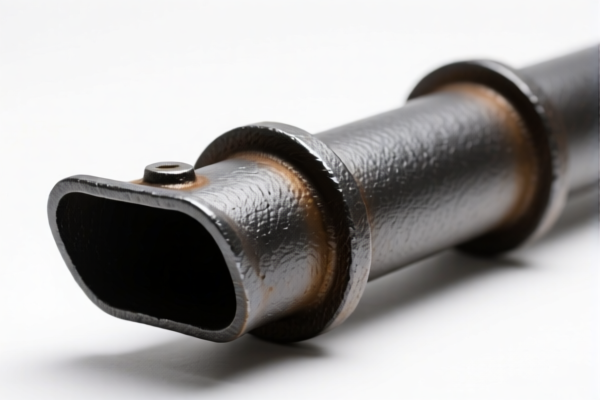
AI Analysis
🚗 Exhaust Pipes (Automotive Exhaust Systems)
🌐 HS Code Reference & Clearance Guide | 2026 Latest Tariff Analysis | Professional Customs Strategy
📌 I. Product Definition & Classification: What Exactly is an "Exhaust Pipe"?
An Exhaust Pipe (or Exhaust System) is a critical automotive component responsible for routing combustion gases away from the engine to the rear of the vehicle, reducing noise, and minimizing harmful emissions. In international trade, it falls into two primary categories:
- Metal Piping/Fittings (Hscode 7307.xxxx): Viewed as industrial or automotive-grade steel pipes, flanges, elbows, or reducers. Focus is on material (Iron/Non-alloy Steel) and form (Pipe Fitting).
- Vehicle Parts (HScode 8708.xxxx): Viewed as a specific part of the motor vehicle. Focus is on function (Part of the car) and application (Automotive).
⚠️ Key Distinction Point:
- If declared as "Steel Pipe Fitting" (generic metal part) → Likely falls under Chapter 73 (Iron/Steel Articles) → HIGH TARIFF (89-91%).
- If declared as "Automotive Part" (specific to cars/trucks) → Likely falls under Chapter 87 (Vehicles) → LOWER TARIFF (37.5%).
📦 II. HS Code Classification Details (2026 Latest Tariff Data)
Based on the provided data, here are the specific HS Codes and their corresponding tax breakdowns.
| HS Code | Product Description | Classification Logic | Total Tax Rate |
|---|---|---|---|
| 7307.93.30.40 | Steel Pipe Fittings (Welded/Seamless) | Material: Iron/Non-alloy Steel. Form: Pipe Fitting. Use: Automotive Exhaust. Logic: Classified as steel fitting, not vehicle part. |
91.2% |
| 7307.99.50.45 | Other Iron/Steel Tube Fittings | Material: Iron/Non-alloy Steel. Form: Fitting/Accessory. Use: Exhaust System. Logic: Classified under "Other" fittings if not strictly standard welded. |
89.3% |
| 8708.92.50.00 | Parts & Accessories of Motor Vehicles | Function: Exhaust System/Part. Material: Metal. Logic: Classified specifically as a vehicle component. |
37.5% |
🔍 Critical Analysis:
- HS 7307.93.30.40 & 7307.99.50.45: These codes classify the item primarily as steel products. They trigger the "122 Clause" (Steel/Aluminum/Copper Tariff), resulting in very high duties. - HS 8708.92.50.00: This code classifies the item as a vehicle part. It avoids the heavy steel-specific surcharges but still applies standard auto-part duties. - Difference: Choosing Chapter 87 can save you ~50-54% in total taxes compared to Chapter 73.
💰 III. 2026 Latest Tariff Rate Breakdown (Detailed)
✅ Applicable Country: United States (US)
✅ Origin: China (CN)
✅ Effective Time: Ongoing (See specific notes below)
🎯 1. 7307.93.30.40 & 7307.99.50.45
(Classification: Iron/Steel Pipe Fittings)
| Item | Details |
|---|---|
| Base Duty | 4.3% - 6.2% (Ad Valorem) |
| Section 301 Surcharge | +25.0% (Standard US-China trade war tariff) |
| Section 232 / 122 Clause | +50.0% (Specific surcharge for Steel/Aluminum/Copper products under certain interpretations/clauses) |
| Total Effective Tax | 89.3% - 91.2% |
| De Minimis Exemption? | ❌ NO (High-risk for low-value shipments; strictly monitored) |
| Legal Basis | USITC Duty Tables + Section 232/301 Footnotes |
📌 Explanation:
- The 50% surcharge is the killer here. It applies because the item is considered a steel product. - Even if the base duty is low (4-6%), the 25% (301) + 50% (Steel) makes the total burden extreme. - Warning: Customs may interpret "exhaust pipe" as a steel product unless proven to be a finished automotive part.
🎯 2. 8708.92.50.00
(Classification: Parts of Motor Vehicles)
| Item | Details |
|---|---|
| Base Duty | 2.5% (Ad Valorem) |
| Section 301 Surcharge | +25.0% (Standard US-China trade war tariff) |
| Section 232 / Steel Surcharge | 0% (Not classified as raw steel/industrial steel fitting) |
| Total Effective Tax | 37.5% |
| De Minimis Exemption? | ❌ NO (Auto parts are generally excluded from 800 USD de minimis if from China) |
| Legal Basis | USITC Duty Tables + Section 301 Footnotes |
📌 Explanation:
- This is the most cost-effective classification if your product is clearly a finished automotive component. - You pay only the standard 301 tariff (25%) + base duty (2.5%). - Savings: Compared to 91.2%, you save 53.7% on every shipment!
🛠️ IV. Clearance Practical Advice (Pitfall Avoidance Guide)
✅ 1. Documentation Checklist (Must-Have)
| Document | Requirement | Purpose |
|---|---|---|
| Commercial Invoice | Must state: "Automotive Exhaust Pipe / System, Part No. XXX, Fitment: [Car Model]" | Proves it's a vehicle part, not generic steel. |
| Product Photo | Clear view of bends, flanges, mounting points, and catalytic converter (if any). | Helps customs officer distinguish between "industrial pipe" and "car part". |
| Fitment List | List of compatible vehicles (e.g., "Fits 2018-2022 Toyota Camry"). | Strong evidence for HS 8708 (Vehicle Part). |
| Material Cert | Mill Test Certificate (MTC) or Declaration of Material (Stainless Steel/Aluminized Steel). | Confirms material, but doesn't override function. |
| OEM Part Number | Reference to original manufacturer part number (if applicable). | Links directly to automotive industry standards. |
✅ 2. Declaration Strategy (Key Tips)
🔥 "Fitment Dictates Fate, Not Material Alone!"
| Scenario | Recommended HS Code | Risk |
|---|---|---|
| Universal Fitment (No specific car model) | 7307.93.30.40 (91.2%) | ⚠️ High Risk. Likely seen as generic steel fitting. |
| Specific Fitment (e.g., "For Ford F-150") | 8708.92.50.00 (37.5%) | ✅ Low Risk. Clearly a vehicle part. |
| Raw Pipe (Uncut, straight) | 7306.30.00.00 | ⚠️ High Risk. Industrial pipe. |
| Welded Pipe with Flanges (Ready to install) | 8708.92.50.00 | ✅ Preferable. Finished article. |
📌 Crucial Tip:
- If you declare as 8708, ensure the description emphasizes "Automotive Use" and "Specific Fitment". - If you declare as 7307, you are admitting it is a steel product, triggering the 50% steel tariff. Avoid this unless necessary.
✅ 3. Special Cases & Exceptions
| Situation | Advice |
|---|---|
| Catalytic Converter Included | If it includes a catalytic converter, it may still be 8708.92, but ensure EPA/TIER compliance if sold in the US. |
| Aftermarket vs. OEM | Both can be 8708.92. Aftermarket is fine as long as fitment is clear. |
| Used Exhaust Pipes | PROHIBITED for import into the US due to EPA regulations. Do not ship used. |
| Shipments < $800 (De Minimis) | ❌ Do Not Rely. Auto parts from China are generally excluded from the 800 USD de minimis exemption under Section 321. Expect full duty. |
🌍 V. Global Market Comparison (2026)
| Country | Recommended HS Code | Est. Tax Rate | Key Requirement |
|---|---|---|---|
| 🇺🇸 USA | 8708.92.50.00 | 37.5% | Fitment List, EPA Compliance (if cat included). |
| 🇺🇸 USA | 7307.93.30.40 | 91.2% | Avoid unless misclassified. |
| 🇨🇳 China | 7307 / 8708 | 0% - 4.5% | Standard import tax. |
| 🇪🇺 EU | 8708.92 / 7307 | 0% - 4.5% | CE/Euro 6 Compliance for parts. |
| 🇨🇦 Canada | 8708.92 | 0% - 5% | CUSMA/USMCA Eligibility (if manufactured in NA). |
📌 Conclusion for US Importers:
- Target HS Code: 8708.92.50.00.
- Target Tax: 37.5%.
- Avoid: 7307 codes (91.2%) unless you have no other option and can prove it's a raw material.
📌 VI. Common Mistakes & Pitfalls (Lessons Learned)
❌ Mistake 1: Declaring as "Steel Pipe" to look simple.
👉 Result: Customs sees "Steel" → Applies 50% Steel Tariff → 91.2% Tax.
👉 Fix: Declare as "Automotive Exhaust Pipe".
❌ Mistake 2: Using "Universal Fitment" for specific car parts.
👉 Result: Customs sees "Generic Steel Fitting" → 7307 Code → High Tax.
👉 Fix: List specific vehicle applications on the invoice.
❌ Mistake 3: Assuming De Minimis ($800) applies.
👉 Result: Package held, duties collected, penalties applied.
👉 Fix: Budget for full duties (37.5%) in your pricing model.
❌ Mistake 4: Ignoring EPA/Catalytic Converter Rules.
👉 Result: Goods seized by EPA/Customs if catalytic converters are non-compliant.
👉 Fix: Ensure all parts with cats have EPA TIER certification.
🎯 VII. Conclusion: Smart Classification, Massive Savings
🎯 Remember the Rule:
🔹 "Part of a Car = 37.5%"
🔹 "Steel Pipe = 91.2%"
🔹 The difference is 54%! That's more than half your cost!
📌 Action Plan:
1. Update Invoices: Add "Fitment: [Year/Make/Model]" to all descriptions.
2. Consult Broker: Ask your customs broker to classify under 8708.92.50.00 using the "Part of Vehicle" argument.
3. Document Fitment: Keep a fitment list ready for customs inspection.
4. Avoid Steel Codes: Do not use 7307 codes unless you are importing raw steel tubing, not finished exhaust systems.
📣 Immediate Action:
🚀 Optimize Your Landed Cost: Switch to HS 8708.92.50.00 and save ~54% in duties.
🛡️ Stay Compliant: Ensure all declarations reflect the automotive nature of the product.
✨ Professional Clearance Starts with Precise Classification!
💼 Don't let 50% steel tariffs eat your profits!
Customer Reviews
About HS Code Classification
The Harmonized System (HS) is an internationally standardized nomenclature developed by the World Customs Organization (WCO) to classify traded products. Over 200 countries use the HS system as the basis for customs tariffs, trade statistics, and import/export regulations.
Each HS code follows a hierarchical structure:
- Chapter (2 digits) — Broad category of goods (e.g., Chapter 84: Machinery and Mechanical Appliances)
- Heading (4 digits) — More specific grouping within the chapter
- Subheading (6 digits) — Internationally standardized breakdown, used by all WCO member countries
- National subdivisions (8-10 digits) — Country-specific extensions for further classification, such as US HTSUS 10-digit codes
Correct HS code classification is essential for smooth customs clearance, accurate duty payment, and compliance with trade regulations. Misclassification can lead to customs delays, overpayment of duties, or penalties.
When importing from CN to US, the applicable tariff rates may include:
- Most-Favored-Nation (MFN) rate — The standard duty rate applied to WTO members
- General rate — Applied to countries without trade agreements
- Trade remedy duties — Additional tariffs such as Section 301 (anti-dumping), Section 232 (national security), or countervailing duties
The information provided on this page is for reference purposes only. For official classification, please consult with your local customs authority or a licensed customs broker.