Experimental Color Film
CN → US| HS Code | Tariff Rate | Origin | Destination | Doc |
|---|---|---|---|---|
| 3702520130 | 38.7% | CN | US | Official Doc |
| 3704000000 | 35.0% | CN | US | Official Doc |
| 3702310100 | 38.7% | CN | US | Official Doc |
| 3702550030 | 35.0% | CN | US | Official Doc |
Product Images
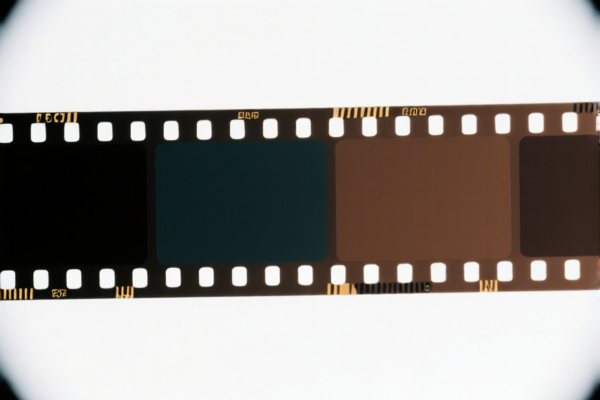
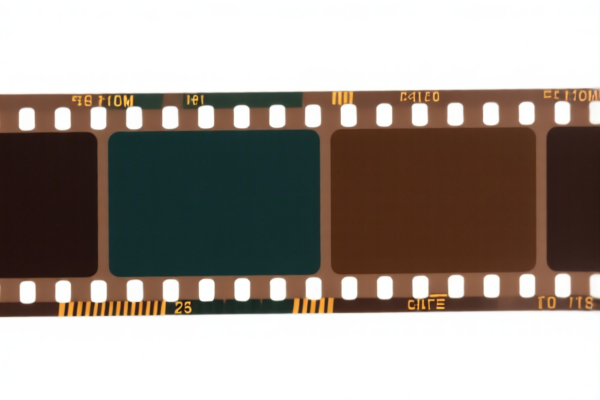
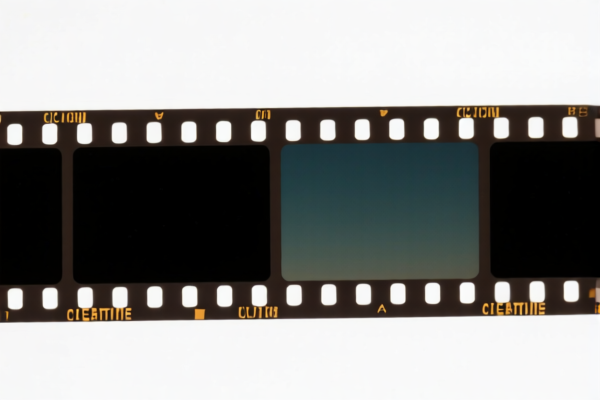

AI Analysis
🎞️ Experimental Color Film (Photographic Film)
🌐 HS Code Reference & Customs Clearance Guide | 2024/2025 Latest Tariff Analysis | Professional Transit Strategy
📌 1. Product Definition & Classification: What Exactly is "Experimental Color Film"?
"Experimental Color Film" typically refers to unexposed or partially processed photographic film designed for artistic, industrial, or specialized testing purposes. In international trade, it falls under Chapter 37: Photographic or Cinematic Goods. The critical distinction lies in whether the film is: - Unexposed Negatives/Positives: Raw material for photography (HS 3702). - Exposed but Unprocessed: Developed or undeveloped images on film base (HS 3704).
⚠️ Key Distinction Point:
- If the film is raw, unexposed, and intended for future use → Classified under 3702.
- If the film has been exposed (light-sensitive) but not yet chemically processed into images → Classified under 3704.00.00.00.
- Note: "Experimental" does not change the HS Code; the physical state (exposed vs. unexposed) and chemical nature (color reversal vs. negative) dictate the code.
📦 2. HS Code Classification Details (Based on Provided Data)
The following HS Codes are derived strictly from the provided dataset <DATA>. Each entry includes the tax breakdown for imports (likely from China to the US, given the "Section 122" and "25%" surcharges).
| HS Code | Product Description | Tax Rate | Tax Breakdown (Detailed) | Key Attributes |
|---|---|---|---|---|
3702.52.01.30 |
Color Reversal Film (Ektachrome type) Color negative/positive film, specifically identified as color reversal film. Made of light-sensitive material. Matches color film characteristics. |
38.7% | Base Tariff: 3.7% Section 301 Surcharge: 25.0% Section 122 Tariff: 10% |
Core attribute: Reversal Film (Color Slide). Raw/Unexposed. |
3704.00.00.00 |
Exposed Photographic Film Color film or color positive film, in film form. Material: Photographic film that has been exposed but not yet developed. |
35.0% | Base Tariff: 0.0% Section 301 Surcharge: 25.0% Section 122 Tariff: 10% |
Core attribute: Exposed but Undeveloped. Film form. |
3702.31.01.00 |
General Color Film Color film containing elements of color and film. Material: Light-sensitive material, non-paper, non-textile. |
38.7% | Base Tariff: 3.7% Section 301 Surcharge: 25.0% Section 122 Tariff: 10% |
General color film, unexposed. Non-paper base. |
3702.55.00.30 |
Color Positive Film Color reversal film. Material: Light-sensitive material. Meets specific specification characteristics. |
35.0% | Base Tariff: 0.0% Section 301 Surcharge: 25.0% Section 122 Tariff: 10% |
Specific: Color Positive/Reversal. Unexposed. |
3702.52.01.30 |
Color Film (Reversal Type) Corresponds to the core attribute of reversal film. Form and usage fully match the color film classification. |
38.7% | Base Tariff: 3.7% Section 301 Surcharge: 25.0% Section 122 Tariff: 10% |
Reiteration of 3702.52.01.30. Focus on reversal nature. |
🔍 Important Note:
- HS 3704 applies only if the film has been exposed to light but not chemically fixed. If it is raw, unused film, it must go under 3702. - "Experimental" is not a customs term. You must declare the physical state: Raw (3702) vs. Exposed (3704). - All listed HS codes are subject to US Section 301 (25%) and Section 122 (10%) tariffs, likely indicating origin from China.
💰 3. Tariff Rate Analysis (2024/2025 Update)
✅ Applicable Country: United States (US)
✅ Origin: China (CN) (Inferred from "122 Clause" and "25% Section 301")
✅ Effective Date: Ongoing (Check latest USITC updates)
🎯 1. Unexposed Color Film (HS 3702 Series: 3702.31, 3702.52, 3702.55)
| Item | Detail |
|---|---|
| Base Duty Rate | 0% or 3.7% (varies by specific sub-heading) |
| USITC Surcharge (Sec 301) | +25% |
| Section 122 Tariff | +10% |
| Total Effective Rate | 35.0% or 38.7% |
| Calculation Basis | CIF Value × Total Rate |
| De Minimis Exemption | ❌ Not Eligible (Shipments under $800 generally do not apply to Chapter 37 goods from China due to Section 301/122 restrictions) |
| Legal Authority | USITC HTS 3702 + Footnotes for Sec 301 & Sec 122 |
📌 Explanation:
- Section 122 Tariff (10%): Often applied to imports deemed to be "dumped" or causing market disruption, or as a specific trade remedy. In this context, it’s paired with the standard 25% Section 301 tariff. - Base Rate: Varies between 0% and 3.7% depending on whether it's "other" color film (3702.55/3704 equivalent logic) vs. specific reversal film (3702.52).
🎯 2. Exposed but Undeveloped Film (HS 3704.00.00.00)
| Item | Detail |
|---|---|
| Base Duty Rate | 0.0% |
| USITC Surcharge (Sec 301) | +25% |
| Section 122 Tariff | +10% |
| Total Effective Rate | 35.0% |
| Calculation Basis | CIF Value × 35.0% |
| De Minimis Exemption | ❌ Not Eligible |
📌 Explanation:
- Even though the base rate is 0%, the surcharges make the total cost high. - Critical: If you declare "Experimental Film" without specifying if it’s exposed, Customs may detain it for re-classification. If it’s exposed, it’s 3704 (35%). If it’s raw, it’s 3702 (38.7% or 35% depending on type).
🛠️ 4. Customs Clearance Practical Advice (Real-World Pitfall Avoidance)
✅ 1. Required Documentation Checklist
| Document | Must Provide? | Explanation |
|---|---|---|
| ✅ Product Specification Sheet | ✔️ | Must specify: Color vs. B&W, Reversal vs. Negative, Exposed vs. Unexposed. |
| ✅ Commercial Invoice | ✔️ | Clearly state: "Unexposed Photographic Film" or "Exposed Photographic Film, Not Developed". Do not just write "Experimental Film". |
| ✅ Certificate of Origin | ✔️ | Critical for proving origin to apply/avoid surcharges. |
| ✅ Photo of Product & Packaging | ✔️ | Show labels, ISO speed, film width (e.g., 35mm, 120), and brand. |
| ✅ MSDS (Material Safety Data Sheet) | ✔️ | Required for shipping due to chemical nature of film emulsions. |
✅ 2. Declaration Tips (Key Mantra)
🔥 "State the State: Exposed or Raw? Name the Type: Color or B&W? Avoid 'Experimental'!"
| Situation | Correct Declaration | Incorrect Declaration |
|---|---|---|
| Raw, unused color film for testing | "Unexposed Color Reversal Film, 35mm, Photographic Material" | "Experimental Film" |
| Raw, unused color negative film | "Unexposed Color Negative Film, Photographic Material" | "Film Roll" |
| Used film, waiting for development | "Exposed Photographic Film, Undeveloped" | "Used Film" |
| Artistic film with no clear type | Provide detailed specs to avoid 3702 vs 3704 error | Vague description |
✅ 3. Special Cases
| Situation | Handling Advice |
|---|---|
| OEM/Custom Film | Provide manufacturer declaration confirming it is standard photographic film, not hazardous material. |
| Sample Shipments | Even samples are subject to 35-38.7% tariffs if from China. Do not assume "samples" are duty-free. |
| Mixed Shipments | If packing both 3702 and 3704, declare separately. Misdeclaring exposed as unexposed can lead to penalties for undervaluation. |
| Chemical Sensitivity | Film is sensitive to X-rays. Request Hand Carry Inspection or Non-X-Ray Screening at customs to prevent film fogging. |
🌍 5. Global Market Comparison (2024/2025)
| Country/Region | Recommended HS Code | Tariff (China Origin) | Certification | Notes |
|---|---|---|---|---|
| 🇺🇸 USA | 3702.52.01.30 / 3704.00.00.00 |
35.0% - 38.7% | FDA (if applicable), MSDS | High tariffs due to Sec 301/122. |
| 🇨🇳 China | 3702 / 3704 |
0% - 3% (Import Duty) | CCC (if electronic components) | Low import duty, but export restrictions may apply. |
| 🇪🇺 EU | 3702 / 3704 |
0% (Most FTA) | CE (if electronic) | No Section 301 equivalent, but VAT applies. |
| 🇯🇵 Japan | 3702 / 3704 |
0% - 3.5% | PSE (if electronic) | Stable tariff regime. |
📌 Conclusion:
- The US market is the most expensive for Chinese-origin film due to layered tariffs (Base + 25% + 10%). - EU, Japan, and China offer significantly lower duties, but VAT/GST still applies.
📌 6. Common Mistakes & Pitfalls (Lessons Learned)
❌ Mistake 1: Declaring "Experimental Film" without specifying exposed status.
👉 Consequence: Customs detention for re-classification. Delayed shipment by 2-4 weeks.
❌ Mistake 2: Using De Minimis (Section 321) for shipments under $800.
👉 Consequence: Denied entry. Chapter 37 goods from China are explicitly excluded from de minimis exemptions when subject to Section 301/122 tariffs. You must pay duties upfront.
❌ Mistake 3: Ignoring X-ray sensitivity.
👉 Consequence: Film fogging. Returns/claims. Always request manual inspection.
❌ Mistake 4: Misclassifying "Positive" vs "Negative" film.
👉 Consequence: While tax rate might be similar (35-38.7%), incorrect description can lead to audits. Be precise: "Reversal" vs "Negative".
✅ Correct Practice:
"Unexposed Color Reversal Film, 35mm, 100ISO, for Photographic Experimentation, Manufacturer: [Name], Origin: China."
🎯 7. Conclusion: Precision in Classification Saves Money!
🎯 Remember the Mantra:
🔹 "Exposed = 3704 (35%) / Unexposed = 3702 (35-38.7%)"
🔹 "No De Minimis for China Film!"
🔹 "Always Say 'Unexposed' or 'Exposed'!"
📌 Pro Tip:
If you are shipping to the US, budget for a total landed cost increase of ~36-39% due to tariffs. Consider:
1. Advance Ruling: Apply for a binding ruling from CBP if the film type is ambiguous.
2. Third-Country Transshipment: If possible, route through countries not subject to Sec 301/122 (e.g., Vietnam, Mexico) – ensure substantial transformation occurs.
3. Insurance: Ensure cargo insurance covers tariff risks if duties are paid post-audit.
📣 Immediate Action:
📞 Consult a licensed customs broker.
📦 Provide detailed product specs (Exposed/Unexposed, Type).
🚀 Plan for high tariff costs in your pricing model.
✨ Professional Customs Clearance Starts with Accurate Classification!
💼 Every percentage point matters in cross-border trade!
Customer Reviews
About HS Code Classification
The Harmonized System (HS) is an internationally standardized nomenclature developed by the World Customs Organization (WCO) to classify traded products. Over 200 countries use the HS system as the basis for customs tariffs, trade statistics, and import/export regulations.
Each HS code follows a hierarchical structure:
- Chapter (2 digits) — Broad category of goods (e.g., Chapter 84: Machinery and Mechanical Appliances)
- Heading (4 digits) — More specific grouping within the chapter
- Subheading (6 digits) — Internationally standardized breakdown, used by all WCO member countries
- National subdivisions (8-10 digits) — Country-specific extensions for further classification, such as US HTSUS 10-digit codes
Correct HS code classification is essential for smooth customs clearance, accurate duty payment, and compliance with trade regulations. Misclassification can lead to customs delays, overpayment of duties, or penalties.
When importing from CN to US, the applicable tariff rates may include:
- Most-Favored-Nation (MFN) rate — The standard duty rate applied to WTO members
- General rate — Applied to countries without trade agreements
- Trade remedy duties — Additional tariffs such as Section 301 (anti-dumping), Section 232 (national security), or countervailing duties
The information provided on this page is for reference purposes only. For official classification, please consult with your local customs authority or a licensed customs broker.