Express Scale
CN → US| HS Code | Tariff Rate | Origin | Destination | Doc |
|---|---|---|---|---|
| 8423810010 | 35.0% | CN | US | Official Doc |
| 8423810040 | 35.0% | CN | US | Official Doc |
| 9031808085 | 10.0% | CN | US | Official Doc |
| 9031499000 | 35.0% | CN | US | Official Doc |
| 8423810040 | 35.0% | CN | US | Official Doc |
Product Images
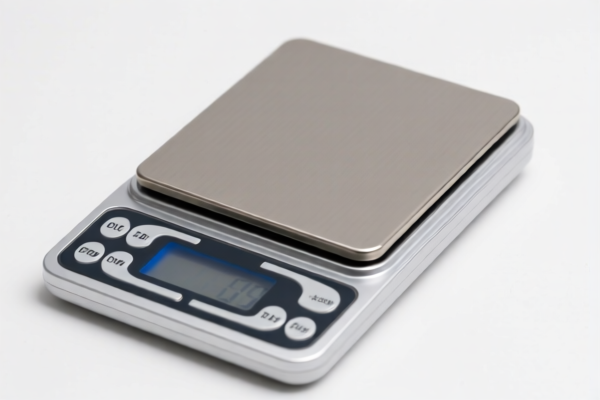
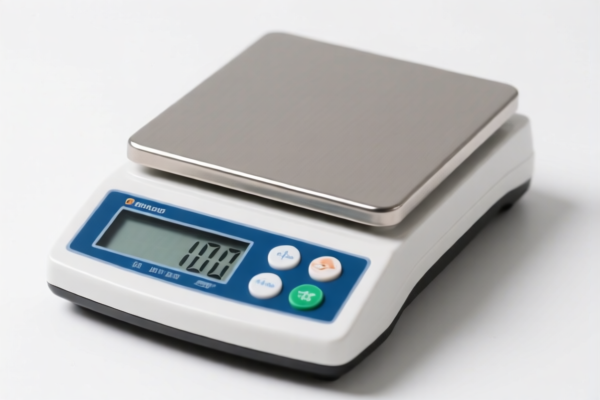
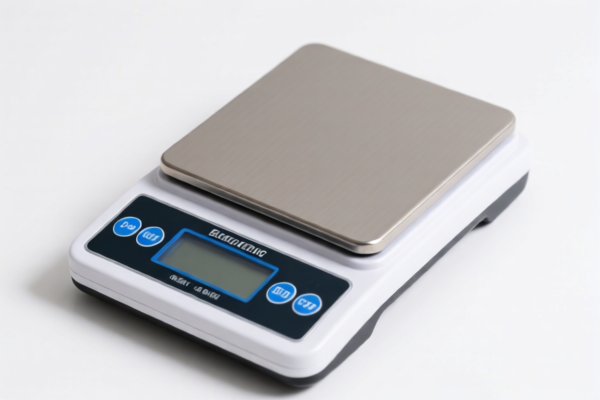
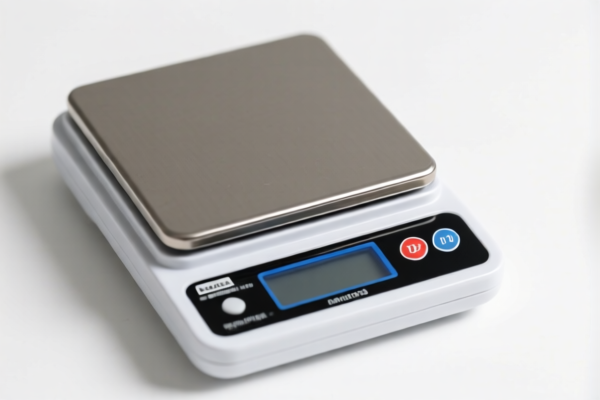
AI Analysis
📦 Express Scale (Electronic Weighing Scales)
🌐 HS Code Reference & Customs Clearance Guide | 2026 Latest Tariff Analysis | Professional Clearance Strategy
📌 I. Product Definition & Classification: Do You Truly Understand "Express Scales"?
An Express Scale (often referred to as an Electronic Scale, Digital Scale, or Postal Scale) is a precision measuring instrument used for determining the mass of objects, commonly in logistics, postal services, e-commerce, and retail.
In international trade, these scales are not a single monolithic category. They are classified based on their primary function (weighing vs. measurement/inspection) and technical composition. Misclassification can lead to significant tariff discrepancies due to US trade policies.
⚠️ Key Distinction Point:
- If the scale is primarily a weighing machine/mechanical device → It falls under Chapter 84 (Machinery).
- If the scale is primarily a precision measuring/instrument device → It falls under Chapter 90 (Optical, Medical, Precision Instruments).
- Critical Impact: The duty rate varies from 10% to 35% depending on this classification, heavily influenced by Section 301 and Section 122 tariffs.
📊 II. HS Code Classification Details (2026 Latest Tariff Authority Comparison)
Based on the provided data, here are the four potential HS Code classifications for Express Scales, along with their tax details. Note that 8423.81.00.40 appears twice in the source data with identical tax implications.
| HS Code | Product Description | Application Logic | Total Tax Rate |
|---|---|---|---|
8423.81.00.10 |
Electronic Scale (Weighing Equipment) | Classified as electronic weighing equipment. No material or form conflict. | 35.0% |
8423.81.00.40 |
Other Weighing Machinery | Fits the "Other" category for weighing machinery under 30kg. Digital/electronic type. | 35.0% |
9031.80.80.85 |
Kitchen/Precision Electronic Scale | Classified as a measuring instrument (Chapter 90). Purpose fits measurement/inspection function. | 10.0% |
9031.49.90.00 |
Electronic Measuring Instrument | Classified as optical/mechanical measuring equipment. Falls under "Other" in measuring categories. | 35.0% |
🔍 Critical Observation:
- Three out of four potential classifications result in a 35% total tax rate.
- Only9031.80.80.85offers a significantly lower rate of 10%.
- The key to saving 25% in tariffs lies in successfully arguing that the device is a precision measuring instrument (Chapter 90) rather than general weighing machinery (Chapter 84).
💰 III. 2026 Latest Tariff Rate Breakdown (Including Surcharges & Policy Add-ons)
✅ Applicable Country: United States (US)
✅ Origin: China (CN)
✅ Effective Time: Current trade policies (Section 301 & Section 122)
🎯 1. 8423.81.00.10 & 9031.49.90.00 & 8423.81.00.40 —— General Weighing Machinery (35% Total)
| Item | Content |
|---|---|
| Base Tariff | 0% (ad valorem) |
| Section 301 Surcharge | +25% (USITC Footnote for Chinese goods) |
| Section 122 Surcharge | +10% (Under 19 U.S.C. § 1677j, for industrial/material goods) |
| Total Tax Rate | 35.0% |
| Tax Calculation | CIF Value × 35% |
| De Minimis Exemption | ❌ Not Applicable (High risk of audit if shipped via 800.39/800.40) |
| Legal Basis Path | USITC:8423.81.00.10 / USITC:9031.49.90.00 → Section 301: Footnote 9903.88.01 → Section 122: 19 U.S.C. 1677j |
📌 Explanation:
- The 25% is the standard Section 301 tariff applied to a wide range of Chinese mechanical and electrical goods.
- The 10% is the Section 122 tariff, often applied to industrial inputs or specific machinery categories.
- Total 35% is a high cost barrier. This classification assumes the scale is a standard "weighing machine" under Chapter 84 or general measuring instruments under Chapter 90 that do not qualify for the lower "kitchen/precision" rate.
🎯 2. 9031.80.80.85 —— Precision/Kitchen Electronic Scale (10% Total)
| Item | Content |
|---|---|
| Base Tariff | 0% (ad valorem) |
| Section 301 Surcharge | 0.0% |
| Section 122 Surcharge | 10.0% |
| Total Tax Rate | 10.0% |
| Tax Calculation | CIF Value × 10% |
| De Minimis Exemption | ⚠️ Check Eligibility (Lower base rate may allow more flexibility, but Section 122 still applies) |
| Legal Basis Path | USITC:9031.80.80.85 → Section 122: 19 U.S.C. 1677j |
📌 Explanation:
- This classification saves 25% compared to the others.
- It relies on the argument that the scale is a precision measuring instrument (Chapter 90) rather than a generic weighing device.
- The 10% is solely due to Section 122. No Section 301 surcharge is applied in this specific breakdown provided in the data.
- Strategy: If your scale is marketed for "kitchen use," "jewelry," or "high-precision lab use," you should aim for this code.
🛠️ IV. Customs Clearance Practical Advice (Battle-Tested Pitfall Avoidance)
✅ 1. Document Checklist (Non-Negotiable)
| Document | Required | Explanation |
|---|---|---|
| ✅ Product Specifications | ✔️ | Must clearly state: Capacity, Precision (e.g., 0.1g, 1kg), Dimensions, Power Supply. |
| ✅ Circuit Diagram/Block Diagram | ✔️ | Critical for proving it’s a "precision instrument" (Chapter 90) vs. simple machinery (Chapter 84). |
| ✅ Product Photos (with Nameplate) | ✔️ | Show model number, brand, and input/output ratings. |
| ✅ Commercial Invoice | ✔️ | Description must match the HS Code logic (e.g., "Digital Precision Balance" vs. "Industrial Weighing Scale"). |
| ✅ Certificate of Origin (CO) | ✔️ | To confirm Chinese origin for Section 301/122 application. |
| ✅ Packaging List | ✔️ | Ensure accessories (power cord, calibration weights) are included in the same shipment to avoid split declarations. |
✅ 2. Declaration Strategy (Key Mnemonic)
🔥 "Precision Over Weighing, Chapter 90 Saves Money!"
| Scenario | Correct Declaration | Incorrect Practice |
|---|---|---|
| High-Precision/Lab/Kitchen Scale | 9031.80.80.85 (10%) |
Declaring as 8423.81.00.10 → 25% extra tax! |
| Heavy-Duty Industrial Platform Scale | 8423.81.00.10 or .40 (35%) |
Trying to force Chapter 90 without precision specs → Risk of rejection. |
| Optical/Mechanical Measurement Device | 9031.49.90.00 (35%) |
No savings; same as general machinery. |
✅ 3. Special Cases Handling
| Situation | Handling Advice |
|---|---|
| OEM Custom Scales | Provide design drawings. If the design emphasizes "measurement accuracy" over "mechanical weighing," argue for Chapter 90. |
| Multi-Function Devices | If the scale has additional features (e.g., pricing, data logging), ensure the primary function is still weighing/measurement to stay in Chapter 84 or 90. |
| Sample Shipments | Even for samples, if the value exceeds de minimis thresholds, the 35% tax can apply. Plan accordingly. |
| Marketplace FBA | Amazon requires specific HS Codes. Using 9031.80.80.85 for kitchen scales is common and accepted if described correctly. |
🌍 V. Global Customs Comparison (2026 Latest)
| Country/Region | Recommended HS Code | Tariff (China Origin) | Certification | Notes |
|---|---|---|---|---|
| 🇺🇸 USA | 9031.80.80.85 |
10% (Target) | FCC, NTEP (if legal for trade) | Aim for Chapter 90 to save 25%. |
| 🇨🇳 China | 8423.81.00.10 |
~0% - 5% | CCC (if applicable) | Domestic trade has different rules. |
| 🇪🇺 EU | 8423.81.00.00 |
0% | CE, WEEE | EU tariffs are generally lower for scales. |
| 🇬🇧 UK | 8423.81.00.00 |
0% | UKCA | Post-Brexit tariffs may vary. |
| 🇨🇦 Canada | 8423.81.00.00 |
0% | IC | No major surcharges like US. |
📌 Conclusion:
- The USA is the only major market imposing Section 122 (10%) and potentially Section 301 (25%) on these goods.
- Strategy: Aggressively pursue the9031.80.80.85classification for any scale that can be technically justified as a precision instrument.
- Risk: If audited, customs may reclassify to8423and demand back taxes. Ensure your product description and specs support "precision measurement."
📌 VI. Common Errors & Pitfall Guide (Lessons Learned)
❌ Error 1: Declaring a Kitchen Scale as 8423.81.00.10
👉 Consequence: Pay 35% instead of 10%. Loss of 25% margin!
❌ Error 2: Using "Scale" as the generic description without specifying "Precision" or "Electronic Balance"
👉 Consequence: Customs may default to Chapter 84 (Weighing Machinery) → 35% tax.
❌ Error 3: Ignoring Section 122
👉 Consequence: Even if you get Chapter 90, you still pay 10%. Failing to declare it leads to penalties.
✅ Correct Practice:
"Digital Electronic Precision Scale, Kitchen/Lab Use, Capacity 5kg, Precision 0.1g, Model XYZ, Certified for Accuracy"
🎯 VII. Conclusion: Professional Declaration, Cost Savings, Efficiency!
🎯 Remember the Mnemonic:
🔹 "Chapter 90 for Precision, Chapter 84 for Mechanics."
🔹 "10% vs. 35% is a 25% difference – Don't leave money on the table!"
🔹 "Section 122 is unavoidable – Plan for 10% minimum."
📌 Pro Tip:
If your scale is marketed for jewelry, baking, or laboratory use, emphasize "Precision Measurement" in all documentation to support 9031.80.80.85.
If it's a heavy-duty pallet scale, accept the 8423 classification and budget for 35%.
📣 Immediate Action:
📞 Consult a Customs Broker: Verify if your specific model qualifies for Chapter 90.
📄 Prepare Technical Docs: Have circuit diagrams and precision specs ready.
🚀 Optimize for Clearance: Choose the right HS Code to save 25% on US imports.
✨ Professional Clearance Starts with Accurate Classification!
💼 Every Percentage Point Counts in Global Trade!
Customer Reviews
About HS Code Classification
The Harmonized System (HS) is an internationally standardized nomenclature developed by the World Customs Organization (WCO) to classify traded products. Over 200 countries use the HS system as the basis for customs tariffs, trade statistics, and import/export regulations.
Each HS code follows a hierarchical structure:
- Chapter (2 digits) — Broad category of goods (e.g., Chapter 84: Machinery and Mechanical Appliances)
- Heading (4 digits) — More specific grouping within the chapter
- Subheading (6 digits) — Internationally standardized breakdown, used by all WCO member countries
- National subdivisions (8-10 digits) — Country-specific extensions for further classification, such as US HTSUS 10-digit codes
Correct HS code classification is essential for smooth customs clearance, accurate duty payment, and compliance with trade regulations. Misclassification can lead to customs delays, overpayment of duties, or penalties.
When importing from CN to US, the applicable tariff rates may include:
- Most-Favored-Nation (MFN) rate — The standard duty rate applied to WTO members
- General rate — Applied to countries without trade agreements
- Trade remedy duties — Additional tariffs such as Section 301 (anti-dumping), Section 232 (national security), or countervailing duties
The information provided on this page is for reference purposes only. For official classification, please consult with your local customs authority or a licensed customs broker.