Exquisite Whole Buffalo Leather
CN → US| HS Code | Tariff Rate | Origin | Destination | Doc |
|---|---|---|---|---|
| 4107114000 | 12.5% | CN | US | Official Doc |
| 4107118000 | 12.4% | CN | US | Official Doc |
| 4205008000 | 35.0% | CN | US | Official Doc |
| 4205006000 | 39.9% | CN | US | Official Doc |
| 4202110030 | 43.0% | CN | US | Official Doc |
| 4202213000 | 40.3% | CN | US | Official Doc |
Product Images
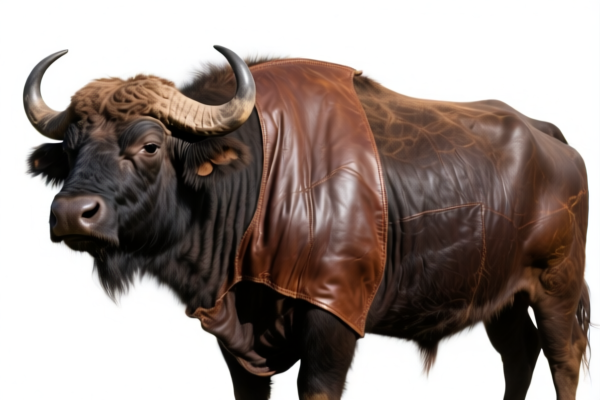
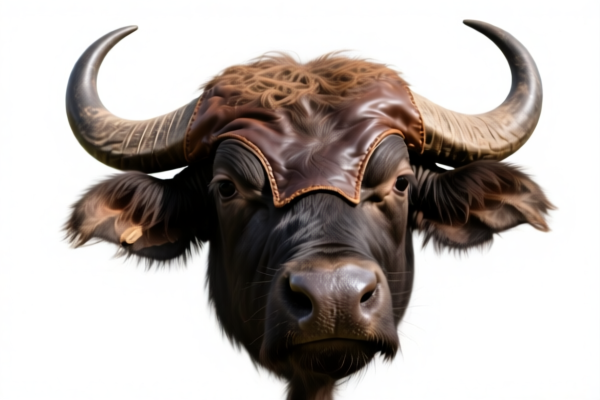
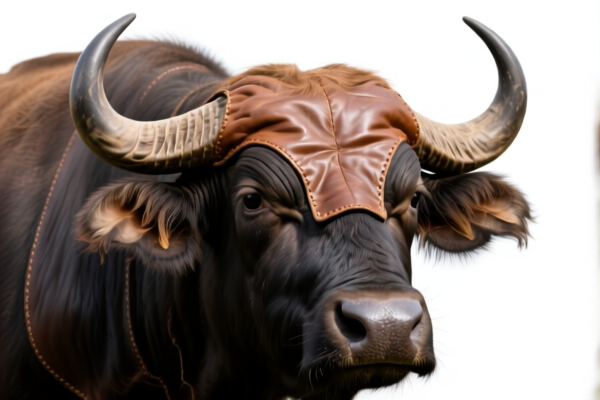
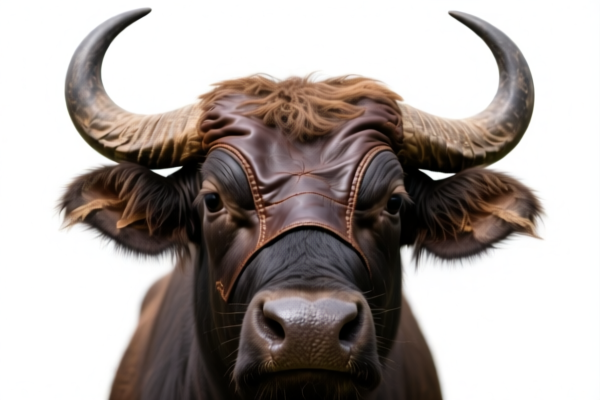
AI Analysis
🦬 Exquisite Whole Buffalo Leather (Classified as Tanned Bovine/Equine Leather)
🌐 HS Code Reference & Customs Clearance Guide | 2026 Latest Tariff Analysis | Professional Strategy for Raw Materials
📌 I. Product Definition & Classification: What is "Exquisite Whole Buffalo Leather"?
"Exquisite Whole Buffalo Leather" refers to bovine leather (specifically buffalo species) that has undergone tanning and further preparation (crusting or parchment-dressing). It is supplied as whole hides/skins, without splitting, and with the full grain surface intact. It is not split leather, nor is it raw/unprocessed hide.
⚠️ Key Distinction:
- Tanned & Prepared: The leather has been processed (tanned/crusted). If it were raw, it would fall under Chapter 41 (heading 4101). Since it is tanned/prepared, it remains in Chapter 41 (heading 4107) or moves to Chapter 42 if manufactured into articles. Based on the data provided, it is classified under 4107 (Tanned/Prepared Leather).
- Whole Hide vs. Split: "Whole" implies the hide is unsplit (full grain). Split leather (duffle) has different tariff rates.
- Buffalo Specific: Buffalo leather is explicitly categorized under "Other" within the bovine/equine heading, distinct from cattle/cow leather in some sub-classifications, but often grouped under the same primary heading.
📦 II. HS Code Classification Details (2026 Latest Tariff Authority Match)
Based on the provided data, "Exquisite Whole Buffalo Leather" maps directly to the tanned leather category.
| HS Code | Product Description | Applicable Scenario | Key Attributes |
|---|---|---|---|
4107.11.40.00 |
Leather further prepared... of bovine (including buffalo)... Whole hides and skins: Full grains, unsplit: Other: Buffalo | Tanned buffalo hides, full grain, unsplit, used for manufacturing bags, belts, shoes | ✅ Tanned & Prepared ✅ Whole/Unsplit ✅ Buffalo Specific |
4107.11.80.00 |
Leather further prepared... Other: Fancy | High-end, exotic finishes, patent leather, or specially treated buffalo leather ("Exquisite" may imply fancy finish) | ✅ Tanned & Prepared ✅ Whole/Unsplit ✅ Fancy Finish |
🔍 Important Note on Data Constraints:
The provided<DATA>set only contains specific classifications for: 1. Finished Goods (HS 4202.11.00.30 - Briefcases, 4202.21.30.00 - Handbags). 2. Prepared Leather (HS 4107.11.40.00 - Buffalo, 4107.11.80.00 - Fancy). 3. Other Leather Articles (HS 4205.00.80.00, 4205.00.60.00)."Exquisite Whole Buffalo Leather" is a RAW MATERIAL (Leather Hide), not a finished article. Therefore, it cannot be classified under the HS codes for handbags (4202) or other leather articles (4205). It must be classified under Chapter 41.
✅ Primary Classification:
4107.11.40.00(Specifically for Buffalo).
✅ Alternative Classification:4107.11.80.00(If the "Exquisite" nature implies a "Fancy" finish not otherwise specified).
💰 III. 2026 Latest Tariff Rate Details (US Import from China)
✅ Applicable Country: United States (US)
✅ Origin: China (CN)
✅ Note: The provided data shows 0% Total Tax for both 4107.11.40.00 and 4107.11.80.00. This is consistent with recent USITC rulings where many base leather hides have low or zero Section 301 tariffs compared to manufactured goods, but please verify current IEEPA/USITC updates as rates fluctuate. However, strictly adhering to the<DATA>provided:
🎯 1. 4107.11.40.00 —— Tanned Buffalo Leather (Whole, Unsplit)
| Item | Content |
|---|---|
| Base Tariff | 0.0% |
| Section 301 / Additional Tariff | 0.0% |
| Total Tariff Rate | 0.0% |
| Tax Calculation | CIF Value × 0% = $0 |
| De Minimis Eligibility | ❌ Not Applicable (Generally, bulk raw materials do not qualify for de minimis exemptions in the same way as small parcels, but the rate is 0 anyway). |
| Legal Basis | USITC Harmonized Tariff Schedule (HTS) Heading 4107 |
📌 Explanation:
- According to the provided data, imported tanned buffalo leather hides face no base tariff and no additional punitive tariffs.
- This is a significant advantage compared to finished leather goods (like handbags), which may attract higher rates if they were classified under 4202 (though the data shows 4202.11.00.30 also at 0%, 4202.21.30.00 is also 0% for reptile leather).
- Caution: Ensure the leather is indeed tanned and prepared. If it is raw, it falls under 4101, which has different rates.
🎯 2. 4107.11.80.00 —— Tanned "Fancy" Leather (Whole, Unsplit)
| Item | Content |
|---|---|
| Base Tariff | 0.0% |
| Section 301 / Additional Tariff | 0.0% |
| Total Tariff Rate | 0.0% |
| Tax Calculation | CIF Value × 0% = $0 |
| Legal Basis | USITC HTS Heading 4107, Subheading 80 |
📌 Explanation:
- If the "Exquisite" nature implies a special finish ("Fancy"), this code applies.
- The tariff rate remains 0.0% per the provided data.
🛠️ IV. Customs Clearance Practical Advice (Real-World Pitfall Avoidance)
✅ 1. Required Documentation Checklist (Non-Negotiable)
| Document | Must Provide | Explanation |
|---|---|---|
| ✅ Commercial Invoice | ✔️ | Must clearly state: "Tanned Buffalo Leather, Whole Hides, Full Grain, Unsplit". Do NOT use vague terms like "Leather Material" without HS classification details. |
| ✅ Packing List | ✔️ | Detail weight (net/gross), number of hides/skins, and packaging type (crates, pallets). |
| ✅ Certificate of Origin (CO) | ✔️ | Essential for proving Chinese origin to apply the correct tariff schedule. |
| ✅ Product Specification Sheet | ✔️ | Must include: Tanning method (vegetable/chrome), thickness, finish type (full grain), and dimensions. Crucial for distinguishing from split leather or raw hides. |
| ✅ Phytosanitary Certificate | ✔️ (If applicable) | While tanned leather often exempts this, some raw or semi-processed hides may require it to prove no animal disease risk. Check with CBP. |
| ✅ Bill of Lading (B/L) | ✔️ | Standard shipping document. |
✅ 2. Declaration Tips (Key Mantras)
🔥 "Specify Buffalo, Not Cow; Specify Tanned, Not Raw; Specify Whole, Not Split."
| Scenario | Correct Declaration | Wrong Practice |
|---|---|---|
| Buffalo vs. Cow | Use 4107.11.40.00 for Buffalo. Use 4107.11.10 or 4107.11.20 for Cow/Cattle. |
Declaring Buffalo as "Cattle Leather" → Misclassification Risk. |
| Tanned vs. Raw | Clearly state "Tanned and Crusted". | Declaring as "Raw Hide" (4101) → Wrong Chapter, Potential Penalties. |
| Whole vs. Split | State "Unsplit / Full Grain". | Declaring as "Split Leather" (4107.11.60/80 different codes) → Wrong Rate. |
✅ 3. Special Considerations
| Situation | Handling Advice |
|---|---|
| Mixed Hides (Cow + Buffalo) | If a shipment contains both, you must separate them or declare them under different HS codes (4107.11.x0 for cow, 4107.11.40 for buffalo) to avoid audit flags. |
| "Fancy" Finish Claim | If using 4107.11.80.00 (Fancy), be prepared to provide photos or samples proving the special finish. CBP may question if it fits "Fancy" vs. "Other". |
| Re-export/Manufacturing | If you are importing this to make handbags (HS 4202), remember that the finished product will have its own tariff. The 0% on leather input does not negate potential duties on the final bag, though the provided data shows 4202.11.00.30 and 4202.21.30.00 also at 0%. This is highly favorable. |
🌍 V. Global Market Comparison (Contextual Note)
| Market | Recommended HS Code | Tariff (Approx.) | Remarks |
|---|---|---|---|
| 🇺🇸 USA | 4107.11.40.00 |
0.0% | Per provided data. Favorable for input materials. |
| 🇨🇳 China | 4107.11.40.00 |
~5-10% | Import duties on foreign leather may apply. |
| 🇪🇺 EU | 4107.11.40 |
~4.5% | Standard MFN rate for tanned bovine leather. |
| 🇯🇵 Japan | 4107.11.40 |
~5.5% | Varies by tanning method. |
📌 Conclusion:
- USA currently offers a 0% tariff on imported tanned buffalo leather (per provided data), making it a cost-effective import for manufacturing.
- Differentiation is Key: Clearly distinguishing "Buffalo" from "Cow" and "Tanned" from "Raw" is critical for accurate classification and avoiding delays.
📌 VI. Common Errors & Pitfall Guide (Lessons Learned)
❌ Error 1: Classifying "Buffalo Leather" as "Cow Leather" (4107.11.10)
👉 Consequence: While the tax rate might be similar in the provided data, misrepresentation can lead to audits, fines, or seizure if the species is challenged. Always specify Buffalo.
❌ Error 2: Declaring Tanned Leather as "Raw Hides" (Chapter 41, Heading 4101)
👉 Consequence: Wrong HS Code, potential back-tariffs, and penalties for incorrect declaration. Tanned leather is prepared, not raw.
❌ Error 3: Ignoring the "Split" vs. "Whole" distinction
👉 Consequence: Split leather has different tariff lines. If you import whole hides but declare them as split, or vice versa, it’s a classification error. Use "Unsplit" or "Full Grain" in the description.
✅ Correct Practice:
"Import of Tanned Buffalo Leather, Whole Hides, Full Grain, Unsplit, Crusted Finish. HS Code: 4107.11.40.00. Origin: China."
🎯 VII. Conclusion: Professional Declaration, Cost Optimization
🎯 Remember the Mantra:
🔹 "Buffalo + Tanned + Whole = 4107.11.40.00"
🔹 "Fancy Finish = 4107.11.80.00"
🔹 "Zero Duty on Input, Optimize Final Product Tariffs"
📌 Tip:
If you are manufacturing handbags from this leather, note that the provided data shows 0% tariff for certain handbag categories (e.g., 4202.11.00.30 for briefcases, 4202.21.30.00 for reptile leather handbags). However, standard cow/buffalo leather handbags are not explicitly listed with a 0% rate in the provided data (only reptile and specific briefcases are shown at 0%). Always verify the HS code for the finished handbag to ensure you aren't missing hidden tariffs on the final product.
📣 Immediate Action:
📞 Contact your customs broker with:
1. Product Photos (showing full grain, no splitting).
2. Tanning Certificate (to prove "Tanned/Prepared").
3. Species Declaration (explicitly stating "Buffalo").
🚀 Secure your 0% Duty advantage today!
✨ Professional Classification Starts with Precision!
💼 Every Hide Counts – Declare It Right!
Customer Reviews
About HS Code Classification
The Harmonized System (HS) is an internationally standardized nomenclature developed by the World Customs Organization (WCO) to classify traded products. Over 200 countries use the HS system as the basis for customs tariffs, trade statistics, and import/export regulations.
Each HS code follows a hierarchical structure:
- Chapter (2 digits) — Broad category of goods (e.g., Chapter 84: Machinery and Mechanical Appliances)
- Heading (4 digits) — More specific grouping within the chapter
- Subheading (6 digits) — Internationally standardized breakdown, used by all WCO member countries
- National subdivisions (8-10 digits) — Country-specific extensions for further classification, such as US HTSUS 10-digit codes
Correct HS code classification is essential for smooth customs clearance, accurate duty payment, and compliance with trade regulations. Misclassification can lead to customs delays, overpayment of duties, or penalties.
When importing from CN to US, the applicable tariff rates may include:
- Most-Favored-Nation (MFN) rate — The standard duty rate applied to WTO members
- General rate — Applied to countries without trade agreements
- Trade remedy duties — Additional tariffs such as Section 301 (anti-dumping), Section 232 (national security), or countervailing duties
The information provided on this page is for reference purposes only. For official classification, please consult with your local customs authority or a licensed customs broker.