Extension Cable
CN → US| HS Code | Tariff Rate | Origin | Destination | Doc |
|---|---|---|---|---|
| 8544429010 | 87.6% | CN | US | Official Doc |
| 8536904000 | 35.0% | CN | US | Official Doc |
| 8543906800 | 35.0% | CN | US | Official Doc |
| 8543706000 | 35.0% | CN | US | Official Doc |
| 8536698000 | 37.7% | CN | US | Official Doc |
Product Images
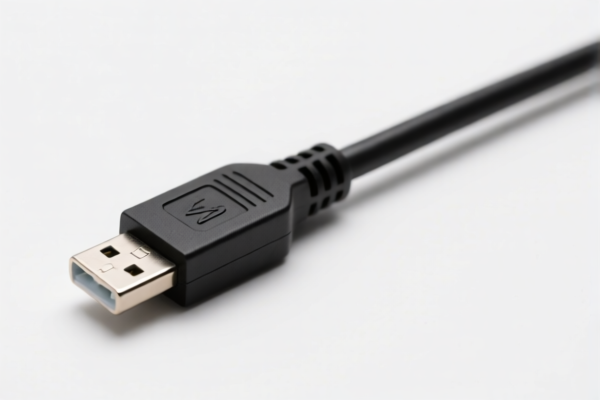
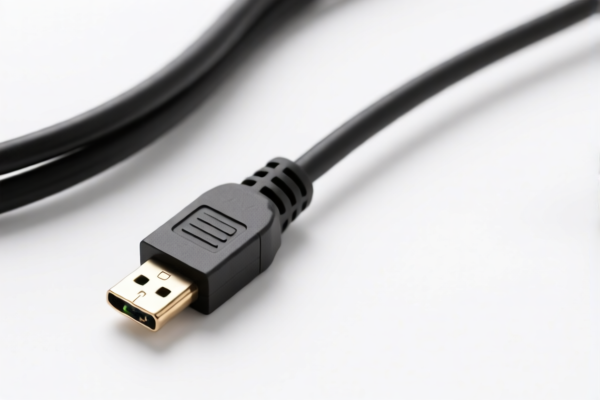
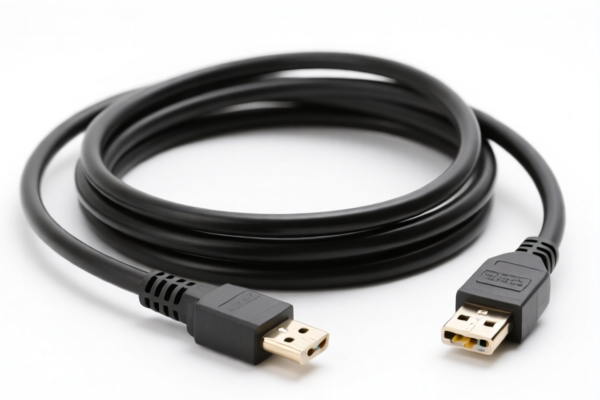
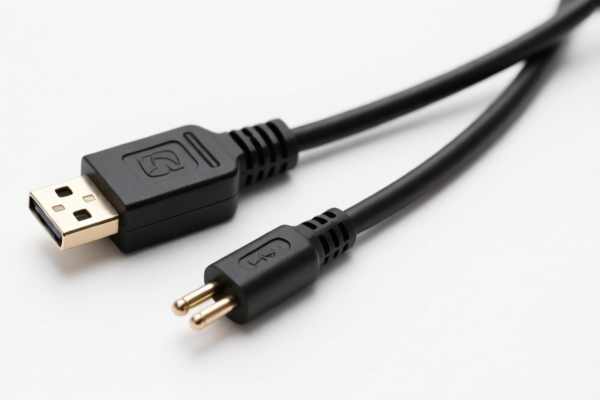
AI Analysis
🔌 Extension Cables (Power Strips & Extension Leads)
🌐 HS Code Reference & Customs Clearance Guide | 2026 Latest Tariff Analysis | Professional Clearance Strategy
📌 Part 1: Product Definition & Classification: Do You Really Understand "Extension Cables"?
Extension cables, also known as power strips, power cords, or extension leads, are essential electrical accessories used to extend the reach of electrical power sources. In international trade, their classification is critical because minor differences in design, material, or intended use can lead to vastly different tariff rates.
In the context of US-China trade relations (as indicated by the specific tariff structures in the data), these products are often subject to heavy scrutiny and additional duties.
⚠️ Key Distinction Point:
- Basic Power Cords/Leads: Simple wire assemblies with plugs on ends, no switching mechanism → Often falls under 8544.42.90.10 or 8536.90.40.00.
- Complex Power Strips/Surge Protectors: May include circuit breakers, surge suppression, or specific connector types → Could fall under 8536.69.80.00 or general electrical machinery headings like 8543.70.60.00.
- Data/Signal Cables Misclassification: Sometimes mistakenly declared as network cables if they are multi-purpose, leading to different duty rates.
📦 Part 2: HS Code Classification Details (2026 Latest Tariff Authority Comparison)
Based on the provided data, here are the five most likely HS Codes for extension cables and the rationale for each:
| HS Code | Product Description | Rationale for Classification | Est. Total Tax Rate |
|---|---|---|---|
8544.42.90.10 |
Extension Leads / Socket Extension Cables | Specifically for "leads for electricity" where the shape/form matches the conductor application. No material conflict with copper/aluminum cores. | 87.6% |
8536.90.40.00 |
Electrical Connection Equipment | Classified as "other" electrical apparatus for a voltage ≤ 1000V. Infers material is wire/conductor, used for connecting circuits. | 35.0% |
8543.90.68.00 |
Electrical Machinery/Components | Considered an "electrical connection assembly" or component falling under the "catch-all" category for electrical apparatus not elsewhere specified. | 35.0% |
8543.70.60.00 |
Other Electrical Machines | Classified under electrical connection devices designed to connect to networks or equipment. Fits the logic of connecting devices. | 35.0% |
8536.69.80.00 |
Sockets/Plugs (Connectors) | Specifically for socket/switch/plug type devices used in electrical circuits. Material: Conductive metal + insulating plastic. | 37.7% |
🔍 Critical Insight:
- 8544.42.90.10 carries the highest risk/cost due to specific 122 Clause tariffs on copper/aluminum products.
- 8536.90.40.00, 8543.90.68.00, and 8543.70.60.00 share a lower, standardized rate of 35.0%, making them potentially more favorable if the product characteristics align.
- 8536.69.80.00 is slightly higher at 37.7% but may be more accurate for products with distinct socket/plug components rather than just plain cables.
💰 Part 3: 2026 Latest Tariff Rate Breakdown (Including Surtaxes & Policy Add-ons)
✅ Applicable Market: United States (US)
✅ Country of Origin: China (CN) (Inferred from the high "122 Clause" and additional tariffs typical of US-China trade)
✅ Effective Date: Current 2026 regulations
🎯 1. The "High-Risk" Classification: 8544.42.90.10
Description: Extension leads/extension cords made of copper/aluminum conductors.
| Item | Content |
|---|---|
| Base Tariff | 2.6% (ad valorem) |
| Section 301 / Additional Tariff | +25.0% (Standard USITC Additional Duty) |
| Section 122 / Commodity-Specific | +10% (Specific to Steel, Aluminum, and Copper products) |
| IEEPA / China-Specific | +50.0% (Heavy penalty tariff on specific Chinese-origin goods, including certain electrical components) |
| Total Effective Rate | 87.6% |
| De Minimis Exemption? | ❌ NO (Denied for this HS Code due to high tariff thresholds) |
| Legal Basis Path | IEEPA:9903.01.25 → USITC:8544.42.90.10 → FOOTNOTE:Section 122 |
📌 Explanation:
- This is the most expensive classification.
- The 50% IEEPA tariff is applied specifically to certain Chinese electrical products under recent executive orders.
- The 10% Section 122 tariff targets raw material content (Copper/Aluminum).
- Result: Nearly 90% of the product value is consumed by duties. Avoid this classification if possible.
🎯 2. The "Standard" Classification: 8536.90.40.00 / 8543.90.68.00 / 8543.70.60.00
Description: Other electrical connection equipment, sockets, or general electrical machinery components.
| Item | Content |
|---|---|
| Base Tariff | 0.0% (Most electrical accessories have low base duties) |
| Section 301 / Additional Tariff | +25.0% (Standard USITC Additional Duty) |
| Section 122 / Commodity-Specific | +10% (Applied in some interpretations for electrical goods) |
| IEEPA / China-Specific | Note: The data lists "122 Clause Tariff 10%" but does NOT explicitly list the 50% IEEPA penalty for these three codes in the tax_detail field provided. |
| Total Effective Rate | 35.0% |
| De Minimis Exemption? | ❌ NO (Still subject to de minimis denial for China origin >$800) |
| Legal Basis Path | IEEPA:9903.01.24 → USITC:8536.90.40.00 |
📌 Explanation:
- These three codes are significantly cheaper than the copper-aluminum specific classification.
- They avoid the heavy 50% IEEPA penalty seen in the first code, assuming the product is classified as general electrical apparatus rather than raw material-intensive cable.
- Crucial: The difference between 35% and 87.6% is massive. Proper product description is key.
🎯 3. The "Connector" Classification: 8536.69.80.00
Description: Sockets, plugs, and other connectors for electrical circuits.
| Item | Content |
|---|---|
| Base Tariff | 2.7% |
| Section 301 / Additional Tariff | +25.0% |
| Section 122 / Commodity-Specific | +10% |
| Total Effective Rate | 37.7% |
| De Minimis Exemption? | ❌ NO |
📌 Explanation:
- Slightly higher than the 35% group due to the 2.7% base tariff.
- Suitable if the product is heavily focused on the plug/socket assembly rather than the cable length.
🛠️ Part 4: Customs Clearance Practical Advice (Avoid Pitfalls)
✅ 1. Preparation Checklist (Non-Negotiable)
| Document | Required? | Purpose |
|---|---|---|
| ✅ Product Specifications | ✔️ | Must detail voltage, amperage, length, plug type (NEMA 5-15, etc.), and cord gauge (AWG). |
| ✅ Material Declaration | ✔️ | Critical! Must specify % of Copper vs. Aluminum in conductors and type of plastic insulation. This determines if you hit the 122 Clause or 50% IEEPA penalty. |
| ✅ Certifications | ✔️ | UL, ETL, or CSA certification is often required by US customs and CBP for electrical safety compliance. |
| ✅ Commercial Invoice | ✔️ | Clearly state "Extension Cable, Non-Surge Protected" or "Power Strip with Surge Protection." Avoid vague terms like "Cable." |
| ✅ Labeling | ✔️ | Product must bear country of origin marking ("Made in China"). |
✅ 2. Strategic Classification Advice
🔥 Strategy: "Minimize Raw Material Tax, Maximize Functional Classification"
| Scenario | Recommended HS Code | Why? |
|---|---|---|
| High-Copper Content, Simple Cable | 8536.90.40.00 (or 8543 codes) |
Avoids the 50% IEEPA and 122 Clause penalties associated with raw copper/aluminum products. Classifies as "apparatus" rather than "raw material." |
| Integrated Plug/Socket Unit | 8536.69.80.00 |
If the value is in the connectors/plugs rather than the wire, this may be more accurate and avoids the high copper tax. |
| Simple Wire Assembly (Low Value) | 8544.42.90.10 |
AVOID if possible. Only use if no other functional description fits. The 87.6% tax will destroy margins. |
✅ 3. Specific Warnings for 2026
-
De Minimis (Section 321) Ban:
Do not rely on the $800 de minimis exemption for these goods from China. The data explicitly statesdeny_de_minimisfor all listed codes. All shipments require full formal entry. -
Section 122 (Copper/Aluminum) Trap:
If your cable uses copper conductors, CBP may apply the 10% Section 122 tariff. Ensure your material declaration is precise. Some traders argue that finished electrical apparatus (HS 8536/8543) are not "copper articles" but "electrical apparatus," thus avoiding the 122 tax. This is a contested area; consult a customs broker. -
IEEPA 50% Penalty:
Only applies to8544.42.90.10in the provided data. This code is effectively "killed" by the 50% penalty. Do not classify simple extension cords here unless you have no alternative.
📌 Part 5: Common Errors & How to Avoid Them
❌ Error 1: Declaring as "Network Cable" (HS 8544.42.90.90 or similar)
👉 Consequence: If inspected and found to be a power cord, it will be reclassified to the correct power code with penalties and back-duties.
👉 Fix: Always specify "Power Extension Cord" vs. "Ethernet/Data Cable."
❌ Error 2: Ignoring Material Content
👉 Consequence: Misdeclaring aluminum as copper (or vice versa) to avoid tariffs leads to fraud allegations.
👉 Fix: Provide lab reports or material certs showing conductive material type.
❌ Error 3: Splitting Shipments to Avoid Thresholds
👉 Consequence: CBP aggressively audits "split shipments." If the intent is to evade de minimis, it will be denied.
👉 Fix: Declare honestly and prepare for the 35-87% duty cost.
✅ Correct Declaration Example:
"Electrical Extension Cord, 6ft, 14 AWG Copper Wire, PVC Insulation, NEMA 5-15P Plug to 5-15R Outlet, No Surge Protection, UL Certified, Made in China"
🎯 Part 6: Conclusion & Pro Tips
🎯 Key Takeaway:
"Don't pay 87.6% when you can pay 35%!"
The difference between8544.42.90.10and8536.90.40.00is $52.6 per $100 of value.
Always strive to classify extension cables as electrical connection apparatus (8536/8543) rather than bare conductors (8544) to avoid the crippling IEEPA and 122 tariffs.
📌 Action Item:
1. Audit your BOM (Bill of Materials): Check copper/aluminum content.
2. Consult a Broker: Ask specifically about "Electrical Apparatus vs. Conductor" classification for HS 8536 vs. 8544.
3. Update Invoice Descriptions: Remove vague terms like "Wire" and use "Power Strip" or "Electrical Connector."
✨ Precision in Classification = Precision in Profit.
💼 Your bottom line depends on the first four digits of your HS Code.
Customer Reviews
About HS Code Classification
The Harmonized System (HS) is an internationally standardized nomenclature developed by the World Customs Organization (WCO) to classify traded products. Over 200 countries use the HS system as the basis for customs tariffs, trade statistics, and import/export regulations.
Each HS code follows a hierarchical structure:
- Chapter (2 digits) — Broad category of goods (e.g., Chapter 84: Machinery and Mechanical Appliances)
- Heading (4 digits) — More specific grouping within the chapter
- Subheading (6 digits) — Internationally standardized breakdown, used by all WCO member countries
- National subdivisions (8-10 digits) — Country-specific extensions for further classification, such as US HTSUS 10-digit codes
Correct HS code classification is essential for smooth customs clearance, accurate duty payment, and compliance with trade regulations. Misclassification can lead to customs delays, overpayment of duties, or penalties.
When importing from CN to US, the applicable tariff rates may include:
- Most-Favored-Nation (MFN) rate — The standard duty rate applied to WTO members
- General rate — Applied to countries without trade agreements
- Trade remedy duties — Additional tariffs such as Section 301 (anti-dumping), Section 232 (national security), or countervailing duties
The information provided on this page is for reference purposes only. For official classification, please consult with your local customs authority or a licensed customs broker.