Extreme Pressure Additive for Oil
CN → US| HS Code | Tariff Rate | Origin | Destination | Doc |
|---|---|---|---|---|
| 3403191000 | 35.2% | CN | US | Official Doc |
| 3811290000 | 41.5% | CN | US | Official Doc |
| 3403112000 | 35.2% | CN | US | Official Doc |
| 3811210000 | 41.5% | CN | US | Official Doc |
Product Images
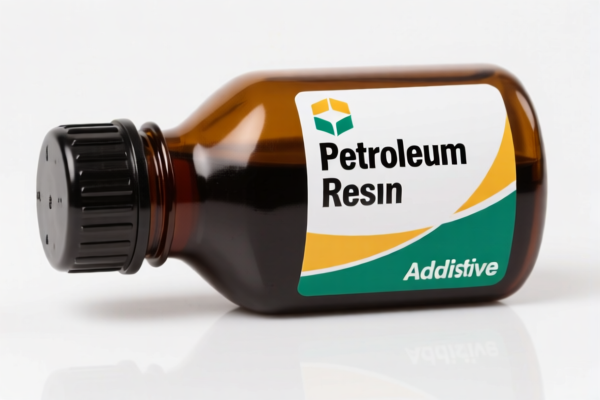

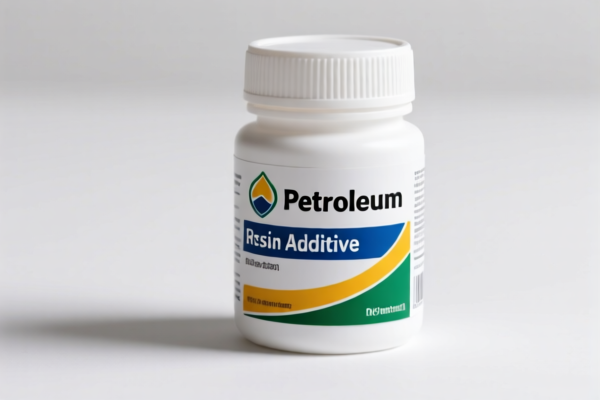
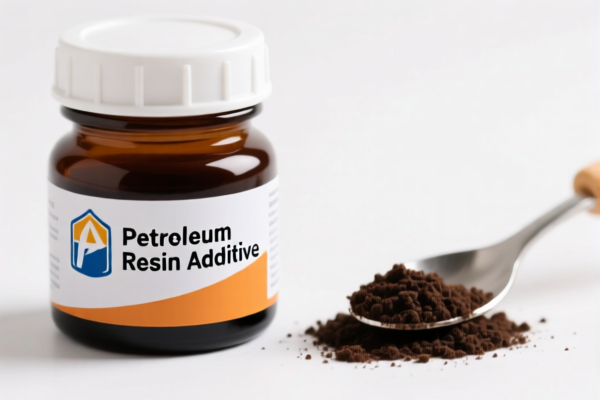
AI Analysis
🛢️ Extreme Pressure Additive for Oil (EP Additive)
🌐 HS Code Reference & Customs Clearance Guide | 2026 Latest Tariff Analysis | Professional Clearance Strategy
📌 I. Product Definition & Classification: What Exactly is an "Extreme Pressure Additive"?
Extreme Pressure (EP) Additive for Oil is a specialized chemical formulation added to lubricants (motor oils, gear oils, industrial lubricants) to prevent metal-to-metal contact under high-load and high-temperature conditions. It forms a protective film on metal surfaces, reducing wear and preventing scoring or welding of gear teeth.
In international trade, these are classified not as simple lubricants, but as prepared additives or chemical preparations specifically designed for enhancing lubricant performance. The classification hinges on whether they are considered "preparations based on petroleum oils" (Chapter 34) or "prepared additives for mineral oils" (Chapter 38).
⚠️ Key Classification Distinction:
- If the product is primarily a lubricant base with additives mixed in → Chapter 34 (3403).
- If the product is a concentrated additive specifically for modifying the properties of mineral/petroleum oils (like EP, anti-wear, viscosity index improvers) → Chapter 38 (3811).
- Most commercial "EP Additives" are concentrated chemical formulations sold as additives, thus often falling under Chapter 38.
📦 II. HS Code Classification Details (2026 Latest Tariff Authority Reference)
Based on the provided data, here are the valid HS Codes and their justifications:
| HS Code | Product Description & Justification | Total Tax Rate | Tax Breakdown (China-Origin to US) |
|---|---|---|---|
3403.19.10.00 |
Lubricant Preparations (Other) • Summary: Matched to lubricant-related preparations. • Inference: Based on common sense, it contains petroleum/mineral oil components as a base. • Function: General lubrication enhancement. |
35.2% | Base: 0.2% + Section 301: 25.0% + 122 Clause: 10% |
3811.29.00.00 |
Other Prepared Additives for Mineral Oils • Summary: "EP" falls under specific functional classifications of lubricant additives. • Usage: Fits "other" categories when not specifically listed as anti-wear or viscosity modifiers. • Material: No material conflict with chemical additives. |
41.5% | Base: 6.5% + Section 301: 25.0% + 122 Clause: 10% |
3403.11.20.00 |
Lubricant Preparations for Textile/Material Processing • Summary: Lubricating additives are chemical preparations; functionality aligns with lubricating components in textile material processing. • Nature: Chemical preparation范畴 (Category). |
35.2% | Base: 0.2% + Section 301: 25.0% + 122 Clause: 10% |
3811.21.00.00 |
Prepared Anti-Wear Additives for Mineral Oils • Summary: EP additives fit the purpose of lubricant additives; "Extreme Pressure" is a typical anti-wear/modifying component function. • Composition: Inferred as typical composition for pressure-resistant additives. |
41.5% | Base: 6.5% + Section 301: 25.0% + 122 Clause: 10% |
🔍 Key Clarification:
-3811.21.00.00is for Anti-Wear additives. Since EP (Extreme Pressure) and Anti-Wear are closely related chemical functions, this code is highly relevant if the additive is primarily marketed for wear protection under pressure.
-3811.29.00.00is for Other prepared additives. If the product is a blend that doesn't fit neatly into "anti-wear" or "viscosity modifiers," this is the residual category.
-3403Codes apply if the product is sold as a lubricant base containing additives, rather than a pure additive concentrate. The justification notes "petroleum oil components," implying a lubricant blend rather than a pure chemical additive.
💰 III. 2026 Latest Tariff Rate Detail (Including Surcharges & Policies)
✅ Applicable Country: United States (US)
✅ Origin: China (CN)
✅ Effective Date: From November 10, 2025 (including subsequent imports)
🎯 1. 3403.19.10.00 & 3403.11.20.00 —— Lubricant Preparations (Base-Oil Dominant)
| Item | Detail |
|---|---|
| Base Tariff | 0.2% (Ad Valorem) |
| Section 301 Surcharge | +25.0% (USITC Footnote: Specific to Chinese goods in this heading) |
| Section 122 Surcharge | +10.0% (Targeting China/Hong Kong products, effective from specific 2025 dates) |
| Total Tariff Rate | 35.2% |
| Tax Calculation | CIF Value × 35.2% |
| De Minimis Exemption | ❌ Not Eligible (deny_de_minimis) |
| Legal Path | IEEPA:9903.01.25 → IEEPA:9903.01.24 → USITC:3403.19.10.00 → FOOTNOTE:9903.88.01 |
📌 Explanation:
- The Base 0.2% is low because lubricants are often considered basic industrial inputs.
- The 25% Section 301 and 10% Section 122 are the major cost drivers, totaling 35.2%.
- Note: Section 122 refers to specific trade enforcement actions targeting Chinese chemical/lubricant imports.
🎯 2. 3811.21.00.00 & 3811.29.00.00 —— Prepared Chemical Additives (Concentrates)
| Item | Detail |
|---|---|
| Base Tariff | 6.5% (Ad Valorem) |
| Section 301 Surcharge | +25.0% |
| Section 122 Surcharge | +10.0% |
| Total Tariff Rate | 41.5% |
| Tax Calculation | CIF Value × 41.5% |
| De Minimis Exemption | ❌ Not Eligible (deny_de_minimis) |
| Legal Path | IEEPA:9903.01.25 → IEEPA:9903.01.24 → USITC:3811.2X.00.00 → FOOTNOTE:9903.88.01 |
📌 Explanation:
- The Base 6.5% is higher than Chapter 34 because these are considered "specialty chemical preparations" rather than bulk lubricants.
- The 25% + 10% surcharges remain identical, pushing the total to 41.5%.
- Crucial: If your product is a concentrated additive (not a ready-to-use lubricant),3811is the correct chapter, but the tax burden is 6.3% higher than if misclassified as a base lubricant.
🛠️ IV. Customs Clearance Practical Advice (Real-World Pitfall Guide)
✅ 1. Preparation Checklist (Non-Negotiable)
| Document | Required | Explanation |
|---|---|---|
| ✅ Product Specification Sheet | ✔️ | Must detail chemical composition, CAS numbers of active ingredients, and concentration. |
| ✅ Safety Data Sheet (SDS/MSDS) | ✔️ | Critical for determining flammability and hazard class (DG or Non-DG). |
| ✅ Commercial Invoice | ✔️ | Must clearly state: "Extreme Pressure Additive for Mineral Oil" – Do not use vague terms like "Oil" or "Lubricant." |
| ✅ Certificate of Origin (CO) | ✔️ | If non-China origin, may qualify for lower tariffs. For China-origin, confirms surcharge applicability. |
| ✅ Formulation Details | ✔️ | To prove if it’s a "Prepared Additive" (Ch 38) vs. "Lubricant Base" (Ch 34). |
| ✅ Packaging Label Photos | ✔️ | Show hazard symbols, net weight, and product name. |
✅ 2. Declaration Tips (Key Mnemonics)
🔥 "Additive vs. Base: Know the Difference! Concentrate = 3811, Blend = 3403. Don't Guess, Specify!"
| Scenario | Correct Declaration | Wrong Practice | Consequence |
|---|---|---|---|
| Concentrated Chemical Additive (e.g., ZDDP, Sulfurized Olefin) | 3811.21.00.00 or 3811.29.00.00"Prepared Additive for Mineral Oil" |
Declaring as 3403 (Lubricant) |
Over-declaration of tariff benefit risk; Customs may reject if not a base lubricant. |
| Ready-to-Use Lubricant (Oil + Additives mixed) | 3403.19.10.00 or 3403.11.20.00"Lubricant Preparation" |
Declaring as 3811 (Additive) |
Under-declaration of base tax (0.2% vs 6.5%); risk of penalty. |
| Pure Chemicals (Not prepared blends) | Potentially Chapter 29 (Organic Chemicals) | Declaring as 3811 |
Incorrect Classification; pure chemicals have different rates. |
| Vague Name "Oil" | ❌ Never | Using "Oil" without details | Inspection Hold; Customs requests SDS & Composition. |
✅ 3. Special Case Handling
| Situation | Recommendation |
|---|---|
| Blended in Small Quantities | If the additive is a tiny part of a larger lubricant package, classify as 3403 (Lubricant). |
| Sold as Bulk Additive Concentrate | Classify as 3811 (Prepared Additive). Provide proof it is NOT a ready-to-use lubricant. |
| Contains Hazardous Chemicals | Ensure Hazmat Declaration is filed. EP additives often contain sulfur/phosphorus compounds, which may be regulated. |
| Misclassification Risk | If unsure, apply for a Binding Tariff Information (BTI) or Customs Ruling in advance. |
🌍 V. Global Market Clearance Comparison (2026 Latest)
| Country/Region | Recommended HS Code | Tariff (China-Origin) | Certification | Notes |
|---|---|---|---|---|
| 🇺🇸 United States | 3811.29.00.00 / 3811.21.00.00 |
41.5% (6.5% + 25% + 10%) | None specific (SDS required) | High tariff burden due to Section 301 & 122. |
| 🇺🇸 US (Alternative) | 3403.19.10.00 |
35.2% (0.2% + 25% + 10%) | None specific | Lower if classified as lubricant base. |
| 🇨🇳 China | 3811.29.00.00 |
6.5% | None | No Section 301/122. |
| 🇪🇺 EU | 3811.29.00.00 |
0% (if CE/REACH compliant) | REACH Registration | No surcharges. REACH compliance is critical. |
| 🇦🇺 Australia | 3811.29.00.00 |
5% | AICIS Registration | No surcharges. |
| 🇯🇵 Japan | 3811.29.00.00 |
0% | None | No surcharges. |
📌 Conclusion:
- The US is the only major market with significant surcharges (35.2% - 41.5%).
- China-origin EP additives face high tariffs due to ongoing trade tensions (Section 301 & 122).
- EU, Japan, and Australia offer much lower tariff barriers (0-5%), but require strict chemical registration (REACH, AICIS).
📌 VI. Common Mistakes & Pitfalls (Lessons Learned)
❌ Mistake 1: Calling it "Lubricating Oil" when it is a Concentrated Additive
👉 Consequence: Customs may accept 3403 (lower base tax) but later audit and claim underpayment of base tax (0.2% vs 6.5%) + penalties.
❌ Mistake 2: Using Vague Terms like "Chemical for Oils"
👉 Consequence: Customs Hold. Required: SDS, Composition, CAS Numbers. Delay in clearance = Demurrage charges.
❌ Mistake 3: Ignoring Section 122 Surcharge
👉 Consequence: Underestimating total landed cost. 41.5% is the real cost, not just 6.5% or 25%.
❌ Mistake 4: Assuming De Minimis ($800) Applies
👉 Consequence: Denied. Chemical additives for industrial use are typically excluded from de minimis exemptions when originating from China due to trade enforcement clauses.
✅ Correct Approach:
"Extreme Pressure Additive for Mineral Oil, Formulation: [Details], CAS: [Numbers], Concentration: [X]%."
Classify as3811.29.00.00if it is a pure additive concentrate.
🎯 VII. Conclusion: Professional Classification, Cost Control, and Efficiency!
🎯 Remember the Mnemonic:
🔹 "Additive is 3811 (6.5% base), Lubricant is 3403 (0.2% base). Both pay 25% + 10% surcharge. Total: 41.5% vs 35.2%."
🔹 "Specify 'Prepared Additive,' not just 'Oil.' Avoid vague declarations."
📌 Pro Tip:
- If your product is a ready-to-use motor oil with EP additives already mixed in, classify under 3403.19.10.00 (35.2% total).
- If it is a bottled concentrate sold to be mixed by the end-user, classify under 3811.29.00.00 (41.5% total).
- Consult a Customs Broker to determine the exact functional use (Base vs. Additive) for your specific product formulation.
📣 Immediate Action:
📞 Contact a licensed customs broker + Provide SDS & Formulation + Request HS Code Ruling
🚀 Ensure accurate classification to avoid seizure, penalties, or surprise tax bills upon US entry.
✨ Professional Clearance Starts with Precise Classification!
💼 Your Landed Cost Depends on These 0.2% vs 6.5% Details!
Customer Reviews
About HS Code Classification
The Harmonized System (HS) is an internationally standardized nomenclature developed by the World Customs Organization (WCO) to classify traded products. Over 200 countries use the HS system as the basis for customs tariffs, trade statistics, and import/export regulations.
Each HS code follows a hierarchical structure:
- Chapter (2 digits) — Broad category of goods (e.g., Chapter 84: Machinery and Mechanical Appliances)
- Heading (4 digits) — More specific grouping within the chapter
- Subheading (6 digits) — Internationally standardized breakdown, used by all WCO member countries
- National subdivisions (8-10 digits) — Country-specific extensions for further classification, such as US HTSUS 10-digit codes
Correct HS code classification is essential for smooth customs clearance, accurate duty payment, and compliance with trade regulations. Misclassification can lead to customs delays, overpayment of duties, or penalties.
When importing from CN to US, the applicable tariff rates may include:
- Most-Favored-Nation (MFN) rate — The standard duty rate applied to WTO members
- General rate — Applied to countries without trade agreements
- Trade remedy duties — Additional tariffs such as Section 301 (anti-dumping), Section 232 (national security), or countervailing duties
The information provided on this page is for reference purposes only. For official classification, please consult with your local customs authority or a licensed customs broker.