Eyeshadow Brush
CN → US| HS Code | Tariff Rate | Origin | Destination | Doc |
|---|---|---|---|---|
| 9603294090 | 0.0% | CN | US | Official Doc |
| 3926909989 | 22.8% | CN | US | Official Doc |
| 3926903500 | 16.5% | CN | US | Official Doc |
| 6703006000 | 17.5% | CN | US | Official Doc |
| 9603298090 | 0.0% | CN | US | Official Doc |
Product Images

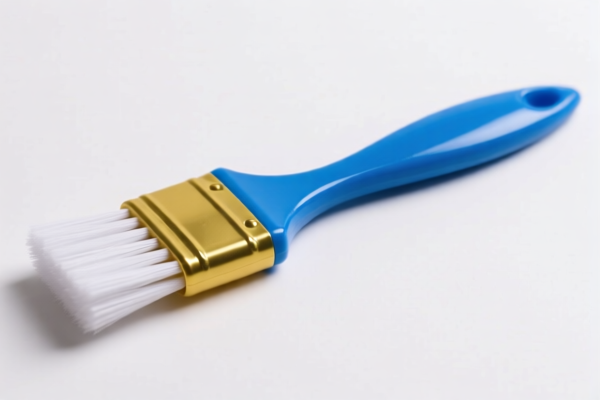
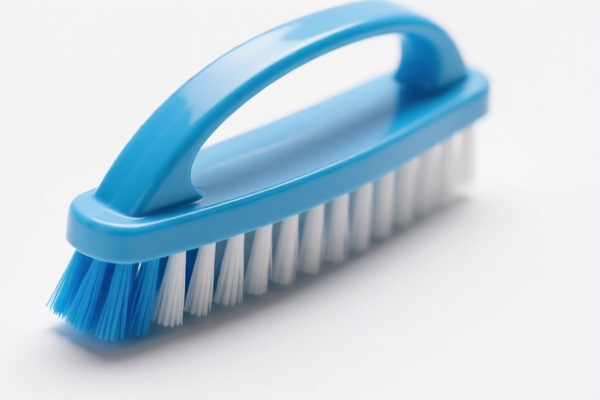
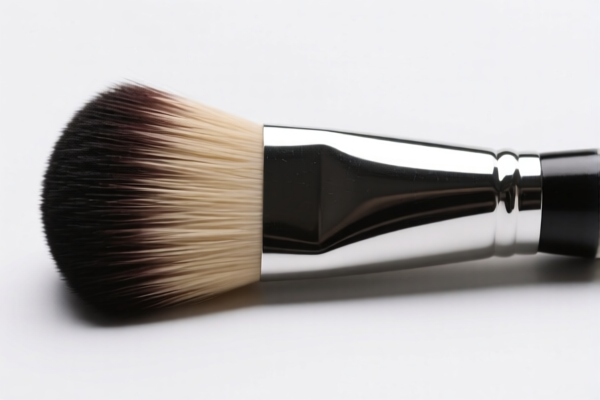
AI Analysis
👁️ Eyeshadow Brush: The Ultimate Guide to HS Classification & US Customs Strategy
🌐 HS Code Reference & Customs Clearance Guide | 2026 Duty Rate Analysis | Strategic Entry Tactics
📌 One: Product Definition & Classification: Do You Really Know Your "Eyeshadow Brush"?
The Eyeshadow Brush is a cornerstone tool in the global cosmetics and beauty industry. In international trade, it is often categorized under two distinct legal frameworks depending on its perceived function:
- Grooming/Toiletry Brush Class (9603): Treated as a personal care item used directly on the human body for makeup application.
- Plastic/Materials Class (3926/6703): Treated based on its constituent materials (plastic handles, synthetic/animal fibers) if the "brush" function is secondary or if specific material rules apply.
⚠️ Critical Distinction:
- If defined as a cosmetic tool for human application → Primarily 9603.29 (Bristle brushes).
- If defined by its plastic composition (e.g., cheap bulk import, non-bristle focus) → 3926.90 (Plastic articles).
- If defined by animal fiber content → 6703.00 (Processed hair/fibers).
📦 Two: HS Code Classification Details (2026 Latest Tariff Schedule)
| HS Code | Product Description | Classification Logic | Estimated Duty |
|---|---|---|---|
| 9603.29.40.90 | Eyeshadow Brush (Grooming/Toiletry) | Treated as a toiletry brush (like mascara/lash brushes) under the "Other" sub-category. No material conflict. | 0.2¢ each + 17% (7% Base + 10% Section 301) |
| 3926.90.99.89 | Eyeshadow Brush (Plastic Article) | Based on plastic handle + fiber composition. Classified under "Other Plastic Articles" (Bottom-line category). | 22.8% (5.3% Base + 7.5% Section 301 + 10% Section 122) |
| 3926.90.35.00 | Eyeshadow Brush (Specific Plastic Part) | Inferred plastic handle; classified as "Other Unclassified Plastic Parts." | 16.5% (6.5% Base + 0% Section 301 + 10% Section 122) |
| 6703.00.60.00 | Eyeshadow Brush (Processed Fiber/Hair) | Inferred as brushes made for artificial wigs/beauty tools using textile/animal fibers. | 17.5% (0% Base + 7.5% Section 301 + 10% Section 122) |
| 9603.29.80.90 | Eyeshadow Brush (Other Toiletry Brush) | "Other brushes used on humans." Fits the "Other" category definition for cosmetic/esthetic use. | 0.3¢ each + 13.6% (3.6% Base + 0% Section 301 + 10% Section 122) |
🔍 Key Insight:
- The 9603 codes are the most logical for finished cosmetic brushes, offering the lowest ad valorem rates (0-3.6%) plus a per-unit fee.
- The 3926 codes treat the brush as a "plastic good," attracting significantly higher combined tariffs (16.5% - 22.8%).
- Section 301 (7.5% or 0%) and Section 122 (10%) are the primary drivers of the total duty in non-9603 classifications.
💰 Three: 2026 Latest Tariff Rate Breakdown (US Customs)
✅ Target Market: United States (US)
✅ Origin: China (CN)
✅ Effective Timeline: 2025–2026 (Based on current Section 122 & 301 policies)
🎯 Scenario A: The "Grooming Brush" Strategy (9603.29.40.90)
Best for: High-end or standard cosmetic brushes.
| Item | Detail |
|---|---|
| Base Duty | 0.2¢ per unit + 7% (Ad Valorem) |
| Section 301 (Add-on) | 7.5% (High tariff trigger) |
| Section 122 (Add-on) | 10.0% (Mandatory China-specific surcharge) |
| Total Rate | ~17% + 0.2¢/unit |
| Calculation | (Value × 17%) + (Quantity × $0.002) |
| De Minimis? | ❌ No (Commercial entry) |
| Legal Path | HTS:9603.29.40.90 → Section 301 List + Section 122 |
📌 Explanation:
- The 7% is the standard Most-Favored-Nation (MFN) rate for brushes.
- The 7.5% is the Section 301 surcharge.
- The 10% is the Section 122 surcharge.
- Total: ~17.5% is a manageable rate compared to the "Plastic" classification.
🎯 Scenario B: The "Plastic Article" Strategy (3926.90.99.89)
Best for: Low-cost bulk plastic brushes where material overrides function.
| Item | Detail |
|---|---|
| Base Duty | 5.3% |
| Section 301 (Add-on) | 7.5% |
| Section 122 (Add-on) | 10.0% |
| Total Rate | 22.8% |
| Calculation | CIF Value × 22.8% |
| De Minimis? | ❌ No |
| Legal Path | HTS:3926.90.99.89 → USITC Footnote + Section 122 |
📌 Note:
- This classification is more expensive due to the lack of a "per-unit" low fee and a higher base rate.
- Avoid this unless you are importing raw plastic components rather than finished brushes.
🎯 Scenario C: The "Processed Fiber" Strategy (6703.00.60.00)
Best for: Brushes with significant animal hair or specialized textile fibers.
| Item | Detail |
|---|---|
| Base Duty | 0.0% |
| Section 301 (Add-on) | 7.5% |
| Section 122 (Add-on) | 10.0% |
| Total Rate | 17.5% |
| Calculation | CIF Value × 17.5% |
| De Minimis? | ❌ No |
| Legal Path | HTS:6703.00.60.00 → Section 301 + Section 122 |
📌 Strategy:
- While the base rate is 0%, the 17.5% total is still higher than the 0.2¢/unit logic of 9603.29.40.90 for small items.
- Use only if you can prove the "fiber/hair" composition dominates the classification.
🛠️ Four: Customs Clearance Operational Advice (Real-World Pitfall Guide)
✅ 1. Documentation Checklist (Non-Negotiable)
| Document | Required? | Why? |
|---|---|---|
| ✅ Product Specification Sheet | ✔️ | Must state "Cosmetic Brush," "Plastic Handle," "Synthetic/Animal Bristles." |
| ✅ High-Res Photos | ✔️ | Show the brush head clearly. If it looks like a "plastic stick," 3926 will be forced. |
| ✅ Commercial Invoice | ✔️ | Must use the term "Eyeshadow Brush" or "Cosmetic Brush," NOT "Plastic Part." |
| ✅ Packing List | ✔️ | Must separate units; per-unit duty (0.2¢) requires accurate quantity counting. |
| ✅ Material Disclosure | ✔️ | Explicitly state if bristles are synthetic (Nylon/PBT) vs. Animal hair to avoid 6703 misclassification. |
✅ 2. Declaration Strategy (The "Golden Rule")
🔥 "Function Over Material, Unit Over Weight!"
| Scenario | Correct Declaration | Wrong Declaration | Consequence |
|---|---|---|---|
| Finished Brush (Plastic Handle) | 9603.29.40.90 | 3926.90.99.89 | Overpay ~5% + Audit Risk |
| Bulk Import (10k pcs) | 9603.29.40.90 | 6703.00.60.00 | Unnecessary complexity |
| Brush + Mirror Combo | 9603.29.40.90 | Mixed HS Codes | Delays & Re-classification |
| Raw Plastic Handles | 3926.90.35.00 | 9603.29.40.90 | Customs Rejection (Not a brush) |
💡 Pro Tip:
- Always declare by Function: If it's a tool for applying makeup, it's 9603.
- Highlight the "Per Unit" Benefit: For small, high-volume brushes, the 0.2¢ rate is significantly cheaper than a percentage-based tax on low-value goods.
✅ 3. Special Scenarios
| Situation | Recommendation |
|---|---|
| OEM/Custom Branding | Ensure the invoice mentions "Finished Cosmetic Brush" + Brand Name. Do not list as "White Label Plastic." |
| Mixed Set (Lip + Eye + Face) | Declare the set under the highest duty rate component OR split the invoice if possible. |
| Animal Hair vs. Synthetic | If synthetic, 9603 is safest. If real animal hair, ensure 6703 is only used if the brush is primarily defined by the hair material (rare). |
| Section 122 Exemption? | ❌ None currently available for brushes from China. Assume 10% surcharge is mandatory. |
🌍 Five: Market Comparison (US vs. Others)
| Country | Recommended HS Code | Duty Rate | Notes |
|---|---|---|---|
| 🇺🇸 USA | 9603.29.40.90 |
~17% + 0.2¢ | Target Market: High Section 122/301 impact. |
| 🇪🇺 EU | 9603.29 |
~2% - 5% | No Section 122; much lower barrier. |
| 🇨🇦 Canada | 9603.29 |
~8% | Moderate rate; no Section 301. |
| 🇦🇺 Australia | 9603.29 |
~5% | Standard MFN rate. |
📌 Conclusion:
The US market is the most expensive due to the layered tariffs (Base + 301 + 122).
Optimization Strategy: Focus on the 9603.29.40.90 code to minimize the ad valorem component.
📌 Six: Common Mistakes & "Blood" Lessons
❌ Mistake 1: Declaring "Plastic Cosmetic Tools" → 3926.90
👉 Result: You pay 22.8% instead of 17%. Loss of profit!
❌ Mistake 2: Failing to count units for the "0.2¢" rate.
👉 Result: Customs assesses a flat 3.6% - 7% instead of the per-unit rate. Overpayment!
❌ Mistake 3: Not disclosing "Eyeshadow" in the description.
👉 Result: Customs re-classifies as "General Brush" or "Plastic Part." Delay + Penalty!
✅ Correct Approach:
"Eyeshadow Brush, Synthetic Bristle, Plastic Handle, Cosmetic Tool, Model #XYZ, Pack of 10."
🎯 Seven: Final Verdict – Clear the Air, Save the Money!
🎯 The Golden Rule:
🔹 "Brush = 9603, Plastic = 3926. If it's for eyes, use 9603!"
🔹 "0.2¢ per unit is a bargain; 22.8% ad valorem is a tax bomb!"
🔹 "Section 122 is unavoidable, but minimize the base rate!"
📌 Pro Tip:
If you are importing raw brush blanks (handle only) vs. finished brushes, declare the blank as 3926 and the finished brush as 9603. Mixing them causes Customs Rejection.
📣 Call to Action:
📞 Contact your Broker: Verify if your product has "synthetic" or "animal" bristles.
🚀 Audit Your Invoice: Ensure "Eyeshadow Brush" is explicitly stated.
💰 Calculate the Cost: Run the 9603.29.40.90 formula:(Value × 17%) + (Units × $0.002).
✨ Professional Clearance Starts with the Right HS Code!
💼 Every cent saved on duty is pure profit!
Customer Reviews
About HS Code Classification
The Harmonized System (HS) is an internationally standardized nomenclature developed by the World Customs Organization (WCO) to classify traded products. Over 200 countries use the HS system as the basis for customs tariffs, trade statistics, and import/export regulations.
Each HS code follows a hierarchical structure:
- Chapter (2 digits) — Broad category of goods (e.g., Chapter 84: Machinery and Mechanical Appliances)
- Heading (4 digits) — More specific grouping within the chapter
- Subheading (6 digits) — Internationally standardized breakdown, used by all WCO member countries
- National subdivisions (8-10 digits) — Country-specific extensions for further classification, such as US HTSUS 10-digit codes
Correct HS code classification is essential for smooth customs clearance, accurate duty payment, and compliance with trade regulations. Misclassification can lead to customs delays, overpayment of duties, or penalties.
When importing from CN to US, the applicable tariff rates may include:
- Most-Favored-Nation (MFN) rate — The standard duty rate applied to WTO members
- General rate — Applied to countries without trade agreements
- Trade remedy duties — Additional tariffs such as Section 301 (anti-dumping), Section 232 (national security), or countervailing duties
The information provided on this page is for reference purposes only. For official classification, please consult with your local customs authority or a licensed customs broker.