Fabric Multi function Wallet
CN → US| HS Code | Tariff Rate | Origin | Destination | Doc |
|---|---|---|---|---|
| 4202329300 | 52.6% | CN | US | Official Doc |
| 4202329100 | 52.6% | CN | US | Official Doc |
| 6307909891 | 24.5% | CN | US | Official Doc |
| 6307909875 | 24.5% | CN | US | Official Doc |
Product Images
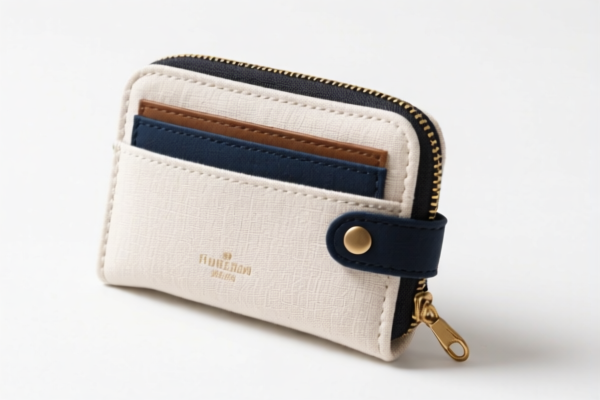
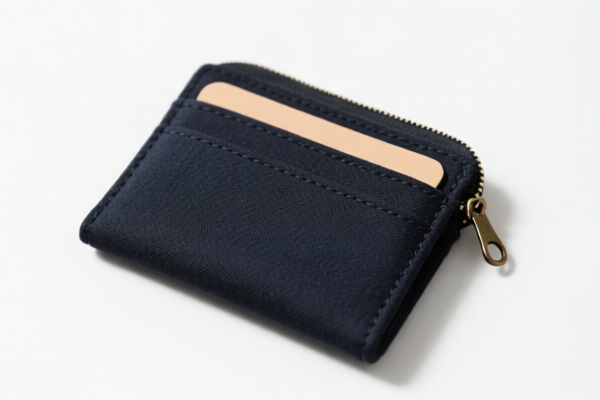
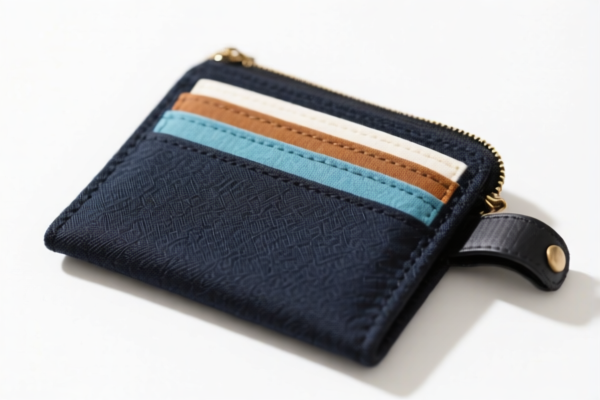
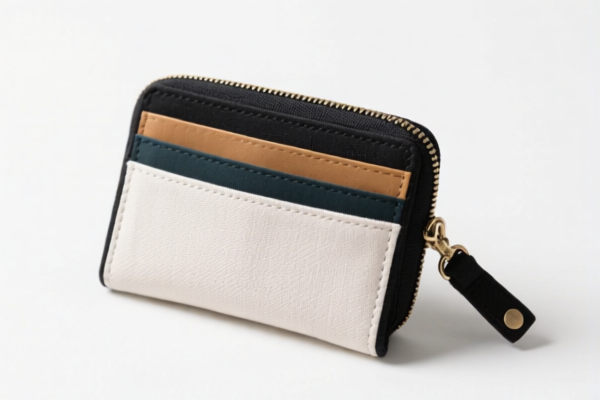
AI Analysis
👜 Fabric Multi-Function Wallet (布制多功能钱包)
🌐 HS Code Reference & Customs Clearance Guide | 2026 Latest Tariff Analysis | Professional Clearance Strategy
📌 I. Product Definition & Classification: What Exactly Is a "Fabric Wallet"?
A "Fabric Multi-Function Wallet" is typically a small pouch or accessory designed to hold cash, cards, and increasingly, smartphones. In international trade, the classification hinges on two critical factors: 1. Material Composition: Is it primarily cotton, synthetic fiber, or a mix? 2. Functionality: Is it classified strictly as a "wallet" (Chapter 42) or as a "general textile article" (Chapter 63)?
⚠️ Key Distinction Point:
- If the product is explicitly designed as a wallet (with compartments for cards, cash, phone) and made of textile materials, it generally falls under Chapter 42. The specific sub-heading depends on the outer material (e.g., Cotton vs. Other Textiles).
- If the product is a simple pouch or "other made-up textile article" without the specific structural definition of a wallet, it may fall under Chapter 63.
📦 II. HS Code Classification Details (2026 Latest Tariff Authority Comparison)
Based on the provided data, here are the four valid HS Codes and their corresponding tax implications.
| HS Code | Product Description & Logic | Material/Feature Match | Total Tax Rate |
|---|---|---|---|
4202.32.93.00 |
Fabric Wallet – Classified as a wallet with a textile outer surface. Specific code for wallets made of other textile materials (non-cotton). | ✅ Wallet Form + Fabric Surface ✅ Fits the classification for non-cotton textile wallets. |
52.6% |
4202.32.91.00 |
Fabric Wallet – Classified as a wallet meeting the requirements for Cotton textile material. | ✅ Wallet Form + Cotton Material ✅ Specifically targets cotton-textile wallets. |
52.6% |
6307.90.98.91 |
Fabric Pouch/Accessory – Classified as "Other Made-Up Articles" under Chapter 63. No conflict in material or form for general textile pouches. | ✅ Fabric + General Article ✅ Fits "Other Made-Up Textile Articles" category. |
24.5% |
6307.90.98.75 |
Fabric Pouch/Accessory – Classified as "Other Made-Up Articles" under Chapter 63. Specifically linked to face masks or similar mask-like categories (broadly interpreted as accessory pouches in this context). | ✅ Fabric + Accessory/Mask Category ✅ Fits "Other Face Masks/Mask-like Articles" category. |
24.5% |
🔍 Critical Analysis:
- Chapter 42 (Codes .93.00 & .91.00): Higher duty (52.6%). Applies if the item is clearly defined as a wallet with specific compartments for currency/cards. The distinction between.91(Cotton) and.93(Other Textiles) is vital for accuracy.
- Chapter 63 (Codes .98.91 & .98.75): Lower duty (24.5%). Applies if the item is classified as a general pouch or accessory rather than a structured wallet. This is often used for simpler fabric bags or pouches.
💰 III. 2026 Latest Tariff Rate Breakdown (Including Surcharge Policies)
✅ Applicable Country: United States (US)
✅ Country of Origin: China (CN)
✅ Effective Time: Current rates including Section 301 & Section 122 tariffs.
🎯 1. 4202.32.93.00 / 4202.32.91.00 —— Fabric Wallets (Chapter 42)
These codes attract the highest tariff burden due to their classification as manufactured goods (wallets) from China.
| Item | Content |
|---|---|
| Base Tariff Rate | 17.6% (Standard MFN rate for Chapter 42 wallets) |
| Section 301 Surcharge | +25.0% (Trade Enforcement Act - List 4A) |
| Section 122 Surcharge | +10.0% (Specific statutory surcharge for certain Chinese goods) |
| Total Effective Rate | 52.6% |
| Tax Calculation | CIF Value × 52.6% |
| De Minimis Exemption | ❌ NOT Available (deny_de_minimis) |
| Legal Path | Base Tariff + USITC:301 + Section 122 |
📌 Explanation:
- Base (17.6%): Standard import duty for textile wallets.
- Surcharge 1 (25.0%): The massive Section 301 tariff on Chinese goods.
- Surcharge 2 (10.0%): Additional 122 Clause tariff, often applied to specific consumer goods.
- Total: 52.6%. This makes importing fabric wallets from China extremely costly in the US market.
🎯 2. 6307.90.98.91 / 6307.90.98.75 —— Fabric Pouches/Accessories (Chapter 63)
These codes benefit from a lower base tariff, resulting in a significantly lower total tax burden.
| Item | Content |
|---|---|
| Base Tariff Rate | 7.0% (Standard rate for other made-up textile articles) |
| Section 301 Surcharge | +7.5% (Note: Some Chapter 63 items may have different Section 301 lists, here specified as 7.5% in data) |
| Section 122 Surcharge | +10.0% (Same 122 Clause surcharge applies) |
| Total Effective Rate | 24.5% |
| Tax Calculation | CIF Value × 24.5% |
| De Minimis Exemption | ❌ NOT Available (deny_de_minimis) |
| Legal Path | Base Tariff + USITC:301 + Section 122 |
📌 Explanation:
- Base (7.0%): Much lower than Chapter 42.
- Surcharge 1 (7.5%): Lower Section 301 component for this specific sub-heading compared to wallets.
- Surcharge 2 (10.0%): The 122 Clause remains constant.
- Total: 24.5%. This is less than half the cost of the Chapter 42 classification.
🛠️ IV. Customs Clearance Practical Advice (Real-World Pitfall Avoidance)
✅ 1. Documentation Checklist (Mandatory)
| Document | Required | Purpose |
|---|---|---|
| ✅ Product Description | ✔️ | Must specify "Fabric Wallet" vs. "Fabric Pouch". Be precise! |
| ✅ Material Composition | ✔️ | Crucial: Is it 100% Cotton? Or Polyester/Blend? Determines 4202.32.91 vs 4202.32.93. |
| ✅ Product Photos | ✔️ | Show compartments, zippers, and overall shape to justify "Wallet" vs. "Pouch". |
| ✅ Commercial Invoice | ✔️ | Must clearly state the HS Code and value. |
| ✅ Packing List | ✔️ | Ensure no missing items that could trigger "accessories" classification. |
✅ 2. Classification Strategy (The "Wallet" vs. "Pouch" Game)
🔥 Key Strategy:
"Structure Defines Code, Material Defines Sub-Code, Tariff Defines Profit!"
| Scenario | Recommended HS Code | Why? | Tax Impact |
|---|---|---|---|
| Structured Wallet (Card slots, coin pocket, phone sleeve) | 4202.32.93.00 / .91.00 |
Clearly meets the definition of a "wallet" in Chapter 42. | 52.6% |
| Simple Pouch (Single compartment, soft fabric, no rigid structure) | 6307.90.98.91 / .75 |
Classified as a general "made-up textile article." | 24.5% |
| Cotton Wallet | 4202.32.91.00 |
If material is 100% Cotton, use .91 for accuracy. |
52.6% |
| Synthetic Fabric Wallet | 4202.32.93.00 |
If material is Polyester, Nylon, etc., use .93. |
52.6% |
📌 Warning:
- Do NOT misdeclare a structured wallet as a "pouch" to save taxes. If customs inspects and finds card slots, they will reclassify it and impose penalties + back taxes.
- Ensure the Material Declaration is accurate. If you declare Cotton but it’s Polyester, you risk fines for false declaration.
✅ 3. Special Considerations
| Situation | Advice |
|---|---|
| Mixed Material | If the fabric is 51% Cotton, it’s usually treated as Cotton (4202.32.91). If <50%, check "Other Textile" (4202.32.93). |
| OEM Customization | Provide design drawings showing internal compartments to prove "Wallet" status if challenged. |
| Small Sample Shipments | Remember, De Minimis is denied. Even a $5 wallet is subject to 52.6% or 24.5% tax. No free entry. |
🌍 V. Global Market Comparison (2026)
| Market | Recommended HS Code | Estimated Tax (China Origin) | Notes |
|---|---|---|---|
| 🇺🇸 USA | 4202.32.91/93 (Wallet)6307.90.98 (Pouch) |
52.6% (Wallet) 24.5% (Pouch) |
High Section 301 + 122 tariffs. |
| 🇨🇳 China (Import) | 4202.32.91/93 |
~10-13% | Lower base rates, no Section 301. |
| 🇪🇺 EU | 4202.32.91/93 |
~12% + VAT | No Section 301/122. Standard WTO rates. |
📌 Conclusion:
- The US market is the most expensive for Chinese-origin fabric wallets due to the 52.6% total duty.
- If possible, classify as a "Pouch" (Chapter 63) if the product design allows, to save ~28% in taxes.
- Verify material: Cotton (...91) vs. Other (...93) does not change the tax rate in the US (both 52.6%), but it is critical for compliance accuracy.
📌 VI. Common Mistakes & Pitfalls (Lessons Learned)
❌ Mistake 1: Declaring a structured wallet as a pouch (6307.90) to save tax.
👉 Result: Customs audit reveals card slots → Reclassified to 4202.32 → Back taxes of 28% + penalties.
❌ Mistake 2: Ignoring the 122 Clause Tariff.
👉 Result: Many brokers forget the additional 10% Section 122 duty. Check all three components: Base + 301 + 122.
❌ Mistake 3: Incorrect Material Declaration (Cotton vs. Polyester).
👉 Result: While tax is same in US, it may affect other markets or trigger compliance flags for fiber content fraud.
✅ Best Practice:
“Be Honest, Be Precise, Choose the Right Code for the Product’s TRUE Nature.”
- If it’s a Wallet: Use4202.32...(52.6%).
- If it’s a Pouch: Use6307.90...(24.5%).
- Never mix them up.
🎯 VII. Conclusion: Professional Clearance, Lower Costs!
🎯 Remember the Formula:
🔹 Total Tax = Base (17.6% or 7.0%) + Sec 301 (25% or 7.5%) + Sec 122 (10%)
🔹 Wallet (Chapter 42) = 52.6%
🔹 Pouch (Chapter 63) = 24.5%
📌 Pro Tip:
- If your product is soft, unstructured, and lacks specific card/cash compartments, aim for Chapter 63 (
6307.90.98.91or.75) to halve your tax burden.- If it has rigid structure and compartments, accept the 52.6% rate or consider sourcing from non-China origins (if eligible for duty-free status).
📣 Immediate Action:
📞 Verify Product Structure: Is it a Wallet or Pouch?
🔍 Check Material: Cotton or Other?
📝 Declare Accurately: Use the correct HS Code from the table above.
🚀 Optimize Costs: Choose Chapter 63 if structurally possible!
✨ Precise Classification Saves Money!
💼 Don’t let a 28% tax difference eat your profits.
Customer Reviews
About HS Code Classification
The Harmonized System (HS) is an internationally standardized nomenclature developed by the World Customs Organization (WCO) to classify traded products. Over 200 countries use the HS system as the basis for customs tariffs, trade statistics, and import/export regulations.
Each HS code follows a hierarchical structure:
- Chapter (2 digits) — Broad category of goods (e.g., Chapter 84: Machinery and Mechanical Appliances)
- Heading (4 digits) — More specific grouping within the chapter
- Subheading (6 digits) — Internationally standardized breakdown, used by all WCO member countries
- National subdivisions (8-10 digits) — Country-specific extensions for further classification, such as US HTSUS 10-digit codes
Correct HS code classification is essential for smooth customs clearance, accurate duty payment, and compliance with trade regulations. Misclassification can lead to customs delays, overpayment of duties, or penalties.
When importing from CN to US, the applicable tariff rates may include:
- Most-Favored-Nation (MFN) rate — The standard duty rate applied to WTO members
- General rate — Applied to countries without trade agreements
- Trade remedy duties — Additional tariffs such as Section 301 (anti-dumping), Section 232 (national security), or countervailing duties
The information provided on this page is for reference purposes only. For official classification, please consult with your local customs authority or a licensed customs broker.