Fabric Pad
CN → US| HS Code | Tariff Rate | Origin | Destination | Doc |
|---|---|---|---|---|
| 6304910170 | 23.3% | CN | US | Official Doc |
| 6304920000 | 23.8% | CN | US | Official Doc |
| 9404909636 | 17.3% | CN | US | Official Doc |
| 9404901030 | 22.8% | CN | US | Official Doc |
Product Images
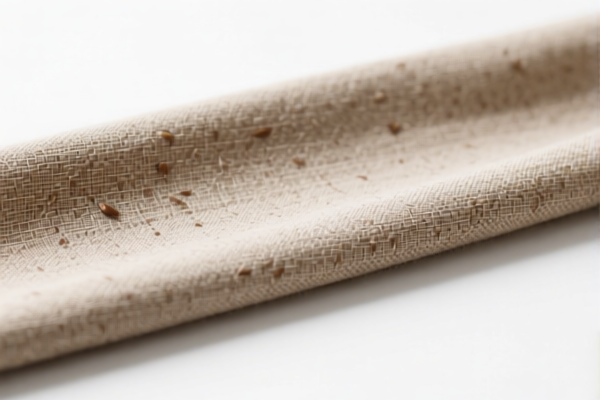
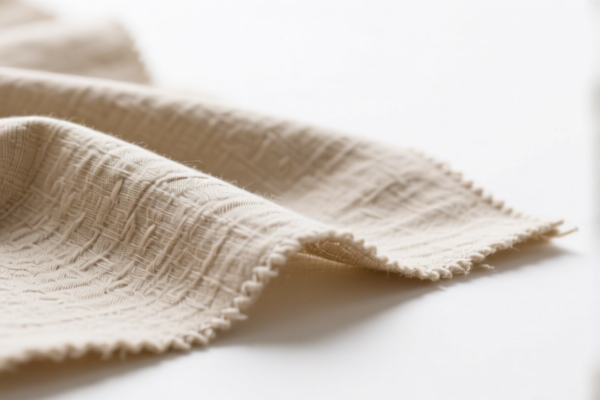
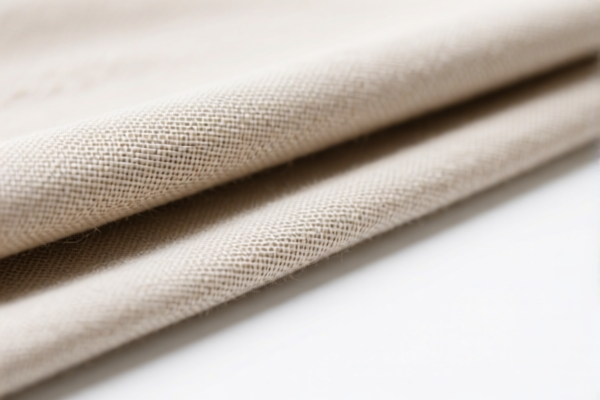
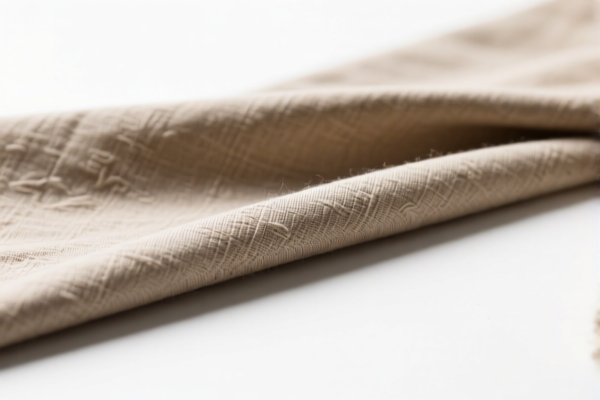
AI Analysis
🛋️ Fabric Cushion Covers (布艺靠垫套)
🌐 HS Code Reference & Customs Clearance Guide | 2026 Latest Tariff Analysis | Professional Clearance Strategy
📌 I. Product Definition & Classification: Do You Really Understand "Fabric Cushion Covers"?
Fabric cushion covers are soft furnishings used for home decoration, furniture protection, and comfort. In international trade, they are classified based on material composition, knitting/weaving status, and specific end-use. The classification is critical because minor differences in material (e.g., Cotton vs. Artificial Fiber) or manufacturing process (Knitted vs. Non-Knitted) can lead to significantly different tariff rates.
Key Distinctions: 1. Knitted/ Crocheted (e.g., Knitted Cotton/Fiber): Falls under Chapter 63 (Other Made-up Textile Articles), specifically subheading 6304.91. 2. Non-Knitted/Non-Crocheted (e.g., Woven Fabric): Also falls under Chapter 63, but under subheading 6304.92. 3. General Upholstery/Furniture Parts: May fall under Chapter 94 (Furniture), specifically subheading 9404.90, depending on the specific material definition and duty optimization strategies.
⚠️ Critical Distinction:
- If the product is Knitted → Look at 6304.91.xx.
- If the product is Woven (Non-Knitted) → Look at 6304.92.xx or 9404.90.xx.
- Material Conflict: Ensure the summary matches the actual fabric content (Cotton vs. Synthetic) to avoid customs valuation disputes.
📦 II. HS Code Classification Details (2026 Latest Tariff Authority Comparison)
| HS Code | Product Description | Applicability Scenario | Material/Structure | Total Tax Rate |
|---|---|---|---|---|
6304.91.01.70 |
Knitted Fabric Cushion Covers | Soft furnishings, Knitted structure | Non-silk (Cotton/Artificial Fiber) | 23.3% |
6304.92.00.00 |
Non-Knitted Fabric Cushion Covers | Soft furnishings, Woven structure | Cotton/Fiber based | 23.8% |
9404.90.96.36 |
Fabric Cushion Covers (Upholstery) | Furniture accessories, General textile inference | Other textile materials | 17.3% |
9404.90.10.30 |
Fabric Cushion Covers (Upholstery) | Furniture accessories, Cotton/Fabric inference | Cotton/Fabric based | 22.8% |
🔍 Key Reminder:
- Chapter 63 (6304) applies to "Other Made-up Textile Articles." It is the most common classification for decorative textile items like cushion covers. - Chapter 94 (9404) applies to "Articles of bedding, mattress supports, cushions, and similar stuffed furniture." Some customs authorities may classify cushion covers as parts of furniture rather than standalone textile articles, leading to different rates. - Duty Optimization: The rate for9404.90.96.36(17.3%) is significantly lower than the textile classifications (23%+). However, this classification requires that the item be clearly identified as a furniture accessory rather than a general textile good. Misclassification here can lead to penalties.
💰 III. 2026 Latest Tariff Rate Breakdown (Including Additional Duties & Policy Surcharges)
✅ Applicable Country: United States (US)
✅ Origin: China (CN)
✅ Effective Date: Ongoing (Based on current 2026 data provided)
🎯 1. 6304.91.01.70 – Knitted Fabric Cushion Covers (Non-Silk)
| Item | Content |
|---|---|
| Base Duty Rate | 5.8% |
| Section 301 Additional Duty | 7.5% |
| Section 122 Duty | 10.0% |
| Total Duty Rate | 23.3% |
| Tax Calculation | CIF Value × 23.3% |
| De Minimis Eligibility | ❌ Not Eligible (Section 122 and 301 duties generally override de minimis for commercial shipments) |
| Legal Basis Path | HTSUS:6304.91.01.70 → Section 301 → Section 122 |
📌 Explanation:
- The Base Duty (5.8%) is the standard MFN rate for knitted textile articles. - The Section 301 Duty (7.5%) is imposed on Chinese-origin goods. - The Section 122 Duty (10%) is an additional surcharge applied to certain Chinese imports. - Total 23.3% is a high barrier for entry. Price competitiveness must be maintained.
🎯 2. 6304.92.00.00 – Non-Knitted Fabric Cushion Covers
| Item | Content |
|---|---|
| Base Duty Rate | 6.3% |
| Section 301 Additional Duty | 7.5% |
| Section 122 Duty | 10.0% |
| Total Duty Rate | 23.8% |
| Tax Calculation | CIF Value × 23.8% |
| De Minimis Eligibility | ❌ Not Eligible |
| Legal Basis Path | HTSUS:6304.92.00.00 → Section 301 → Section 122 |
📌 Note:
- Slightly higher base rate (6.3%) compared to knitted items (5.8%). - Same additional duties apply. This is the standard classification for woven fabric covers.
🎯 3. 9404.90.96.36 – Fabric Cushion Covers (Furniture Classification)
| Item | Content |
|---|---|
| Base Duty Rate | 7.3% |
| Section 301 Additional Duty | 0.0% |
| Section 122 Duty | 10.0% |
| Total Duty Rate | 17.3% |
| Tax Calculation | CIF Value × 17.3% |
| De Minimis Eligibility | ❌ Not Eligible (Due to Section 122) |
| Legal Basis Path | HTSUS:9404.90.96.36 → Section 122 |
📌 Optimization Opportunity:
- Significant Savings: Total rate is 17.3%, which is 6% lower than the textile classifications (23.3%-23.8%). - Why? Section 301 duties (7.5%) do not apply to this specific furniture subheading. - Risk: Customs may challenge this if the item is deemed a general textile product rather than a furniture part. Requires strong documentation proving it is a "cushion" or "upholstery accessory."
🎯 4. 9404.90.10.30 – Fabric Cushion Covers (Cotton/Fabric Inference)
| Item | Content |
|---|---|
| Base Duty Rate | 5.3% |
| Section 301 Additional Duty | 7.5% |
| Section 122 Duty | 10.0% |
| Total Duty Rate | 22.8% |
| Tax Calculation | CIF Value × 22.8% |
| De Minimis Eligibility | ❌ Not Eligible |
| Legal Basis Path | HTSUS:9404.90.10.30 → Section 301 → Section 122 |
📌 Note:
- Higher base rate (5.3%) and Section 301 (7.5%) apply, resulting in a total of 22.8%. - Still slightly cheaper than the Chapter 63 textile classifications but more expensive than9404.90.96.36.
🛠️ IV. Customs Clearance Practical Advice (Real-World Pitfall Guide)
✅ 1. Required Documentation Checklist (No Exceptions)
| Document | Must Provide | Description |
|---|---|---|
| ✅ Product Specification Sheet | ✔️ | Must clearly state: Material (e.g., 100% Cotton, Polyester), Construction (Knitted vs. Woven), Size, and Use (Cushion Cover). |
| ✅ Product Photos | ✔️ | Clear images showing seams, zippers, and fabric texture to prove it is a "cover" and not a stuffed cushion. |
| ✅ Commercial Invoice | ✔️ | Must describe the item as "Fabric Cushion Cover" or "Upholstery Cushion," not just "Textile." |
| ✅ Packing List | ✔️ | Detail weight and dimensions. |
| ✅ HTS Code Justification Memo | ✔️ | Explain why the chosen HS Code is correct (e.g., "This is a furniture accessory, not a general textile"). |
✅ 2. Declaration Tips (Key Mnemonic)
🔥 "Material Defines Chapter, Structure Defines Subheading, Duty Optimization is Key!"
| Scenario | Correct Declaration | Wrong Practice |
|---|---|---|
| Knitted Cover | 6304.91.01.70 (23.3%) |
Misdeclare as Woven → 23.8% + Penalty |
| Woven Cover | 6304.92.00.00 (23.8%) |
Misdeclare as Knitted → 23.3% + Penalty |
| Furniture Accessory | 9404.90.96.36 (17.3%) |
Declare as Textile → 23.3%+ (Overpaying) |
| Stuffed Cushion | 9404.90.80 (Check specific rate) |
Declare as Empty Cover → Misclassification |
⚠️ Critical Warning:
- If you declare as9404.90.96.36(17.3%) to save money, but Customs determines it is a general textile article, they will reclassify it to6304.91/92and charge the higher rate + penalties. - Recommendation: If the value of the shipment is high, consult with a customs broker to confirm if9404.90.96.36is acceptable for your specific product. If the product is clearly a decorative textile item (not part of furniture), stick to6304.
✅ 3. Special Situations Handling
| Situation | Handling Advice |
|---|---|
| Mixed Materials | If the cover contains >50% Cotton, use Cotton-based codes. If >50% Synthetic, use Synthetic-based codes. Do not mix. |
| Sets with Stuffed Inserts | If sold with the cushion insert, it is a "Cushion" (Chapter 94), not a "Cover" (Chapter 63). Check specific rates for stuffed cushions. |
| OEM Custom Brands | Ensure the invoice matches the brand name. Mislabeling can lead to IP seizures or delays. |
| Small Samples (De Minimis) | ❌ Not Eligible: Due to Section 122 and Section 301 duties, small packages under $800 may still be subject to duties and cannot use the de minimis exemption for these specific HS codes. |
🌍 V. Global Market Clearance Comparison (2026 Latest)
| Country/Region | Recommended HS Code | Tariff Rate | Certification Requirement | Notes |
|---|---|---|---|---|
| 🇺🇸 USA | 9404.90.96.36 |
17.3% | None specific | Best rate if classified as furniture. 6304 rates are ~23%. |
| 🇨🇳 China | 6304.91/92 |
5-10% | None | Import duties are lower. No Section 301/122. |
| 🇪🇺 EU | 6304.91/92 |
0-4% | CE (if applicable) | Generally low tariffs. No punitive duties. |
| 🇬🇧 UK | 6304.91/92 |
0-4% | UKCA | Post-Brexit rules may vary. Check CHSC. |
| 🇨🇦 Canada | 6304.91/92 |
5-10% | None | No Section 301/122 equivalent. |
📌 Conclusion:
- US Market: Highly sensitive to duty rates. 17.3% vs 23.3% is a significant difference (6% margin impact). - Non-US Markets: Generally have lower tariffs and no punitive duties. Classification is more straightforward.
📌 VI. Common Errors & Pitfall Guide (Lessons Learned)
❌ Error 1: Declaring a Woven cover as Knitted (6304.91)
👉 Consequence: Customs may reject the declaration if fabric texture analysis proves it is woven. Penalty + Retreatment at 23.8%.
❌ Error 2: Declaring a Textile Cover as a Furniture Part (9404.90.96.36)
👉 Consequence: If Customs views it as a general textile good, they will reassess at 23.3%+ plus penalties for misdeclaration.
❌ Error 3: Ignoring Section 122
👉 Consequence: All listed HS codes above include a 10% Section 122 duty. Failing to account for this leads to unexpected cost overruns.
✅ Correct Practice:
"Fabric Cushion Cover, Woven, 100% Cotton, 18x18 inch, No Stuffing, Model XYZ"
→ Declared as:6304.92.00.00(if strictly textile) OR9404.90.96.36(if justified as furniture accessory).
🎯 VII. Conclusion: Professional Declaration, Cost Savings, Efficiency!
🎯 Remember Mnemonic:
🔹 "Knitted = 6304.91, Woven = 6304.92, Furniture = 9404.90!"
🔹 "Section 122 adds 10%, Section 301 adds 7.5% (except on 9404.90.96.36)!"
🔹 "Check your material, check your structure, optimize your duty!"
📌 Tips:
- If you are importing large volumes, consider Advance Rulings from CBP to confirm if 9404.90.96.36 is applicable to your specific product. This can save 6%+ on duties.
- Always include fabric content in the product description. "Fabric" is too vague for customs. Use "100% Cotton" or "Polyester Blend."
📣 Immediate Action:
📞 Contact a licensed customs broker
📎 Provide product samples/photos
📝 Apply for HS Code Pre-Ruling (Optional but recommended for large shipments)
🚀 Clear goods smoothly, save costs, and maximize profits!
✨ Professional Customs Clearance Starts with Precise Classification!
💼 Every cent of cost deserves precise calculation!
Customer Reviews
About HS Code Classification
The Harmonized System (HS) is an internationally standardized nomenclature developed by the World Customs Organization (WCO) to classify traded products. Over 200 countries use the HS system as the basis for customs tariffs, trade statistics, and import/export regulations.
Each HS code follows a hierarchical structure:
- Chapter (2 digits) — Broad category of goods (e.g., Chapter 84: Machinery and Mechanical Appliances)
- Heading (4 digits) — More specific grouping within the chapter
- Subheading (6 digits) — Internationally standardized breakdown, used by all WCO member countries
- National subdivisions (8-10 digits) — Country-specific extensions for further classification, such as US HTSUS 10-digit codes
Correct HS code classification is essential for smooth customs clearance, accurate duty payment, and compliance with trade regulations. Misclassification can lead to customs delays, overpayment of duties, or penalties.
When importing from CN to US, the applicable tariff rates may include:
- Most-Favored-Nation (MFN) rate — The standard duty rate applied to WTO members
- General rate — Applied to countries without trade agreements
- Trade remedy duties — Additional tariffs such as Section 301 (anti-dumping), Section 232 (national security), or countervailing duties
The information provided on this page is for reference purposes only. For official classification, please consult with your local customs authority or a licensed customs broker.