Fabric Phone Wallet
CN → US| HS Code | Tariff Rate | Origin | Destination | Doc |
|---|---|---|---|---|
| 4202329300 | 52.6% | CN | US | Official Doc |
| 6307909891 | 24.5% | CN | US | Official Doc |
| 6307909875 | 17.0% | CN | US | Official Doc |
| 4202329100 | 52.6% | CN | US | Official Doc |
Product Images

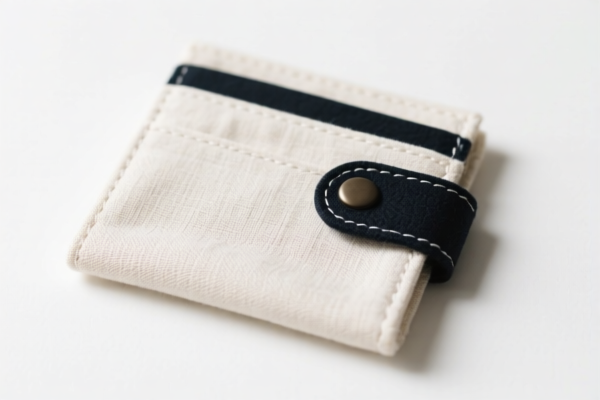
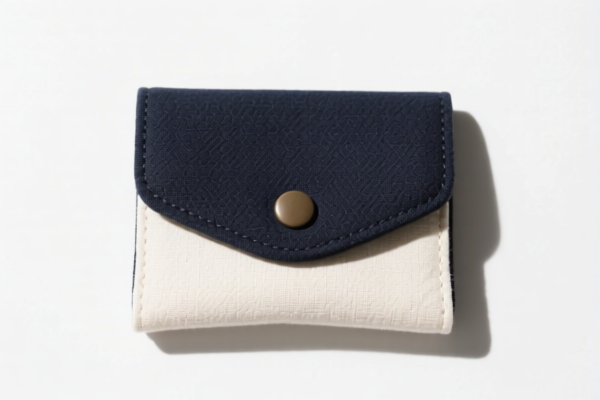

AI Analysis
🎒 Fabric Phone Wallets: Ultimate HS Code Guide & 2026 US Customs Clearance Strategy
🌐 HS Code Classification & Duty Decoding | 2026 Tariff Landscape | Strategic Customs Compliance
📌 I. Product Definition: Are You Sure What You're Shipping?
Fabric Phone Wallets are compact storage accessories made primarily from textile materials (cotton, polyester, woven fabrics, etc.), designed to hold mobile phones, cards, and cash.
In US Customs classification, the destiny of a fabric wallet lies in two critical factors: 1. Material Composition (Cotton vs. Man-made fibers) 2. Functional Classification (Is it a "pouch" for other goods or a specific "accessory for wallets"?)
⚠️ The Critical Distinction:
- If classified under 6307 (Other made-up textile articles), it is treated as a general textile accessory → Lower Total Tax (17% - 24.5%).
- If classified under 4202 (Wallets & similar containers of textile materials), it falls under specific "leather substitute/textile wallet" rules → Higher Total Tax (52.6%) due to stricter anti-dumping duties.
📦 II. HS Code Classification Breakdown (2026 Data Reference)
Based on your provided data, here are the 4 specific classifications for Fabric Phone Wallets, sorted by tax implication.
| HS Code | Summary Description | Material/Type Criteria | Total Duty Rate |
|---|---|---|---|
| 6307.90.98.91 | Textile Wallet (General "Other Made-up") Best for generic fabric pouches without specific "wallet" features. |
Made of fabric, general textile accessory. | 24.5% |
| 6307.90.98.75 | Textile Wallet (Face Mask Category) Specifically categorized under "Other made-up items for face masks". |
Fabric, falls under broader textile mask/face covering sub-categories. | 17.0% |
| 4202.32.91.00 | Textile Wallet (Cotton Composition) Strictly defined as "Wallets of textile materials, cotton". |
Cotton content dominates. | 52.6% |
| 4202.32.93.00 | Textile Wallet (Man-made Fibers) Defined as "Wallets of textile materials, synthetic/man-made". |
Synthetic/Man-made (Polyester, Nylon, etc.). | 52.6% |
🔍 Critical Insight:
- The Cotton (91.00) and Man-made (93.00) codes in Chapter 42 attract the highest tax (52.6%) because they are explicitly targeted as "Wallets" subject to higher Section 301 and Section 232/122 tariffs. - Codes starting with 6307 are often safer bets if the item can be argued as a "general textile pouch" rather than a formal "wallet," reducing the total duty significantly.
💰 III. 2026 Detailed Tariff Breakdown (US Customs Analysis)
✅ Applicable Jurisdiction: United States (US)
✅ Origin: China (CN) (Implied by "122 Section" & high rates)
✅ Effective Date: Current 2026 Tariff Regime
🎯 1. The "Sweet Spot": 6307.90.98.75 (17.0% Total)
Best Case Scenario for Shippers
| Component | Rate | Legal Basis |
|---|---|---|
| Base Duty | 7.0% | Standard MFN (Most Favored Nation) rate |
| Section 301 (Additional) | 0.0% | No Section 301 added tax for this specific sub-category |
| Section 122 (China Specific) | 10.0% | Section 122 Tariff (Trade Remedies) |
| TOTAL RATE | 17.0% | Lowest Risk |
📌 Explanation:
This classification treats the item as a textile accessory related to face coverings or general textile articles. The absence of the 25% Section 301 tariff makes this the most cost-effective route.
🎯 2. The "Standard" Option: 6307.90.98.91 (24.5% Total)
| Component | Rate | Legal Basis |
|---|---|---|
| Base Duty | 7.0% | Standard MFN rate |
| Section 301 (Additional) | 7.5% | Section 301 Tariff (Targeted on specific textile/other goods) |
| Section 122 (China Specific) | 10.0% | Section 122 Tariff |
| TOTAL RATE | 24.5% | Moderate Cost |
📌 Explanation:
While still lower than the Chapter 42 rates, this code attracts a 7.5% Section 301 surcharge. This is a "middle-ground" classification where the item is clearly a textile accessory but not the specific "mask" category.
🎯 3. The "High Cost" Trap: 4202.32.91.00 & 4202.32.93.00 (52.6% Total)
⚠️ WARNING: Highest Risk for Profit Margins
| Component | Rate | Legal Basis |
|---|---|---|
| Base Duty | 17.6% | Standard MFN rate for wallets/containers |
| Section 301 (Additional) | 25.0% | Maximum Section 301 Tariff (List 3/4) |
| Section 122 (China Specific) | 10.0% | Section 122 Tariff |
| TOTAL RATE | 52.6% | EXTREMELY HIGH |
📌 Explanation:
If Customs classifies your fabric phone wallet as a "Wallet" (under Chapter 42) rather than a "Textile Article", the penalties are severe. - Cotton (91.00) and Man-made (93.00) are both hit with the 25% Section 301 tariff + 17.6% base + 10% Section 122. - This is a 3x higher cost compared to the 6307 classifications.
🛠️ IV. Strategic Customs Clearance Advice (Action Plan)
✅ 1. Preparation Checklist (Must-Have Documents)
| Document | Requirement | Strategic Purpose |
|---|---|---|
| Product Composition Statement | ✔️ Must specify % of Cotton vs. Man-made | Determines if you fall into 4202 (52.6%) or can argue 6307 (17-24%). |
| Product Function Description | ✔️ "Phone Pouch" vs. "Wallet" | Crucial: Describe as a "Protective Pouch" or "Accessory" rather than a "Wallet" to avoid 4202. |
| Photos (Interior/Exterior) | ✔️ Show lack of rigid structure | 4202 often implies a structured wallet; soft, loose fabric suggests 6307. |
| Origin Declaration | ✔️ Country of Origin: China | Triggers Section 122 (10%) and Section 301 assessments. |
| Invoice & Packing List | ✔️ Commercial Invoice with HS Code | Explicitly state the chosen HS Code and justification. |
✅ 2. Classification Strategy (The "Avoid 52.6%" Rule)
🔥 The Golden Rule: "Don't call it a Wallet, call it a Pouch!"
| Strategy | Action | Expected Result |
|---|---|---|
| Strategy A | Describe as "Fabric Phone Pouch / Case" | Target 6307.90.98.75 (17.0%) |
| Strategy B | Avoid explicit "Wallet" terminology in marketing | Target 6307.90.98.91 (24.5%) |
| Strategy C | If forced into 4202 | Accept 52.6% and adjust pricing (Not Recommended) |
⚠️ Warning: Do NOT use HS Code 4202 unless you are certain the item has a rigid structure, multiple card slots, and is marketed explicitly as a "Wallet." Even fabric wallets are often misclassified into 4202, triggering the massive tax hike.
✅ 3. Special Situations & Pitfalls
| Scenario | Risk | Mitigation |
|---|---|---|
| Mixed Materials (Cotton + Synthetic) | Risk of being forced into 4202 | Declare as "Textile Pouch" (6307) in both English and Chinese descriptions. |
| Section 122 Compliance | Mandatory 10% add-on | Ensure "Made in China" is clearly marked; Section 122 applies regardless of material. |
| De Minimis (Section 321) | N/A for this item | Do NOT rely on $800 de minimis if the item is classified under 4202 (often restricted). |
🌍 V. Global Market Comparison (2026 Context)
| Region | Recommended HS Code | Estimated Total Duty | Notes |
|---|---|---|---|
| 🇺🇸 USA | 6307.90.98.75 | 17.0% | Best option. Avoid 4202 at all costs. |
| 🇨🇳 China | 4202.32.91.00 | ~17-20% | Base duty applies, no Section 301/122. |
| 🇪🇺 EU | 4202.32.00 | 12-14% | No Section 301/122 equivalent. |
| 🇦🇺 Australia | 4202.32.00 | 5-10% | Free Trade Agreement (if applicable) reduces duties. |
📌 Conclusion: The US market is the only one with the Section 122 (10%) and Section 301 (7.5% or 25%) penalties. This makes HS Code selection the single most important factor for US-bound fabric phone wallets.
📌 VI. Common Mistakes & Solutions (Lessons Learned)
❌ Mistake 1: Declaring as "Wallet (4202.32.91.00)" for a simple fabric pouch.
👉 Result: Tax jumps from 17% to 52.6%. Loss of 35.6% profit margin!
❌ Mistake 2: Not specifying "Cotton" vs. "Man-made" in 4202.
👉 Result: Customs assigns the wrong sub-code, leading to audit and penalties.
❌ Mistake 3: Ignoring Section 122 (10%) surcharge.
👉 Result: Underpricing the product, leading to negative cash flow upon arrival.
✅ Correct Approach:
"Fabric Phone Pouch (Textile Accessory), 6307.90.98.75, Made in China."
Note: Emphasize "Pouch" and "Accessory" in the commercial description.
🎯 VII. Final Verdict: The 3-Step Success Formula
- Product Design: Ensure the item looks like a soft "pouch" or "case," not a structured "wallet."
- Declaration: Use HS Code 6307.90.98.75 (17% tax) if possible. If not, 6307.90.98.91 (24.5%).
- Costing: Never calculate margins based on the 52.6% rate unless you are forced into 4202.
🚀 Pro Tip: If your profit margin is thin (<20%), DO NOT ship to the US under 4202. The 52.6% tax will destroy your business model. Pivot your marketing to "Pouch" or "Case" to qualify for 6307.
✨ Stay Compliant, Stay Profitable!
💼 Your HS Code is your first line of defense against关税 shocks.
🚀 Let's get your Fabric Phone Wallets cleared efficiently!
Disclaimer: This guide is based on the provided 2026 tariff data. Customs regulations are subject to change. Always consult a licensed Customs Broker for final classification.
Customer Reviews
About HS Code Classification
The Harmonized System (HS) is an internationally standardized nomenclature developed by the World Customs Organization (WCO) to classify traded products. Over 200 countries use the HS system as the basis for customs tariffs, trade statistics, and import/export regulations.
Each HS code follows a hierarchical structure:
- Chapter (2 digits) — Broad category of goods (e.g., Chapter 84: Machinery and Mechanical Appliances)
- Heading (4 digits) — More specific grouping within the chapter
- Subheading (6 digits) — Internationally standardized breakdown, used by all WCO member countries
- National subdivisions (8-10 digits) — Country-specific extensions for further classification, such as US HTSUS 10-digit codes
Correct HS code classification is essential for smooth customs clearance, accurate duty payment, and compliance with trade regulations. Misclassification can lead to customs delays, overpayment of duties, or penalties.
When importing from CN to US, the applicable tariff rates may include:
- Most-Favored-Nation (MFN) rate — The standard duty rate applied to WTO members
- General rate — Applied to countries without trade agreements
- Trade remedy duties — Additional tariffs such as Section 301 (anti-dumping), Section 232 (national security), or countervailing duties
The information provided on this page is for reference purposes only. For official classification, please consult with your local customs authority or a licensed customs broker.