Face Brush
CN → US| HS Code | Tariff Rate | Origin | Destination | Doc |
|---|---|---|---|---|
| 9603298090 | 0.0% | CN | US | Official Doc |
| 9603294090 | 0.0% | CN | US | Official Doc |
| 8543908885 | 85.0% | CN | US | Official Doc |
| 4417006000 | 35.0% | CN | US | Official Doc |
| 9603109000 | 27.5% | CN | US | Official Doc |
Product Images


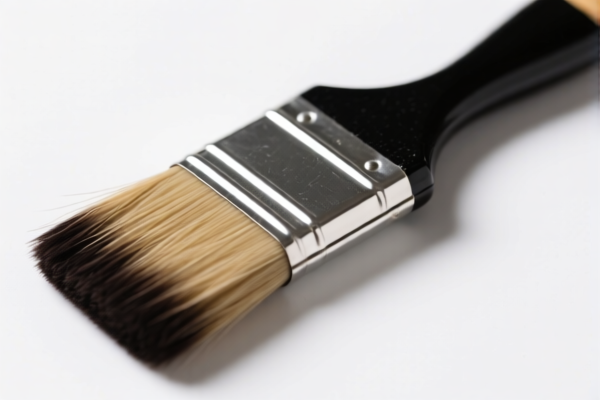
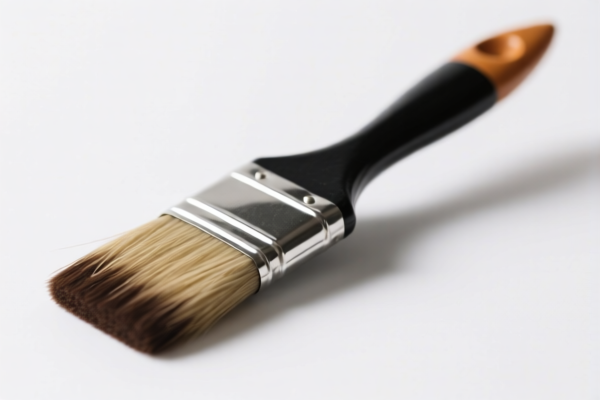
AI Analysis
🧼 Face Brush (Facial Cleansing Brush)
🌐 HS Code Reference & Customs Clearance Guide | 2026 Latest Tariff Analysis | Professional Clearance Strategy
📌 I. Product Definition & Classification: What Exactly is a "Face Brush"?
A Face Brush (Facial Cleansing Brush) is a personal care tool designed for cleaning the human body, specifically the face. In international trade, its classification depends heavily on its material, specific usage, and technical components. It is generally categorized under Chapter 96 (Miscellaneous Manufactured Articles), specifically under Brushes.
However, misclassification is common. Is it a simple manual brush? A high-tech electronic device? Or a wooden tool? The correct HS Code determines whether you pay a low duty or a prohibitive tax rate (up to 85%).
⚠️ Key Distinction Points:
- If it is a manual plastic/synthetic bristle brush for hygiene → Likely 9603.29.
- If it is a highly automated electronic device with specific non-standard functions → Could be 8543.90 (High Risk!).
- If it is made of wood → 4417.00.
- If it is a generic cleaning brush not specific to personal hygiene → 9603.10 (Lower Risk).
📦 II. HS Code Classification Details (Based on Provided Data)
Below are the 5 specific HS Codes identified for "Face Brush" from the provided dataset, along with their summaries and tax implications.
| HS Code | Summary from Data | Key Characteristic | Estimated Total Tax Rate (US Import from CN) |
|---|---|---|---|
| 9603.29.80.90 | Face brush classified as a toilet brush for human use, composed of bristles and a handle. | Manual, plastic/synthetic bristles, standard hygiene tool. | 0.3¢/unit + 3.6% + 10% (122) |
| 9603.29.40.90 | Face brush classified as a toilette brush for human use, meeting toiletry purpose and brush shape. | Manual, toiletry-specific, ergonomic design. | 0.2¢/unit + 7% + 10% (122) |
| 8543.90.88.85 | Face brush classified as an electrical equipment component for unspecified devices, material: plastic/synthetic fiber. | HIGH RISK: Classified as an electronic part/component. | 85.0% (Base 0% + 25% Sec 301 + 10% 122 + Potential 50% for metal/copper parts) |
| 4417.00.60.00 | Cleaning brush inferred to be wooden in material, function: brushing tool. | Wooden handle/bristles (less common for modern face brushes). | 35.0% (Base 0% + 25% Sec 301 + 10% 122) |
| 9603.10.90.00 | Cleaning brush fits brush usage, generic category for brooms/brushes. | Generic cleaning brush, not specific to personal toiletry. | 27.5% (Base 10% + 7.5% Sec 301 + 10% 122) |
🔍 Critical Analysis:
- Codes 9603.29.80.90 and 9603.29.40.90 are the most accurate for standard manual face cleansing brushes. They attract low specific duties (cents per unit) and moderate ad valorem taxes.
- Code 8543.90.88.85 is a dangerous misclassification trap. If your product is an electric vibrating brush, it might be argued as an electrical article. However, classifying a simple face brush as an "electrical equipment component" incurs a staggering 85% tax. This should only apply to complex internal electronic modules, not the consumer-facing brush itself.
- Code 4417.00.60.00 applies only if the brush is explicitly wooden.
- Code 9603.10.90.00 is a "fallback" category. It is less precise than 9603.29 (toiletry brushes) and carries a higher base tariff (10% vs 0%).
💰 III. 2026 Latest Tariff Rate Details (Including Surcharges & Policy Add-ons)
✅ Applicable Country: United States (US)
✅ Origin: China (CN)
✅ Effective Time: Current rates include Section 301 (25%) and Section 122 (10%) surcharges.
🎯 1. 9603.29.80.90 & 9603.29.40.90 —— Manual Toiletry/Face Brushes (Recommended)
These two codes are functionally similar, both falling under "Toiletry Brushes".
| Item | 9603.29.40.90 (Toilette Brush) |
9603.29.80.90 (Toilet Brush/General) |
|---|---|---|
| Base Tariff | 0% | 0% |
| Specific Duty | 0.2¢ per unit | 0.3¢ per unit |
| Ad Valorem | 7.0% | 3.6% |
| Section 301 Surcharge | 0.0% (Assumed neutral in data) | 0.0% (Assumed neutral in data) |
| Section 122 Surcharge | 10.0% | 10.0% |
| Total Effective Rate | ~7.2% + 0.2¢/unit | ~13.6% + 0.3¢/unit |
📌 Explanation:
- Base Tariff: 0% for toiletry brushes.
- Specific Duty: A small fixed cost per item.
- Section 122 (10%): This is a significant addition. Ensure your invoice value calculation includes this 10% on top of the CIF value.
- Why two codes?9603.29.40is more specific to "toiletry" (personal hygiene), while9603.29.80is a broader "toilet brush" category. Customs may accept either, but9603.29.40is often preferred for facial brushes as it directly matches "toiletry purpose."
🎯 2. 8543.90.88.85 —— Electrical Equipment Component (High Risk)
| Item | Content |
|---|---|
| Base Tariff | 0.0% |
| Section 301 Surcharge | 25.0% |
| Section 122 Surcharge | 10.0% |
| Potential Additional Surcharge | 50% (if contains steel, aluminum, or copper components) |
| Total Tax | Up to 85.0% |
⚠️ Warning: This classification treats the face brush as a part of an electrical machine, not a finished consumer good. Unless your product is a complex, non-standard electronic device with no other classification, avoid this code. It results in nearly triple the tax of a manual brush.
🎯 3. 4417.00.60.00 —— Wooden Cleaning Brush
| Item | Content |
|---|---|
| Base Tariff | 0.0% |
| Section 301 Surcharge | 25.0% |
| Section 122 Surcharge | 10.0% |
| Total Tax | 35.0% |
📌 Note: Only use if the product is substantively wooden. Modern face brushes are rarely fully wooden due to hygiene and durability concerns.
🎯 4. 9603.10.90.00 —— Generic Cleaning Brush
| Item | Content |
|---|---|
| Base Tariff | 10.0% |
| Section 301 Surcharge | 7.5% |
| Section 122 Surcharge | 10.0% |
| Total Tax | 27.5% |
📌 Note: This is a "catch-all" for brooms and brushes. It is less precise than 9603.29 and has a higher base rate. Use only if the brush cannot be classified as a toiletry brush.
🛠️ IV. Customs Clearance Practical Advice (Avoid Pitfalls)
✅ 1. Documentation Checklist
| Document | Required | Notes |
|---|---|---|
| Product Specification Sheet | ✔️ | Must clearly state: Material (e.g., Nylon bristles, PP handle), Function (Face Cleansing), Type (Manual/Electric). |
| Product Photos | ✔️ | Clear images of the bristles, handle, and any electronic parts (if electric). |
| Commercial Invoice | ✔️ | Description must be precise: "Facial Cleansing Brush, Manual, Nylon Bristles" (Avoid vague terms like "Cleaning Tool"). |
| Labeling | ✔️ | Must match the invoice. Include country of origin (China). |
| Material Declaration | ✔️ | If using wood (4417), provide proof. If plastic (9603), confirm it is not electronic. |
✅ 2. Classification Strategy (Key Tips)
🔥 “Toiletry Specific, Avoid Generic, Don’t Over-Electrify!”
| Scenario | Recommended HS Code | Reason |
|---|---|---|
| Standard Manual Face Brush (Plastic/Nylon) | 9603.29.40.90 | Most accurate for "toiletry" use. Lowest risk. |
| Manual Face Brush (Slightly less specific) | 9603.29.80.90 | Acceptable if 9603.29.40 is rejected, but check 3.6% vs 7% cost. |
| Electric Vibrating Face Brush | 9603.29.40.90 (Preferred) | Even if electric, if the brush head is the main feature, it often stays in 9603. Do NOT classify as 8543 unless it's a complex machine. |
| Wooden Face Brush | 4417.00.60.00 | Only if substantively wooden. |
| Non-Toiletry Cleaning Brush | 9603.10.90.00 | Only if not for personal hygiene. |
✅ 3. Special Cases
| Situation | Handling Advice |
|---|---|
| Electric Face Brush | If the device is primarily a handle with a vibrating motor, customs may scrutinize it. Ensure the brush head is declared as the consumable/toiletry item. Avoid calling it an "electrical appliance" if possible; call it a "facial cleansing system with brush head." |
| Mixed Materials | If the brush has a metal core, check for the 50% surcharge under 8543. If classified under 9603, metal parts in small quantities (bristles) usually don’t trigger the 50% metal surcharge unless it’s a significant component of a machine. |
| Section 122 (10%) | This surcharge applies to almost all Chinese-origin goods. Ensure your pricing model accounts for this 10% addition to the customs value. |
🌍 V. Global Market Comparison (2026)
| Country/Region | Recommended HS Code | Tariff (China Origin) | Notes |
|---|---|---|---|
| 🇺🇸 USA | 9603.29.40.90 |
~7.2% + 0.2¢/unit | Most favorable for manual face brushes. |
| 🇪🇺 EU | 9603.29 |
0% - 6% | Generally lower tariffs. No Section 122. |
| 🇨🇳 China | 9603.29 |
Various | Import duties may vary, but export data shows strong supply. |
| 🇬🇧 UK | 9603.29 |
0% - 6% | Post-Brexit tariffs may align with EU or UK-specific rates. |
📌 Conclusion:
- The USA imposes significant Section 122 (10%) and potentially Section 301 tariffs, but for manual toiletry brushes (9603.29), the base duty is 0%, making it manageable.
- Avoid the 85% tax trap by not classifying simple face brushes as "electrical equipment components" (8543) unless they are complex machines.
📌 VI. Common Mistakes & Pitfalls (Blood Lessons)
❌ Mistake 1: Classifying a manual face brush as an electronic device (8543)
👉 Result: Tax jumps from ~10% to 85%.
👉 Fix: Emphasize the "toiletry/brush" aspect. It is a hand-held hygiene tool, not a standalone electrical appliance.
❌ Mistake 2: Using 9603.10 (Generic Brush) for a Facial Brush
👉 Result: Higher base tariff (10% vs 0%) and less precise classification.
👉 Fix: Use 9603.29 (Toiletry Brushes) as it is more specific to human hygiene.
❌ Mistake 3: Ignoring Section 122 (10%) in cost calculations
👉 Result: Unexpected customs charges at border.
👉 Fix: Add 10% to the CIF value for duty calculation.
✅ Correct Declaration Example:
"Facial Cleansing Brush, Manual, Nylon Bristles, Plastic Handle, for Personal Toiletry Use, Model FB-101"
🎯 VII. Conclusion: Professional Classification, Cost Efficiency!
🎯 Key Takeaway:
🔹 Manual Face Brushes →
9603.29.40.90(Best Rate: ~7.2% + Specific Duty)
🔹 Electric Face Brushes → Still9603.29.40.90(If primarily a brush/toiletry item, NOT 8543)
🔹 Wooden Brushes →4417.00.60.00(35% Tax)
🔹 Generic Cleaning Brushes →9603.10.90.00(27.5% Tax)📌 Pro Tip:
Always provide photos and a detailed description of the bristles and handle material. If the brush is electronic, clarify that the brush head is the primary commodity for customs purposes to avoid the 85% "electrical component" tax.
📣 Immediate Action:
📞 Consult your customs broker with product photos and material specs.
🚀 Request an Advance Ruling if your product is electric to confirm it stays under9603.29and not8543.
✨ Professional Clearance Starts with Accurate Classification!
💼 Your every penny in cost is worth precise calculation!
Customer Reviews
About HS Code Classification
The Harmonized System (HS) is an internationally standardized nomenclature developed by the World Customs Organization (WCO) to classify traded products. Over 200 countries use the HS system as the basis for customs tariffs, trade statistics, and import/export regulations.
Each HS code follows a hierarchical structure:
- Chapter (2 digits) — Broad category of goods (e.g., Chapter 84: Machinery and Mechanical Appliances)
- Heading (4 digits) — More specific grouping within the chapter
- Subheading (6 digits) — Internationally standardized breakdown, used by all WCO member countries
- National subdivisions (8-10 digits) — Country-specific extensions for further classification, such as US HTSUS 10-digit codes
Correct HS code classification is essential for smooth customs clearance, accurate duty payment, and compliance with trade regulations. Misclassification can lead to customs delays, overpayment of duties, or penalties.
When importing from CN to US, the applicable tariff rates may include:
- Most-Favored-Nation (MFN) rate — The standard duty rate applied to WTO members
- General rate — Applied to countries without trade agreements
- Trade remedy duties — Additional tariffs such as Section 301 (anti-dumping), Section 232 (national security), or countervailing duties
The information provided on this page is for reference purposes only. For official classification, please consult with your local customs authority or a licensed customs broker.