Face Washing Cloth
CN → US| HS Code | Tariff Rate | Origin | Destination | Doc |
|---|---|---|---|---|
| 3926909950 | 22.8% | CN | US | Official Doc |
| 4818200040 | 35.0% | CN | US | Official Doc |
| 5603110070 | 35.0% | CN | US | Official Doc |
| 5603910090 | 35.0% | CN | US | Official Doc |
| 4818200020 | 35.0% | CN | US | Official Doc |
Product Images
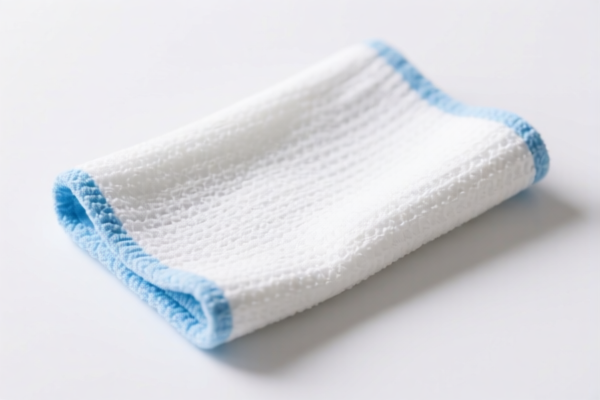
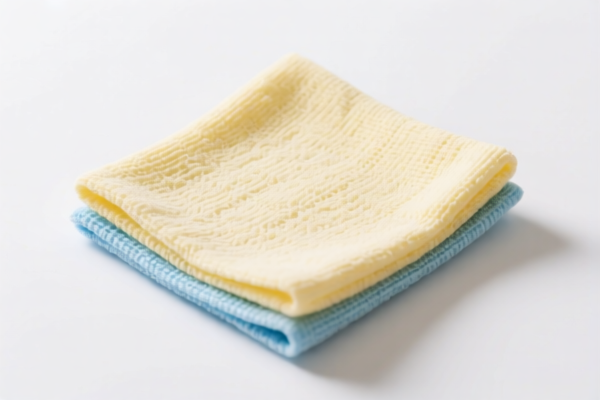
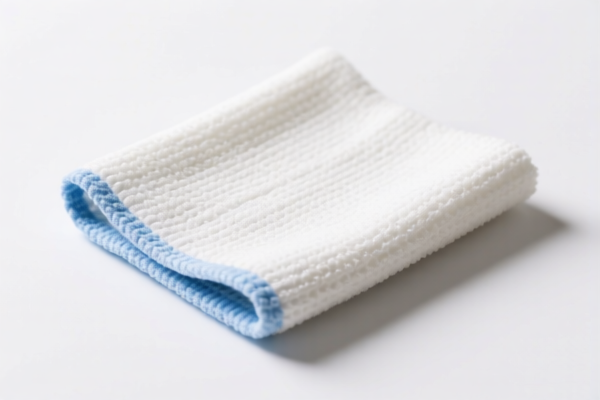
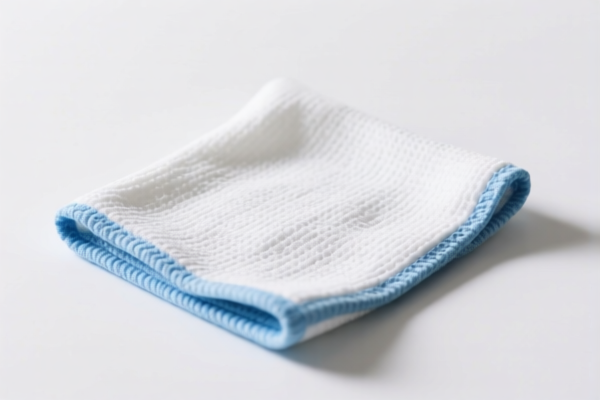
AI Analysis
🧖♀️ Face Washing Cloth (Cleanse Cloth)
🌐 HS Code Reference & Customs Clearance Guide | 2026 Latest Tariff Analysis | Professional Entry Strategy
📌 I. Product Definition & Classification: Do You Really Know What a "Face Washing Cloth" Is?
A Face Washing Cloth is a personal care accessory used for facial hygiene. In international trade, it is typically categorized based on its material composition and physical form. There are two primary material paths for this product:
1. Non-woven Fabric (Non-woven/Mobile Phone Cloth Style):
Made from synthetic fibers (polyester, viscose, etc.) bonded together without weaving. It is soft, thin, and often sold in packs.
→ Logic: Treated as a textile product (Chapter 56).
2. Paper/Cellulose Based (Facial Tissue Style):
Made from wood pulp or cellulose fibers, similar to facial tissues but thicker and textured for cleaning.
→ Logic: Treated as a paper product (Chapter 48).
⚠️ Key Distinction Point:
- If the material is non-woven textile (fabric-like feel) → Classify under 5603.xx.xx
- If the material is paper/cellulose (tissue-like feel) → Classify under 4818.20.xx
- If the material is plastic/fiber blend for disinfection → Classify under 3926.90.xx (Rare, but possible for specific medical/disinfectant wipes)
📦 II. HS Code Classification Details (2026 Latest Tariff Authority Comparison)
Below are the specific HS Codes derived from the provided data, along with their justification and tax implications.
| HS Code | Product Description | Classification Logic (Why?) | Total Tax Rate |
|---|---|---|---|
3926.90.99.50 |
Plastic/Fiber Non-woven Disinfecting Wipes | Material: Plastic/Fiber (e.g., non-woven). Usage: Disinfection/Cleaning wipes. Logic: Fits the logic for disinfecting wipe dispensers & related medical/hygiene plastic products under this heading. |
22.8% |
4818.20.00.40 |
Facial Cleansing Tissue/Paper | Material: Paper inferred from name "Face Washing Cloth" (if paper-based). Usage: Cleaning/Facial use. Logic: Matches "Handkerchiefs, cleaning or facial tissues and towels." |
35.0% |
5603.11.00.70 |
Non-woven Face Cloth (Lightweight) | Material: Non-woven fabric (artificial filaments/fibers). Form: Finished product, packaged for sale. Logic: Morphology fits non-woven products, lightweight nature aligns with this subheading. |
35.0% |
5603.91.00.90 |
Other Non-woven Fabric (No Impregnation) | Material: Non-woven fabric (usually non-woven cloth). Form: Lightweight, thin. Logic: Does not fall under excluded categories (rubber, plastic-impregnated, wood pulp, glass fiber). Fits the "Other" category description. |
35.0% |
4818.20.00.20 |
Facial Cleansing Paper/Towel | Usage: Facial cleansing. Form: Cloth/Towel shape. Material: Reasonably inferred as pulp or cellulose fiber. Logic: Perfectly matches the definition of "Facial paper, towels" in the paper chapter. |
35.0% |
🔍 Key Reminder:
- Non-woven Cloths (most common market type) generally fall under Chapter 56 (5603).
- Paper-based Cloths (less common, but possible) fall under Chapter 48 (4818).
- Disinfectant-specific wipes with plastic/fiber blends may fall under Chapter 39 (3926), though this is less common for general cosmetic use.
- All listed codes above include significant Additional Tariffs due to current trade policies (Section 301 / IEEPA).
💰 III. 2026 Latest Tariff Rate Details (Including Additional Taxes & Policy Surcharges)
✅ Applicable Country: United States (US)
✅ Origin: China (CN)
✅ Effective Date: Ongoing (2025–2026 Trade Policies)
🎯 1. 3926.90.99.50 —— Plastic/Fiber Disinfecting Wipes
| Item | Content |
|---|---|
| Base Tariff | 5.3% (Ad Valorem) |
| Additional Tariff (Section 301) | +7.5% |
| 122 Clause Tariff | +10.0% |
| Total Effective Rate | 22.8% |
| Tax Calculation | CIF Value × 22.8% |
| De Minimis Exemption? | ❌ No (Deny de minimis for goods subject to these tariffs) |
| Legal Basis Path | Section 301: 75% → 122 Clause: 10% → USITC: 3926.90.99.50 |
📌 Explanation:
- This classification is specific to disinfecting/cleaning wipes with plastic/fiber materials.
- The 22.8% rate is significantly lower than the 35% for paper/non-woven textiles, making it potentially cheaper if the product is legally classified as a disinfecting wipe rather than a general face cloth.
- Caution: Misclassifying a regular cosmetic face cloth as a "disinfecting wipe" to save taxes is a high-risk compliance violation.
🎯 2. 4818.20.00.40 & 4818.20.00.20 —— Paper/Cellulose Facial Tissues/Cloths
| Item | Content |
|---|---|
| Base Tariff | 0.0% |
| Additional Tariff (Section 301) | +25.0% |
| 122 Clause Tariff | +10.0% |
| Total Effective Rate | 35.0% |
| Tax Calculation | CIF Value × 35.0% |
| De Minimis Exemption? | ❌ No |
| Legal Basis Path | Section 301: 25% → 122 Clause: 10% → USITC: 4818.20.xx |
📌 Note:
- Both paper-based classifications (4818.20.00.40and4818.20.00.20) carry the same 35% total rate.
- The distinction is purely based on the specific physical description (e.g., "tissue" vs. "towel") within the paper chapter.
🎯 3. 5603.11.00.70 & 5603.91.00.90 —— Non-woven Fabric Face Cloths
| Item | Content |
|---|---|
| Base Tariff | 0.0% |
| Additional Tariff (Section 301) | +25.0% |
| 122 Clause Tariff | +10.0% |
| Total Effective Rate | 35.0% |
| Tax Calculation | CIF Value × 35.0% |
| De Minimis Exemption? | ❌ No |
| Legal Basis Path | Section 301: 25% → 122 Clause: 10% → USITC: 5603.xx.xx |
📌 Note:
- Most standard non-woven face washing cloths fall into Chapter 56.
- Despite a 0% base tariff, the 35% total duty is heavy.
-5603.11.00.70applies to lighter, finer non-wovens;5603.91.00.90applies to other non-wovens not specifically listed elsewhere.
🛠️ IV. Customs Clearance Practical Advice (Real-World Pitfall Guide)
✅ 1. Documentation Checklist (Mandatory)
| Document | Required | Explanation |
|---|---|---|
| ✅ Product Specification Sheet | ✔️ | Must clearly state material composition (e.g., "100% Polyester Non-woven" vs. "Wood Pulp"). |
| ✅ Material Certificate | ✔️ | Proof of fabric/paper type. Critical for distinguishing between HS 5603 and 4818. |
| ✅ Product Photos | ✔️ | Show packaging, texture, and any labeling (e.g., "Disinfecting" vs. "Facial Cleansing"). |
| ✅ Commercial Invoice | ✔️ | Must accurately describe the product. Avoid vague terms like "Cloth"; use "Non-woven Facial Cleansing Pad." |
| ✅ Usage Declaration | ✔️ | Confirm if it is for disinfection (claims antibacterial properties) or general cleaning. This affects classification between 3926 and others. |
| ✅ Packing List | ✔️ | Ensure weight and dimensions match the declared HS Code category. |
✅ 2. Declaration Tips (Key Mantras)
🔥 "Material First, Usage Second, Name Precise, Taxes Clear!"
| Scenario | Correct Declaration | Common Error |
|---|---|---|
| Non-woven Face Cloth | "Non-woven Facial Cleansing Cloth, Polyester, Pack of 10" | Misdeclaring as "Textile T-Shirt" (Low duty) → Risk of Penalty |
| Paper Facial Tissue | "Facial Cleansing Tissue, Wood Pulp, Box of 20" | Misdeclaring as "Disposable Diaper" (Different chapter) → Confiscation Risk |
| Disinfecting Wipe | "Antibacterial Face Wipe, Non-woven with Disinfectant Solution" | Using general "Face Cloth" name to avoid 35% → Audit Trigger |
| Plastic/Fiber Blend Wipe | "Plastic-Fiber Disinfecting Wipe for Hygiene" | Misdeclaring as "Paper Tissue" → Incorrect Tariff Application |
✅ 3. Special Considerations
| Situation | Handling Advice |
|---|---|
| OEM/Private Label | Ensure the supplier's material certificate matches your declaration. Do not change the material description without proof. |
| "Disinfecting" Claims | If the product is labeled or marketed as "disinfecting" or "antibacterial," customs may scrutinize it under 3926.90.99.50 (22.8%) or require FDA/agency approval for cosmetic vs. drug claims. |
| Mixed Packaging | If a box contains both non-woven cloths and paper tissues, declare them separately if possible, or classify by the dominant item/value. |
| De Minimis (Section 321) | ❌ Not Applicable. Due to Section 301 and IEEPA tariffs, goods from China over $800 do not qualify for de minimis tax exemption for these HS codes. |
🌍 V. Global Market Customs Comparison (2026 Latest)
| Country/Region | Recommended HS Code | Total Duty Rate | Certification Requirements | Notes |
|---|---|---|---|---|
| 🇺🇸 USA | 5603.11.00.70 / 4818.20.00.20 |
35.0% | Standard Compliance | High tariff due to China origin. |
| 🇺🇸 USA | 3926.90.99.50 |
22.8% | Standard Compliance | Lower rate only if correctly classified as disinfecting wipe. |
| 🇨🇳 China | 5603.11.00.70 |
~7.5% | No Special Certs | Import duty is much lower. |
| 🇪🇺 EU | 5603.91.00.90 |
~6.5% | CE (if cosmetic) | No Section 301 equivalent tariffs. |
| 🇦🇺 Australia | 5603.91.00.90 |
~5.0% | GSR Compliance | Lower duty burden than US. |
📌 Conclusion:
- The USA market is the most expensive for Face Washing Cloths due to the 35% total tariff (for non-woven/paper) or 22.8% (for disinfecting wipes).
- Cost Optimization: If the product can be legitimately classified as a disinfecting wipe (3926.90.99.50), the 12.2% savings is significant. However, this requires strict compliance with product labeling and ingredient disclosures.
📌 VI. Common Mistakes & Pitfall Guide (Lessons Learned)
❌ Mistake 1: Declaring Non-woven Cloths as "Textile Garments"
👉 Consequence: Misclassification. The correct duty is 35%, not 0-10%. Back taxes + Penalties.
❌ Mistake 2: Ignoring the "Disinfecting" Claim
👉 Consequence: If the product has antibacterial agents but is declared as a plain cloth, customs may reclassify it to 3926 (22.8%) or flag it for FDA compliance issues.
❌ Mistake 3: Assuming De Minimis Exemption Applies
👉 Consequence: For Chinese-origin goods under these HS codes, the $800 de minimis exemption is blocked. You must pay duties even for small shipments.
❌ Mistake 4: Vague Description ("Cloth")
👉 Consequence: Customs officers will use their best judgment, likely choosing the highest duty rate or requiring extensive documentation. Delay in Release.
✅ Correct Approach:
"Non-woven Facial Cleansing Cloth, 100% Polyester, Pack of 12, For Cosmetic Use Only, Not for Disinfection"
OR
"Antibacterial Face Wipe, Non-woven Fabric with Disinfectant Solution, Medical/Personal Hygiene Use"
🎯 VII. Conclusion: Precise Classification Saves Money!
🎯 Remember the Mantra:
🔹 "Non-woven = 35%, Paper = 35%, Disinfecting Wipe = 22.8%."
🔹 "Material defines Code, Usage defines Category, Tariff defines Cost."
🔹 "China Origin + These HS Codes = No De Minimis!"
📌 Tips:
- If your product is not for disinfection, do not force it into 3926.90.99.50 to save 12.2%. The risk of audit and penalty outweighs the savings.
- For general non-woven face cloths, budget for the 35% total duty.
- Consider supply chain adjustments (e.g., manufacturing in Vietnam/Mexico) if you want to bypass the 25% Section 301 tariff, though other tariffs may still apply.
📣 Immediate Action:
📞 Consult a licensed customs broker before shipping.
📄 Ensure your supplier provides a Material Composition Certificate.
🚀 Clear your goods, clear your mind, maximize your margin!
✨ Professional Customs Clearance Starts with Accurate Classification!
💼 Every Percent Saved is Pure Profit!
Customer Reviews
About HS Code Classification
The Harmonized System (HS) is an internationally standardized nomenclature developed by the World Customs Organization (WCO) to classify traded products. Over 200 countries use the HS system as the basis for customs tariffs, trade statistics, and import/export regulations.
Each HS code follows a hierarchical structure:
- Chapter (2 digits) — Broad category of goods (e.g., Chapter 84: Machinery and Mechanical Appliances)
- Heading (4 digits) — More specific grouping within the chapter
- Subheading (6 digits) — Internationally standardized breakdown, used by all WCO member countries
- National subdivisions (8-10 digits) — Country-specific extensions for further classification, such as US HTSUS 10-digit codes
Correct HS code classification is essential for smooth customs clearance, accurate duty payment, and compliance with trade regulations. Misclassification can lead to customs delays, overpayment of duties, or penalties.
When importing from CN to US, the applicable tariff rates may include:
- Most-Favored-Nation (MFN) rate — The standard duty rate applied to WTO members
- General rate — Applied to countries without trade agreements
- Trade remedy duties — Additional tariffs such as Section 301 (anti-dumping), Section 232 (national security), or countervailing duties
The information provided on this page is for reference purposes only. For official classification, please consult with your local customs authority or a licensed customs broker.