Facial Blotting Paper
CN → US| HS Code | Tariff Rate | Origin | Destination | Doc |
|---|---|---|---|---|
| 4823908680 | 35.0% | CN | US | Official Doc |
| 4818200040 | 35.0% | CN | US | Official Doc |
| 3921904010 | 39.2% | CN | US | Official Doc |
| 3921904090 | 39.2% | CN | US | Official Doc |
| 4823908000 | 35.0% | CN | US | Official Doc |
Product Images
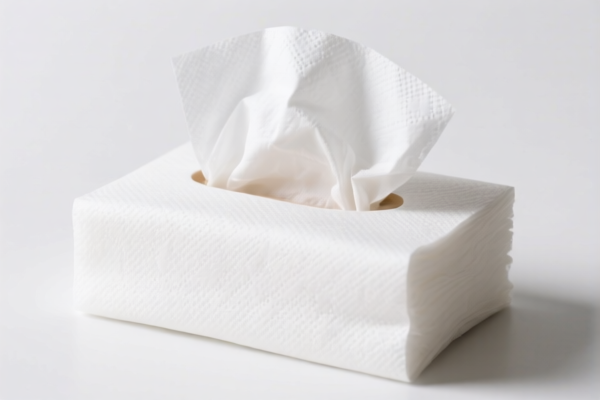
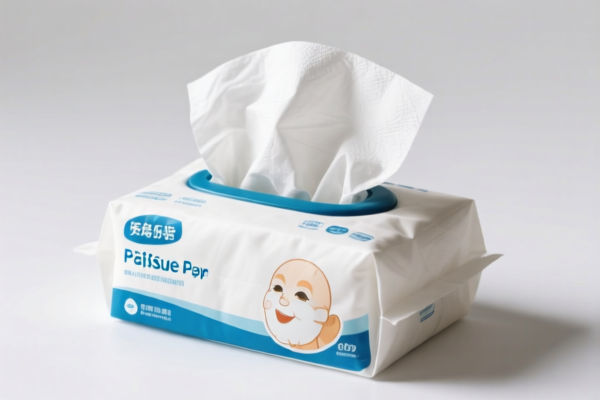
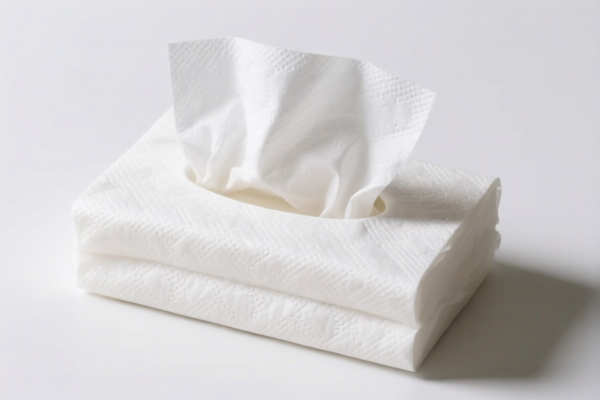
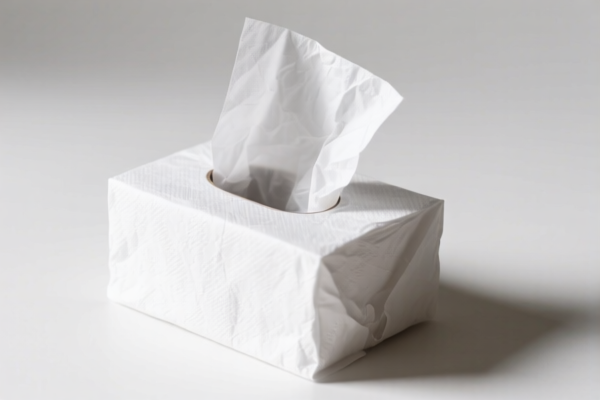
AI Analysis
🖤 Facial Blotting Paper (Absorbent Sheets for Face & Oil Control)
🌐 HS Code Reference & Customs Clearance Guide | 2026 Latest Tariff Analysis | Professional Strategy for US Imports
📌 I. Product Definition & Classification: What is "Facial Blotting Paper"?
Facial blotting paper is a daily cosmetic consumable used to absorb excess sebum (oil) and sweat from the face without disturbing makeup. In international trade, its classification depends entirely on its material composition and manufacturing process, not just its function.
1. Pure Paper Type: Made solely from wood pulp or plant fibers.
2. Paper-Plastic Composite Type: Paper base coated with a thin plastic film (PE/PET) to enhance oil absorption capacity or durability.
⚠️ Key Distinction Point:
- If the product is 100% paper (even if textured or perforated) → It falls under Chapter 48 (Paper & Paperboard).
- If the product contains a plastic film layer (e.g., for enhanced absorption or structural support) → It falls under Chapter 39 (Plastics & Articles Thereof).
📦 II. HS Code Classification Details (2026 Latest Tariff Authority Mapping)
| HS Code | Product Description | Material Characteristics | Applicable Scenario |
|---|---|---|---|
4818.20.00.40 |
Facial tissues, facial blotting paper used for cleaning | Pure paper, no plastic coating | Standard cosmetic blotting sheets, facial tissues |
4823.90.86.80 |
Other paper articles, absorbent paper sheets | Pure paper, functional absorbent items | Non-standard size blotting paper, industrial absorbent sheets |
4823.90.80.00 |
Other paper articles, functional consumables | Pure paper, general-purpose absorbent | General paper-based absorbents not classified elsewhere |
3921.90.40.10 |
Paper-reinforced plastic sheets | Paper base + Plastic film (composite) | Enhanced absorbency sheets with plastic backing |
3921.90.40.90 |
Plastic-coated paper/film articles | Paper or plastic with plastic coating | High-performance oil-control sheets with plastic layer |
🔍 Critical Reminder:
- Pure Paper Products: Must be classified under 48xx series. Even if marketed as "facial tissue" or "blotting paper," if there is no plastic, do NOT use 39xx codes.
- Composite Products: If there is a plastic film (even if invisible to the naked eye), it is considered a "plastic article" or "paper-plastic composite" → Use 3921.90.40.xx.
- Misclassification Risk: Declaring a plastic-coated sheet as "pure paper" (48xx) will result in underpayment of duties and potential customs penalties.
💰 III. 2026 Latest Tariff Rate Breakdown (Including Additional Taxes & Policy Surcharges)
✅ Applicable Country: United States (US)
✅ Country of Origin: China (CN)
✅ Effective Date: November 10, 2025 onwards
🎯 1. Pure Paper Categories (4818.20.00.40, 4823.90.86.80, 4823.90.80.00)
| Item | Details |
|---|---|
| Base Tariff | 0.0% (Most paper products have 0% base duty) |
| Section 301 Surcharge (USITC) | +25.0% (From USITC Footnote 9903.88.01) |
| IEEPA Surcharge | +10.0% (Targeting China/HK products, effective Nov 10, 2025) |
| Total Effective Rate | 35.0% |
| Tax Calculation | CIF Value × 35% |
| De Minimis Exemption | ❌ Not Applicable (deny_de_minimis) |
| Legal Basis Path | IEEPA:9903.01.25 → IEEPA:9903.01.24 → USITC:4818/4823 → FOOTNOTE:9903.88.01 |
📌 Explanation:
- Although the base tariff is 0%, the 35% total rate (25% + 10%) applies due to US-China trade measures.
- This rate is high for a low-value cosmetic accessory. Importers must calculate cost impact carefully.
- No de minimis exemption: Even small shipments are subject to this 35% duty.
🎯 2. Paper-Plastic Composite Categories (3921.90.40.10, 3921.90.40.90)
| Item | Details |
|---|---|
| Base Tariff | 4.2% (Standard duty for plastic/paper composites) |
| Section 301 Surcharge (USITC) | +25.0% (From USITC Footnote 9903.88.01) |
| IEEPA Surcharge | +10.0% (Targeting China/HK products, effective Nov 10, 2025) |
| Total Effective Rate | 39.2% |
| Tax Calculation | CIF Value × 39.2% |
| De Minimis Exemption | ❌ Not Applicable (deny_de_minimis) |
| Legal Basis Path | IEEPA:9903.01.25 → IEEPA:9903.01.24 → USITC:3921.90.40 → FOOTNOTE:9903.88.01 |
📌 Note:
- Composite products incur a higher base tariff (4.2%) than pure paper (0%).
- Total rate is 39.2%, which is 4.2 percentage points higher than pure paper products.
- Even if the plastic layer is extremely thin, if it exists, the higher rate applies.
🛠️ IV. Customs Clearance Practical Advice (Battle-Tested Pitfall Guide)
✅ 1. Required Documentation Checklist (Non-Negotiable)
| Document | Mandatory? | Description |
|---|---|---|
| ✅ Product Specification Sheet | ✔️ | Must clearly state material composition (e.g., "100% Wood Pulp" vs. "Paper Base with PE Coating") |
| ✅ Technical Data Sheet | ✔️ | Describe manufacturing process: Is there a lamination step? |
| ✅ Product Photos (Clear) | ✔️ | Show texture, packaging, and any labels indicating material |
| ✅ Third-Party Lab Report | ✔️ | Critical: Provide a lab test confirming plastic content (or lack thereof). This is the #1 factor for HS Code determination. |
| ✅ Commercial Invoice | ✔️ | Use precise description: "Facial Blotting Paper, 100% Paper" or "Blotting Paper, Paper-Plastic Composite" |
| ✅ Packing List | ✔️ | Clearly separate items if mixing pure paper and composite products in one shipment |
✅ 2. Declaration Strategy (Key Mantra)
🔥 "Material Dictates Code, Coating Increases Cost, Be Precise to Avoid Delays!"
| Scenario | Correct Declaration | Wrong Approach | Consequence |
|---|---|---|---|
| Pure Paper Blotting Sheets | 4818.20.00.40 or 4823.90.86.80 |
Declare as 3921.90.40.10 (Overpaying 4.2%) |
Unnecessary cost |
| Plastic-Coated Blotting Sheets | 3921.90.40.10 or 3921.90.40.90 |
Declare as 4818.20.00.40 (Underpaying) |
Penalty + Back Taxes + Seizure Risk |
| Mixed Shipment | Split into two entries: one for 48xx, one for 39xx | Lump all under one code | High audit risk |
✅ 3. Special Situations Handling
| Situation | Handling Advice |
|---|---|
| OEM/Private Label | Ensure the supplier provides a material composition certificate. Private label does not change the HS Code. |
| "Enhanced Absorbency" Claims | If marketing says "plastic-enhanced," assume it falls under 3921 unless lab tests prove otherwise. |
| Packaging Includes Plastic Bags | The inner blotting paper is classified by its own material. The outer plastic bag is declared separately (usually under 3923.30 or 3923.21). Do not confuse the two. |
| Sample Shipments | Even for samples, the 35% or 39.2% duty applies. No de minimis exemption for China-origin goods since Nov 10, 2025. |
🌍 V. Global Market Comparison (2026 Latest)
| Country/Region | Recommended HS Code | Tariff (China Origin) | Certification | Notes |
|---|---|---|---|---|
| 🇺🇸 USA | 4818.20.00.40 (Paper) |
35.0% | FDA (if cosmetic claim) | 39.2% if composite |
| 🇨🇳 China | 4818.20.00.40 |
5.0% | None | No additional surcharges |
| 🇪🇺 EU | 4818.20.00.40 |
0% (if pure paper) | CE (if plastic coated) | No US-style 301 tariffs |
| 🇬🇧 UK | 4818.20.00.40 |
0% | UKCA | Post-Brexit tariff-free for many paper goods |
| 🇯🇵 Japan | 4818.20.00.40 |
6.0% | PMD Act | Moderate duty, no surcharges |
📌 Conclusion:
- The US market is the most expensive due to the 35-39.2% combined tariff burden.
- Pure paper products are slightly cheaper to import into the US than composite ones.
- EU/UK/Japan offer significantly lower tariff burdens, making them more attractive for price-sensitive markets.
📌 VI. Common Errors & Pitfall Guide (Blood & Tears Lessons)
❌ Mistake 1: Assuming all "blotting paper" is pure paper.
👉 Reality: Many "oil-control" sheets use a microporous plastic film for better absorption.
👉 Consequence: Declared as 48xx (35%) but actually 39xx (39.2%). Customs audit leads to back taxes + fines.
❌ Mistake 2: Ignoring the "IEEPA 10%" surcharge.
👉 Reality: Since Nov 10, 2025, China-origin goods face an additional 10%.
👉 Consequence: Budget miscalculation. Your cost model was based on old rates.
❌ Mistake 3: Mixing codes in one shipment.
👉 Reality: If you ship both pure paper and plastic-coated sheets in one box, customs may reject the entire entry for lack of clarity.
👉 Consequence: Delay, storage fees, and potential return.
❌ Mistake 4: Using vague descriptions like "Cosmetic Paper."
👉 Reality: Too vague. Customs needs material composition.
👉 Consequence: Customs may reclassify based on their own interpretation, often leading to higher duties.
✅ Correct Approach:
"Facial Blotting Paper, 100% Wood Pulp, Perforated, 50 Sheets/Book, Model XYZ. Origin: China. Material Test Report Attached: 0% Plastic Content."
🎯 VII. Conclusion: Precision in Classification Saves Money!
🎯 Remember the Mantra:
🔹 "Pure Paper = 35%, Composite = 39.2%. Plastic Layer = Higher Cost."
🔹 "Lab Report is Your Shield. Without it, You Pay for Mistakes."
🔹 "De Minimis is Dead for China. Plan for Full Duty."
📌 Pro Tip:
If your product is exclusively pure paper, emphasize "100% Biodegradable Paper" in your marketing. This not only aligns with 48xx codes (lower base duty) but also appeals to eco-conscious consumers, potentially justifying a higher retail price to offset the 35% tariff.
📣 Immediate Action:
📞 Contact Your Supplier: Ask for a Material Composition Certificate.
📧 Send to Customs Broker: Share the lab report + clear product photos.
🚀 Apply for Advance Ruling: If shipment volume is high, get a binding ruling from US Customs to avoid future disputes.
✨ Professional Clearance Starts with Accurate Classification!
💼 Every 4.2% Matters. Choose the Right Code, Keep Your Profits!
Customer Reviews
About HS Code Classification
The Harmonized System (HS) is an internationally standardized nomenclature developed by the World Customs Organization (WCO) to classify traded products. Over 200 countries use the HS system as the basis for customs tariffs, trade statistics, and import/export regulations.
Each HS code follows a hierarchical structure:
- Chapter (2 digits) — Broad category of goods (e.g., Chapter 84: Machinery and Mechanical Appliances)
- Heading (4 digits) — More specific grouping within the chapter
- Subheading (6 digits) — Internationally standardized breakdown, used by all WCO member countries
- National subdivisions (8-10 digits) — Country-specific extensions for further classification, such as US HTSUS 10-digit codes
Correct HS code classification is essential for smooth customs clearance, accurate duty payment, and compliance with trade regulations. Misclassification can lead to customs delays, overpayment of duties, or penalties.
When importing from CN to US, the applicable tariff rates may include:
- Most-Favored-Nation (MFN) rate — The standard duty rate applied to WTO members
- General rate — Applied to countries without trade agreements
- Trade remedy duties — Additional tariffs such as Section 301 (anti-dumping), Section 232 (national security), or countervailing duties
The information provided on this page is for reference purposes only. For official classification, please consult with your local customs authority or a licensed customs broker.