Facial Scrubber
CN → US| HS Code | Tariff Rate | Origin | Destination | Doc |
|---|---|---|---|---|
| 3926909989 | 22.8% | CN | US | Official Doc |
| 9603304000 | 17.5% | CN | US | Official Doc |
| 9603298090 | 0.0% | CN | US | Official Doc |
| 8543908885 | 85.0% | CN | US | Official Doc |
| 9603294090 | 0.0% | CN | US | Official Doc |
Product Images
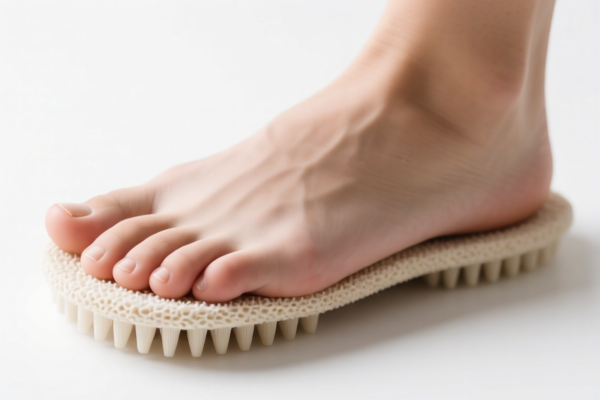
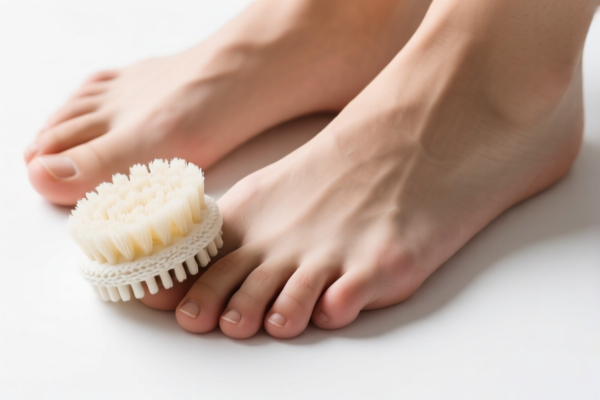
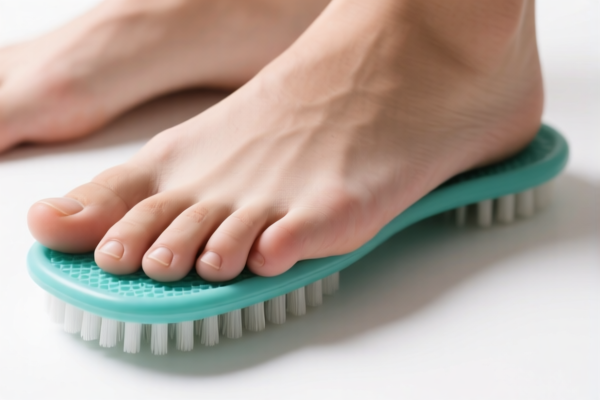

AI Analysis
🧴 Facial Scrubber (Facial Cleansing Brush / Facial Brush)
🌐 HS Code Reference & Customs Clearance Guide | 2026 Latest Tariff Analysis | Professional Clearance Strategy
📌 I. Product Definition & Classification: Do You Really Know "Facial Scrubber"?
A "Facial Scrubber" is a broad category of personal care tools used for facial cleansing and exfoliation. In international trade, its classification depends heavily on material composition, specific function, and technical features (e.g., whether it contains electronic components). The data provided highlights four distinct classification paths based on these nuances.
⚠️ Key Distinction Points:
- Material-Based Classification: If the brush is primarily plastic/synthetic fiber without specific cosmetic use designation, it may fall under general plastics.
- Function-Based Classification: If explicitly marketed as a "cosmetic brush" or "toiletry brush," it falls under specific HS headings for brushes.
- Technical Classification: If the scrubber contains electronic components (vibrating, sonic), it may be classified as an electrical appliance part.
📦 II. HS Code Classification Details (2026 Latest Tariff Authority Comparison)
| HS Code | Product Description | Applicable Scenario | Material/Feature Basis |
|---|---|---|---|
3926.90.99.89 |
Other articles of plastics | General facial brush made of plastic handle & synthetic bristles | Plastic/Synthetic Fiber |
9603.30.40.00 |
Makeup brushes | Facial brush explicitly categorized as a cosmetic tool | Cosmetic Use |
9603.29.80.90 |
Toilet brushes for personal use | Facial cleanser brush, material: bristles + handle | Toiletry/Personal Use Brush |
8543.90.88.85 |
Parts of electrical appliances | Electronic facial scrubber, plastic/synthetic parts | Electrical Component |
9603.29.40.90 |
Toilet brushes for personal use (specific subtype) | Facial cleansing brush, fits toiletry brush morphology | Toiletry Brush (Specific) |
🔍 Important Reminder:
- The classification varies significantly based on whether the product is considered a general plastic good, a cosmetic tool, or an electrical appliance part. - Misclassification can lead to drastic tariff differences (from 0.2¢/unit to 85%).
💰 III. 2026 Latest Tariff Rate Details (Including Surcharges & Policy Add-ons)
✅ Applicable Country: United States (US)
✅ Country of Origin: China (CN)
✅ Effective Time: Current tariffs apply (including Section 301 & Section 232 surcharges)
🎯 1. 3926.90.99.89 —— Other Articles of Plastics
| Item | Content |
|---|---|
| Base Tariff | 5.3% (Ad Valorem) |
| Section 301 Surcharge | +7.5% (List 4B) |
| Section 122 Tariff | +10% (China-specific) |
| Total Effective Rate | 22.8% |
| Calculation Basis | CIF Value × 22.8% |
| De Minimis Exemption | ❌ Not Applicable (Subject to high duties) |
| Legal Basis Path | HTSUS 3926.90.99.89 → Sec 301 List 4B → Sec 122 China Tariff |
📌 Explanation:
- This classification applies to generic facial brushes made of plastic/synthetic materials that do not fit other specific brush categories. - Total Tax: 22.8%. High due to combined base and surcharges.
🎯 2. 9603.30.40.00 —— Makeup Brushes
| Item | Content |
|---|---|
| Base Tariff | 0.0% (Ad Valorem) |
| Section 301 Surcharge | +7.5% (List 4B) |
| Section 122 Tariff | +10% (China-specific) |
| Total Effective Rate | 17.5% |
| Calculation Basis | CIF Value × 17.5% |
| De Minimis Exemption | ❌ Not Applicable |
| Legal Basis Path | HTSUS 9603.30.40.00 → Sec 301 List 4B → Sec 122 China Tariff |
📌 Explanation:
- If the facial scrubber is marketed and used as a cosmetic tool (e.g., applying makeup, exfoliation as part of beauty routine), it may qualify for this category. - Total Tax: 17.5%. Lower than the plastic classification due to 0% base duty.
🎯 3. 9603.29.80.90 —— Toilet Brushes for Personal Use
| Item | Content |
|---|---|
| Base Tariff | 0.3¢ per unit + 3.6% (Ad Valorem) |
| Section 301 Surcharge | 0.0% |
| Section 122 Tariff | +10% (China-specific) |
| Total Effective Rate | 0.3¢/unit + 13.6% (approx.) |
| Calculation Basis | Per-unit fee + CIF × 13.6% |
| De Minimis Exemption | ❌ Not Applicable |
| Legal Basis Path | HTSUS 9603.29.80.90 → Sec 122 China Tariff |
📌 Explanation:
- This classification treats the facial scrubber as a toiletry brush. - Complex Calculation: Includes a specific per-unit charge (0.3¢) plus ad valorem duties. - Total Tax: Low base surcharge (0%), but includes 10% Section 122 tariff.
🎯 4. 8543.90.88.85 —— Parts of Electrical Appliances
| Item | Content |
|---|---|
| Base Tariff | 0.0% (Ad Valorem) |
| Section 301 Surcharge | +25.0% (Steel/Aluminum/Copper products may have higher rates) |
| Section 122 Tariff | +10% (China-specific) |
| Total Effective Rate | 85.0% |
| Calculation Basis | CIF Value × 85.0% |
| De Minimis Exemption | ❌ Not Applicable |
| Legal Basis Path | HTSUS 8543.90.88.85 → Sec 301 (25%) → Sec 122 (10%) |
📌 Explanation:
- CRITICAL WARNING: If the facial scrubber contains electronic components (e.g., vibrating motor) and is classified as an electrical appliance part, the tariff skyrockets. - Total Tax: 85.0%. Extremely high. This is due to the 25% Section 301 surcharge on certain electrical parts and 10% Section 122. - Note: Steel, aluminum, or copper products may face even higher surcharges.
🎯 5. 9603.29.40.90 —— Toilet Brushes for Personal Use (Specific Subtype)
| Item | Content |
|---|---|
| Base Tariff | 0.2¢ per unit + 7.0% (Ad Valorem) |
| Section 301 Surcharge | 0.0% |
| Section 122 Tariff | +10% (China-specific) |
| Total Effective Rate | 0.2¢/unit + 17.0% (approx.) |
| Calculation Basis | Per-unit fee + CIF × 17.0% |
| De Minimis Exemption | ❌ Not Applicable |
| Legal Basis Path | HTSUS 9603.29.40.90 → Sec 122 China Tariff |
📌 Explanation:
- Another toiletry brush classification, but with different per-unit and ad valorem rates. - Total Tax: Low base surcharge (0%), but higher ad valorem component than previous toiletry code.
🛠️ IV. Customs Clearance Practical Advice (Avoid Pitfalls)
✅ 1. Preparation Checklist (Essential Documents)
| Document | Required? | Notes |
|---|---|---|
| ✅ Product Specification Sheet | ✔️ | Must detail material (plastic, bristle type), functionality (manual vs. electric) |
| ✅ Product Photos | ✔️ | Clear images of handle, bristles, and any electronic components |
| ✅ Circuit Diagram (if electric) | ✔️ | Crucial for distinguishing between 8543.90.88.85 and brush codes |
| ✅ Commercial Invoice | ✔️ | Must specify "Facial Scrubber" or "Makeup Brush" accurately |
| ✅ Packing List | ✔️ | Item-by-item breakdown |
✅ 2. Classification Strategy (Key Tips)
🔥 "Material Matters, Function Rules, Electricity Kills!"
| Scenario | Recommended HS Code | Risk |
|---|---|---|
| Manual Plastic Brush | 3926.90.99.89 |
Moderate Tax (22.8%) |
| Manual Cosmetic Brush | 9603.30.40.00 |
Lower Tax (17.5%) |
| Manual Toiletry Brush | 9603.29.80.90 or 9603.29.40.90 |
Low Base Surcharge, Complex Calc |
| Electric Vibrating Scrubber | 8543.90.88.85 |
EXTREME TAX (85%) - Avoid if possible |
📌 Advice:
- Avoid8543.90.88.85if the product can be reasonably classified as a non-electrical brush. The 85% tariff is prohibitive. - If manual, prefer9603.30.40.00(Makeup Brush) for lower tax (17.5%) over3926.90.99.89(22.8%). - Ensure no electronic components are declared if you are aiming for brush classifications.
✅ 3. Special Cases
| Case | Handling Advice |
|---|---|
| Electric Facial Scrubber | Must classify under electrical parts (8543.90.88.85). Expect 85% tariff. |
| Manual Brush with Rubber Head | May be classified under plastic (3926.90.99.89) or toiletry brush. |
| OEM Custom Brush | Provide design drawings to prove intent (cosmetic vs. general use). |
| Set of Brushes | Declare as a set. Main component determines classification. |
🌍 V. Global Market Comparison (2026 Latest)
| Market | Recommended HS Code | Tariff (China Origin) | Certification | Notes |
|---|---|---|---|---|
| 🇺🇸 USA | 9603.30.40.00 |
17.5% | None | High risk of misclassification |
| 🇪🇺 EU | 9603.29 |
4.7% | CE | Lower tariffs than US |
| 🇨🇳 China | 9603.30 |
5% | N/A | No surcharges |
| 🇬🇧 UK | 9603.29 |
4.7% | UKCA | Post-Brexit rules apply |
📌 Conclusion:
- USA has the highest effective tariffs due to Section 301 and Section 122. - Classification choice is critical: 17.5% vs 85% is a massive difference.
📌 VI. Common Mistakes & Pitfalls (Lessons Learned)
❌ Mistake 1: Classifying an electric scrubber as a manual brush
👉 Consequence: 85% tariff vs. 17.5%. Severe underpayment.
❌ Mistake 2: Using "Facial Cleanser" as product name
👉 Consequence: Confusion between brush (solid) and liquid cleanser. Customs delay.
❌ Mistake 3: Ignoring Section 122 Tariff
👉 Consequence: Missing 10% surcharge leads to penalties and interest.
❌ Mistake 4: Declaring as "Plastic Article" without justification
👉 Consequence: Higher tax (22.8%) than cosmetic brush (17.5%). Overpayment.
✅ Correct Practice:
"Facial Cleansing Brush, Manual, Synthetic Bristles, Plastic Handle, Model XYZ, For Cosmetics"
🎯 VII. Conclusion: Precise Classification Saves Money!
🎯 Remember the Mantra:
🔹 "Electric? Pay 85%. Cosmetic? Pay 17.5%. Plastic? Pay 22.8%. Toiletry? Pay Complexity."
🔹 "HS Code Determines Life. Tax Difference is Huge. Declare Accurately."
📌 Pro Tip:
If your product is manual, explicitly state "Cosmetic Brush" or "Toiletry Brush" in documentation. Avoid "Electrical" terms if no electronics are present. Consider applying for an Advance Ruling from US Customs (CBP) to lock in the HS Code and avoid disputes.
📣 Immediate Action:
📞 Consult a Customs Broker + Provide Product Photos + Apply for Pre-classification
🚀 Clear Customs Smoothly, Maximize Profit, Minimize Risk!
✨ Professional Clearance Starts with Accurate Classification!
💼 Every Cent Counts!
Customer Reviews
About HS Code Classification
The Harmonized System (HS) is an internationally standardized nomenclature developed by the World Customs Organization (WCO) to classify traded products. Over 200 countries use the HS system as the basis for customs tariffs, trade statistics, and import/export regulations.
Each HS code follows a hierarchical structure:
- Chapter (2 digits) — Broad category of goods (e.g., Chapter 84: Machinery and Mechanical Appliances)
- Heading (4 digits) — More specific grouping within the chapter
- Subheading (6 digits) — Internationally standardized breakdown, used by all WCO member countries
- National subdivisions (8-10 digits) — Country-specific extensions for further classification, such as US HTSUS 10-digit codes
Correct HS code classification is essential for smooth customs clearance, accurate duty payment, and compliance with trade regulations. Misclassification can lead to customs delays, overpayment of duties, or penalties.
When importing from CN to US, the applicable tariff rates may include:
- Most-Favored-Nation (MFN) rate — The standard duty rate applied to WTO members
- General rate — Applied to countries without trade agreements
- Trade remedy duties — Additional tariffs such as Section 301 (anti-dumping), Section 232 (national security), or countervailing duties
The information provided on this page is for reference purposes only. For official classification, please consult with your local customs authority or a licensed customs broker.