Facial Towel
CN → US| HS Code | Tariff Rate | Origin | Destination | Doc |
|---|---|---|---|---|
| 3926909950 | 22.8% | CN | US | Official Doc |
| 4818200040 | 35.0% | CN | US | Official Doc |
| 5603110070 | 35.0% | CN | US | Official Doc |
| 5603910090 | 35.0% | CN | US | Official Doc |
| 4818200020 | 35.0% | CN | US | Official Doc |
Product Images
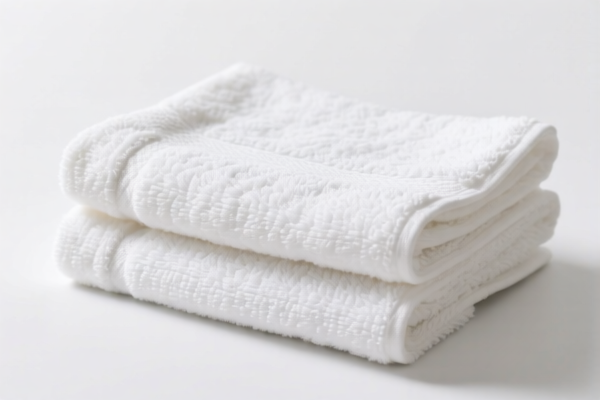
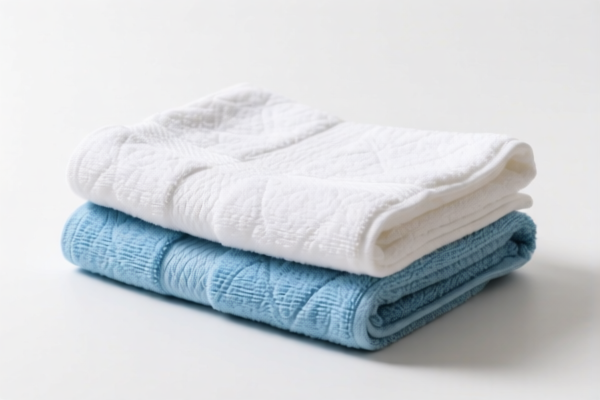
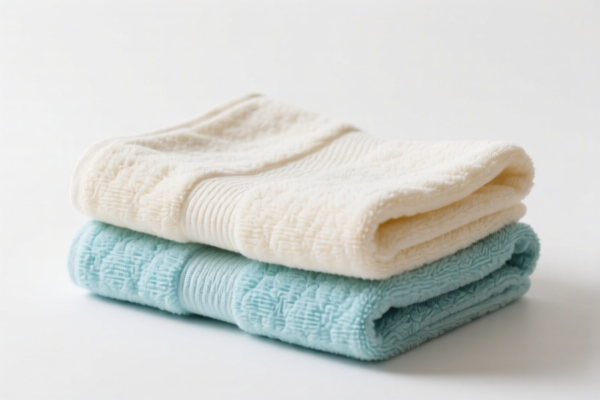
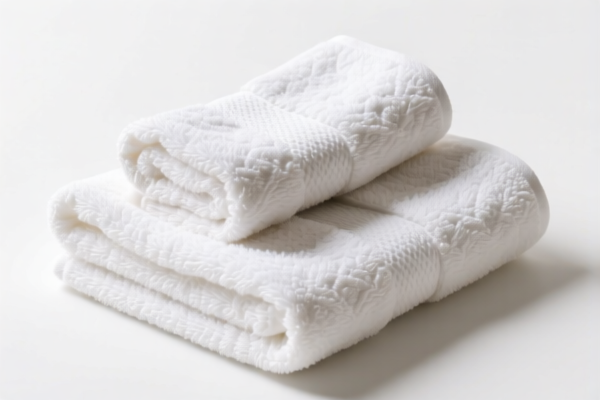
AI Analysis
🧖♀️ Facial Towel (Facial Cleansing Tissues)
🌐 HS Code Reference & Customs Clearance Guide | 2026 Latest Tariff Analysis | Professional Clearance Strategy
📌 I. Product Definition & Classification: Do You Really Understand "Facial Towel"?
Facial Towels, often referred to as "facial cleansing tissues" or "wet wipes" in trade, are daily care products used for cleaning the face. In international trade, their classification is not unified; it depends strictly on the raw material, structure, and specific use case.
The core distinction lies in whether the product is: 1. Plastic/Fiber-based (often treated as wipes or plastic articles); 2. Paper-based (tissues/paper products); 3. Non-woven fabric-based (textile-like non-wovens).
⚠️ Critical Distinction Point:
- If made of plastic/fiber (e.g., non-woven fabric composed of synthetic fibers) and used for disinfection/cleaning → Often falls under Chapter 39 (Plastics) or Chapter 56 (Non-wovens) depending on specific composition.
- If made of paper pulp/cellulose → Falls under Chapter 48 (Paper).
- If made of non-woven fabric (man-made filaments) → Falls under Chapter 56 (Textiles/Non-wovens).
📦 II. HS Code Classification Details (2026 Latest Tariff Authority Comparison)
| HS Code | Product Description | Application Scenario | Material Basis |
|---|---|---|---|
3926.90.99.50 |
Facial towel categorized based on material being plastic/fiber-based (e.g., non-woven), used in the scope of disinfection/cleaning wipes. | Synthetic fiber wipes, wet wipes with plastic backing, industrial cleaning wipes. | Plastic / Synthetic Fiber |
4818.20.00.40 |
Facial towel categorized based on material being paper-based (facial cleansing tissue), used for cleaning/face use. | Traditional paper tissues, soft facial tissues, dry paper wipes. | Paper / Cellulose |
5603.11.00.70 |
Facial towel categorized based on material being non-woven fabric (made from man-made filaments or fibers), in the form of non-woven products. | High-quality non-woven face towels, cosmetic wipes using synthetic non-wovens. | Man-made Filament Non-woven |
5603.91.00.90 |
Facial towel categorized based on material being non-woven fabric, thin/lightweight, and not belonging to excluded categories ("Other"). | Lightweight non-woven face towels, generic non-woven cleaning cloths. | Other Non-woven Fabric |
4818.20.00.20 |
Facial towel categorized based on use for face cleaning, form as towel, material inferred as pulp or cellulose fiber. | Standard facial tissues, toilet paper alternatives for face. | Paper Pulp / Cellulose |
🔍 Key Reminder:
- Paper-based products (4818.xx) are generally subject to higher additional tariffs in the US market due to trade measures.
- Non-woven/Plastic-based products (3926.xx,5603.xx) may have different duty structures, but still heavily impacted by Section 301 and IEEPA tariffs.
- Do not mix up "Non-woven" with "Paper": If the product feels fabric-like and is made of synthetic fibers, it is NOT paper, even if sold as a "facial towel."
💰 III. 2026 Latest Tariff Rate Details (Including Additional Taxes, Policy Add-ons)
✅ Applicable Country: United States (US)
✅ Country of Origin: China (CN)
✅ Effective Time: 2025/2026 (Current Trade Measures)
🎯 1. 3926.90.99.50 – Facial Towel (Plastic/Fiber-based)
| Item | Content |
|---|---|
| Base Duty Rate | 5.3% (ad valorem) |
| Section 301 Additional Duty | +7.5% |
| Section 122 Duty (USMCA/Truck Rule) | +10% |
| Total Tax Rate | 22.8% |
| Tax Calculation | CIF Value × 22.8% |
| De Minimis Exemption | ❌ Not Applicable (Deny De Minimis for China-origin goods under certain conditions) |
| Legal Basis Path | USITC:3926.90.99.50 → Section 301 Footnote → Section 122 |
📌 Explanation:
- This code applies to facial towels made of plastic or synthetic fibers, often classified as "other articles of plastics."
- The total rate of 22.8% is significantly lower than paper-based counterparts in some cases, but still substantial.
🎯 2. 4818.20.00.40 – Facial Towel (Paper-based)
| Item | Content |
|---|---|
| Base Duty Rate | 0.0% (ad valorem) |
| Section 301 Additional Duty | +25.0% |
| Section 122 Duty | +10% |
| Total Tax Rate | 35.0% |
| Tax Calculation | CIF Value × 35.0% |
| De Minimis Exemption | ❌ Not Applicable |
| Legal Basis Path | USITC:4818.20.00.40 → Section 301 → Section 122 |
📌 Warning:
- Although the base duty is 0%, the Section 301 tariff of 25% pushes the total to 35%.
- This is one of the highest duty rates for personal care items from China.
- High cost impact: Every $100 of CIF value incurs $35 in taxes.
🎯 3. 5603.11.00.70 – Facial Towel (Non-woven, Man-made Filament)
| Item | Content |
|---|---|
| Base Duty Rate | 0.0% (ad valorem) |
| Section 301 Additional Duty | +25.0% |
| Section 122 Duty | +10% |
| Total Tax Rate | 35.0% |
| Tax Calculation | CIF Value × 35.0% |
| De Minimis Exemption | ❌ Not Applicable |
| Legal Basis Path | USITC:5603.11.00.70 → Section 301 → Section 122 |
📌 Note:
- Non-woven fabrics made from man-made filaments are classified under Chapter 56.
- Same high tariff structure as paper-based due to Section 301.
🎯 4. 5603.91.00.90 – Facial Towel (Other Non-woven Fabric)
| Item | Content |
|---|---|
| Base Duty Rate | 0.0% (ad valorem) |
| Section 301 Additional Duty | +25.0% |
| Section 122 Duty | +10% |
| Total Tax Rate | 35.0% |
| Tax Calculation | CIF Value × 35.0% |
| De Minimis Exemption | ❌ Not Applicable |
| Legal Basis Path | USITC:5603.91.00.90 → Section 301 → Section 122 |
📌 Note:
- "Other" non-wovens fall here if they don't meet the specific criteria of5603.11.
- Identical tax burden to other non-woven/paper categories.
🎯 5. 4818.20.00.20 – Facial Towel (Paper/Cellulose)
| Item | Content |
|---|---|
| Base Duty Rate | 0.0% (ad valorem) |
| Section 301 Additional Duty | +25.0% |
| Section 122 Duty | +10% |
| Total Tax Rate | 35.0% |
| Tax Calculation | CIF Value × 35.0% |
| De Minimis Exemption | ❌ Not Applicable |
| Legal Basis Path | USITC:4818.20.00.20 → Section 301 → Section 122 |
📌 Note:
- This code specifically targets paper-based facial towels.
- High risk of audit: Customs may verify material composition to ensure it is truly paper and not a disguised non-woven.
🛠️ IV. Customs Clearance Practical Advice (Pitfall Avoidance Guide)
✅ 1. Preparation Checklist (All are Mandatory)
| Document | Must Provide | Explanation |
|---|---|---|
| ✅ Product Specification Sheet | ✔️ | Must clearly state material composition (e.g., "100% Polyester Non-woven" vs. "Wood Pulp"). |
| ✅ Material Composition Certificate | ✔️ | Third-party lab report proving the raw material (Plastic vs. Paper vs. Non-woven). |
| ✅ Product Photos | ✔️ | Clear images of the product, packaging, and any labels indicating material. |
| ✅ Commercial Invoice | ✔️ | Must describe the product accurately (e.g., "Facial Towel, Non-woven, Polyester"). Avoid vague terms like "Tissue." |
| ✅ Packing List | ✔️ | Ensure weights and dimensions match the HS Code declaration. |
✅ 2. Declaration Tips (Key Mantras)
🔥 "Material Defines Code, Misclassification Costs a Lot!"
| Scenario | Correct Declaration | Incorrect Practice | Consequence |
|---|---|---|---|
| Non-woven (Synthetic) | 5603.11.00.70 or 5603.91.00.90 |
Misclassified as Paper (4818.xx) |
Risk of penalty, back taxes. |
| Paper-based | 4818.20.00.40 or 4818.20.00.20 |
Misclassified as Plastic (3926.xx) |
Underpayment of duty (35% vs 22.8%) → Audit. |
| Wet Wipe (Disinfectant) | 3926.90.99.50 |
Classified as Paper | Different tariff structure; potential fraud if mislabeled. |
| Generic "Facial Towel" | Specify Material! | Just writing "Facial Towel" | Customs will assign highest duty rate based on uncertainty. |
✅ 3. Special Case Handling
| Situation | Handling Advice |
|---|---|
| Blended Materials | If mixed (e.g., Paper + Plastic backing), Customs may classify based on "Essential Character." Usually, the dominant material dictates the code. Provide clear proof. |
| Wet vs. Dry | Wet wipes often fall under 3926 or 3307. Dry paper towels fall under 4818. Ensure the description matches the physical state. |
| OEM/Private Label | Ensure the invoice reflects the actual manufacturer's declaration of material. |
| Small Parcels (De Minimis) | ❌ Do not rely on de minimis for China-origin facial towels. Most carriers and customs platforms flag these for scrutiny. |
🌍 V. Global Market Comparison (2026 Latest)
| Country/Region | Recommended HS Code | Duty Rate (China Origin) | Certification Requirements | Notes |
|---|---|---|---|---|
| 🇺🇸 USA | 4818.20.00.40 / 5603.11.00.70 |
35.0% (Paper/Non-woven) | No specific FDA cert for dry towels | High tariff environment. |
| 🇨🇳 China | 4818.20.00 |
5.0% - 10% | N/A | Low duty, but export restrictions may apply. |
| 🇪🇺 EU | 4818.20.00 |
0% - 6.5% | CE (if disposable), REACH | Lower tariffs than US. |
| 🇦🇺 Australia | 4818.20.00 |
5.0% | AICIS (if chemicals present) | Moderate duty. |
| 🇯🇵 Japan | 4818.20.00 |
0% - 3.0% | JPMA (if medical claim) | Very low duty. |
📌 Conclusion:
- The US market is the most expensive for Chinese facial towels due to 35% effective tariff (25% Section 301 + 10% Section 122 + 0% base).
- Non-plastic materials (3926.90.99.50) offer a slight advantage at 22.8%, but still high.
- Supply Chain Strategy: Consider sourcing from Vietnam, Thailand, or Indonesia to mitigate Section 301 tariffs (if rules of origin are met).
📌 VI. Common Errors & Pitfall Guide (Lessons Learned)
❌ Error 1: Classifying all "Facial Towels" under one HS Code.
👉 Consequence: If you declare non-woven as paper, you pay 35% instead of 22.8%. If you declare paper as non-woven, you risk underpayment penalties.
👉 Fix: Always specify material in the commercial invoice.
❌ Error 2: Ignoring Section 122 (Truck Rule) implications.
👉 Consequence: Even if you think Section 301 is the only cost, Section 122 adds 10% on many Chinese goods.
👉 Fix: Always calculate total landed cost including Section 122.
❌ Error 3: Vague Description "Facial Tissue".
👉 Consequence: Customs may interpret this as the highest duty category.
👉 Fix: Use precise terms: "Non-woven Facial Wipe, 100% Polyester" or "Paper Facial Tissue, Wood Pulp."
❌ Error 4: Assuming De Minimis ($800) exemption applies.
👉 Consequence: US Customs has suspended de minimis for China-origin goods in many cases.
👉 Fix: Plan for full duty payment.
✅ Correct Practice:
"Non-woven Facial Towel, 100% Spunbond Polypropylene, for Cosmetic Use, Model FT-100, No Medicinal Properties"
🎯 VII. Conclusion: Precision in Classification Saves Money!
🎯 Remember the Mantra:
🔹 "Material is King: Plastic 22.8%, Paper/Non-woven 35%."
🔹 "Section 301 + 122 = 35% for most fabrics/paper. Plan accordingly!"
🔹 "HS Code determines survival: Misclassification leads to delays, fines, and loss of profit."
📌 Pro Tip:
If your facial towels are originating from Vietnam, Mexico, Thailand, or Malaysia, you may qualify for exemptions from Section 301 tariffs, potentially reducing the duty to 0%~5%.
✅ Recommendation:
📞 Consult a licensed customs broker.
📄 Request an Advance Ruling from US Customs if possible.
🚀 Optimize your supply chain to avoid high US tariffs on Chinese-origin personal care items.
📣 Act Now:
🚀 Ensure your Invoice, Packing List, and Material Certificate are aligned.
💼 One cent saved on HS Code selection is one cent earned in profit!
✨ Professional Clearance Starts with Accurate Classification!
💼 Your every dollar deserves precise calculation!
Customer Reviews
About HS Code Classification
The Harmonized System (HS) is an internationally standardized nomenclature developed by the World Customs Organization (WCO) to classify traded products. Over 200 countries use the HS system as the basis for customs tariffs, trade statistics, and import/export regulations.
Each HS code follows a hierarchical structure:
- Chapter (2 digits) — Broad category of goods (e.g., Chapter 84: Machinery and Mechanical Appliances)
- Heading (4 digits) — More specific grouping within the chapter
- Subheading (6 digits) — Internationally standardized breakdown, used by all WCO member countries
- National subdivisions (8-10 digits) — Country-specific extensions for further classification, such as US HTSUS 10-digit codes
Correct HS code classification is essential for smooth customs clearance, accurate duty payment, and compliance with trade regulations. Misclassification can lead to customs delays, overpayment of duties, or penalties.
When importing from CN to US, the applicable tariff rates may include:
- Most-Favored-Nation (MFN) rate — The standard duty rate applied to WTO members
- General rate — Applied to countries without trade agreements
- Trade remedy duties — Additional tariffs such as Section 301 (anti-dumping), Section 232 (national security), or countervailing duties
The information provided on this page is for reference purposes only. For official classification, please consult with your local customs authority or a licensed customs broker.