Fake Finger Nail Exercise Model
CN → US| HS Code | Tariff Rate | Origin | Destination | Doc |
|---|---|---|---|---|
| 9618000000 | 21.9% | CN | US | Official Doc |
| 9021390000 | 10.0% | CN | US | Official Doc |
| 9021908100 | 10.0% | CN | US | Official Doc |
| 3926909989 | 22.8% | CN | US | Official Doc |
| 3926909910 | 22.8% | CN | US | Official Doc |
Product Images
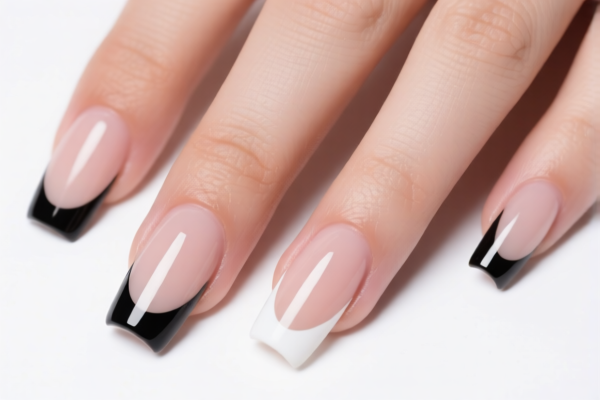
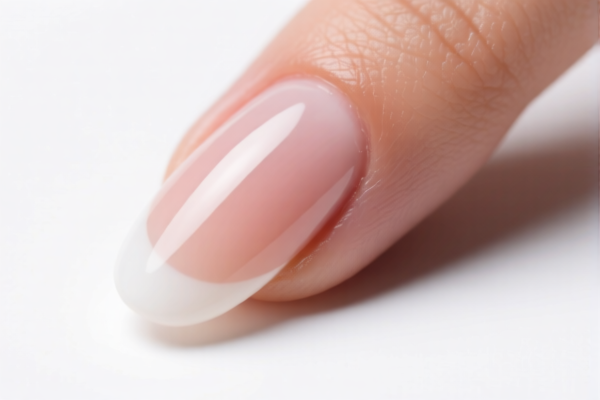
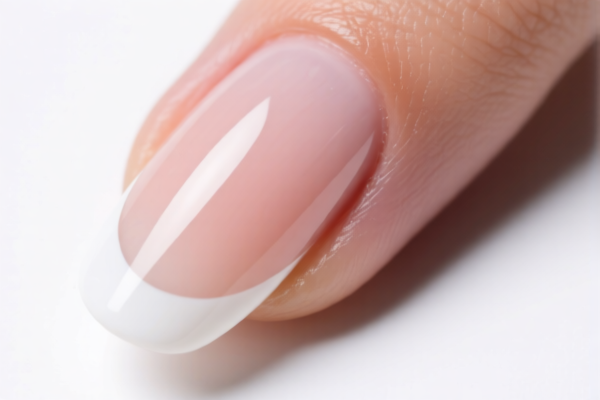
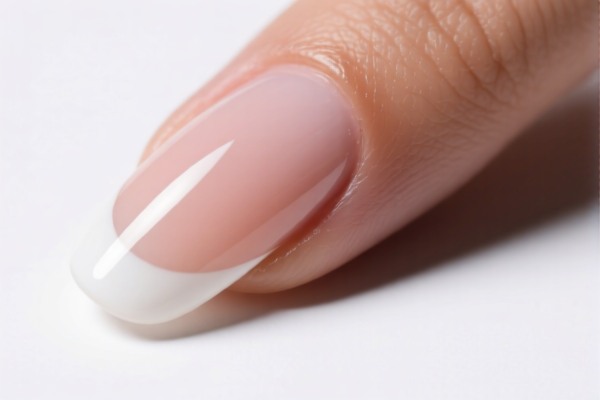
AI Analysis
💅 Fake Finger Nail Exercise Model (Nail Art Training Hands)
🌐 HS Code Reference & Customs Clearance Guide | 2026 Latest Tariff Analysis | Professional Strategy
📌 I. Product Definition & Classification: What Exactly Is a "Nail Exercise Model"?
The Fake Finger Nail Exercise Model (often referred to as "Practice Hands" or "Acrylic Training Models") is an essential tool in the beauty and cosmetology industry. It is used by nail technicians, students, and hobbyists to practice manicure techniques such as acrylic application, gel polish, nail art, and filing without using a living client.
In international trade, these items are classified based on their material composition and intended use: * As Medical/Surgical Simulators: If marketed as anatomical replicas for medical training, they may fall under medical apparatus. * As General Plastic/Resin Articles: Most commonly, they are simple plastic or resin replicas used for aesthetic practice, falling under general plastic goods.
⚠️ Key Distinction Point:
- If the product is marketed as a medical training aid (e.g., for surgical practice or prosthetic fitting) → Potentially9021or9618.
- If the product is marketed for beauty/nail art practice (most common) → Likely3926(Plastic Articles) or9618(Mannequins).
- Misclassification Risk: Declaring a plastic practice hand as "Medical Device" without proper certification can lead to severe penalties.
📦 II. HS Code Classification Details (2026 Latest Tariff Authority Comparison)
Based on the provided data, here are the five potential HS Codes with their corresponding rationales and tax implications.
| HS Code | Product Description | Application Scenario | Tax Rate (Total) |
|---|---|---|---|
9618.00.00.00 |
Mannequins, etc. (Anatomical Hand Model) | Beauty training, nail art practice models shaped like human hands | 21.9% |
9021.39.00.00 |
Orthopaedic Appliances (Artificial Body Parts) | Marketed as prosthetic replicas or medical simulation tools | 10.0% |
9021.90.81.00 |
Parts of Orthopaedic Appliances | Parts or accessories for surgical/medical training models | 10.0% |
3926.90.99.89 |
Other Plastic Articles (Industrial/Mold Use) | Plastic/resin items used for molds or industrial purposes | 22.8% |
3926.90.99.10 |
Other Plastic Articles (Silicone/Resin Mold) | Silicone/plastic items for art creation or mold making | 22.8% |
🔍 Critical Analysis:
-9618.00.00.00is the most logical classification for nail practice hands because Chapter 96 covers "Mannequins and other life-size figures," which includes anatomical models used for beauty/training.
-9021Codes imply medical use. Unless you have FDA clearance or market it explicitly as a medical prosthetic simulator, customs may reject this classification.
-3926Codes treat the item as a generic plastic good. This is a "fallback" classification if the medical/mannequin argument fails, but it comes with a higher tax burden (22.8%) and less specific product recognition.
💰 III. 2026 Latest Tariff Rate Breakdown (Including Surcharges & Policy Add-ons)
✅ Applicable Country: United States (US)
✅ Origin: China (CN)
✅ Effective Date: From November 10, 2025 (and subsequent imports)
🎯 1. 9618.00.00.00 — Mannequins / Anatomical Models (Recommended for Beauty Use)
| Item | Content |
|---|---|
| Base Tariff | 4.4% (ad valorem) |
| Section 301 Surcharge | +7.5% |
| Section 122 Tariff | +10% |
| Total Tax Rate | 21.9% |
| Tax Calculation | CIF Value × 21.9% |
| De Minimis Exemption | ❌ Not Applicable (Value likely exceeds $800 threshold or is subject to specific exclusions) |
| Legal Basis Path | USITC:9618.00.00.00 → Section 301 → Section 122 |
📌 Explanation:
- This classification recognizes the item as a life-size figure/mannequin.
- While the rate (21.9%) is high, it is significantly lower than the plastic alternative (22.8%) and more accurate than forcing a medical classification.
- Key Benefit: Accurate description reduces the risk of customs detention for "incorrect classification."
🎯 2. 9021.39.00.00 & 9021.90.81.00 — Medical/Orthopaedic Simulators
| Item | Content |
|---|---|
| Base Tariff | 0.0% |
| Section 301 Surcharge | 0.0% |
| Section 122 Tariff | +10% |
| Total Tax Rate | 10.0% |
| Tax Calculation | CIF Value × 10.0% |
| De Minimis Exemption | ❌ Not Applicable |
| Legal Basis Path | USITC:9021.39.00.00 / 9021.90.81.00 → Section 122 |
📌 Warning:
- Only use this if the product is explicitly marketed and certified as a medical training device (e.g., for prosthetic fitting education).
- If Customs determines the item is merely a beauty tool, they will reclassify it to3926or9618, leading to back taxes, penalties, and delays.
- Risk Level: ⚠️ High for beauty products.
🎯 3. 3926.90.99.89 & 3926.90.99.10 — Plastic/Resin Articles
| Item | Content |
|---|---|
| Base Tariff | 5.3% |
| Section 301 Surcharge | +7.5% |
| Section 122 Tariff | +10% |
| Total Tax Rate | 22.8% |
| Tax Calculation | CIF Value × 22.8% |
| De Minimis Exemption | ❌ Not Applicable |
| Legal Basis Path | USITC:3926.90.99.89 / 3926.90.99.10 → Section 301 → Section 122 |
📌 Explanation:
- These codes treat the nail models as generic plastic/silicone goods.
- This is the most expensive classification (22.8%).
- When to use: Only if the manufacturer explicitly states the item is for "industrial mold making" or "artistic casting" rather than human-body simulation.
🛠️ IV. Customs Clearance Practical Advice (Avoiding Pitfalls)
✅ 1. Required Documentation Checklist
| Document | Must Provide | Notes |
|---|---|---|
| ✅ Product Specification Sheet | ✔️ | Clearly state: "Nail Art Training Model," "Material: PVC/Plastic," "Not for Medical Use" |
| ✅ High-Resolution Photos | ✔️ | Show the hand model clearly. Avoid ambiguous shots that look like body parts. |
| ✅ Commercial Invoice | ✔️ | Description: "Plastic Mannequin Hand for Nail Art Practice" — Do NOT write "Human Hand Replica" |
| ✅ Material Declaration | ✔️ | Specify if it is PVC, ABS, or Silicone. This affects 3926 vs 9618 determination. |
| ✅ Intended Use Statement | ✔️ | Explicitly state: "For cosmetic training purposes only." |
✅ 2. Declaration Strategy (Key Tips)
🔥 "Beauty Use, Use 'Mannequin'; Medical Claims, Require Certs; Be Accurate, Avoid Fines!"
| Scenario | Correct Declaration | Incorrect Declaration | Consequence |
|---|---|---|---|
| Beauty/Nail Practice | 9618.00.00.00 (Mannequin) |
9021.39.00.00 (Medical) |
Audit Risk: Customs may reclassify to 3926 (22.8%) or impose penalties for false medical declaration. |
| Generic Plastic Hand | 3926.90.99.89 (Plastic Art) |
9618.00.00.00 (Mannequin) |
Higher Tax: You pay 22.8% instead of 21.9%. Minor difference, but accuracy matters. |
| Medical Training Aid | 9021.39.00.00 (Orthopaedic) |
9618.00.00.00 |
Lowest Tax (10%), but requires Medical Device Registration or proof of medical use. |
✅ 3. Special Case Handling
| Situation | Handling Advice |
|---|---|
| OEM Private Label | Provide the brand owner’s declaration that the product is for cosmetic education, not medical diagnosis/treatment. |
| Mixed Materials | If the hand has metal joints or electronic sensors (smart nails), do not use 9618. It may shift to 8543 (Electrical Machines) or 9021 (Medical). |
| Samples < $800 | If shipping individually as samples under $800, you may qualify for Section 321 De Minimis (0% duty), but Section 122 may still apply depending on current enforcement policies. Check latest CBP guidelines. |
| Silicone vs. Plastic | Silicone is often classified under 3926. Ensure your invoice specifies "Plastic" or "PVC" if it’s not true silicone, as 9618 is more favorable for "figures." |
🌍 V. Global Market Comparison (2026 Latest)
| Country/Region | Recommended HS Code | Tariff (China Origin) | Certification | Notes |
|---|---|---|---|---|
| 🇺🇸 USA | 9618.00.00.00 |
21.9% | None required for non-medical | Most accurate for beauty tools. |
| 🇪🇺 EU | 9619.00.00 or 3926.90 |
Varies (0-4%) | CE (if electrical) | No Section 122/301 equivalents. |
| 🇨🇳 China | 9618.00.00 |
0% (Export) | None | Export duty is usually 0%. |
| 🇨🇦 Canada | 9619.00.00 |
0% | Health Canada (if medical) | Similar to US but no Section 122. |
📌 Conclusion:
- The US market is the most complex due to Section 301 and Section 122 tariffs.
-9618.00.00.00is the safest and most cost-effective classification for beauty nail models.
- Avoid9021unless you have medical credentials.
📌 VI. Common Mistakes & Pitfalls (Lessons Learned)
❌ Mistake 1: Calling it "Artificial Human Hand"
👉 Consequence: Customs may suspect illegal human part trafficking or require FDA medical device registration.
👉 Fix: Use terms like "Training Mannequin Hand" or "Practice Model."
❌ Mistake 2: Declaring as "Medical Device" to get 10% tax
👉 Consequence: If audited and no medical proof is provided, you face back taxes + 25% penalty.
👉 Fix: Only use 9021 if it is truly a medical training aid.
❌ Mistake 3: Ignoring Section 122 Tariff
👉 Consequence: Underestimating landed cost. The 10% Section 122 is always added to most Chinese goods in 2026.
👉 Fix: Include 10% in your pricing model.
🎯 VII. Conclusion: Professional Declaration Saves Money
🎯 Remember:
🔹 "Beauty Models = Mannequins (9618) | Medical Devices = 9021 | Plastic Parts = 3926"
🔹 "Don't fake medical status for lower taxes — the risk is not worth it!"
🔹 "Section 122 is unavoidable — plan for 21.9% total cost for beauty items."
📌 Pro Tip:
If you are shipping small quantities under $800 per shipment, investigate Section 321 De Minimis eligibility. While Section 122 might still apply, it saves the 7.5% Section 301 tariff and base duty in some cases. Consult a customs broker for the latest CBP enforcement updates.
📣 Immediate Action:
📞 Verify material (PVC/ABS vs Silicone)
📝 Label clearly as "Nail Art Practice Model"
📊 Calculate landed cost at 21.9% for accurate pricing
✨ Professional clearance starts with accurate classification!
💼 Don't let misclassification cost you profit!
Customer Reviews
About HS Code Classification
The Harmonized System (HS) is an internationally standardized nomenclature developed by the World Customs Organization (WCO) to classify traded products. Over 200 countries use the HS system as the basis for customs tariffs, trade statistics, and import/export regulations.
Each HS code follows a hierarchical structure:
- Chapter (2 digits) — Broad category of goods (e.g., Chapter 84: Machinery and Mechanical Appliances)
- Heading (4 digits) — More specific grouping within the chapter
- Subheading (6 digits) — Internationally standardized breakdown, used by all WCO member countries
- National subdivisions (8-10 digits) — Country-specific extensions for further classification, such as US HTSUS 10-digit codes
Correct HS code classification is essential for smooth customs clearance, accurate duty payment, and compliance with trade regulations. Misclassification can lead to customs delays, overpayment of duties, or penalties.
When importing from CN to US, the applicable tariff rates may include:
- Most-Favored-Nation (MFN) rate — The standard duty rate applied to WTO members
- General rate — Applied to countries without trade agreements
- Trade remedy duties — Additional tariffs such as Section 301 (anti-dumping), Section 232 (national security), or countervailing duties
The information provided on this page is for reference purposes only. For official classification, please consult with your local customs authority or a licensed customs broker.