Fascia Gun
CN → US| HS Code | Tariff Rate | Origin | Destination | Doc |
|---|---|---|---|---|
| 8509805095 | 14.2% | CN | US | Official Doc |
| 8509801000 | 10.0% | CN | US | Official Doc |
| 9019102050 | 10.0% | CN | US | Official Doc |
| 9019102020 | 10.0% | CN | US | Official Doc |
Product Images
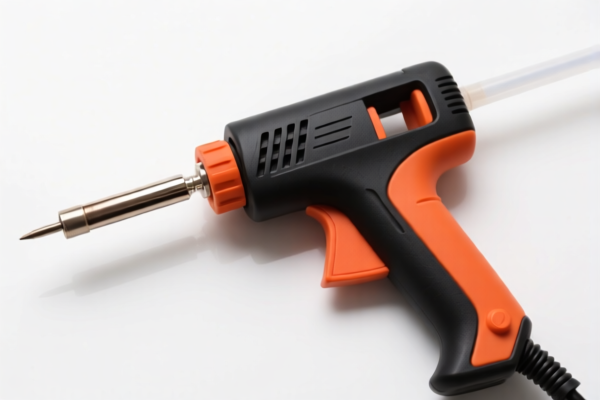
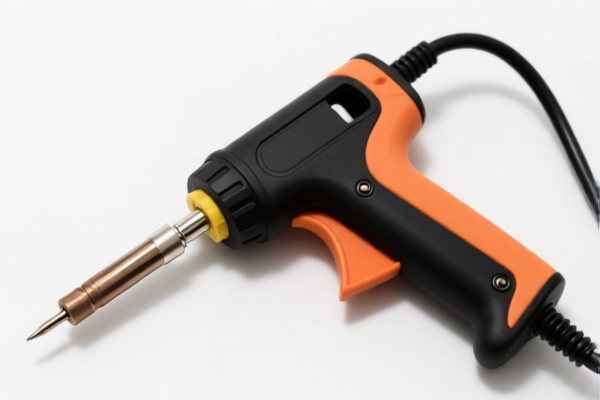
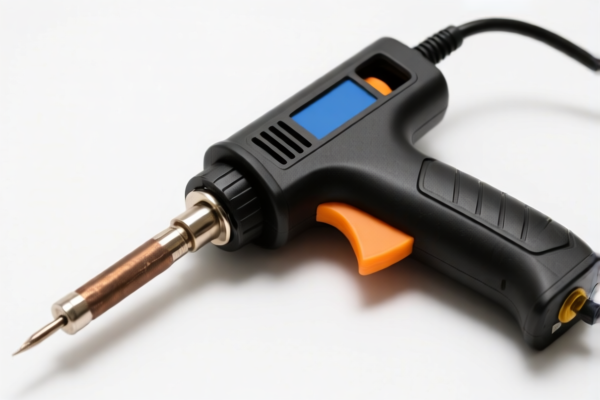
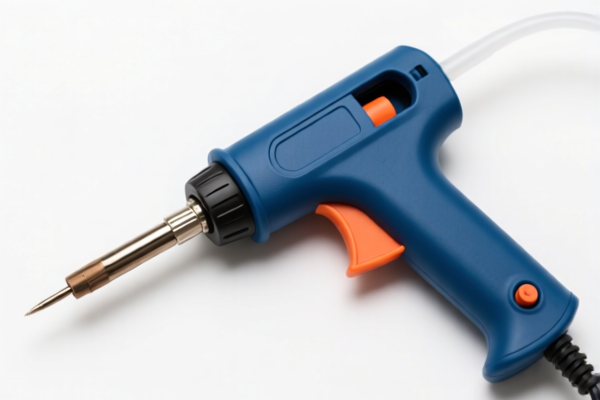
AI Analysis
🔫 Fascia Gun (Massage Gun) – The Ultimate Guide to US Customs Classification & Duty Optimization
🌐 HS Code Reference & Customs Clearance Guide | 2026 Latest Tariff Analysis | Professional Entry Strategy
📌 I. Product Definition & Classification: Do You Really Understand "Fascia Guns"?
A Fascia Gun (commonly known as a Massage Gun) is a handheld percussive therapy device used for muscle recovery and relaxation. In international trade, it sits at the intersection of consumer electronics and medical/wellness devices, leading to multiple potential HS Code classifications depending on how the importer defines its primary function.
⚠️ Key Distinction Points:
- If viewed as a home appliance with an electric motor → Chapter 85
- If viewed as a massage instrument/therapeutic apparatus → Chapter 90
- Critical Note: The final classification determines whether you pay 14.2% or 10.0% in total duties.
📦 II. HS Code Classification Details (2026 Latest Harmonized System)
Based on the provided data, here are the four potential HS Codes for Fascia Guns imported into the United States.
| HS Code | Product Description | Summary & Logic | Total Tax Rate | Tax Breakdown |
|---|---|---|---|---|
| 8509.80.50.95 | Other electrically operated appliances | Classified as a "Other Household Appliance" with its own electric motor. Fits under "Other appliances" in Chapter 85. | 14.2% | Base: 4.2% Section 301: 0.0% Section 122: 10.0% |
| 8509.80.10.00 | Electrically operated mechanical appliances | Classified as a "Mechanical Household Appliance" driven by an electric motor. Fits the definition of "Electric household machinery." | 10.0% | Base: 0.0% Section 301: 0.0% Section 122: 10.0% |
| 9019.10.20.50 | Massage apparatus | Classified as a Massage Device. The product name and function imply therapeutic massage, matching the "Apparatus for massage" category. | 10.0% | Base: 0.0% Section 301: 0.0% Section 122: 10.0% |
| 9019.10.20.20 | Handheld massage instruments | Classified as a Handheld Massage Instrument. Matches specific physical characteristics: handheld form factor + massage function. | 10.0% | Base: 0.0% Section 301: 0.0% Section 122: 10.0% |
🔍 Key Insight:
- Chapter 85 Codes (8509): Treat the device primarily as an electric appliance.
- Chapter 90 Codes (9019): Treat the device primarily as a medical/therapeutic instrument.
- Tax Difference: The difference between the lowest (10.0%) and highest (14.2%) is driven by the Base Tariff (4.2% vs. 0.0%). The Section 122 Tariff (10%) applies uniformly across all options.
💰 III. 2026 Detailed Tariff Breakdown (Including Additional Duties)
✅ Applicable Country: United States (US)
✅ Origin: China (CN)
✅ Effective Time: Current rates apply for imports from China.
🎯 1. 8509.80.50.95 – Other Electric Appliances (Higher Tax Option)
| Item | Details |
|---|---|
| Base Tariff | 4.2% (Ad Valorem) |
| Section 301 Tariff | 0.0% (Not applicable for this subheading) |
| Section 122 Tariff | +10.0% (Specific to Chinese-origin goods under recent provisions) |
| Total Effective Rate | 14.2% |
| Calculation | CIF Value × 14.2% |
| De Minimis Exemption | ❌ Not Eligible (Section 122 duties generally negate de minimis benefits for high-value shipments or require specific exemptions) |
📌 Explanation:
- This classification treats the fascia gun as a generic household appliance.
- The 4.2% base duty makes this the most expensive option among the four.
- The 10% Section 122 duty is added on top, regardless of the base rate.
🎯 2. 8509.80.10.00 – Electric Mechanical Household Appliances (Optimized Appliance Route)
| Item | Details |
|---|---|
| Base Tariff | 0.0% |
| Section 301 Tariff | 0.0% |
| Section 122 Tariff | +10.0% |
| Total Effective Rate | 10.0% |
| Calculation | CIF Value × 10.0% |
| De Minimis Exemption | ❌ Not Eligible |
📌 Explanation:
- This code classifies the device as a mechanical household appliance.
- The 0% base duty is significantly more favorable than 8509.80.50.95.
- Ideal if the device is marketed purely as a "home wellness tool" without strong medical claims.
🎯 3. 9019.10.20.50 – Massage Apparatus (Optimized Medical/Wellness Route)
| Item | Details |
|---|---|
| Base Tariff | 0.0% |
| Section 301 Tariff | 0.0% |
| Section 122 Tariff | +10.0% |
| Total Effective Rate | 10.0% |
| Calculation | CIF Value × 10.0% |
| De Minimis Exemption | ❌ Not Eligible |
📌 Explanation:
- This code fits massage apparatuses in general.
- Broad definition allows for flexibility if the device is marketed as a "muscle recovery tool."
- Same 10% total rate as 8509.80.10.00, but may face stricter scrutiny on "medical" claims.
🎯 4. 9019.10.20.20 – Handheld Massage Instruments (Most Precise Medical Route)
| Item | Details |
|---|---|
| Base Tariff | 0.0% |
| Section 301 Tariff | 0.0% |
| Section 122 Tariff | +10.0% |
| Total Effective Rate | 10.0% |
| Calculation | CIF Value × 10.0% |
| De Minimis Exemption | ❌ Not Eligible |
📌 Explanation:
- This is the most precise fit for handheld percussive therapy devices.
- Matches the form factor (handheld) and function (massage).
- Often preferred by customs brokers for accuracy, reducing the risk of audits.
🛠️ IV. Customs Clearance Practical Advice (Real-World Pitfall Guide)
✅ 1. Recommended HS Code Selection Strategy
| Scenario | Recommended HS Code | Reason |
|---|---|---|
| General Consumer Electronics | 8509.80.10.00 |
Lowers base duty to 0%; easy to classify as "home appliance." |
| Massage/Wellness Branding | 9019.10.20.20 or 9019.10.20.50 |
Most accurate for "massage gun"; zero base duty; aligns with product function. |
| High-End Medical Device | 9019.10.20.20 |
If making therapeutic claims, this code is safest for FDA/Customs alignment. |
| Avoid | 8509.80.50.95 |
Unnecessary 4.2% base duty unless no other classification fits. |
💡 Pro Tip:
9019.10.20.20is often the most defensible classification because it explicitly mentions "handheld massage instruments." It minimizes the risk of reclassification penalties compared to the broader "other appliances" codes.
✅ 2. Documentation Checklist (Essential for Smooth Clearance)
| Document | Requirement | Notes |
|---|---|---|
| Product Specifications | ✔️ Mandatory | Must include: Power (Watts), Motor Type, Percussion Rate (BPM), Amplitude, Weight. |
| Marketing Materials | ✔️ Highly Recommended | Show packaging, manuals, and website claims. Helps prove "massage" function vs. "industrial tool." |
| Declaration of Use | ✔️ Recommended | State clearly: "For personal muscle recovery and massage use." |
| FCC Certification | ✔️ Mandatory (US) | Since it has an electric motor and wireless/battery components, FCC ID is required. |
| FDA Registration | ⚠️ Check | If claiming medical/therapeutic benefits (e.g., treating chronic pain), FDA clearance may be needed. If marketed as "wellness," FDA may not require pre-market approval, but be cautious. |
✅ 3. Common Mistakes & How to Avoid Them
❌ Mistake 1: Classifying as 8509.80.50.95 without justification.
👉 Result: Pay 14.2% instead of 10%. No reason to pay extra if 9019 fits better.
❌ Mistake 2: Using vague descriptions like "Electric Massager" without HS Code specificity.
👉 Result: Customs may assign a code with higher base duties or hold the shipment for review.
❌ Mistake 3: Ignoring Section 122.
👉 Result: Unexpected 10% duty at customs. All four codes listed include this, so it’s unavoidable for China-origin goods. Plan for this cost.
❌ Mistake 4: Claiming De Minimis (Section 321) exemption.
👉 Result: Rejected. Section 122 duties typically do not allow de minimis treatment. Ensure your shipment value and declaration method comply.
🌍 V. Global Market Comparison (2026)
| Market | Recommended HS Code | Total Duty (China Origin) | Key Requirements |
|---|---|---|---|
| 🇺🇸 USA | 9019.10.20.20 |
10.0% (Section 122) | FCC, FDA (if medical claims), Accurate Description |
| 🇨🇳 China | 9019.10.20.20 |
~10% (VAT + Duty) | CCC Certification (if applicable) |
| 🇪🇺 EU | 9019.10.20.20 |
~0-4% (Varies by Member State) | CE Marking, RoHS, REACH |
| 🇬🇧 UK | 9019.10.20.20 |
~0-4% | UKCA Marking |
📌 Conclusion for US Market:
- The 10% Section 122 tariff is the dominant cost driver.
- Focus on accurate classification to avoid the higher 14.2% rate.
-9019.10.20.20is the strongest candidate for compliance and cost efficiency.
📌 VI. Final Recommendations & Action Plan
🚀 Step 1: Pre-Shipment Decision
- Decide on HS Code: Choose
9019.10.20.20for precision and8509.80.10.00as a backup if marketing as a pure "electronic gadget." - Avoid
8509.80.50.95unless you have no other option, as it incurs a 4.2% base duty penalty.
🚀 Step 2: Documentation Prep
- Ensure your Commercial Invoice clearly states:
"Handheld Percussive Massage Device for Muscle Recovery" - Include FCC ID on packaging and invoice.
- Prepare a Product Description Sheet highlighting:
- Motor type (Brushless/Brushed)
- Amplitude (mm)
- RPM/BPM
- Weight
- Usage (Personal Massage)
🚀 Step 3: Engage a Customs Broker
- Request an Advance Ruling if shipping large volumes. This locks in the HS Code and duty rate, providing legal certainty.
- Verify if Section 122 exemptions apply to your specific supply chain (rare, but possible for certain re-exports).
🎯 VII. Summary: Key Takeaways
🔹 Total Duty Range: 10.0% to 14.2% for China-origin Fascia Guns.
🔹 Best HS Code:9019.10.20.20(Handheld Massage Instrument) – Accurate, low base duty (0%).
🔹 Unavoidable Cost: 10% Section 122 Tariff applies to all codes.
🔹 Critical Compliance: FCC Certification is mandatory. FDA may be required if making medical claims.
🔹 Avoid: Vague descriptions and misclassifying as generic "appliances" to avoid the 4.2% base duty.
📣 Immediate Action:
📞 Consult your customs broker to confirm if
9019.10.20.20is accepted by your port of entry.
📄 Prepare FCC and Product Tech Specs before booking cargo.
📉 Budget for 10% duty + freight – Do not underestimate Section 122 impacts.
✨ Smart Classification, Lower Costs, Faster Clearance!
💼 Don’t let tariff complexity hurt your margins. Classify correctly today.
Customer Reviews
About HS Code Classification
The Harmonized System (HS) is an internationally standardized nomenclature developed by the World Customs Organization (WCO) to classify traded products. Over 200 countries use the HS system as the basis for customs tariffs, trade statistics, and import/export regulations.
Each HS code follows a hierarchical structure:
- Chapter (2 digits) — Broad category of goods (e.g., Chapter 84: Machinery and Mechanical Appliances)
- Heading (4 digits) — More specific grouping within the chapter
- Subheading (6 digits) — Internationally standardized breakdown, used by all WCO member countries
- National subdivisions (8-10 digits) — Country-specific extensions for further classification, such as US HTSUS 10-digit codes
Correct HS code classification is essential for smooth customs clearance, accurate duty payment, and compliance with trade regulations. Misclassification can lead to customs delays, overpayment of duties, or penalties.
When importing from CN to US, the applicable tariff rates may include:
- Most-Favored-Nation (MFN) rate — The standard duty rate applied to WTO members
- General rate — Applied to countries without trade agreements
- Trade remedy duties — Additional tariffs such as Section 301 (anti-dumping), Section 232 (national security), or countervailing duties
The information provided on this page is for reference purposes only. For official classification, please consult with your local customs authority or a licensed customs broker.