Fashion Shoe Upper Leather
CN → US| HS Code | Tariff Rate | Origin | Destination | Doc |
|---|---|---|---|---|
| 4205008000 | 35.0% | CN | US | Official Doc |
| 4205002000 | 35.0% | CN | US | Official Doc |
| 6403999065 | 20.0% | CN | US | Official Doc |
| 6403999071 | 20.0% | CN | US | Official Doc |
| 4107926010 | 13.3% | CN | US | Official Doc |
Product Images
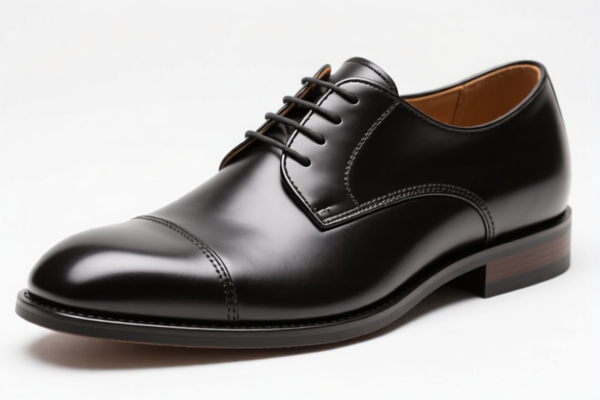
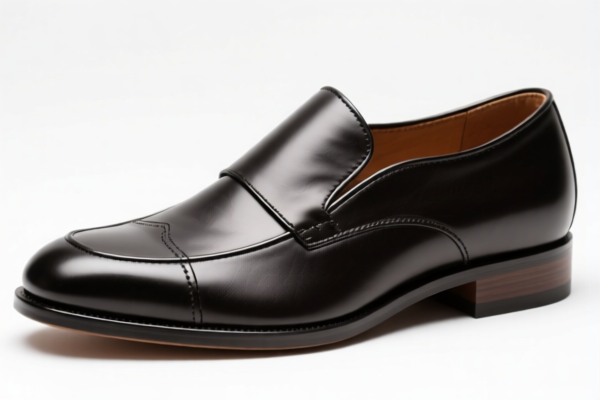
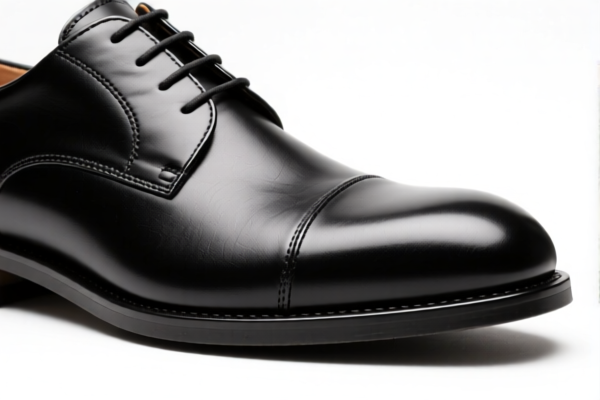

AI Analysis
👞 Fashion Shoe Upper Leather (马皮鞋面皮革)
🌐 HS Code Reference & Customs Clearance Guide | 2026 Latest Tariff Analysis | Professional Clearance Strategy
📌 I. Product Definition and Classification: What Exactly is "Fashion Shoe Upper Leather"?
"Leather for shoe uppers" refers specifically to tanned or crusted leather that has been processed, selected, and prepared specifically for the manufacture of the upper part of footwear. In international trade, the classification depends heavily on the state of processing and the final product category.
1. Finished Leather Goods (Parts of Footwear):
If the leather is cut, shaped, or processed specifically for shoe uppers and is considered a "part of a shoe," it may fall under Chapter 42 (Articles of Leather).
2. Footwear Articles:
If the leather is part of a finished shoe structure (even if just the upper is highlighted), it falls under Chapter 64 (Footwear).
3. Raw Tanned Leather (Hides/Skins):
If the leather is merely tanned and processed (vegetable or chrome tanned) without being specifically worked into the final article shape, it falls under Chapter 41 (Raw Hides and Skins).
⚠️ Key Distinction Point:
- If it is a finished article or part thereof (e.g., cut uppers, assembled uppers) → Chapter 42 (4205)
- If it is the finished shoe itself → Chapter 64 (6403)
- If it is tanned leather (not yet an article) → Chapter 41 (4107)
📦 II. HS Code Classification Details (2026 Latest Tariff Authority Comparison)
Based on the provided data, here are the specific HS Codes, summaries, and tax implications for Fashion Shoe Upper Leather:
| HS Code | Product Summary & Application | Tax Category | Key Characteristics |
|---|---|---|---|
4205.00.80.00 |
Leather Goods: Leather for shoe uppers used in fashion shoes. Material: Horsehide. Category: Leather Articles. | 35.0% (Base: 0%, Sec. 301: 25%, IEEPA: 10%) |
Classified as "Other leather articles." Focuses on the material utility rather than the final shoe form. |
4205.00.20.00 |
Leather Goods: Leather for shoe uppers used in fashion shoes. Material: Horsehide. Application fits leather articles subcategory. | 35.0% (Base: 0%, Sec. 301: 25%, IEEPA: 10%) |
Specific sub-category for leather articles. Similar tax burden to 80.00. |
6403.99.90.65 |
Footwear: Horsehide leather used for shoe uppers in fashion shoes. Category: Other footwear. | 20.0% (Base: 10%, Sec. 301: 0%, IEEPA: 10%) |
Classified under Footwear. The leather is treated as part of the shoe unit. |
6403.99.90.71 |
Footwear: Horsehide leather for fashion shoes. Category: Other non-specific sports/functional shoes. | 20.0% (Base: 10%, Sec. 301: 0%, IEEPA: 10%) |
Another sub-category under Footwear. Lower total tariff than Chapter 42 due to lower base rate. |
4107.92.60.10 |
Tanned Leather: Horsehide leather for shoe uppers. Use: Shoe upper leather. Form: Tanned processed hide. | 13.3% (Base: 3.3%, Sec. 301: 0%, IEEPA: 10%) |
Classified under Raw Tanned Leather. Lowest total tax burden. Applies if not yet formed into an article. |
🔍 Critical Observation:
- Chapter 42 (4205): Higher tax (35%) but applicable if the goods are considered "finished leather articles" (e.g., cut uppers).
- Chapter 64 (6403): Medium tax (20%) applicable if imported as footwear components or finished shoes.
- Chapter 41 (4107): Lowest tax (13.3%) applicable if imported as raw tanned leather (hide/skin) before further manufacturing into finished articles.
💰 III. 2026 Latest Tariff Rate Breakdown (Including Additional Taxes)
✅ Applicable Country: United States (US)
✅ Origin: China (CN)
✅ Effective Date: Post-2025 (Including 122 Clause and IEEPA)
🎯 1. 4205.00.80.00 & 4205.00.20.00 —— Leather Articles (Shoe Uppers)
| Item | Details |
|---|---|
| Base MFN Rate | 0.0% |
| Section 301 Tariff (Add-on) | +25.0% |
| IEEPA Tariff (122 Clause/China-specific) | +10.0% |
| Total Tariff Rate | 35.0% |
| Calculation Basis | CIF Value × 35% |
| De Minimis Exemption | ❌ Not Applicable |
| Legal Reference | USITC Section 301; IEEPA Proclamations |
📌 Explanation:
- These HS codes fall under Chapter 42 (Articles of Leather).
- While the base rate is 0%, the Section 301 tariff (25%) and IEEPA additional tariff (10%) apply, resulting in a high 35% total duty.
- This applies if the leather is processed/cut specifically for uppers and classified as a "part of a leather article."
🎯 2. 6403.99.90.65 & 6403.99.90.71 —— Footwear (Horsehide)
| Item | Details |
|---|---|
| Base MFN Rate | 10.0% |
| Section 301 Tariff (Add-on) | 0.0% |
| IEEPA Tariff (122 Clause/China-specific) | +10.0% |
| Total Tariff Rate | 20.0% |
| Calculation Basis | CIF Value × 20% |
| De Minimis Exemption | ❌ Not Applicable |
| Legal Reference | USITC Chapter 64; IEEPA Proclamations |
📌 Explanation:
- These HS codes fall under Chapter 64 (Footwear).
- The base rate is higher (10%), but the Section 301 tariff (25%) does NOT apply to these specific footwear subheadings in the provided data.
- Only the IEEPA 10% is added, resulting in a total of 20%.
- Savings: 15% less than Chapter 42 classification.
🎯 3. 4107.92.60.10 —— Tanned Leather (Horsehide)
| Item | Details |
|---|---|
| Base MFN Rate | 3.3% |
| Section 301 Tariff (Add-on) | 0.0% |
| IEEPA Tariff (122 Clause/China-specific) | +10.0% |
| Total Tariff Rate | 13.3% |
| Calculation Basis | CIF Value × 13.3% |
| De Minimis Exemption | ❌ Not Applicable |
| Legal Reference | USITC Chapter 41; IEEPA Proclamations |
📌 Explanation:
- This HS code falls under Chapter 41 (Raw Hides and Skins, Tanned).
- Base rate is 3.3%.
- Section 301 tariff (25%) does NOT apply to this leather category in the provided data.
- Only the IEEPA 10% is added.
- Savings: 21.7% less than Chapter 42 classification. Most cost-effective option.
🛠️ IV. Customs Clearance Practical Advice (Real-World Pitfall Guide)
✅ 1. Documentation Checklist (Essential)
| Document | Required | Explanation |
|---|---|---|
| ✅ Product Specification Sheet | ✔️ | Must clearly state: "Horsehide Leather," "Tanned/Crusted," "Intended for Shoe Uppers." |
| ✅ Material Composition Certificate | ✔️ | Confirm 100% horsehide or blend ratios. |
| ✅ Process Description | ✔️ | Critical: Is it "raw tanned leather" (Ch 41) or "cut/processed for shoes" (Ch 42)? |
| ✅ Commercial Invoice | ✔️ | Must match HS Code description exactly. |
| ✅ Packing List | ✔️ | Weight and dimensions per roll/sheet. |
✅ 2. Classification Strategy (Key Mantra)
🔥 "Raw Leather Low Tax, Cut Upper High Tax; Choose Chapter 41 or 64 for Savings!"
| Situation | Recommended HS Code | Tax Rate | Risk/Note |
|---|---|---|---|
| Importing raw tanned hides/skins (not cut) | 4107.92.60.10 |
13.3% | ✅ Lowest Tax. Must ensure goods are not "finished parts." |
| Importing finished shoes (with horsehide uppers) | 6403.99.90.65/71 |
20.0% | ✅ Medium Tax. Applicable if goods are footwear. |
| Importing cut/processed shoe uppers (finished parts) | 4205.00.80.00/20.00 |
35.0% | ❌ Highest Tax. Applies if classified as "Leather Articles." |
📌 Warning:
- Do NOT classify cut shoe uppers as "Leather Articles" (Ch 42) if you can justify them as "Raw Leather" (Ch 41).
- Do NOT classify cut shoe uppers as "Footwear" (Ch 64) if they are not assembled into shoes.
- Misclassification Risk: If Customs determines that "cut uppers" are still "parts of leather articles," you may be forced into Ch 42 (35%).
✅ 3. Special Handling Tips
| Situation | Advice |
|---|---|
| Mixed Materials | If leather is combined with fabric/synthetics, declare accurately. Misdeclaration leads to penalties. |
| Tanning Type | Specify "Chrome Tanned" or "Vegetable Tanned" as it affects HS subheading under Ch 41. |
| Origin Declaration | Ensure China Origin is correctly declared to trigger/avoid IEEPA tariffs. |
| Pre-Ruling | Apply for Pre-Ruling (APA) if uncertain between Ch 41 (13.3%) and Ch 42 (35%). |
🌍 V. Global Market Comparison (2026 Update)
| Country/Region | Recommended HS Code | Est. Tariff | Notes |
|---|---|---|---|
| 🇺🇸 USA | 4107.92.60.10 |
13.3% | Best option for raw leather. |
| 🇺🇸 USA | 6403.99.90.65 |
20.0% | Best option for footwear. |
| 🇺🇸 USA | 4205.00.80.00 |
35.0% | Avoid if possible due to high cost. |
| 🇨🇳 China | 4107.92.60.10 |
~3.3% | Import duty. |
| 🇪🇺 EU | 4107.92.60.10 |
Varies | Check EU TARIC for specific leather duties. |
📌 Conclusion:
- USA imposes significant additional tariffs (IEEPA 10%) on all categories.
- Chapter 41 (Raw Leather) offers the lowest total duty (13.3%).
- Chapter 42 (Leather Articles) offers the highest total duty (35.0%).
- Strategic Advice: If importing leather for shoe uppers, classify as Raw Tanned Leather (Ch 41) if possible to save 21.7% vs. Ch 42. If importing finished shoes, use Ch 64 to save 15% vs. Ch 42.
📌 VI. Common Mistakes & Pitfalls (Blood Lessons)
❌ Mistake 1: Classifying cut shoe uppers as Raw Leather (Ch 41)
👉 Consequence: Customs may reject this, reclassify to Ch 42, and charge 35% + penalties.
👉 Fix: Ensure goods are not "worked" into specific shoe shapes.
❌ Mistake 2: Classifying finished shoes as Leather Articles (Ch 42)
👉 Consequence: Higher tax (35% vs. 20%).
👉 Fix: Always use Chapter 64 for finished footwear.
❌ Mistake 3: Ignoring the IEEPA 10% tariff
👉 Consequence: Underpayment of duties.
👉 Fix: Add 10% to all calculations for China-origin goods.
✅ Correct Approach:
"Horsehide Leather, Tanned, For Shoe Uppers, Unworked" → 4107.92.60.10 (13.3%)
"Horsehide Shoe, Fashion Style, Upper Leather" → 6403.99.90.65 (20.0%)
"Cut Horsehide Shoe Uppers, Finished Parts" → 4205.00.80.00 (35.0%)
🎯 VII. Conclusion: Professional Classification for Cost Efficiency
🎯 Key Takeaway:
🔹 "Raw Leather 13.3%, Footwear 20%, Leather Parts 35%!"
🔹 "Choose Chapter 41 or 64 to minimize duties. Avoid Chapter 42 if possible!"
📌 Pro Tip:
- If you are importing leather specifically for shoe uppers, ensure the product description emphasizes "Tanned Leather" rather than "Shoe Parts" to qualify for HS Code 4107.92.60.10 (13.3%).
- Apply for Advance Ruling if the physical state of the leather (cut vs. uncut) is ambiguous.
📣 Immediate Action:
📞 Consult your customs broker
📄 Prepare precise product descriptions
🚀 Optimize your supply chain by choosing the correct HS Code!
✨ Professional Clearance Starts with Accurate Classification!
💼 Every percent saved is pure profit!
Customer Reviews
About HS Code Classification
The Harmonized System (HS) is an internationally standardized nomenclature developed by the World Customs Organization (WCO) to classify traded products. Over 200 countries use the HS system as the basis for customs tariffs, trade statistics, and import/export regulations.
Each HS code follows a hierarchical structure:
- Chapter (2 digits) — Broad category of goods (e.g., Chapter 84: Machinery and Mechanical Appliances)
- Heading (4 digits) — More specific grouping within the chapter
- Subheading (6 digits) — Internationally standardized breakdown, used by all WCO member countries
- National subdivisions (8-10 digits) — Country-specific extensions for further classification, such as US HTSUS 10-digit codes
Correct HS code classification is essential for smooth customs clearance, accurate duty payment, and compliance with trade regulations. Misclassification can lead to customs delays, overpayment of duties, or penalties.
When importing from CN to US, the applicable tariff rates may include:
- Most-Favored-Nation (MFN) rate — The standard duty rate applied to WTO members
- General rate — Applied to countries without trade agreements
- Trade remedy duties — Additional tariffs such as Section 301 (anti-dumping), Section 232 (national security), or countervailing duties
The information provided on this page is for reference purposes only. For official classification, please consult with your local customs authority or a licensed customs broker.