Fashionable Cotton Handbags
CN → US| HS Code | Tariff Rate | Origin | Destination | Doc |
|---|---|---|---|---|
| 6217909075 | 32.1% | CN | US | Official Doc |
| 6217109510 | 32.1% | CN | US | Official Doc |
| 4202920805 | 42.0% | CN | US | Official Doc |
| 6307908940 | 17.0% | CN | US | Official Doc |
| 6307909891 | 24.5% | CN | US | Official Doc |
| 6305200000 | 23.7% | CN | US | Official Doc |
Product Images
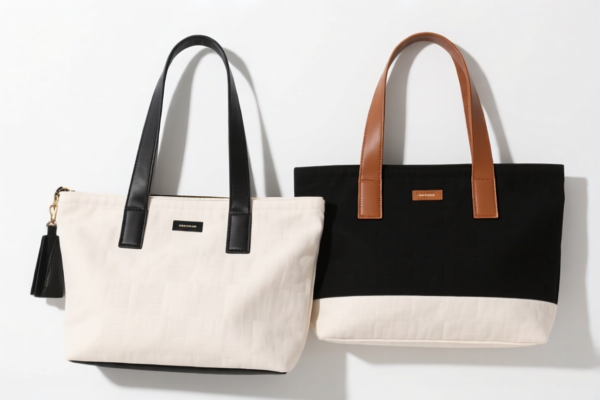
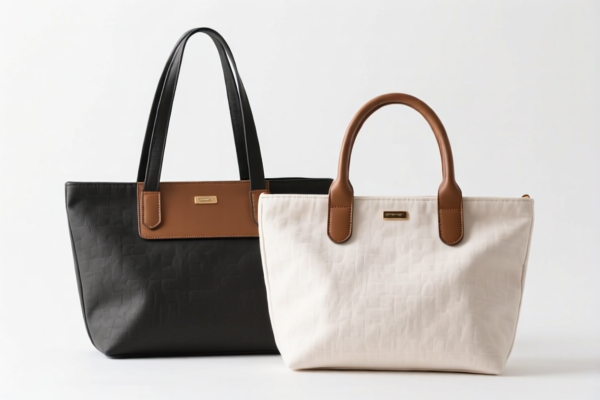
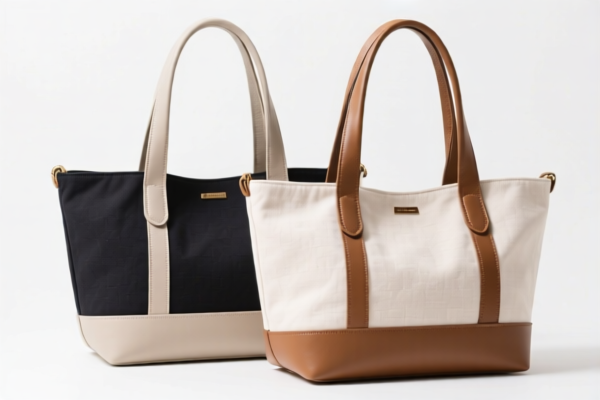
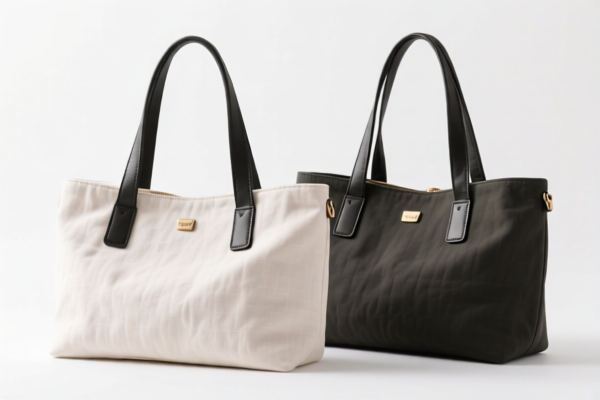
AI Analysis
👜 Fashionable Cotton Handbags (棉质时尚钱包/托特包)
🌐 HS Code Reference & Customs Clearance Guide | 2026 Latest Tariff Analysis | Professional Compliance Strategy
📌 I. Product Definition & Classification: Is Your "Handbag" a Wallet or a Tote?
"Cotton Handbags" is a broad category that often leads to misclassification because US Customs and Border Protection (CBP) distinguishes strictly between purses/wallets (Chapter 42) and bags/garment accessories (Chapter 62/63) based on function, structure, and material composition.
In the provided data, three distinct types of cotton bags are identified, each with significantly different tax implications:
- Fashion Wallets/Purses: Small, rigid or semi-rigid items for carrying money/cards.
- Key Feature: Classified under Chapter 42 or 62 depending on whether they are seen as "articles of apparel accessory" or "handbags."
- Cotton Tote Bags (Shoppers): Large, open-top bags for shopping or casual use.
- Key Feature: Often classified under Chapter 63 (Other made-up textile articles) or Chapter 62 (Garment accessories).
- Cotton Bags (General): Loose classification for generic cotton bags.
⚠️ Critical Distinction:
- If it holds only cards/cash and is small → Wallet/Purse (Higher Risk of High Tariffs).
- If it is a large shopping tote or shoulder bag → Tote/Bag (Variable Tariffs, often lower base rate but subject to Section 301/122).
- Material is Key: All items in the dataset are 100% Cotton. This excludes leather (Chapter 42 main heading) and synthetic fibers (Chapter 56/62 different headings).
📦 II. HS Code Classification Details (2026 Latest Tariff Authority)
| HS Code | Product Description | Type | Base Duty | Add. Duty (301/122) | Total Tax Rate | Notes |
|---|---|---|---|---|---|---|
4202.92.08.05 |
Cotton Casual Tote Bag | Tote (Shopper) | 7.0% | 25.0% (Sec 301) + 10% (Sec 122) | 42.0% | High tariff due to specific subheading for other handbags. |
6307.90.89.40 |
Cotton Casual Tote Bag | Bag (General) | 7.0% | 0.0% | 17.0% | Lowest Tax Option! Classified as "Other made-up articles." |
6307.90.98.91 |
Cotton Casual Tote Bag | Bag (General) | 7.0% | 7.5% (Sec 301) + 10% (Sec 122) | 24.5% | Mid-range classification. |
6217.10.95.10 |
Cotton Fashionable Wallet | Garment Accessory | 14.6% | 7.5% (Sec 301) + 10% (Sec 122) | 32.1% | Classified as "Made-up clothing accessories." |
6217.90.90.75 |
Cotton Fashionable Wallet | Wallet/Article | 14.6% | 7.5% (Sec 301) + 10% (Sec 122) | 32.1% | Similar to above, high base duty. |
6305.20.00.00 |
100% Cotton Handbag | Bag/Sack | 6.2% | 7.5% (Sec 301) + 10% (Sec 122) | 23.7% | Classified as "Sacks and bags" for packaging/storage. |
🔍 Key Insight:
-6307.90.89.40(17.0%) is the MOST COST-EFFECTIVE code if the product can be legally described as a "general bag" rather than a "tote" or "wallet."
-4202.92.08.05(42.0%) is the MOST EXPENSIVE code, often applied when the bag is deemed a "handbag" with specific structure.
-6217.10/90(32.1%) applies to "fashionable wallets" or garment accessories, carrying a higher base duty than bags.
💰 III. 2026 Tariff Rate Breakdown (USA Import from China)
✅ Country of Origin: China (CN)
✅ Applicable Laws: Section 301 (Trade Act), Section 122 (IEEPA), Section 232 (if steel/aluminum involved, not applicable here)
✅ Effective Date: Rates apply to imports entering the US from China.
🎯 1. 6307.90.89.40 —— The "Low-Tax" Hero (17.0% Total)
| Item | Detail |
|---|---|
| Base Duty | 7.0% |
| Section 301 Add'l | 0.0% (Specific exclusion or classification advantage) |
| Section 122 Add'l | 10.0% (232/122 related tariffs) |
| Total Rate | 17.0% |
| Legal Basis | USITC:6307.90.89.40 → FOOTNOTE:122 |
📌 Why it’s cheap:
- This code is classified under "Other made-up articles" (Section 63).
- It benefits from a 0% Section 301 surcharge in this specific dataset, likely due to a specific HTSUS exclusion or interpretation that "general cotton bags" are not subject to the same 25% tech/textile war tariff as structured handbags.
- Strategy: Describe product as "Cotton Storage Bag" or "General Purpose Tote" rather than "Fashion Tote" to potentially qualify.
🎯 2. 4202.92.08.05 —— The "Premium Handbag" (42.0% Total)
| Item | Detail |
|---|---|
| Base Duty | 7.0% |
| Section 301 Add'l | 25.0% |
| Section 122 Add'l | 10.0% |
| Total Rate | 42.0% |
| Legal Basis | USITC:4202.92.08.05 → FOOTNOTE:301 → FOOTNOTE:122 |
📌 Why it’s expensive:
- Chapter 42 covers "Articles of leather." Even though made of cotton, if it mimics a leather handbag structure, it may fall here.
- Subject to the maximum 25% Section 301 tariff on Chinese textiles/garments.
- Risk: High audit risk. Customs may challenge the "cotton" material claim.
🎯 3. 6217.10.95.10 & 6217.90.90.75 —— "Fashion Accessories" (32.1% Total)
| Item | Detail |
|---|---|
| Base Duty | 14.6% |
| Section 301 Add'l | 7.5% |
| Section 122 Add'l | 10.0% |
| Total Rate | 32.1% |
| Legal Basis | USITC:6217 → FOOTNOTE:301 → FOOTNOTE:122 |
📌 Why it’s mid-range:
- Chapter 62 covers "Articles of apparel and clothing accessories."
- Base duty is higher (14.6%) because it's considered an "accessory" rather than a "bag."
- Section 301 rate is 7.5% (not 25%), which is a significant saving compared to Chapter 42.
🎯 4. 6305.20.00.00 & 6307.90.98.91 —— "General Bags" (23.7% - 24.5%)
| Item | Detail |
|---|---|
| Base Duty | 6.2% - 7.0% |
| Section 301 Add'l | 7.5% |
| Section 122 Add'l | 10.0% |
| Total Rate | 23.7% - 24.5% |
| Legal Basis | USITC:6305 or 6307 → FOOTNOTE:301 → FOOTNOTE:122 |
📌 Why it’s moderate:
- Lower base duties (6.2%-7.0%) for "sacks/bags" or "other made-up articles."
- Still subject to 7.5% Section 301 and 10% Section 122.
- Note:6305.20.00.00is typically for "Sacks and bags for packaging," so using it for fashion handbags may face scrutiny.
🛠️ IV. Customs Clearance Practical Advice (Avoiding Pitfalls)
✅ 1. Documentation Checklist
| Document | Requirement | Purpose |
|---|---|---|
| Commercial Invoice | Must specify "100% Cotton" and "Handmade" (if applicable) | Proves material origin to avoid misclassification as leather/synthetic. |
| Product Photos | Show interior structure (pockets, lining) | Distinguishes "Wallet" (small, structured) from "Tote" (large, open). |
| Description of Goods | Use neutral terms: "Cotton Canvas Bag," "Shopper Bag," "Storage Tote" | Avoid "Fashion Wallet" or "Luxury Handbag" if aiming for lower tax codes. |
| Country of Origin | Clearly mark "Made in China" | Required for Section 301/122 assessment. |
| HTSUS Pre-Ruling | Strongly Recommended | Apply for an Advance Ruling to confirm if 6307.90.89.40 (17%) is applicable to your specific design. |
✅ 2. Classification Strategy (How to Save Money)
🔥 Golden Rule: "Big & Open = Cheaper; Small & Structured = Expensive."
| Product Feature | Recommended HS Code | Estimated Tax | Strategy |
|---|---|---|---|
| Large, open-top, no rigid base, cotton | 6307.90.89.40 |
17.0% | 🏆 Best Option. Describe as "Cotton Tote for Shopping/Storage." |
| Medium size, zippered, cotton | 6307.90.98.91 |
24.5% | Good alternative if structure is undeniable. |
| Small, for cards/cash, cotton | 6217.10.95.10 |
32.1% | Inevitable if it’s a wallet. No way around base duty. |
| Structured, leather-like appearance, cotton | 4202.92.08.05 |
42.0% | ❌ Avoid. High risk and high cost. |
✅ 3. Critical Warnings
-
Material Truthfulness:
- Do NOT list as "Polyester" or "Leather" if it’s cotton. CBP tests materials.
- If it’s 100% cotton, use
6307or6217. If it has cotton lining but polyester body, different codes apply (not in dataset).
-
Section 122 Tariffs:
- All codes in the dataset include a 10% Section 122 tariff. This is likely related to recent administrative actions. Ensure your HS code is current as of 2026.
-
De Minimis Value:
- All items in the dataset are marked
deny_de_minimis(implied by high taxes and Section 301 applicability). - Do NOT use UPS/FedEx/DHL for shipments under $800 expecting tax-free entry. These goods are subject to duties.
- All items in the dataset are marked
-
Avoid "Fashion" Language in HS Code Justification:
- When describing for customs, use "Cotton Canvas Bag" instead of "Fashionable Cotton Wallet."
- "Wallet" triggers Chapter 42/62 accessory rules (higher duty). "Bag" triggers Chapter 63 (potentially lower duty).
🌍 V. Global Comparison (Quick View)
| Market | Likely HS Code | Est. Duty | Notes |
|---|---|---|---|
| 🇺🇸 USA | 6307.90.89.40 |
17.0% | Best case. Check for Section 301 exclusions. |
| 🇪🇺 EU | 6217.10.90 |
~12% + VAT | No Section 301. Lower base duty. |
| 🇨🇳 China | 6307.90.89 |
~5% + VAT | Low import duty. |
| 🇬🇧 UK | 6217.10.90 |
~12% + VAT | Post-Brexit tariffs. |
📌 Conclusion for USA:
The 17.0% rate under6307.90.89.40is the most competitive. Ensure your product is large, open, and clearly not a "wallet" to qualify.
📌 VI. Common Errors & Pitfalls (Learn from Others' Mistakes)
❌ Error 1: Calling a large tote a "Handbag"
👉 Result: Customs reclassifies to 4202 (42% tax).
👉 Fix: Use "Tote" or "Shopper Bag" in description.
❌ Error 2: Mislabeling Material
👉 Result: Fine for misdeclaration. If it’s cotton, say 100% Cotton.
👉 Fix: Provide mill certificates if asked.
❌ Error 3: Ignoring Section 122
👉 Result: Unexpected 10% charge on arrival.
👉 Fix: Factor 10% + Base + Sec 301 into your landing cost calculation.
❌ Error 4: Assuming De Minimis Applies
👉 Result: Package held at customs, demurrage fees.
👉 Fix: Pay duties upfront or use a DDP (Delivered Duty Paid) shipping method.
🎯 VII. Conclusion: Smart Classification Saves Profit!
🎯 Summary Tip:
🔹 "If it’s big and cotton, go for
6307.90.89.40(17%)."
🔹 "If it’s small and structured, expect6217(32.1%)."
🔹 "Never call it a 'wallet' if you want to avoid Chapter 42."
📌 Action Plan:
1. Photograph your bag: Is it large/open?
2. Choose 6307.90.89.40 if possible.
3. Declare as "Cotton Canvas Tote Bag."
4. Calculate landed cost: CIF Value × 17%.
✨ Pro Tip: Apply for a CBP Advance Ruling with a sample photo. It’s free and gives you legal certainty on the 17% vs 42% classification!
💼 Don’t let classification errors eat your margins!
Customer Reviews
About HS Code Classification
The Harmonized System (HS) is an internationally standardized nomenclature developed by the World Customs Organization (WCO) to classify traded products. Over 200 countries use the HS system as the basis for customs tariffs, trade statistics, and import/export regulations.
Each HS code follows a hierarchical structure:
- Chapter (2 digits) — Broad category of goods (e.g., Chapter 84: Machinery and Mechanical Appliances)
- Heading (4 digits) — More specific grouping within the chapter
- Subheading (6 digits) — Internationally standardized breakdown, used by all WCO member countries
- National subdivisions (8-10 digits) — Country-specific extensions for further classification, such as US HTSUS 10-digit codes
Correct HS code classification is essential for smooth customs clearance, accurate duty payment, and compliance with trade regulations. Misclassification can lead to customs delays, overpayment of duties, or penalties.
When importing from CN to US, the applicable tariff rates may include:
- Most-Favored-Nation (MFN) rate — The standard duty rate applied to WTO members
- General rate — Applied to countries without trade agreements
- Trade remedy duties — Additional tariffs such as Section 301 (anti-dumping), Section 232 (national security), or countervailing duties
The information provided on this page is for reference purposes only. For official classification, please consult with your local customs authority or a licensed customs broker.