Fastening Device
CN → US| HS Code | Tariff Rate | Origin | Destination | Doc |
|---|---|---|---|---|
| 7415330500 | 88.0% | CN | US | Official Doc |
| 7318152010 | 85.0% | CN | US | Official Doc |
| 7318141060 | 91.2% | CN | US | Official Doc |
| 7415338010 | 88.0% | CN | US | Official Doc |
| 7616103000 | 39.7% | CN | US | Official Doc |
Product Images
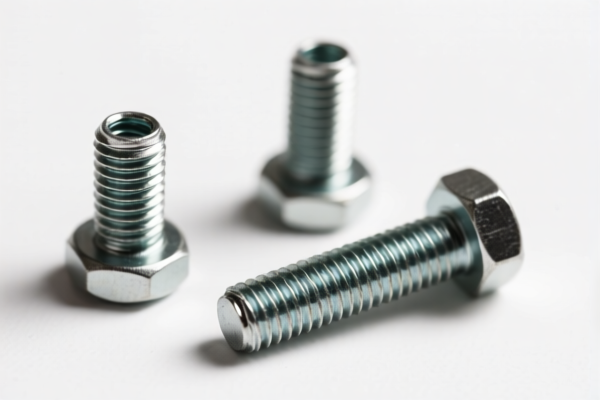
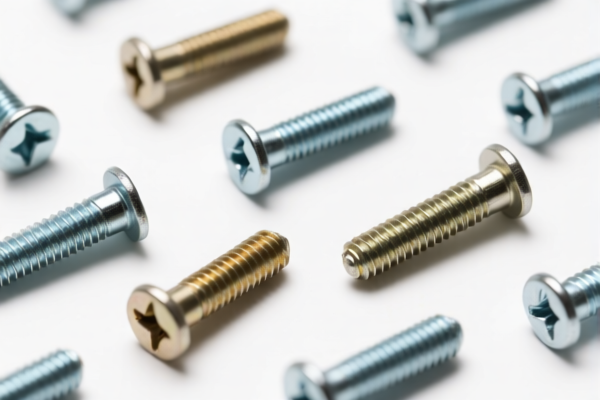
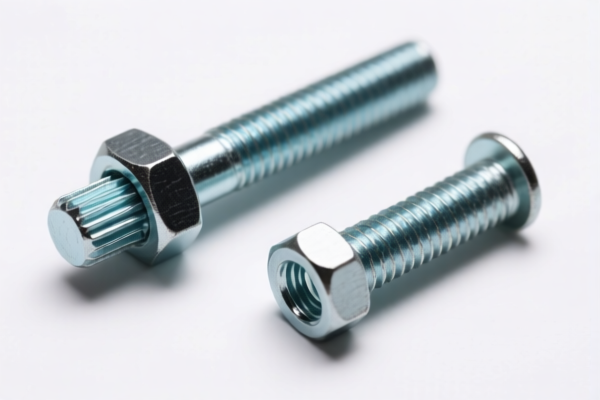
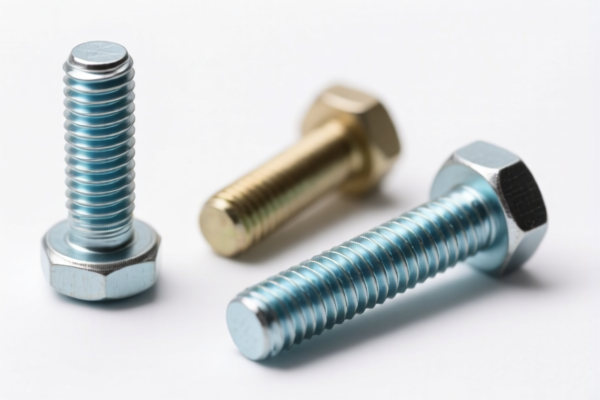
AI Analysis
🛠️ Fastening Devices (Metal Fasteners)
🌐 HS Code Reference & Customs Clearance Guide | 2026 Latest Tariff Analysis | Professional Clearance Strategy
📌 I. Product Definition: What Are "Fastening Devices"?
Fastening devices (metal fasteners) are essential hardware components used to join or secure two or more objects together. In international trade, they are primarily classified by material composition (Copper, Iron/Steel, Aluminum) and function.
⚠️ Critical Classification Logic:
- Copper Fasteners: Typically fall under Chapter 74.
- Iron/Steel Fasteners: Typically fall under Chapter 73.
- Aluminum Fasteners: Typically fall under Chapter 76.
- Key Distinction: The material dictates the HS Code chapter, which drastically affects the tariff burden due to current US trade policies.
📦 II. HS Code Classification Details (2026 Latest Tariff Authority)
Based on the provided data, here is the authoritative breakdown for Metal Fasteners:
| HS Code | Product Description | Material Type | Common Examples |
|---|---|---|---|
7415.33.05.00 |
Copper metal fasteners | 🟤 Copper | Copper screws, bolts, nails |
7415.33.80.10 |
Copper metal fasteners | 🟤 Copper | Copper nails, pins, screws, bolts, nuts |
7318.15.20.10 |
Iron or Steel metal fasteners | ⚫ Iron/Steel | Iron/Steel screws, bolts |
7318.14.10.60 |
Iron or Steel metal fasteners | ⚫ Iron/Steel | Iron/Steel screws, bolts |
7616.10.30.00 |
Aluminum metal fasteners | ⚪ Aluminum | Aluminum nails, bolts, rivets |
🔍 Key Insight:
- Copper & Aluminum fasteners face slightly lower base tariffs but are heavily impacted by specific "Section 122" style clauses.
- Iron/Steel fasteners show variance in base tariffs (0% vs 6.2%), leading to different total tax burdens.
- All listed items are subject to significant US trade restrictions (See Section III).
💰 III. 2026 Latest Tariff Rate Breakdown (Including Surcharges)
✅ Applicable Country: United States (US)
✅ Origin: China (CN)
✅ Effective Time: 2025/2026 Period
🎯 1. Copper Fasteners (7415.33.05.00 & 7415.33.80.10)
| Item | Content |
|---|---|
| HS Code | 7415.33.05.00 / 7415.33.80.10 |
| Base Tariff | 3.0% |
| Section 301 Surcharge | +25.0% |
| "122 Clause" Surcharge | +10% (Specific to Steel, Aluminum, Copper articles) |
| Additional 122 Clause | +50% (Specific to Steel, Aluminum, Copper articles) |
| Total Tax Rate | 88.0% |
| Tax Calculation | CIF Value × 88.0% |
| De Minimis Exemption | ❌ Not Available |
📌 Explanation:
- 88.0% is an extremely high cumulative rate.
- It comprises: Base (3%) + 301 Tariff (25%) + Section 122 Type A (10%) + Section 122 Type B (50%).
- Note: The data lists "122 Clause Tariff 10% Steel, Aluminum, Copper" AND "122 Clause Tariff 10% Steel, Aluminum, Copper Articles: 50%". This indicates layered surcharges totaling 60% in surcharges alone.
🎯 2. Iron/Steel Fasteners (7318.15.20.10)
| Item | Content |
|---|---|
| HS Code | 7318.15.20.10 |
| Base Tariff | 0.0% |
| Section 301 Surcharge | +25.0% |
| "122 Clause" Surcharge | +10% (Specific to Steel, Aluminum, Copper articles) |
| Additional 122 Clause | +50% (Specific to Steel, Aluminum, Copper articles) |
| Total Tax Rate | 85.0% |
| Tax Calculation | CIF Value × 85.0% |
| De Minimis Exemption | ❌ Not Available |
📌 Explanation:
- Even with a 0% base tariff, the surcharges bring the total to 85.0%.
- Structure: 0% + 25% + 10% + 50% = 85%.
🎯 3. Iron/Steel Fasteners (7318.14.10.60)
| Item | Content |
|---|---|
| HS Code | 7318.14.10.60 |
| Base Tariff | 6.2% |
| Section 301 Surcharge | +25.0% |
| "122 Clause" Surcharge | +10% (Specific to Steel, Aluminum, Copper articles) |
| Additional 122 Clause | +50% (Specific to Steel, Aluminum, Copper articles) |
| Total Tax Rate | 91.2% |
| Tax Calculation | CIF Value × 91.2% |
| De Minimis Exemption | ❌ Not Available |
📌 Explanation:
- This is the highest tax bracket among the options.
- Structure: 6.2% + 25% + 10% + 50% = 91.2%.
- Why higher? Different sub-heading within Iron/Steel (7318.14vs7318.15) attracts a different base rate.
🎯 4. Aluminum Fasteners (7616.10.30.00)
| Item | Content |
|---|---|
| HS Code | 7616.10.30.00 |
| Base Tariff | 4.7% |
| Section 301 Surcharge | +25.0% |
| "122 Clause" Surcharge | +10% (Specific to Steel, Aluminum, Copper) |
| Total Tax Rate | 39.7% |
| Tax Calculation | CIF Value × 39.7% |
| De Minimis Exemption | ❌ Not Available |
📌 Explanation:
- 39.7% is significantly lower than Copper/Steel fasteners.
- Structure: 4.7% + 25% + 10% = 39.7%.
- Crucial Note: The data for Aluminum does NOT include the "+50% Additional 122 Clause" that Copper and Steel have. This makes Aluminum fasteners the most cost-effective option among the listed materials.
🛠️ IV. Customs Clearance Practical Advice (Real-World Pitfall Guide)
✅ 1. Material Declaration is Critical
| Scenario | Correct Action | Risk of Error |
|---|---|---|
| Mixed Materials | Do NOT combine Copper, Steel, and Aluminum in one line item. | If misdeclared as "Steel", you may pay 91.2% on Copper items, or vice versa. |
| Aluminum vs. Steel | Clearly specify "Aluminum" in the commercial invoice. | Steel fasteners incur ~85-91% tax; Aluminum incurs only 39.7%. Huge savings! |
| Copper Fasteners | Accurately describe as "Copper" not "Bronze" or "Brass" unless certified. | Misclassification leads to audits and back-taxes. |
✅ 2. Documentation Requirements
| Document | Must Provide | Purpose |
|---|---|---|
| Commercial Invoice | ✔️ | Clearly state "Metal Fasteners" + Material (Copper/Steel/Aluminum) |
| Product Specifications | ✔️ | Detail material composition (e.g., "100% Copper Alloy") |
| Photos | ✔️ | Show color/metallic finish (Copper = reddish-brown; Steel = gray/silver; Al = bright silver) |
| Material Certificate | ✔️ | For high-value shipments, provide mill certificates to prove material origin/composition |
✅ 3. Cost Optimization Strategy
| Strategy | Action | Benefit |
|---|---|---|
| Switch Material | Can you use Aluminum instead of Copper/Steel? | Save ~50% in tariffs (39.7% vs 85-91%) |
| Pre-Ruling | Apply for US CBP Binding Ruling | Confirm HS Code before shipment. Avoids disputes at port. |
| Exclusion Application | Check if your specific SKU is eligible for Section 301 exclusions | Unlikely for basic fasteners, but always verify current lists. |
🌍 V. Global Market Comparison (2026)
| Country/Region | Recommended HS Code | Est. Tariff (China Origin) | Notes |
|---|---|---|---|
| 🇺🇸 USA | 7616.10.30.00 (Al) |
39.7% | Lowest among listed options. |
| 🇺🇸 USA | 7318.14.10.60 (Steel) |
91.2% | Highest burden. |
| 🇺🇸 USA | 7415.33.05.00 (Cu) |
88.0% | High burden. |
| 🇪🇺 EU | Varies (73/74/76) | ~0-6% | No 301/122 style surcharges. Much cheaper. |
| 🇨🇳 China | Varies | ~0-5% | Low duty for domestic trade. |
📌 Conclusion:
- USA imports are severely penalized on Iron/Steel and Copper fasteners.
- Aluminum fasteners (7616.10.30.00) are the only viable option for cost-sensitive US imports under the current data.
- Consider non-US sourcing (e.g., Vietnam, Mexico) for Steel/Copper fasteners to bypass US surcharges.
📌 VI. Common Errors & Pitfalls (Blood & Tears Lessons)
❌ Error 1: Declaring Aluminum fasteners as "Steel"
👉 Consequence: You pay 91.2% instead of 39.7%. Overpayment of 51.5%!
❌ Error 2: Declaring Copper fasteners as "Iron/Steel"
👉 Consequence: Customs may reclassify. Even if accepted, you risk penalties for false declaration.
❌ Error 3: Ignoring the "122 Clause"
👉 Consequence: If you only budget for 25% (Section 301), you will face a surprise 60%+ additional tariff at customs.
✅ Correct Action:
"Aluminum Fasteners, Rivets, Bolts, HS Code 7616.10.30.00, Material: 100% Aluminum Alloy, Origin: China"
🎯 VII. Conclusion: Smart Classification Saves Money!
🎯 Key Takeaways:
🔹 Aluminum is King: For US imports,
7616.10.30.00(39.7%) is significantly cheaper than Copper (88.0%) or Steel (85-91.2%).
🔹 Total Tax = Base + 301 + 122: Never forget the layered surcharges.
🔹 Material Matters: Your HS Code depends entirely on the metal.
📌 Pro Tip:
If you must import Copper or Steel fasteners to the US, calculate the Total Landed Cost. With tariffs over 85%, many suppliers recommend sourcing from Southeast Asia (Vietnam/Thailand) where US tariffs may be lower or exempt, or adjusting product design to use Aluminum.
📣 Immediate Action:
📞 Consult a customs broker for CBP Pre-Ruling on your specific fastener SKU.
📉 Consider Material Substitution (Aluminum) to reduce tariff burden by ~50%.
🚀 Precise Classification = Lower Costs + Faster Clearance!
✨ Professional Clearance Starts with Precise Classification!
💼 Every percentage point of tax savings adds directly to your profit margin!
Customer Reviews
About HS Code Classification
The Harmonized System (HS) is an internationally standardized nomenclature developed by the World Customs Organization (WCO) to classify traded products. Over 200 countries use the HS system as the basis for customs tariffs, trade statistics, and import/export regulations.
Each HS code follows a hierarchical structure:
- Chapter (2 digits) — Broad category of goods (e.g., Chapter 84: Machinery and Mechanical Appliances)
- Heading (4 digits) — More specific grouping within the chapter
- Subheading (6 digits) — Internationally standardized breakdown, used by all WCO member countries
- National subdivisions (8-10 digits) — Country-specific extensions for further classification, such as US HTSUS 10-digit codes
Correct HS code classification is essential for smooth customs clearance, accurate duty payment, and compliance with trade regulations. Misclassification can lead to customs delays, overpayment of duties, or penalties.
When importing from CN to US, the applicable tariff rates may include:
- Most-Favored-Nation (MFN) rate — The standard duty rate applied to WTO members
- General rate — Applied to countries without trade agreements
- Trade remedy duties — Additional tariffs such as Section 301 (anti-dumping), Section 232 (national security), or countervailing duties
The information provided on this page is for reference purposes only. For official classification, please consult with your local customs authority or a licensed customs broker.