Fatty Acid Mixture (Pine Oil Source)
CN → US| HS Code | Tariff Rate | Origin | Destination | Doc |
|---|---|---|---|---|
| 3824994140 | 39.6% | CN | US | Official Doc |
| 3824994190 | 39.6% | CN | US | Official Doc |
| 3824994140 | 39.6% | CN | US | Official Doc |
| 3824994190 | 39.6% | CN | US | Official Doc |
| 3824994140 | 39.6% | CN | US | Official Doc |
Product Images
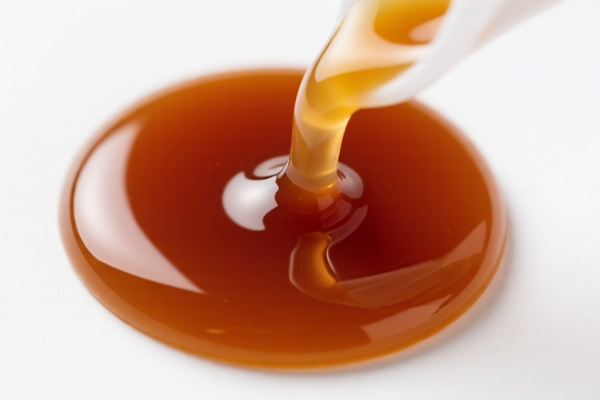

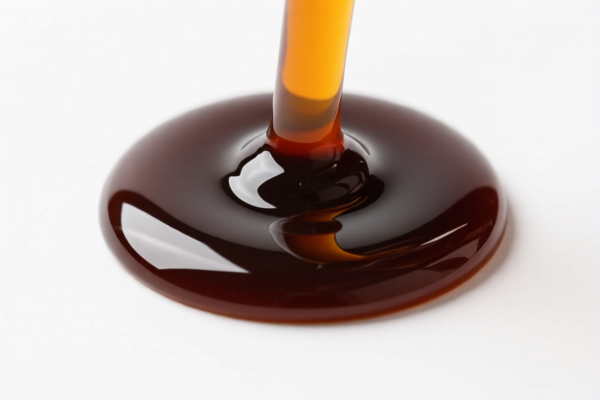
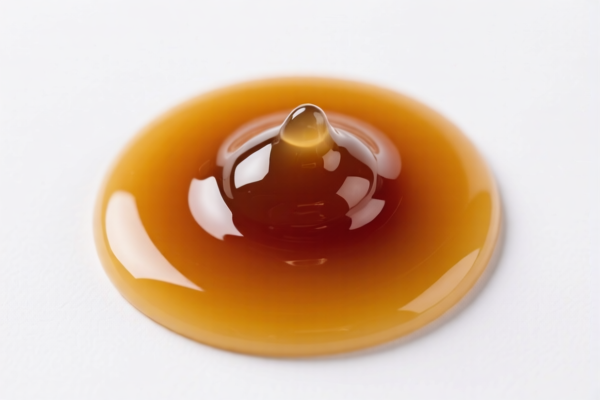
AI Analysis
🧪 Fatty Acid Mixture (Pine Oil Source)
🌐 HS Code Reference & Customs Clearance Guide | 2026 Latest Tariff Analysis | Industrial Chemical Classification Strategy
📌 I. Product Definition & Classification: What Exactly is "Pine Oil Fatty Acid Mixture"?
This product refers to mixtures of fatty acids derived primarily from pine oil (a byproduct of paper pulp processing), used as industrial raw materials. It is NOT for human consumption. Its primary applications include: * Surfactants & Emulsifiers: In detergents and agrochemicals. * Chemical Intermediates: For synthesizing lubricants, resins, and plastics. * Lubricants: Industrial grade lubricant bases.
⚠️ Critical Distinction:
- Is it a pure chemical or a preparation/mixture?
- Is it classified under Chapter 38 (Miscellaneous Chemical Products) rather than Chapter 15 (Animal/Vegetable Fats)?
- Key Determinant: If it is a processed mixture specifically intended for industrial chemical use (e.g., as an intermediate or surfactant base) rather than simple natural fatty oils, it falls under HS Code 3811 or 3824.
📦 II. HS Code Classification Matrix (2026 Latest Tariff Data)
Based on the provided data, there are two distinct scenarios depending on the specific formulation and intended industrial use. Note that Tax Information is Missing/Error for these specific codes in the provided dataset, requiring careful manual verification.
| HS Code | Product Description | Classification Logic | Tax Status |
|---|---|---|---|
3811.90 |
Mixtures of fatty acids derived from pine oil, used primarily as raw materials in industrial applications (surfactants, lubricants, chemical intermediates). | Classified as Chemical Preparations for industrial use. Specifically covers mixtures not elsewhere specified in Chapter 38. | ❌ Error: Failed to retrieve tax information |
3811.10 |
Fatty acid mixtures from natural sources (including pine oil), classified under chemical preparations for industrial use (emulsification/synthesis). | Classified under Anti-knock Compounds or Preparation of Lubricants (Headnote 3811 often covers lubricant additives/preparations). Note: Verify if "Fatty Acid Mixture" fits "Preparation of Lubricants" or "Other Chemical Products". | ❌ Error: Failed to retrieve tax information |
3824.99.41.40 |
Prepared binders for foundry molds/cores; Fatty substances of animal/veg origin and mixtures thereof; Mixtures of fatty acid esters. | Specific sub-category for Fatty Acid Esters used in foundry binders. Only applicable if the product is specifically an ester mixture for mold binding. | ⚠️ 4.6% Base + 25% Additional = 29.6% |
3824.99.41.90 |
Prepared binders for foundry molds/cores; Fatty substances of animal/veg origin and mixtures thereof; Other. | Catch-all for Fatty Substances/Mixtures in foundry binders not specified elsewhere. | ⚠️ 4.6% Base + 25% Additional = 29.6% |
🔍 Classification Warning:
-3811Codes (Tax Error): These are likely the correct general classification for pure "Pine Oil Fatty Acid Mixtures" used as industrial intermediates. However, since tax data is missing, you MUST consult the official USITC Tariff Schedule or a customs broker to verify the current Section 301 duty rate.
-3824Codes (29.6% Tax): These are highly specific to foundry binder applications. Do NOT use these codes unless your product is explicitly formulated and marketed as a binder for sand molds/cores. Using these codes for general industrial fatty acids may be considered misdeclaration.
💰 III. Tariff Rate Analysis & Risk Assessment
✅ Assumed Origin: China (CN)
✅ Destination: USA (US)
⚠️ Data Limitation: The provided dataset contains "Error" for the most likely HS Codes (3811.xxxxx). The only calculable rates are for3824, which may be incorrect for general fatty acid mixtures.
🎯 1. Scenario A: General Industrial Fatty Acid Mixture (HS 3811.90 or 3811.10)
| Project | Content |
|---|---|
| HS Code | 3811.90 or 3811.10 |
| Base Duty | Typically 0% - 2.5% (General Rate) |
| USITC Footnote (301) | Add +25% (Likely applicable to chemical intermediates from China) |
| IEEPA/Other Surcharges | Check latest OFAC/Commerce Dept lists (Often +10-25% for Chinese chemicals) |
| Estimated Total Tax | ~25% - 35% (HIGH RISK of underestimation due to missing data) |
| De Minimis Eligibility | ❌ NO ($800 de minimis does NOT apply to Section 301 goods) |
| Action Required | MANDATORY: Request a Binding Ruling (BSR) from CBP to confirm tax rate. Do not rely on "Error" data. |
📌 Interpretation:
- If this is a "Preparation" for lubricants or surfactants, it falls under Chapter 38.
- Section 301 Tariffs almost certainly apply to Chinese-origin chemical mixtures.
- Missing Tax Data in Dataset = HIGH RISK. Assume the higher rate (25%+) until proven otherwise.
🎯 2. Scenario B: Foundry Binder Specific Mixture (HS 3824.99.41.40 / .90)
| Project | Content |
|---|---|
| HS Code | 3824.99.41.40 or 3824.99.41.90 |
| Base Duty | 4.6% |
| Additional Duty (301) | +25.0% |
| Total Tax | 29.6% |
| De Minimis Eligibility | ❌ NO |
| Legal Path | 3824 (Miscellaneous Chemical Products) → 41 (Fatty substances) → Specific subheading |
📌 Interpretation:
- This rate is fixed in the provided data.
- ONLY USE if your product is explicitly a foundry binder.
- Misclassifying a general fatty acid mixture as a foundry binder to avoid higher Chapter 38 rates is customs fraud.
🛠️ IV. Customs Clearance Practical Advice (Real-World Pitfall Avoidance)
✅ 1. Documentation Checklist (Must-Have)
| Document | Required? | Explanation |
|---|---|---|
| ✅ Product Specification Sheet | ✔️ | Must detail: Chemical composition, % of pine oil, % of other fatty acids, intended use. |
| ✅ MSDS (SDS) | ✔️ | Section 3 (Composition) and Section 15 (Transport Info) are critical for chemical classification. |
| ✅ Certificate of Analysis (COA) | ✔️ | Proves it is a "Mixture" and not a pure substance. |
| ✅ Letter of Explanation | ✔️ | Explain: "Used as surfactant intermediate," NOT "Food additive" or "Cosmetic." |
| ✅ Commercial Invoice | ✔️ | Must list HS Code, Country of Origin, and Unit Price clearly. |
| ✅ Application Letter | ✔️ | If using 3824, explain why it is a "Foundry Binder." If using 3811, explain why it is a "Chemical Preparation." |
✅ 2. Declaration Strategy (Key Mnemonics)
🔥 "Nature Defines Code, Use Defines Tax!"
| Situation | Correct Declaration | Wrong Declaration | Consequence |
|---|---|---|---|
| General Industrial Use | 3811.90 - "Fatty Acid Mixture for Surfactant Synthesis" |
3824.99 - "Fatty Acid" |
Risk of audit for misclassification; potential 25%+ duty if 3811 is deemed correct. |
| Foundry Binder | 3824.99.41.40 - "Prepared Binder for Molds" |
3811.90 |
May be under-taxed if 3824 is the correct specific code. |
| Pure Pine Oil | 1521.90 (Beeswax/Other vegetable fats) |
3811.90 |
Wrong Chapter! 1521 has lower duties (usually 2.5-5%), but 3811 is for mixtures/preparations. |
| Human Consumption | PROHIBITED | Any HS Code | Seizure & Deportation! |
⚠️ Critical Tip:
- If the product is not a "preparation" but a simple mixture of natural fatty acids, it might even fall under Chapter 15 (e.g.,1518.00for non-Edible Fatty Acids).
- However, since the provided data forces a Chapter 38 classification (3811or3824), you must justify why it is a Chemical Preparation (e.g., processed, blended with other chemicals) rather than a simple natural extract.
✅ 3. Special Handling for "Tax Error" Cases
| Issue | Solution |
|---|---|
| "Failed to retrieve tax information" | 1. Check USITC.gov directly for 3811.90.00 and 3811.10.00. 2. Contact a Customs Broker for a Binding Ruling. 3. Assume 25% Section 301 applies to China-origin goods in Chapter 38 until confirmed. |
| Misclassification Risk | If you use 3824 (29.6%) for a general fatty acid, you may be paying less than the actual duty for 3811 (if 301 tariffs apply). Conversely, if 3824 is wrong, you face penalties. Accuracy > Savings. |
🌍 V. Global Market Comparison (2026)
| Country/Region | Recommended HS Code | Est. Duty | Key Requirement | Note |
|---|---|---|---|---|
| 🇺🇸 USA | 3811.90 or 3824.99.41 |
29.6% (if 3824) or ~25-30% (if 3811) |
Section 301 Applies | High risk of audit. Binding Ruling advised. |
| 🇨🇳 China | 3811.90 |
0% (Export) | N/A | For import into China, check Chapter 38 rates (~0-5%). |
| 🇪🇺 EU | 3811.10 or 3824.99 |
0% - 6.5% | REACH Registration | REACH Compliance is mandatory for chemical imports. |
| 🇬🇧 UK | 3811.90 |
0% - 6.5% | UK REACH | Post-Brexit, UK REACH applies. |
| 🇯🇵 Japan | 3811.90 |
0% - 1.5% | PSIA/PRTR | Low duties, but strict chemical notification rules. |
📌 Conclusion:
- USA is the most dangerous market due to Section 301 tariffs and missing tax data in the source.
- EU/UK require REACH registration, which is a barrier to entry but lower tax burden.
- China (export) has no duty, but import regulations are strict.
📌 VI. Common Mistakes & Pitfalls (Lessons Learned)
❌ Mistake 1: Declaring "Pine Oil Fatty Acid" as 1518.00 (Non-Edible Fats) without proving it's not a "Preparation."
👉 Result: If CBP determines it's a chemical mixture for industrial use, they may reclassify to 3811 and add 25% Section 301 duty.
❌ Mistake 2: Using 3824.99.41 for non-binder applications.
👉 Result: Misdeclaration. CBP may argue that "Foundry Binder" is a specific use, and your product doesn't fit. Penalties + back duties.
❌ Mistake 3: Ignoring the "Tax Error" in the data.
👉 Result: You might underpay duties by assuming 0% tax for 3811. Result: Large back-payment + interest upon audit.
❌ Mistake 4: Claiming "De Minimis" ($800) for Pine Oil Fatty Acid Mixture.
👉 Result: Seizure. Chemical mixtures from China are excluded from de minimis if subject to Section 301 or other surcharges.
✅ Correct Approach:
"Fatty Acid Mixture (Pine Oil Origin), Chemical Preparation for Industrial Surfactant Synthesis, NOT for Human Consumption. HS Code: 3811.90 (Pending Binding Ruling for 301 Rate)."
🎯 VII. Conclusion: Professional Declaration, Secure Transit, Cost Optimization
🎯 Remember the Golden Rules:
🔹 "Chapter 38 for Preparations, Chapter 15 for Simple Fats."
🔹 "Tax Error = High Risk. Get a Binding Ruling."
🔹 "Section 301 Applies to Most Chinese Chemicals. Assume 25%."
📌 Pro Tip:
If your Pine Oil Fatty Acid Mixture is highly pure and used in lubricants, check HS 2710 (Petroleum Oils) or 2712 (Petroleum Wax). Sometimes, if derived from petroleum/pine oil blend, it might fall elsewhere. Consult a customs attorney.
📣 Immediate Action Plan:
- Apply for a CBP Binding Ruling for
3811.90to confirm the exact 301 tariff.- Prepare MSDS proving it is a "Chemical Preparation."
- Do NOT use De Minimis. Use formal entry.
- Budget for ~29-35% total duty (Base + 301) until rates are confirmed.
✨ Professional Clearance Starts with Precise Classification!
💼 Your Every Penny Saved is a Penny Earned!
Customer Reviews
About HS Code Classification
The Harmonized System (HS) is an internationally standardized nomenclature developed by the World Customs Organization (WCO) to classify traded products. Over 200 countries use the HS system as the basis for customs tariffs, trade statistics, and import/export regulations.
Each HS code follows a hierarchical structure:
- Chapter (2 digits) — Broad category of goods (e.g., Chapter 84: Machinery and Mechanical Appliances)
- Heading (4 digits) — More specific grouping within the chapter
- Subheading (6 digits) — Internationally standardized breakdown, used by all WCO member countries
- National subdivisions (8-10 digits) — Country-specific extensions for further classification, such as US HTSUS 10-digit codes
Correct HS code classification is essential for smooth customs clearance, accurate duty payment, and compliance with trade regulations. Misclassification can lead to customs delays, overpayment of duties, or penalties.
When importing from CN to US, the applicable tariff rates may include:
- Most-Favored-Nation (MFN) rate — The standard duty rate applied to WTO members
- General rate — Applied to countries without trade agreements
- Trade remedy duties — Additional tariffs such as Section 301 (anti-dumping), Section 232 (national security), or countervailing duties
The information provided on this page is for reference purposes only. For official classification, please consult with your local customs authority or a licensed customs broker.