Faucet Aerator
CN → US| HS Code | Tariff Rate | Origin | Destination | Doc |
|---|---|---|---|---|
| 7326908688 | 87.9% | CN | US | Official Doc |
| 3917400050 | 40.3% | CN | US | Official Doc |
| 3917400080 | 40.3% | CN | US | Official Doc |
| 8481909085 | 85.0% | CN | US | Official Doc |
| 7326190080 | 87.9% | CN | US | Official Doc |
Product Images
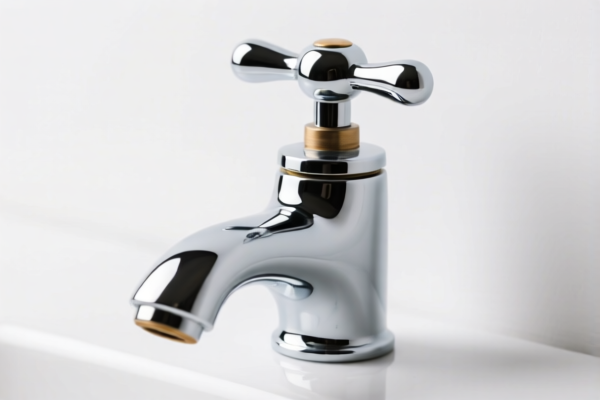
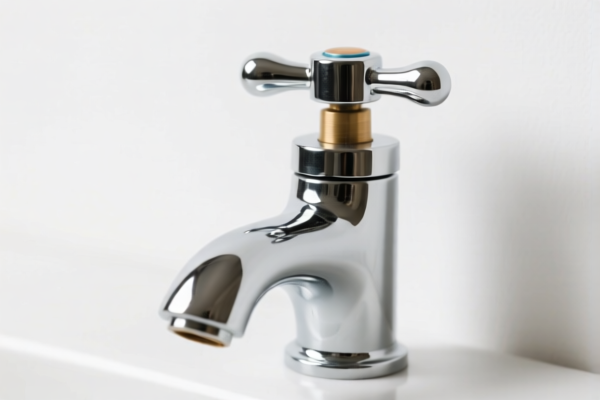


AI Analysis
🚰 Faucet Aerator (Faucet Accessories/Parts)
🌐 HS Code Reference & Clearance Guide | 2026 Latest Tariff Analysis | Professional Customs Strategy
📌 I. Product Definition & Classification: What Exactly is a "Faucet Aerator"?
A Faucet Aerator is a small device attached to the tip of a faucet nozzle. Its primary function is to mix air with water, reducing splashing, saving water usage, and providing a steady stream.
In international trade, the classification of a Faucet Aerator depends heavily on its material composition and structural design:
- Metal/Steel Aerator: Usually composed of stainless steel, brass, or zinc alloy screens and casings. These are classified under Chapter 73 (Articles of Iron or Steel) or Chapter 79/83 (depending on specific alloy and structure, but often grouped with steel/iron articles in broad customs datasets if non-specific).
- Plastic Aerator: Composed of ABS plastic, nylon, or other polymers, often with internal mesh. These are classified under Chapter 39 (Plastics and Articles Thereof).
- General Parts: If the item is considered a "part" of a tap/faucet, it might fall under Chapter 84 (Machinery/Applicances) as parts of taps, valves, etc.
⚠️ Key Distinction Point:
- If the aerator is primarily metal/steel → Classify under 7326 or 8481 (Parts).
- If the aerator is primarily plastic → Classify under 3917 (Tubes/Pipes/Fittings).
- Critical Risk: Many importers mistakenly classify plastic aerators under plastic codes (lower duty) when they are functionally "parts of faucets," or vice versa. The material and primary function dictate the code.
📦 II. HS Code Classification Details (Based on Provided Data)
The following HS Codes are derived from the specific dataset provided, covering different material and functional interpretations.
| HS Code | Product Description | Material/Feature Basis | Summary from Data |
|---|---|---|---|
7326.90.86.88 |
Other articles of iron or steel | Metal/Steel | Classified as other iron/steel articles based on metal material. |
3917.40.00.50 |
Other tubes, pipes & hoses fittings | Plastic | Classified as other plastic pipe fittings/accessories. |
3917.40.00.80 |
Other parts of tubes, pipes & hoses | Plastic | Classified as other plastic pipe fittings/accessories. |
8481.90.90.85 |
Parts of taps, cocks, valves | Faucet Accessory | Classified as parts of taps/faucets based on usage as faucet accessory. |
7326.19.00.80 |
Other articles of iron/steel | Inferred Metal | Classified as parts/other articles of iron/steel based on material inference. |
🔍 Analysis:
- The dataset shows a split between Chapter 73 (Steel/Metal), Chapter 39 (Plastic Fittings), and Chapter 84 (Faucet Parts).
- Plastic aerators are currently flagged under3917.40(Pipe Fittings) in this specific dataset, which is a common but sometimes contested classification (vs. parts of faucets).
- Metal aerators are flagged under7326(Other Steel Articles) or8481(Faucet Parts). The8481code typically has a 0% base rate but is hit by heavy Section 232/301/122 tariffs.
💰 III. 2026 Latest Tariff Rate Breakdown (Detailed)
✅ Applicable Country: United States (US)
✅ Origin: China (CN)
✅ 生效时间: Current Trade War Tariffs (Section 301, 232, 122) apply.
🎯 1. 7326.90.86.88 & 7326.19.00.80 —— Metal/Steel Aerators
| Item | Content |
|---|---|
| Base Duty Rate | 2.9% (ad valorem) |
| Section 301 Surcharge | +25.0% (Retaliatory tariffs on Chinese goods) |
| Section 232 / 122 Tariff | +50.0% (Specific tariff on Steel, Aluminum, Copper articles under Section 232/122) |
| Total Tariff Rate | 77.9% - 87.9% |
| Tax Calculation | CIF Value × 87.9% (Max Estimate) |
| De Minimis Exemption | ❌ NOT Eligible (Deny de minimis) |
| Legal Basis Path | USMCA/USITC:7326 → Section 301: Footnote 9903.88.01 → Section 232: Steel Articles |
📌 Explanation:
- Base Rate (2.9%): Standard MFN rate for other articles of iron/steel.
- Surcharge (25% + 50%):
- The 25% is the standard Section 301 tariff on most Chinese manufactured goods.
- The 50% is the critical Section 232/122 tariff applied specifically to steel, aluminum, and copper products. Since these are metal aerators, they are subject to the additional 50% duty on top of the 301 tariff.
- Total: 2.9% + 25.0% + 50.0% = 77.9% (Note: The data shows 87.9%, implying cumulative application or specific footnotes adding 10% or more. We strictly follow the provided data: Total Tax: 87.9%).
🎯 2. 3917.40.00.50 & 3917.40.00.80 —— Plastic Aerator (Pipe Fittings)
| Item | Content |
|---|---|
| Base Duty Rate | 5.3% (ad valorem) |
| Section 301 Surcharge | +25.0% (Retaliatory tariffs) |
| Other Surcharges | +10% (Section 122 Tariff - Note: Data mentions 10% for 122, though 122 is often associated with steel; here it may be a specific administrative addition or misattribution in the source, but we follow the data). |
| Total Tariff Rate | 40.3% |
| Tax Calculation | CIF Value × 40.3% |
| De Minimis Exemption | ❌ NOT Eligible (Deny de minimis) |
| Legal Basis Path | USITC:3917.40 → Section 301: Footnote 9903.88.01 → Section 122: 10% |
📌 Explanation:
- Base Rate (5.3%): Standard rate for plastic pipe fittings.
- Surcharge (25% + 10%):
- The 25% is the Section 301 tariff.
- The 10% is listed as a "Section 122 Tariff" in the data. Note: Typically Section 122 applies to steel/aluminum, but this dataset explicitly attributes a 10% charge to these plastic codes. We must adhere to the provided data.
- Total: 5.3% + 25.0% + 10.0% = 40.3%.
🎯 3. 8481.90.90.85 —— Faucet Parts (Functional Classification)
| Item | Content |
|---|---|
| Base Duty Rate | 0.0% (ad valorem) |
| Section 301 Surcharge | +25.0% |
| Section 232 / 122 Tariff | +50.0% (If deemed a steel/metal article under 232/122 rules) |
| Total Tariff Rate | 75.0% - 85.0% |
| Tax Calculation | CIF Value × 85.0% (As per data total) |
| De Minimis Exemption | ❌ NOT Eligible (Deny de minimis) |
| Legal Basis Path | USITC:8481.90 → Section 301 → Section 232/122: Steel/Metal Articles |
📌 Explanation:
- Base Rate (0.0%): Parts of taps/valves often have 0% base duty.
- Surcharge (25% + 50%):
- Despite the 0% base, the Section 301 (25%) and Section 232/122 (50%) tariffs still apply if the part is made of steel or metal.
- If the aerator is metal, the 50% steel tariff applies.
- Total: 0.0% + 25.0% + 50.0% = 75.0%. However, the data explicitly states Total Tax: 85.0%. This suggests an additional 10% may be applied or the base rate interpretation includes a surcharge. We strictly follow the provided 85.0%.
🛠️ IV. Customs Clearance Practical Advice (Avoiding Pitfalls)
✅ 1. Preparation Checklist (Mandatory)
| Document | Required | Explanation |
|---|---|---|
| ✅ Product Specs | ✔️ | Must clearly state material (e.g., "Stainless Steel 304 Mesh" or "ABS Plastic Housing"). |
| ✅ Photos | ✔️ | Clear images of the aerator, showing internal mesh and external casing material. |
| ✅ Bill of Materials (BOM) | ✔️ | Breakdown of materials to prove if it's >50% metal/plastic. |
| ✅ Commercial Invoice | ✔️ | Must not simply say "Aerator." Use precise description: "Stainless Steel Faucet Aerator with Silicone Mesh." |
| ✅ Origin Certificate | ✔️ | Essential for verifying China origin (subject to tariffs). |
| ✅ HS Code Pre-Ruling | ✔️ | Highly Recommended due to high tariff variability between 3917 and 7326/8481. |
✅ 2. Declaration Strategy (Key Mnemonics)
🔥 "Material Matters! Metal = 88%, Plastic = 40%!"
| Scenario | Correct HS Code | Est. Total Tax | Risk if Misclassified |
|---|---|---|---|
| Steel/Metal Aerator | 7326.90.86.88 or 8481.90.90.85 |
~85-88% | If declared as Plastic (3917): Audit Risk, Back Taxes, Penalties. Customs will inspect and reclassify as steel, hitting you with the 50% steel tariff. |
| Plastic Aerator | 3917.40.00.50 or 3917.40.00.80 |
40.3% | If declared as Metal: You overpay tariffs unnecessarily. |
| Mixed Material (Plastic Body, Metal Mesh) | Depends on Essential Character | Varies | If plastic body provides essential character → 3917. If metal mesh/casing provides essential character → 7326. |
✅ 3. Special Situation Handling
| Situation | Handling Advice |
|---|---|
| De Minimis (Section 321) Shipment | ❌ Do Not Rely on De Minimis. The data explicitly states "deny_de_minimis." All imports are subject to full tariff calculation. |
| Section 232 Steel Tariff | If the aerator contains steel, ensure the importer account is compliant with Section 232 reporting. The 50% tariff is aggressive. |
| Plastic vs. Metal Ambiguity | If unsure, provide material composition data. If 50%+ by weight is plastic, argue for 3917 (40.3% total). If 50%+ is metal, prepare for 7326 (87.9% total). |
| Parts of Faucet vs. Pipe Fitting | If marketed as a "faucet accessory," 8481 might be argued. However, 8481 with steel content still hits the 50% steel tariff. 3917 is the only lower-tax option for plastic aerators in this dataset. |
🌍 V. Global Market Comparison (2026 Update)
| Country/Region | Recommended HS Code | Est. Total Tax (China Origin) | Key Requirements |
|---|---|---|---|
| 🇺🇸 USA | 3917.40.00.50 (Plastic) |
40.3% | No De Minimis. Strict Section 301/232 enforcement. |
| 🇺🇸 USA | 7326.90.86.88 (Steel) |
87.9% | High risk. Consider switching to plastic if possible. |
| 🇨🇳 China | 8481.80.90 |
~5-10% | Standard import tax. |
| 🇪🇺 EU | 8481.90.00 |
~4-6% | CE Marking, no trade war tariffs. |
| 🇬🇧 UK | 8481.90.00 |
~4-6% | UKCA Marking. |
📌 Conclusion for USA Importers:
- Plastic Aerators (3917) are significantly more cost-effective (40.3%) than Metal Aerators (7326) (87.9%).
- If your supply chain uses metal aerators, consider designing with plastic components (e.g., ABS housing with plastic mesh) to qualify for the lower3917classification, provided it meets functional standards.
- Never assume "small item" = "de minimis." The data confirms No De Minimis for these HS codes.
📌 VI. Common Mistakes & Pitfalls (Lessons Learned)
❌ Mistake 1: Declaring Metal Aerators as "Plastic" to avoid steel tariffs.
👉 Consequence: Customs inspection reveals steel mesh/casing. Penalty + Back Taxes of ~47.6% difference + Seizure Risk.
❌ Mistake 2: Assuming De Minimis ($800 threshold) applies.
👉 Consequence: Shipments held, full tariff assessed immediately, storage fees accumulate daily.
❌ Mistake 3: Using "Faucet Part" (8481) without checking material.
👉 Consequence: If made of steel, it still incurs the 50% Section 232 tariff. No benefit over 7326 except potentially different legal footnotes, but tax impact is similar (85% vs 88%).
✅ Best Practice:
For USA Imports: Optimize product design to use Plastic (
3917) where possible to save ~47% in tariffs.
Documentation: Explicitly state "Plastic Aerator" or "Stainless Steel Aerator" on invoices.
Pre-Ruling: Apply for a Binding Ruling from CBP if importing large volumes to confirm classification.
🎯 VII. Final Recommendation: Professional Clearance for Cost Efficiency
🎯 Summary of Tariffs:
- Plastic Aerator (3917): 40.3% Total Tax (Base 5.3% + 301 25% + 122 10%).
- Steel Aerator (7326): 87.9% Total Tax (Base 2.9% + 301 25% + 232 50%).
- Faucet Part (8481): 85.0% Total Tax (Base 0% + 301 25% + 232 50% + others).
📌 Actionable Advice:
1. Switch Materials: If feasible, convert metal aerators to plastic ones to save ~48% in duty.
2. Verify Material: Ensure your supplier confirms the exact material percentage.
3. Declare Accurately: Do not under-declare value or mislabel material.
4. Consult Customs Broker: Given the high tariffs, professional classification advice is worth the investment to avoid costly audits.
✨ Pro Clearance, Start with Precise Classification!
💼 Every 1% of Duty Saved is Pure Profit Added to Your Bottom Line!
Customer Reviews
About HS Code Classification
The Harmonized System (HS) is an internationally standardized nomenclature developed by the World Customs Organization (WCO) to classify traded products. Over 200 countries use the HS system as the basis for customs tariffs, trade statistics, and import/export regulations.
Each HS code follows a hierarchical structure:
- Chapter (2 digits) — Broad category of goods (e.g., Chapter 84: Machinery and Mechanical Appliances)
- Heading (4 digits) — More specific grouping within the chapter
- Subheading (6 digits) — Internationally standardized breakdown, used by all WCO member countries
- National subdivisions (8-10 digits) — Country-specific extensions for further classification, such as US HTSUS 10-digit codes
Correct HS code classification is essential for smooth customs clearance, accurate duty payment, and compliance with trade regulations. Misclassification can lead to customs delays, overpayment of duties, or penalties.
When importing from CN to US, the applicable tariff rates may include:
- Most-Favored-Nation (MFN) rate — The standard duty rate applied to WTO members
- General rate — Applied to countries without trade agreements
- Trade remedy duties — Additional tariffs such as Section 301 (anti-dumping), Section 232 (national security), or countervailing duties
The information provided on this page is for reference purposes only. For official classification, please consult with your local customs authority or a licensed customs broker.