Faucet Cover
CN → US| HS Code | Tariff Rate | Origin | Destination | Doc |
|---|---|---|---|---|
| 3924905650 | 20.9% | CN | US | Official Doc |
| 7323999080 | 88.4% | CN | US | Official Doc |
| 7323999030 | 88.4% | CN | US | Official Doc |
| 6912004810 | 19.8% | CN | US | Official Doc |
| 3924104000 | 13.4% | CN | US | Official Doc |
Product Images
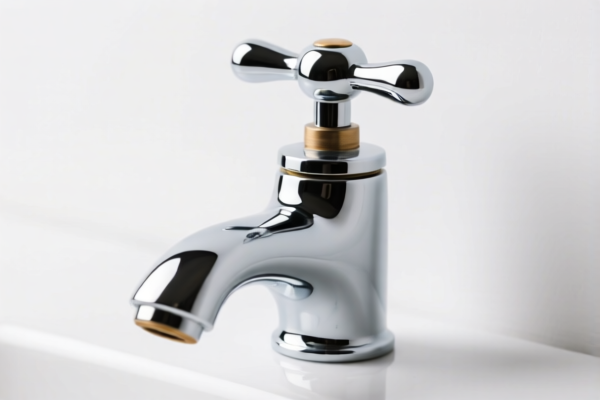
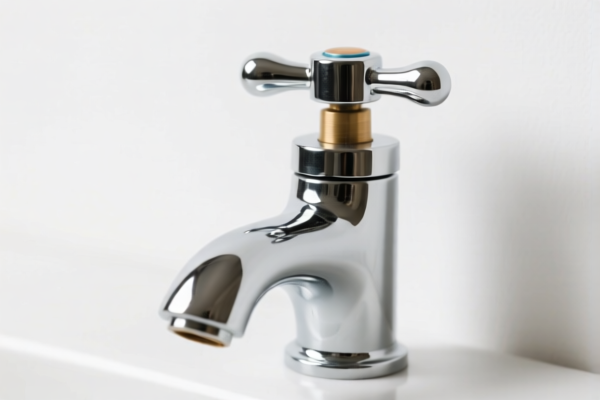
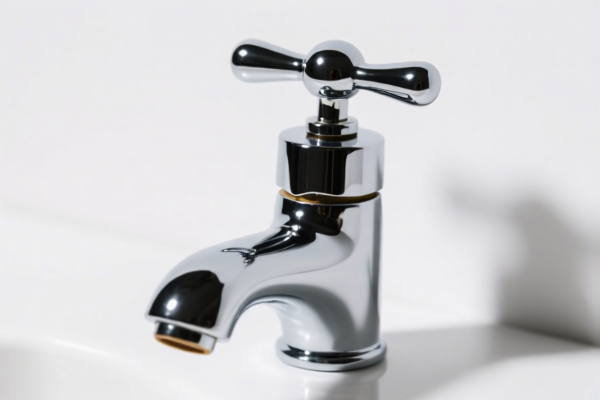
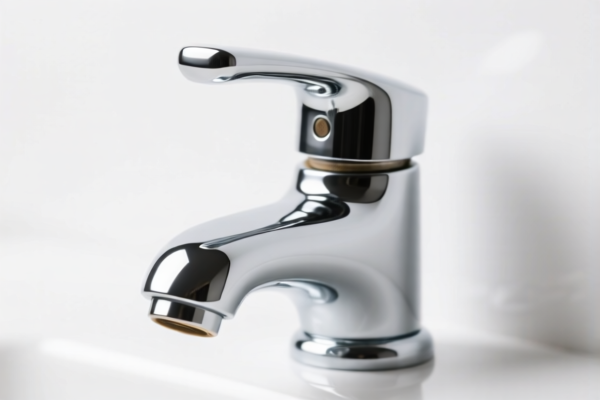
AI Analysis
🚰 Faucet Cover (Sink Cover)
🌐 HS Code Reference & Customs Clearance Guide | 2026 Latest Tariff Analysis | Professional Clearance Strategy
📌 One Product, Five Classifications: Why Material Matters!
A "Faucet Cover" or "Sink Cover" might seem simple, but in international trade, the material composition dictates the HS Code, and the HS Code dictates the tax burden. As seen in the data below, a plastic cover and a metal cover can have vastly different tariff implications due to Section 301 and IEEPA regulations targeting Chinese goods.
⚠️ Critical Distinction:
- Plastic Covers: Generally lower tariffs (13.4% - 20.9%).
- Metal Covers (Steel/Aluminum/Copper): Extremely high tariffs (88.4%) due to specific "Steel, Aluminum, Copper" surcharges.
- Ceramic/Non-Ceramic Kitchenware: Moderate tariffs (19.8%).
📦 II. HS Code Classification Details (2026 Latest Tariff Alignment)
| HS Code | Product Description | Material | Usage Scenario |
|---|---|---|---|
3924.10.40.00 |
Plastic Sink Cover | Plastic | Household items, kitchen accessories |
3924.90.56.50 |
Plastic Sink Cover | Plastic | Household items, kitchen accessories |
6912.00.48.10 |
Sink Cover | Non-Ceramic | Kitchenware |
7323.99.90.80 |
Metal Sink Cover | Metal (Steel/Aluminum/Copper) | Dining or household items |
7323.99.90.30 |
Sink Cover | Iron or Steel | Kitchen/Tableware accessories |
🔍 Key Insight:
- Plastics fall under Chapter 39 (Articles of Plastics).
- Metal Covers fall under Chapter 73 (Articles of Iron or Steel).
- Ceramic/Other falls under Chapter 69 (Ceramic Products).
Note: Misclassifying a steel cover as plastic can lead to severe penalties, while misclassifying plastic as metal may result in underpayment of duties.
💰 III. 2026 Latest Tariff Rate Breakdown (Including Surcharges & Policies)
✅ Applicable Country: United States (US)
✅ Origin: China (CN)
✅ Effective Time: Ongoing (Current rates apply)
🎯 1. 3924.10.40.00 —— Plastic Sink Cover (Household)
| Item | Content |
|---|---|
| Base Tariff | 3.4% |
| Section 301 Surcharge | 0.0% |
| Section 122 Surcharge | 10.0% |
| Total Tax Rate | 13.4% |
| Tax Calculation | CIF Value × 13.4% |
| De Minimis Exemption | ❌ Not Applicable (Usually > $800 threshold or subject to specific restrictions) |
| Legal Basis | Base Rate + Section 122 (10%) |
📌 Explanation:
- This is the most cost-effective classification for plastic covers.
- No Section 301 surcharge applies here, only the base rate and a 10% Section 122 surcharge.
🎯 2. 3924.90.56.50 —— Plastic Sink Cover (Household)
| Item | Content |
|---|---|
| Base Tariff | 3.4% |
| Section 301 Surcharge | 7.5% |
| Section 122 Surcharge | 10.0% |
| Total Tax Rate | 20.9% |
| Tax Calculation | CIF Value × 20.9% |
| De Minimis Exemption | ❌ Not Applicable |
| Legal Basis | Base Rate + Section 301 (7.5%) + Section 122 (10%) |
📌 Explanation:
- Although also plastic, this specific subheading incurs an additional 7.5% Section 301 surcharge.
- Total rate is 20.9%, significantly higher than3924.10.40.00.
🎯 3. 6912.00.48.10 —— Sink Cover (Non-Ceramic)
| Item | Content |
|---|---|
| Base Tariff | 9.8% |
| Section 301 Surcharge | 0.0% |
| Section 122 Surcharge | 10.0% |
| Total Tax Rate | 19.8% |
| Tax Calculation | CIF Value × 19.8% |
| De Minimis Exemption | ❌ Not Applicable |
| Legal Basis | Base Rate + Section 122 (10%) |
📌 Explanation:
- For covers made of non-ceramic materials (e.g., glass, composite), this is a viable option.
- No Section 301 surcharge, but a higher base rate of 9.8%.
🎯 4. 7323.99.90.80 —— Metal Sink Cover (Steel/Aluminum/Copper)
| Item | Content |
|---|---|
| Base Tariff | 3.4% |
| Section 301 Surcharge | 25.0% |
| Section 122 Surcharge | 10.0% |
| Special Surcharge (Steel/Al/Cu) | 50.0% |
| Total Tax Rate | 88.4% |
| Tax Calculation | CIF Value × 88.4% |
| De Minimis Exemption | ❌ Not Applicable |
| Legal Basis | Base Rate + Section 301 (25%) + Section 122 (10%) + Steel/Al/Cu Surcharge (50%) |
📌 Warning:
- This is the highest tariff category.
- The 50% surcharge for steel, aluminum, or copper products is devastating to margins.
- Only classify as metal if the product is primarily made of these materials.
🎯 5. 7323.99.90.30 —— Sink Cover (Iron or Steel)
| Item | Content |
|---|---|
| Base Tariff | 3.4% |
| Section 301 Surcharge | 25.0% |
| Section 122 Surcharge | 10.0% |
| Special Surcharge (Steel/Al/Cu) | 50.0% |
| Total Tax Rate | 88.4% |
| Tax Calculation | CIF Value × 88.4% |
| De Minimis Exemption | ❌ Not Applicable |
| Legal Basis | Base Rate + Section 301 (25%) + Section 122 (10%) + Steel/Al/Cu Surcharge (50%) |
📌 Warning:
- Identical tax burden to7323.99.90.80.
- Specific to iron or steel accessories for tableware.
🛠️ IV. Customs Clearance Practical Advice (Real-World Pitfall Avoidance)
✅ 1. Documentation Checklist (Non-Negotiable)
| Document | Must Provide | Explanation |
|---|---|---|
| ✅ Product Specifications | ✔️ | Detail material composition (e.g., "80% ABS Plastic, 20% Silicone"). |
| ✅ Material Certificate | ✔️ | Proves if the product is plastic, metal, or ceramic. Critical for avoiding 88.4% tax. |
| ✅ Product Photos | ✔️ | Clear images of the cover, showing no metal parts if claimed as plastic. |
| ✅ Commercial Invoice | ✔️ | Must state "Faucet Cover" or "Sink Cover," not vague terms like "Part." |
| ✅ Packing List | ✔️ | Itemized list to ensure no mixed shipments (plastic + metal) confuse the inspector. |
✅ 2. Declaration Strategy (Key Mnemonic)
🔥 “Material is King, Code is Queen! Metal Means 88%, Plastic is Sweet!”
| Scenario | Correct Declaration | Wrong Practice |
|---|---|---|
| Pure Plastic Cover | 3924.10.40.00 or 3924.90.56.50 |
Misclassifying as metal → 88.4% |
| Plastic with Metal Hinge | Plastic (if metal < de minimis threshold for classification) | Classifying as metal → 88.4% |
| Steel/AI/Cu Cover | 7323.99.90.80 or 7323.99.90.30 |
Hiding origin or material → Heavy fines |
| Ceramic/Glass Cover | 6912.00.48.10 |
Misclassifying as plastic → 13.4% vs 19.8% |
✅ 3. Special Handling Tips
| Situation | Handling Advice |
|---|---|
| Composite Materials | If the cover is 90% plastic but has a small metal spring, argue for classification under Chapter 39 (Plastic) as the essential character is plastic. Provide proof. |
| OEM Customization | Provide client design specs to prove material intent. Avoid generic descriptions. |
| Packaging | Ensure packaging does not contain metal parts that could be confused with the product. |
🌍 V. Global Market Comparison (2026 Latest)
| Country/Region | Recommended HS Code | Tariff (China Origin) | Certification | Notes |
|---|---|---|---|---|
| 🇺🇸 USA | 3924.10.40.00 |
13.4% | None | Best for plastic. Metal codes hit 88.4%. |
| 🇨🇳 China | 3924.10.40.00 |
5-10% | CCC (if applicable) | Lower tariffs than US. |
| 🇪🇺 EU | 3924.10.40.00 |
0-3% | CE, LFGB (Food Contact) | No Section 301/122. Much more favorable. |
| 🇬🇧 UK | 3924.10.40.00 |
0-3% | UKCA | Post-Brexit, similar to EU. |
| 🇦🇺 Australia | 3924.10.40.00 |
5% | RCM | No surcharges. |
📌 Conclusion:
- USA is the only market with punitive surcharges on Chinese imports.
- Plastic covers are significantly more profitable to export to the US than Metal covers.
- Consider sourcing or assembling in non-China countries (e.g., Vietnam, Thailand) for metal covers to avoid the 88.4% rate.
📌 VI. Common Mistakes & Pitfall Guide (Lessons Learned)
❌ Mistake 1: Declaring a steel faucet cover as "Plastic Accessory"
👉 Consequence: Customs audit finds metal → Back taxes + 88.4% penalty + Delay.
❌ Mistake 2: Using vague terms like "Household Item"
👉 Consequence: Customs assigns worst-case HS Code → Highest possible tariff.
❌ Mistake 3: Ignoring the "Steel, Aluminum, Copper" surcharge
👉 Consequence: Budgeting for 10-20% tax, but facing 88.4% → Financial Loss.
❌ Mistake 4: Mixed Material Misclassification
👉 Consequence: If a plastic cover has a metal clip, and you declare it as 100% plastic, you risk penalties. Declare as Plastic but disclose the clip if required.
✅ Correct Approach:
"Plastic Faucet Cover, Model XYZ, 100% ABS Plastic, No Metal Parts, For Household Kitchen Use, BPA Free."
🎯 VII. Conclusion: Precise Classification, Maximized Profit!
🎯 Remember the Mnemonic:
🔹 “Plastic is Low, Metal is High! Check the Material, Save the Tax!”
🔹 “88.4% for Metal, 13.4% for Plastic – Don’t let a little metal destroy your margin!”
📌 Pro Tip:
If your product contains any steel, aluminum, or copper, expect 88.4% tax in the US. Consider:
1. Re-designing the product to be 100% plastic/ceramic.
2. Sourcing from non-China origins (e.g., Vietnam) for metal variants.
3. Applying for Exclusions (if available for specific product types).
📣 Action Now:
📞 Consult a Customs Broker + Provide Material Certificates + Apply for Pre-Ruling (if uncertain).
🚀 Ensure Smooth Clearance, Avoid Surprises, Protect Your Margins!
✨ Professional Clearance Starts with Accurate Classification!
💼 Every Percent Saved is Pure Profit!
Customer Reviews
About HS Code Classification
The Harmonized System (HS) is an internationally standardized nomenclature developed by the World Customs Organization (WCO) to classify traded products. Over 200 countries use the HS system as the basis for customs tariffs, trade statistics, and import/export regulations.
Each HS code follows a hierarchical structure:
- Chapter (2 digits) — Broad category of goods (e.g., Chapter 84: Machinery and Mechanical Appliances)
- Heading (4 digits) — More specific grouping within the chapter
- Subheading (6 digits) — Internationally standardized breakdown, used by all WCO member countries
- National subdivisions (8-10 digits) — Country-specific extensions for further classification, such as US HTSUS 10-digit codes
Correct HS code classification is essential for smooth customs clearance, accurate duty payment, and compliance with trade regulations. Misclassification can lead to customs delays, overpayment of duties, or penalties.
When importing from CN to US, the applicable tariff rates may include:
- Most-Favored-Nation (MFN) rate — The standard duty rate applied to WTO members
- General rate — Applied to countries without trade agreements
- Trade remedy duties — Additional tariffs such as Section 301 (anti-dumping), Section 232 (national security), or countervailing duties
The information provided on this page is for reference purposes only. For official classification, please consult with your local customs authority or a licensed customs broker.