Faucet Extender
CN → US| HS Code | Tariff Rate | Origin | Destination | Doc |
|---|---|---|---|---|
| 7324900000 | 85.0% | CN | US | Official Doc |
| 8481805060 | 38.0% | CN | US | Official Doc |
| 7324100050 | 88.4% | CN | US | Official Doc |
| 8481805090 | 38.0% | CN | US | Official Doc |
| 7324900000 | 85.0% | CN | US | Official Doc |
Product Images
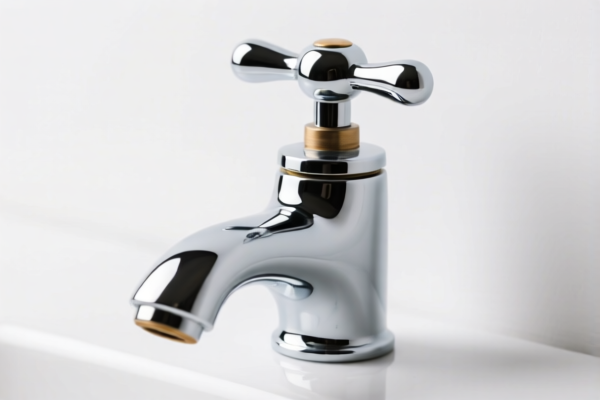
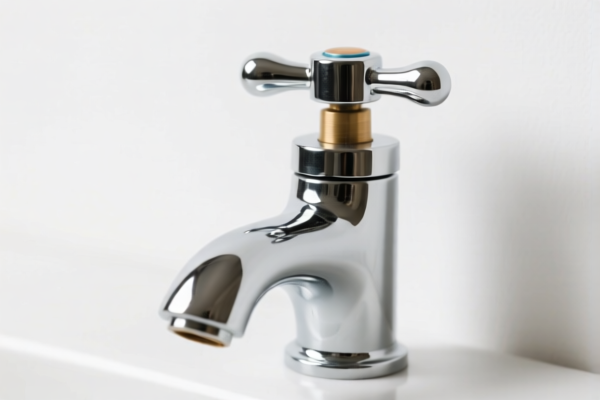
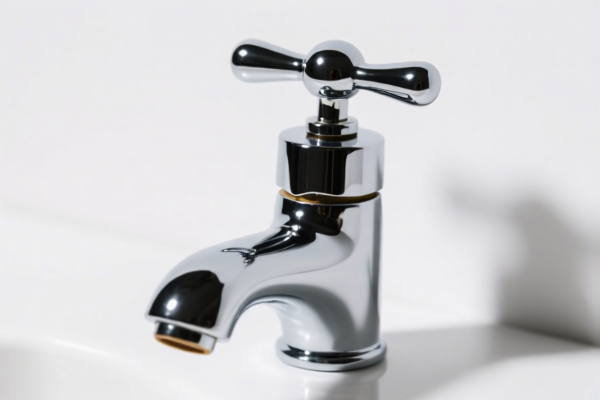
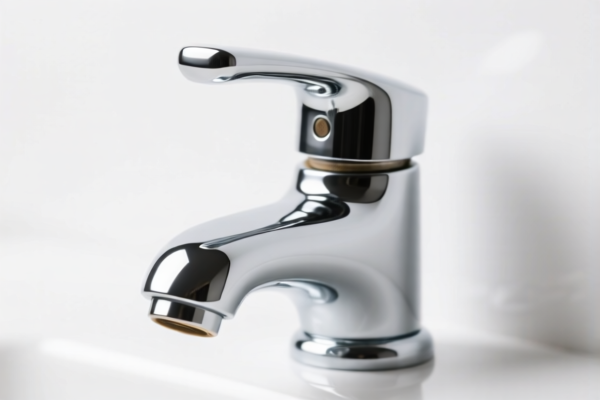
AI Analysis
🚿 Faucet Extender (Stainless Steel) – The "Hydraulic Booster"
🌐 HS Code Reference & Customs Clearance Guide | 2026 Latest Tariff Analysis | Professional-Level Clearance Strategy
📌 I. Product Definition & Classification: Do You Really Understand the "Faucet Extender"?
A Faucet Extender (often called a faucet aerator, sprayer, or nozzle attachment) is a small but critical device attached to the end of a kitchen or bathroom faucet. Its primary functions are to aerate the water (mixing air with water to save flow) and to shape the stream (from jet to spray).
In international trade, despite its small size, its classification depends heavily on material composition and intended use. It is generally classified under two main chapters: 1. Chapter 73: Articles of Iron or Steel (if classified as a "part of sanitary ware"). 2. Chapter 84: Machinery and mechanical appliances (if classified as a "valve or tap" component).
⚠️ Key Distinction Point:
- If viewed as a part of sanitary fixtures (like a toilet or sink accessory) → Often falls under 7324 (Sanitary ware parts).
- If viewed as a valve/tap mechanism (functional control device) → Often falls under 8481 (Taps, cocks, valves).
- Material Matters: Stainless steel products often trigger additional "Section 232" tariffs (steel/aluminum) if misclassified or if the customs authority deems them steel articles.
📦 II. HS Code Classification Details (2026 Latest Tariff Authority Comparison)
| HS Code | Product Description | Use Case | Classification Logic |
|---|---|---|---|
7324.90.00.00 |
Stainless Steel Faucet Extender | Classified as Parts of Sanitary Ware | Viewed as a non-iron/steel specific sanitary part (Note: Despite SS, often grouped here as "Other"). |
8481.80.50.60 |
Stainless Steel Faucet Extender | Classified as Other Taps/Valves | Viewed as a functional valve device for bathrooms/shower sinks. |
7324.10.00.50 |
Stainless Steel Faucet Extender | Classified as Sanitary Ware Parts (Other) | Specific sub-category for sinks/washbasin accessories. |
8481.80.50.90 |
Stainless Steel Faucet Extender | Classified as Other Taps/Valves | Non-excluded materials, general valve category. |
🔍 Critical Note:
- 7324 Codes are often subject to higher combined tariffs because they are frequently treated as Steel Articles under Section 232, triggering the 50% additional duty on top of other tariffs.
- 8481 Codes are typically classified as Valves/Taps, which may attract lower base tariffs and avoid the specific "Steel/Aluminum" Section 232 penalty in some interpretations, though they still face Trade War tariffs.
💰 III. 2026 Latest Tariff Rate Breakdown (Including Surcharge & Policy Add-ons)
✅ Applicable Country: United States (US)
✅ Origin: China (CN)
✅ Effective Date: Post-November 2025 (Including Section 232 & 301 Impacts)
🎯 1. 7324.90.00.00 & 7324.10.00.50 —— Classified as Sanitary Ware Parts (Steel/Aluminum Impact)
| Item | Detail |
|---|---|
| Base Tariff | 0.0% (for 7324.90) or 3.4% (for 7324.10) |
| Section 301 (Trade War) | +25.0% |
| Section 232 (Steel/Aluminum) | +50.0% (Applicable to "Steel, Aluminum, Copper Articles") |
| Total Effective Rate | 85.0% (for 7324.90) or 88.4% (for 7324.10) |
| Tax Calculation | CIF Value × 85%~88.4% |
| De Minimis Exemption? | ❌ No (High-risk goods, usually denied de minimis) |
| Legal Basis | USITC:7324 → Section 232 Steel/Aluminum → Section 301 |
📌 Explanation:
- The 50% Section 232 tariff is the killer here. Customs may classify stainless steel faucet extenders as "steel articles" under Section 232 if not carefully argued as "finished sanitary goods" or "valves."
- The 25% Section 301 tariff applies to almost all Chinese-origin manufactured goods.
- Result: Tax rates exceed 85%, making this classification extremely costly.
🎯 2. 8481.80.50.60 & 8481.80.50.90 —— Classified as Taps/Valves (Non-Steel Specific)
| Item | Detail |
|---|---|
| Base Tariff | 3.0% |
| Section 301 (Trade War) | +25.0% |
| Section 232 (Steel/Aluminum) | 0% (Not applied to valves/taps in this subheading) |
| Total Effective Rate | 38.0% |
| Tax Calculation | CIF Value × 38.0% |
| De Minimis Exemption? | ⚠️ Case-by-Case (Often still scrutinized, but lower base risk) |
| Legal Basis | USITC:8481 → Section 301 |
📌 Explanation:
- By classifying as 8481 (Taps, Cocks, and Valves), the product is seen as a functional mechanical part rather than a "steel article."
- This avoids the punitive 50% Section 232 tariff.
- Savings: You save ~47% in tariffs compared to the 7324 classification!
🛠️ IV. Customs Clearance Practical Advice (Real-World Pitfall Guide)
✅ 1. Document Checklist (Do Not Miss Anything)
| Document | Required? | Notes |
|---|---|---|
| ✅ Product Specification Sheet | ✔️ | Must clearly state: "Faucet Aerator/Extender," "Stainless Steel," "Flow Control Device." |
| ✅ Material Composition | ✔️ | Specify "Stainless Steel 304/316" to avoid generic "Steel" classification if possible. |
| ✅ Function Description | ✔️ | Emphasize "Water Flow Regulation," "Aeration," not just "Part of Sink." |
| ✅ Photos | ✔️ | Show attachment mechanism, internal mesh/nozzle structure. |
| ✅ Commercial Invoice | ✔️ | Use precise description: "Stainless Steel Faucet Nozzle/Aerator for Kitchen/Bathroom" |
| ✅ HS Code Pre-Ruling | ✔️ | Highly Recommended to lock in 8481 vs 7324. |
✅ 2. Declaration Strategy (Key Mnemonic)
🔥 "Function Over Form: Declare as Valve, Not Part!"
| Scenario | Correct Declaration | Wrong Declaration | Consequence |
|---|---|---|---|
| Faucet Extender | 8481.80.50 (Valve/Tap) |
7324.90.00 (Sanitary Part) |
Pay 38% vs 85% Tax! |
| Loose Aerator | 8481.80.50.90 |
7324.10.00.50 |
Avoid 50% Steel Surcharge |
| Kit with Screws | Declare as Main Unit | Split into Parts | Avoids "Accessory" high tariffs |
📌 Strategy:
- Argue that the extender is a "Tap Accessory" or "Valve Component" because it controls flow and pressure.
- Avoid using words like "Part of Sink" or "Sanitary Fixture Part" in the commercial invoice description unless necessary. Use "Aerator," "Nozzle," "Extender."
✅ 3. Special Considerations
| Situation | Recommendation |
|---|---|
| Stainless Steel Material | Be prepared for customs to argue Section 232. Have engineering docs ready to prove it's a finished functional device, not raw steel. |
| De Minimis (Section 321) | High Risk. Even with 8481, Chinese origin + high value may trigger scrutiny. Ensure unit price is correctly declared. |
| Multiple HS Codes in Data | The data shows both 7324 and 8481. Choose 8481 if the product is sold as a functional flow-control device to save ~47% tax. |
🌍 V. Global Market Comparison (2026 Latest)
| Country | Recommended HS Code | Estimated Duty (CN Origin) | Notes |
|---|---|---|---|
| 🇺🇸 USA | 8481.80.50.90 |
38% (Best Option) | Avoids 50% Steel Tariff. 7324 hits 85%. |
| 🇪🇺 EU | 7324.90.00 |
~4.7% | No Section 232/301. Standard MFN rates apply. |
| 🇨🇦 Canada | 7324.90.00 |
~5-10% | Check CUSMA eligibility if not Chinese origin. |
| 🇬🇧 UK | 7324.90.00 |
~5% | Post-Brexit tariffs apply. |
📌 Conclusion for USA Market:
Classification is everything.
- If you declare as 7324 (Sanitary Part): You pay 85%.
- If you declare as 8481 (Valve/Tap): You pay 38%.
Difference: $47 per $100 of goods.
📌 VI. Common Mistakes & Pitfalls (Blood & Tears Lessons)
❌ Mistake 1: Declaring as "Sink Part"
👉 Consequence: Customs applies Section 232 Steel Tariff (+50%). Total tax 85%.
❌ Mistake 2: Ignoring Material Composition
👉 Consequence: If stainless steel is not properly documented as "finished good," it may be treated as "steel article."
❌ Mistake 3: Using Vague Descriptions ("Faucet Tip")
👉 Consequence: Customs officer guesses. They may default to the highest tax rate category.
❌ Mistake 4: Assuming De Minimis Applies
👉 Consequence: Chinese origin goods over $800 are often scrutinized under Section 301/232 regardless of value.
✅ Correct Action:
"Stainless Steel Faucet Aerator / Water Extender – Flow Control Device, for Kitchen/Bathroom Use, Model: XYZ."
🎯 VII. Conclusion: Smart Classification Saves Big Money!
🎯 Remember:
🔹 "Valve (8481) = 38% | Part (7324) = 85%"
🔹 "Save 47% by declaring as Valve, not Part!"
🔹 "Stainless Steel + Section 232 = 50% Penalty if misclassified!"
📌 Pro Tip:
If you are importing large volumes, apply for an Advance Ruling from US CBP to confirm the 8481 classification. This provides legal certainty and protects you from audits.
📣 Immediate Action:
📞 Contact your freight forwarder
📄 Update your Commercial Invoice to highlight "Flow Control Device"
🚀 Optimize your HS Code to 8481.80.50 to maximize profit margins!
✨ Professional Customs Clearance Starts with Precise Classification!
💼 Every Percentage Point of Duty Saved is Pure Profit!
Customer Reviews
About HS Code Classification
The Harmonized System (HS) is an internationally standardized nomenclature developed by the World Customs Organization (WCO) to classify traded products. Over 200 countries use the HS system as the basis for customs tariffs, trade statistics, and import/export regulations.
Each HS code follows a hierarchical structure:
- Chapter (2 digits) — Broad category of goods (e.g., Chapter 84: Machinery and Mechanical Appliances)
- Heading (4 digits) — More specific grouping within the chapter
- Subheading (6 digits) — Internationally standardized breakdown, used by all WCO member countries
- National subdivisions (8-10 digits) — Country-specific extensions for further classification, such as US HTSUS 10-digit codes
Correct HS code classification is essential for smooth customs clearance, accurate duty payment, and compliance with trade regulations. Misclassification can lead to customs delays, overpayment of duties, or penalties.
When importing from CN to US, the applicable tariff rates may include:
- Most-Favored-Nation (MFN) rate — The standard duty rate applied to WTO members
- General rate — Applied to countries without trade agreements
- Trade remedy duties — Additional tariffs such as Section 301 (anti-dumping), Section 232 (national security), or countervailing duties
The information provided on this page is for reference purposes only. For official classification, please consult with your local customs authority or a licensed customs broker.