Faucet Water Heater
CN → US| HS Code | Tariff Rate | Origin | Destination | Doc |
|---|---|---|---|---|
| 7324100050 | 88.4% | CN | US | Official Doc |
| 7324900000 | 85.0% | CN | US | Official Doc |
| 8481805060 | 38.0% | CN | US | Official Doc |
| 8516100080 | 17.5% | CN | US | Official Doc |
| 8481801020 | 39.0% | CN | US | Official Doc |
Product Images
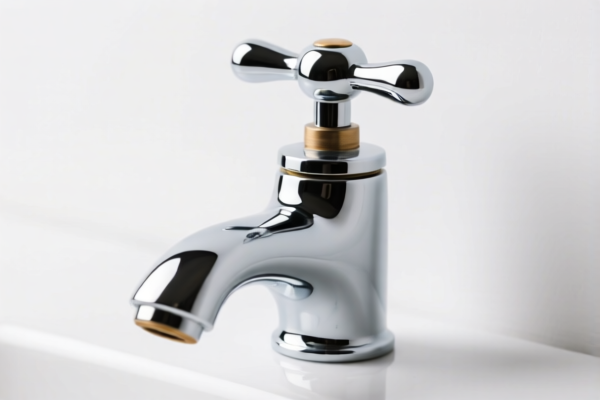
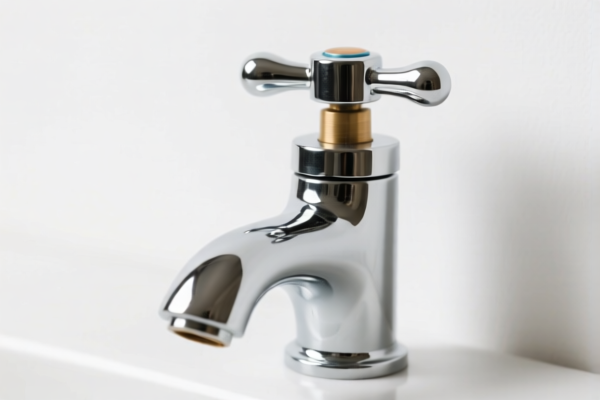
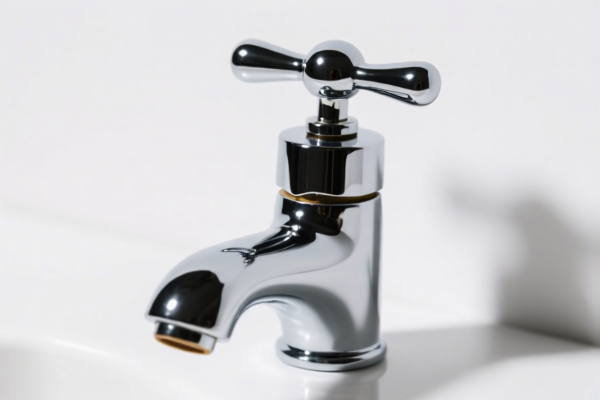
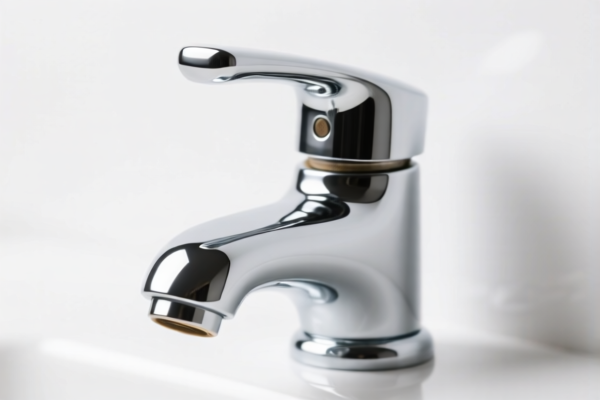
AI Analysis
🚰 Faucet Water Heater (Electric Instant Hot Water Mixer)
🌐 HS Code Reference & Customs Clearance Guide | 2026 Latest Tariff Analysis | Professional Compliance Strategy
📌 I. Product Definition & Classification: What Exactly Is a "Faucet Water Heater"?
A Faucet Water Heater (often called an electric instant hot water mixer or tankless faucet heater) is a compact heating device integrated into or attached to a kitchen or bathroom faucet. Its primary function is to heat water instantly as it flows through the unit.
In international trade, classification depends heavily on material composition, specific application, and structural form. It is generally split between Sanitary Ware (Part of a bathroom fixture) and Mechanical/Plumbing Appliances (Valves/Heating Elements).
⚠️ Key Distinction Point:
- If the product is primarily a faucet body made of stainless steel/iron used for sanitary purposes, it may fall under Chapter 73 (Articles of Iron or Steel) or Chapter 79/83 depending on material.
- If the product is primarily a valve assembly controlling flow and temperature for a water heater system, it falls under Chapter 84 (Nuclear reactors, boilers, machinery).
- If the product is a standalone heating appliance with electrical components, it might be confused with Chapter 85 (Electrical machinery), but usually, the faucet/valve nature dominates unless it is a complete standalone heater unit without plumbing connections.
📦 II. HS Code Classification Details (2026 Latest Tariff Alignment)
Based on the provided data, here are the five most relevant HS Codes for "Faucet Water Heater" variants, categorized by material and function:
| HS Code | Product Description | Material | Application/Feature | Key Classification Logic |
|---|---|---|---|---|
7324.10.00.50 |
Faucet for sanitary use | Stainless Steel | Sanitary ware parts | Classified as a sanitary article made of iron/steel. |
7324.90.00.00 |
Sanitary ware (faucet) for water heaters | Iron or Steel | Water heater faucet | Classified as other iron/steel sanitary ware. |
8481.80.50.60 |
Other taps, cocks, valves | Metal/Composite | Faucet-type products | Classified as other valves/taps for liquid flow control. |
8516.10.00.80 |
Other electrical instantaneous water heaters | Electrical/Heating | Electric heating attribute | Classified if the device is primarily a heating appliance with electrical components. |
8481.80.10.20 |
Valve for water heaters | Metal (Inferrred) | Faucet/Valve form | Classified specifically as a valve associated with water heating systems. |
🔍 Critical Note:
-7324.xx.xx: Used when the item is viewed primarily as a faucet/sanitary fitting (e.g., a stainless steel mixer tap).
-8481.xx.xx: Used when the item is viewed primarily as a valve/mechanical component (e.g., a thermostatic mixing valve).
-8516.xx.xx: Used only if the product is a standalone electric heater that heats water, not just a faucet body. If it’s a "faucet" that also heats, customs may still classify it as8516if the heating function is dominant, or7324/8481if the plumbing fixture aspect is dominant. Check the primary function and energy source.
💰 III. 2026 Latest Tariff Rate Breakdown (Including Surtaxes & Policy Add-ons)
✅ Applicable Country: United States (US)
✅ Origin: China (CN)
✅ Effective Date: From November 10, 2025 (including subsequent imports)
🎯 1. 7324.10.00.50 — Sanitary Faucets (Stainless Steel)
| Item | Content |
|---|---|
| Base Tariff | 3.4% |
| Additional Tariff (Section 301) | +25.0% |
| Section 232 Tariff (Steel/Aluminum/Copper) | +10% |
| Section 122 Tariff (Steel/Aluminum/Copper Products) | +50% |
| Total Effective Rate | 88.4% |
| Tax Calculation | CIF Value × 88.4% |
| De Minimis Exemption | ❌ Not Eligible (High risk of seizure/refund) |
| Legal Basis Path | USITC:7324.10.00.50 → SECTION:301 → SECTION:232 → SECTION:122 |
📌 Explanation:
- Section 232 (10%): Applies to steel products. Stainless steel faucets often fall here.
- Section 122 (50%): Applies to specific steel/aluminum/copper articles under recent trade actions.
- Section 301 (25%): Standard retaliatory tariff on Chinese goods.
- Total 88.4% is extremely high. Importers must ensure accurate classification to avoid misdeclaration penalties.
🎯 2. 7324.90.00.00 — Other Sanitary Ware (Iron/Steel Faucets)
| Item | Content |
|---|---|
| Base Tariff | 0.0% |
| Additional Tariff (Section 301) | +25.0% |
| Section 232 Tariff (Steel/Aluminum/Copper) | +10% |
| Section 122 Tariff (Steel/Aluminum/Copper Products) | +50% |
| Total Effective Rate | 85.0% |
| Tax Calculation | CIF Value × 85.0% |
| De Minimis Exemption | ❌ Not Eligible |
| Legal Basis Path | USITC:7324.90.00.00 → SECTION:301 → SECTION:232 → SECTION:122 |
📌 Note:
- Similar to above, but base rate is lower (0%).
- Applies to faucets made of iron or other steel (not stainless).
- Still subject to all surtaxes.
🎯 3. 8481.80.50.60 — Other Taps, Cocks, and Valves (Metal/Composite)
| Item | Content |
|---|---|
| Base Tariff | 3.0% |
| Additional Tariff (Section 301) | +25.0% |
| Section 232 Tariff | Not Applicable (Not steel/aluminum article per se, but may be argued) |
| Section 122 Tariff | +10% |
| Total Effective Rate | 38.0% |
| Tax Calculation | CIF Value × 38.0% |
| De Minimis Exemption | ❌ Not Eligible |
| Legal Basis Path | USITC:8481.80.50.60 → SECTION:301 → SECTION:122 |
📌 Explanation:
- This code is for valves/taps not elsewhere specified.
- Lower total tariff (38%) compared to Chapter 73 codes.
- Applicable if the product is deemed a valve rather than a sanitary fixture.
- Key for composite materials or non-steel metal faucets.
🎯 4. 8516.10.00.80 — Electrical Instantaneous Water Heaters
| Item | Content |
|---|---|
| Base Tariff | 0.0% |
| Additional Tariff (Section 301) | +7.5% |
| Section 232 Tariff | Not Applicable |
| Section 122 Tariff | +10% |
| Total Effective Rate | 17.5% |
| Tax Calculation | CIF Value × 17.5% |
| De Minimis Exemption | ❌ Not Eligible |
| Legal Basis Path | USITC:8516.10.00.80 → SECTION:301 → SECTION:122 |
📌 Note:
- Lowest total tariff (17.5%).
- Applicable if the product is classified as an electrical heating appliance (e.g., a standalone electric tankless heater) rather than a faucet.
- Crucial: If the product is a "faucet" with a heating element, customs may still classify it as8516if the heating function is primary. However, if it’s a "faucet" first,7324or8481may apply.
- Recommendation: If the product is an electric faucet heater, this is often the most favorable classification if justified by its primary function (heating water electrically).
🎯 5. 8481.80.10.20 — Valves for Water Heaters
| Item | Content |
|---|---|
| Base Tariff | 4.0% |
| Additional Tariff (Section 301) | +25.0% |
| Section 232 Tariff | Not Applicable |
| Section 122 Tariff | +10% |
| Total Effective Rate | 39.0% |
| Tax Calculation | CIF Value × 39.0% |
| De Minimis Exemption | ❌ Not Eligible |
| Legal Basis Path | USITC:8481.80.10.20 → SECTION:301 → SECTION:122 |
📌 Explanation:
- Specific code for valves used in water heater systems.
- Applicable if the product is a thermostatic mixing valve or control valve for a water heater, not necessarily a user-facing faucet.
- Total rate of 39.0%.
🛠️ IV. Customs Clearance Practical Advice (Battle-Tested Pitfall Guide)
✅ 1. Required Documentation Checklist (No Shortcuts)
| Document | Mandatory? | Notes |
|---|---|---|
| ✅ Product Specification Sheet | ✔️ | Must include: Voltage, Power (Watts), Flow Rate (GPM), Material, Certification (UL/ETL) |
| ✅ Product Photos (Including Label) | ✔️ | Clear view of model number, input/output connections, and any "Made in China" label |
| ✅ Electrical Certification | ✔️ | UL, ETL, or CSA report is mandatory for 8516 and many 7324/8481 electric faucets |
| ✅ Commercial Invoice | ✔️ | Must clearly state: "Electric Instant Hot Water Faucet" or "Thermostatic Mixing Valve" |
| ✅ Bill of Lading/Air Waybill | ✔️ | Standard shipping docs |
| ✅ HS Code Justification | ✔️ | Brief memo explaining why the specific HS code was chosen (e.g., "Primary function is electric heating, thus 8516") |
✅ 2. Declaration Tips (Key Mantras)
🔥 "Function Dictates Code, Certification Clears Border!"
| Scenario | Correct Declaration | Wrong Practice |
|---|---|---|
| Electric Faucet Heater | 8516.10.00.80 (if heating is primary) |
Misdeclaring as 7324 (Sanitary) to avoid tech checks |
| Non-Electric Faucet | 7324.10.00.50 or 8481.80.50.60 |
Misdeclaring as 8516 (No electrical component) |
| Valve for Water Heater | 8481.80.10.20 |
Misdeclaring as 7324 (If it’s a control valve, not a user faucet) |
| Stainless Steel Faucet | 7324.10.00.50 |
Misdeclaring as 8481 (If it’s a sanitary fixture) |
📌 Warning:
- Misclassification Risk: If you declare an electric faucet as7324(sanitary ware) to avoid stricter electrical inspections, CBP may reject it, leading to fines, storage fees, and forced relabeling.
- Certification is Key: For8516, UL/ETL certification is non-negotiable. Without it, the shipment may be blocked by CPSC (Consumer Product Safety Commission).
✅ 3. Special Case Handling
| Case | Handling Advice |
|---|---|
| OEM/White Label | Provide manufacturer’s label and UL file number. Do not hide the original maker. |
| Composite Material | If the faucet body is plastic with metal fittings, argue for 8481.80.50.60 (valve) rather than 7324 (metal sanitary ware) to avoid Section 232/122 surtaxes. |
| Standalone Heater vs. Faucet | If it plugs into a wall outlet and heats water, it’s likely 8516. If it connects to pipes and is controlled by a handle, it may be 8481 or 7324. Provide wiring diagrams. |
| Section 232/122 Exemptions | Check if your specific steel/aluminum product has an exemption. Most faucets are not exempt. |
🌍 V. Global Market Comparison (2026 Latest)
| Country/Region | Recommended HS Code | Tariff (China Origin) | Certification Required | Notes |
|---|---|---|---|---|
| 🇺🇸 USA | 8516.10.00.80 (Best) |
17.5% | UL/ETL, FCC | High risk of misclassification; ensure electrical safety |
| 🇺🇸 USA | 7324.10.00.50 |
88.4% | N/A | Very high tariff; avoid if possible |
| 🇺🇸 USA | 8481.80.50.60 |
38.0% | N/A | Moderate tariff; good for non-steel valves |
| 🇨🇳 China | 8516.10.00.80 |
0%* | CCC | No additional surtaxes |
| 🇪🇺 EU | 8516.10.00 |
0%* | CE, RoHS, WEEE | Low tariff; focus on CE marking |
| 🇬🇧 UK | 8516.10.00 |
0%* | UKCA, RoHS | Post-Brexit rules apply |
| 🇦🇺 Australia | 8516.10.00 |
5% | RCM | Low tariff |
📌 Conclusion:
- USA is the most expensive market due to surtaxes.
-8516is the most tariff-efficient classification for electric faucet heaters in the US.
- China/EU/Australia have low base tariffs but require strict electrical certifications.
📌 VI. Common Errors & Pitfall Guide (Blood Lessons)
❌ Error 1: Declaring an electric faucet heater as 7324 (Sanitary Ware)
👉 Consequence: CBP flags for missing UL certification → Shipment held, fined, or returned.
👉 Correct: Use 8516.10.00.80 with UL report.
❌ Error 2: Declaring a steel faucet as 8481 to avoid Section 232/122 tariffs
👉 Consequence: If it’s clearly a sanitary fixture, CBP reclassifies → Back taxes + penalties.
👉 Correct: Use 7324.10.00.50 and pay the 88.4% or find a compliant exemption.
❌ Error 3: Missing UL/ETL Certification for electric models
👉 Consequence: CBP refuses entry due to safety concerns → Destruction or re-export.
👉 Correct: Always include a valid UL file number on the invoice and product label.
❌ Error 4: Misidentifying Material (e.g., claiming plastic but it’s steel)
👉 Consequence: Triggering Section 232/122 unexpectedly → Sudden tariff spike.
👉 Correct: Verify material composition with the factory.
✅ Correct Practice:
"Electric Instant Hot Water Faucet, 1500W, 120V, Stainless Steel Body, UL Listed, Model XYZ"
🎯 VII. Conclusion: Precision Classification Saves Money!
🎯 Remember the Mantra:
🔹 "Electric = 8516 (Low Tax), Steel = 7324 (High Tax), Valve = 8481 (Medium Tax)"
🔹 "UL Certification is Mandatory for Electric Items!"
🔹 "Misclassification Costs More Than Tariffs!"
📌 Pro Tip:
If your product is originating from Vietnam, Mexico, or Malaysia, you may qualify for USMCA/EFTA preferential tariffs.
Recommendation: Apply for an Advance Ruling from CBP before shipping to confirm the HS Code and tariff rate.
📣 Immediate Action:
📞 Contact a licensed customs broker + Provide UL Report + Verify Material Composition
🚀 Ensure Smooth Clearance, Avoid Delays, Maximize Profit!
✨ Professional Customs Clearance Starts with Accurate Classification!
💼 Every Dollar Saved in Tariffs is Pure Profit!
Customer Reviews
About HS Code Classification
The Harmonized System (HS) is an internationally standardized nomenclature developed by the World Customs Organization (WCO) to classify traded products. Over 200 countries use the HS system as the basis for customs tariffs, trade statistics, and import/export regulations.
Each HS code follows a hierarchical structure:
- Chapter (2 digits) — Broad category of goods (e.g., Chapter 84: Machinery and Mechanical Appliances)
- Heading (4 digits) — More specific grouping within the chapter
- Subheading (6 digits) — Internationally standardized breakdown, used by all WCO member countries
- National subdivisions (8-10 digits) — Country-specific extensions for further classification, such as US HTSUS 10-digit codes
Correct HS code classification is essential for smooth customs clearance, accurate duty payment, and compliance with trade regulations. Misclassification can lead to customs delays, overpayment of duties, or penalties.
When importing from CN to US, the applicable tariff rates may include:
- Most-Favored-Nation (MFN) rate — The standard duty rate applied to WTO members
- General rate — Applied to countries without trade agreements
- Trade remedy duties — Additional tariffs such as Section 301 (anti-dumping), Section 232 (national security), or countervailing duties
The information provided on this page is for reference purposes only. For official classification, please consult with your local customs authority or a licensed customs broker.