Feature Film Negative Film
CN → US| HS Code | Tariff Rate | Origin | Destination | Doc |
|---|---|---|---|---|
| 3702540060 | 38.7% | CN | US | Official Doc |
| 3702960000 | 38.7% | CN | US | Official Doc |
| 3705000000 | 35.0% | CN | US | Official Doc |
| 3704000000 | 35.0% | CN | US | Official Doc |
Product Images
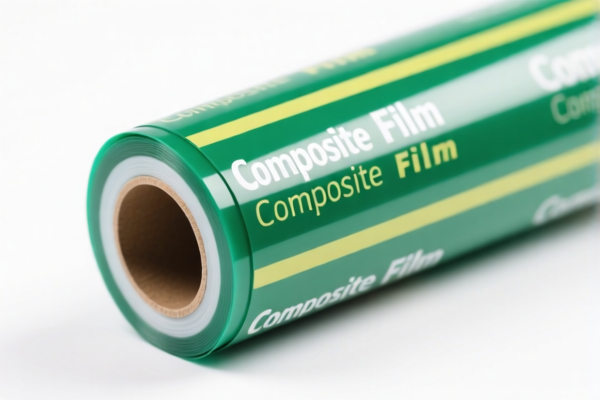
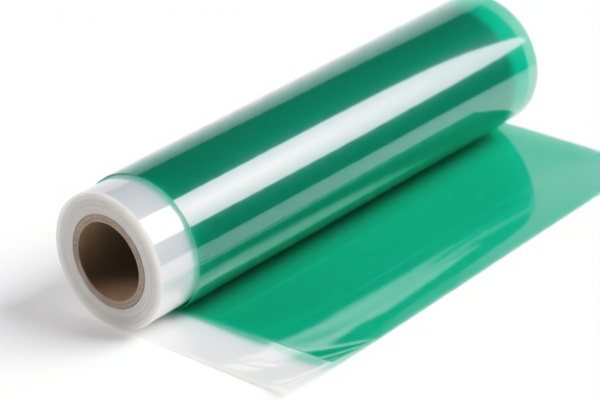
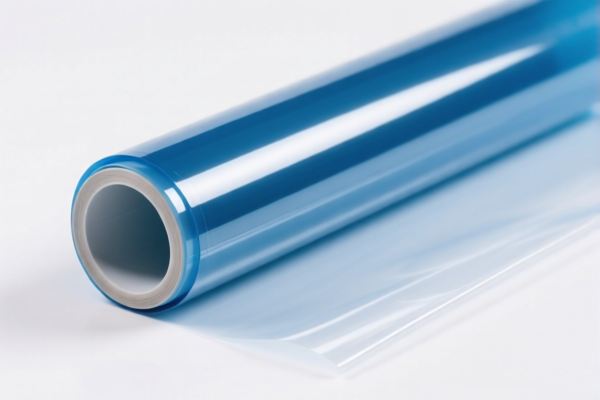
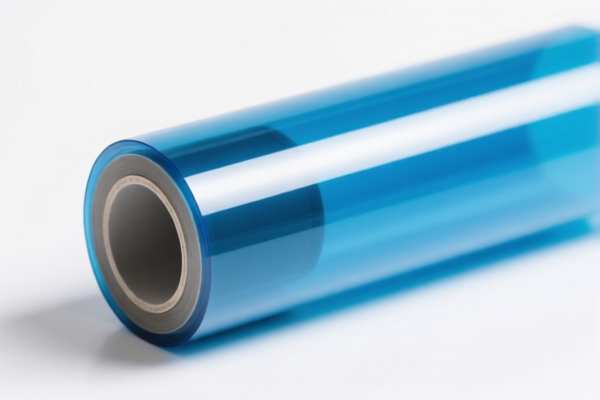
AI Analysis
🎞️ Feature Film Negative Film (摄影用胶片负片)
🌐 HS Code Reference & Customs Clearance Guide | 2026 Updated Tariff Analysis | Professional Clearance Strategy
📌 I. Product Definition & Classification: Understanding "Negative Film"
Feature Film Negative Film refers to unexposed photographic film used in cinema production and professional photography. It captures light reversals (highlights become dark, shadows become light) to create a negative image, which is then chemically processed and optically/digitally converted into positive prints.
In international trade, this product is strictly categorized under Chapter 37 (Photographic or Cinematographic Goods). The specific HS Code depends on the color status, format, and sensitivity of the film.
⚠️ Key Classification Distinction:
- Color Negative Film vs. Black & White: Color films generally attract higher tariffs due to complex chemical layers.
- Exposure Status: Must be explicitly declared as "Unexposed" (未曝光). Once exposed, it is no longer a standard commodity but often treated as waste or cultural artifact, drastically changing its classification.
- Format: "Roll film" (卷装) is the standard definition for negative films intended for developing.
📦 II. HS Code Classification Details (2026 Latest Tariff Authority Mapping)
Based on the provided data, there are four primary HS Codes applicable to Feature Film Negative Films. These codes differentiate based on specific technical characteristics (color, sensitivity, and exact physical form).
| HS Code | Product Description & Summary | Tax Rate Breakdown | Total Duty |
|---|---|---|---|
3702.54.00.60 |
Color Negative Film: Matches characteristics of exposed/unexposed materials; falls under "Other Color Photographic Rolls". | Base: 3.7% Add'l (301): 25.0% Section 122: 10.0% |
38.7% |
3702.96.00.00 |
Negative Roll Film: General unexposed photographic film; negative film in roll form. | Base: 3.7% Add'l (301): 25.0% Section 122: 10.0% |
38.7% |
3705.00.00.00 |
Photographic Plates/Film: Material form matches; intended for photographic use (non-roll/non-standard format). | Base: 0.0% Add'l (301): 25.0% Section 122: 10.0% |
35.0% |
3704.00.00.00 |
Exposure but Undeveloped Film: Material form matches; conforms to exposure but undeveloped photographic use. | Base: 0.0% Add'l (301): 25.0% Section 122: 10.0% |
35.0% |
🔍 Critical Clarification on HS Codes:
- Codes3702.54.00.60&3702.96.00.00: These are the most common for standard color negative rolls. Note that they have a 3.7% Base Tariff, unlike the 0% base of others.
- Codes3705.00.00.00&3704.00.00.00: These apply to specific material forms or undeveloped states with a 0% Base Tariff.
- Why the difference? The 3.7% base on3702codes typically reflects the "color" and "roll" classification in certain national tariffs, while3704/3705may refer to plates or specific undeveloped formats where the base duty is waived, but the Add'l Duties (35%) remain identical.
💰 III. 2026 Latest Tariff Rate Details (Including Add'l Duties)
✅ Applicable Country: United States (US)
✅ Origin: China (CN)
✅ Effective Date: 2025-11-10 onwards (including subsequent imports)
🎯 1. 3702.54.00.60 & 3702.96.00.00 —— Color Negative Rolls
| Item | Detail |
|---|---|
| Base Tariff | 3.7% (Ad Valorem) |
| USITC Add'l Duty (Section 301) | +25.0% (USITC Footnote 9903.88.01) |
| IEEPA Add'l Duty (Section 122) | +10.0% (Against China/HK products, effective Nov 10, 2025) |
| Total Effective Rate | 38.7% |
| Tax Calculation | CIF Value × 38.7% |
| De Minimis Eligibility | ❌ Denied (deny_de_minimis) |
| Legal Basis Path | IEEPA:9903.01.25 → IEEPA:9903.01.24 → USITC:3702.54.00.60 / 3702.96.00.00 → FOOTNOTE:9903.88.01 |
📌 Explanation:
- The 3.7% base is the standard MFN rate for color photographic films.
- The 25% is the standard Section 301 tariff for Chapter 37 goods from China.
- The 10% is the new Section 122 tariff added in late 2025.
- Total 38.7% is extremely high for film stock, impacting cinema productions heavily.
🎯 2. 3705.00.00.00 & 3704.00.00.00 —— Other Photographic Films/Plates
| Item | Detail |
|---|---|
| Base Tariff | 0.0% |
| USITC Add'l Duty (Section 301) | +25.0% |
| IEEPA Add'l Duty (Section 122) | +10.0% |
| Total Effective Rate | 35.0% |
| Tax Calculation | CIF Value × 35.0% |
| De Minimis Eligibility | ❌ Denied (deny_de_minimis) |
| Legal Basis Path | IEEPA:9903.01.25 → IEEPA:9903.01.24 → USITC:3705.00.00.00 / 3704.00.00.00 → FOOTNOTE:9903.88.01 |
📌 Note:
- While the base tariff is lower (0%), the add'l duties bring the total to 35.0%.
- This is 3.7% cheaper than the color roll films (3702codes).
- Use these codes if the film is non-color, plate-based, or specifically categorized under "undeveloped but exposed" characteristics that fit the3704/3705definition.
🛠️ IV. Customs Clearance Practical Advice (Pitfall Avoidance Guide)
✅ 1. Required Documentation Checklist (Mandatory)
| Document | Required? | Description |
|---|---|---|
| ✅ Product Spec Sheet | ✔️ | Must specify: Color/Black & White, Sensitivity (ISO), Format (Roll/Plate), and "Unexposed" status. |
| ✅ Commercial Invoice | ✔️ | Must clearly state: "Photographic Negative Film, Unexposed, For Cinematographic Use". Avoid vague terms like "Media". |
| ✅ Packing List | ✔️ | Detail quantity in meters/rolls. Ensure weight matches. |
| ✅ Origin Certificate | ✔️ | Critical for proving China origin to apply (or dispute) Section 122/301 rates. |
| ✅ Letter of Guarantee | ✔️ | If claiming 3704/3705 (0% base), provide evidence that it is not standard color roll film. |
✅ 2. Declaration Tips (Key Mnemonic)
🔥 “State Unexposed, Define Color, Pick Code Right, Save 3.7%!”
| Scenario | Correct HS Code | Mistake to Avoid |
|---|---|---|
| Standard Color Cinema Roll | 3702.54.00.60 or 3702.96.00.00 |
Do not use 3705 if it’s a standard roll. |
| Black & White Roll / Plate | 3705.00.00.00 or 3704.00.00.00 |
Do not overpay 3.7% base if eligible for 0%. |
| Exposed Film | NOT A COMMODITY | Declaring as "Film" when exposed leads to seizure or wrong code (3704 only if undeveloped). |
| Accessories (Canisters) | Separate Code | Do not bundle canisters into film duty; they may have different rates. |
✅ 3. Special Handling
| Situation | Recommendation |
|---|---|
| High-End Cinema Stock | Provide chemical composition data to prove it fits 3702 vs 3705. Small differences in coating can change codes. |
| Bulk Imports (>10,000 rolls) | Consider applying for HTS Exclusions if available for specific Section 301/122 duties (check USTR quarterly lists). |
| Warehousing in US | Import under Free Trade Zone (FTZ) to defer duties until domestic use or re-export. |
🌍 V. Global Market Comparison (2026 Latest)
| Country/Region | Recommended HS Code | Total Duty (China Origin) | Certifications | Notes |
|---|---|---|---|---|
| 🇺🇸 USA | 3702.54.00.60 / 3705.00.00.00 |
35.0% - 38.7% | None specific | Highest duty due to 301+122. |
| 🇨🇳 China | 3702 / 3705 |
5.0% - 13.0% | RoHS (if applicable) | Lower base, no add'l duties. |
| 🇪🇺 EU | 3702 / 3705 |
0% | CE (if electronic parts) | Standard film is duty-free. |
| 🇬🇧 UK | 3702 / 3705 |
0% | UKCA | Post-Brexit, film remains 0%. |
📌 Conclusion:
- The US market is the most expensive for importing Chinese photographic film due to combined Section 301 (25%) and Section 122 (10%) tariffs.
- Cost Saving Tip: If your product qualifies for3704or3705, you save 3.7% on the base duty compared to3702codes.
📌 VI. Common Errors & Pitfalls (Lessons Learned)
❌ Error 1: Declaring "Photographic Film" without specifying "Unexposed".
👉 Consequence: Customs may suspect used film (hazardous waste) → Seizure or Return.
❌ Error 2: Using 3705 for standard Color Negative Rolls.
👉 Consequence: Classification error. 3705 is for plates/non-roll. If it’s a roll, it must be 3702. Penalty for misclassification.
❌ Error 3: Ignoring Section 122 (10%) in cost calculations.
👉 Consequence: Budget shortfall. Many importers only accounted for 25% (301) but the 10% added in Nov 2025 is now active.
✅ Correct Practice:
"Unexposed Color Negative Film for Cinematography, ISO 500, Roll Format, 35mm, Made in China."
🎯 VII. Conclusion: Precision Classification Saves Money!
🎯 Remember the Formula:
🔹 "Unexposed is Key, Color Adds 3.7%, 35% is Minimum, 38.7% is Max!"
🔹 "Don't mix Rolls with Plates, or you'll pay extra for the wrong code!"
📌 Pro Tip:
- If you are importing large quantities, consult a customs broker to verify if your specific film stock meets the technical definitions for 3704 or 3705 (35% total) rather than 3702 (38.7% total).
- Always declare "Unexposed" prominently in the first line of the invoice.
📣 Immediate Action:
📞 Verify Film Type: Is it Roll or Plate? Color or B&W?
📄 Get Pre-Ruling: Apply for an HTS Pre-Ruling with US Customs if the classification is borderline.
📉 Calculate Landed Cost: Include 35% or 38.7% in your FOB pricing model.
✨ Professional Clearance Starts with Accurate Classification!
💼 Your Profit Margin Depends on Getting the HS Code Right!
Customer Reviews
About HS Code Classification
The Harmonized System (HS) is an internationally standardized nomenclature developed by the World Customs Organization (WCO) to classify traded products. Over 200 countries use the HS system as the basis for customs tariffs, trade statistics, and import/export regulations.
Each HS code follows a hierarchical structure:
- Chapter (2 digits) — Broad category of goods (e.g., Chapter 84: Machinery and Mechanical Appliances)
- Heading (4 digits) — More specific grouping within the chapter
- Subheading (6 digits) — Internationally standardized breakdown, used by all WCO member countries
- National subdivisions (8-10 digits) — Country-specific extensions for further classification, such as US HTSUS 10-digit codes
Correct HS code classification is essential for smooth customs clearance, accurate duty payment, and compliance with trade regulations. Misclassification can lead to customs delays, overpayment of duties, or penalties.
When importing from CN to US, the applicable tariff rates may include:
- Most-Favored-Nation (MFN) rate — The standard duty rate applied to WTO members
- General rate — Applied to countries without trade agreements
- Trade remedy duties — Additional tariffs such as Section 301 (anti-dumping), Section 232 (national security), or countervailing duties
The information provided on this page is for reference purposes only. For official classification, please consult with your local customs authority or a licensed customs broker.