Feature Film Reel
CN → US| HS Code | Tariff Rate | Origin | Destination | Doc |
|---|---|---|---|---|
| 3706106060 | 35.0% | CN | US | Official Doc |
| 3706106030 | 35.0% | CN | US | Official Doc |
| 3702560030 | 35.0% | CN | US | Official Doc |
| 3704000000 | 35.0% | CN | US | Official Doc |
| 3923400010 | 40.3% | CN | US | Official Doc |
Product Images

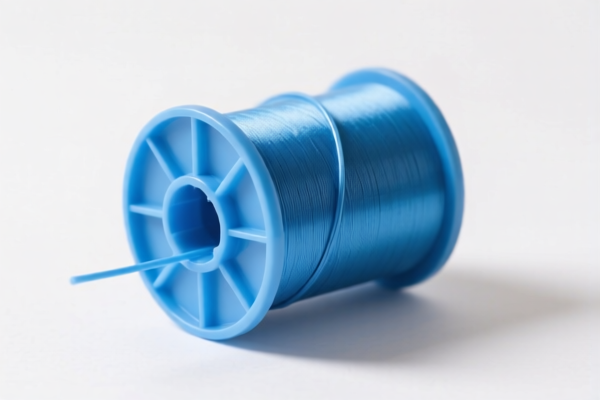
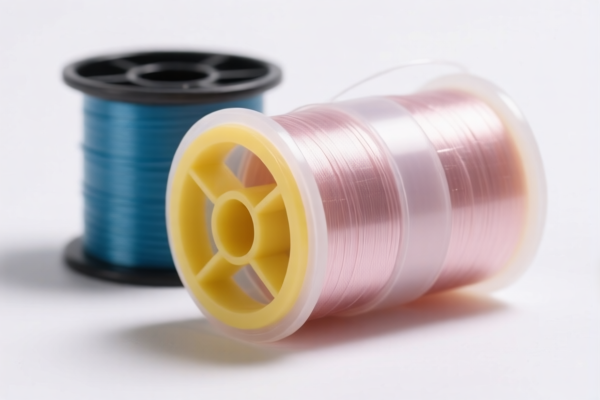
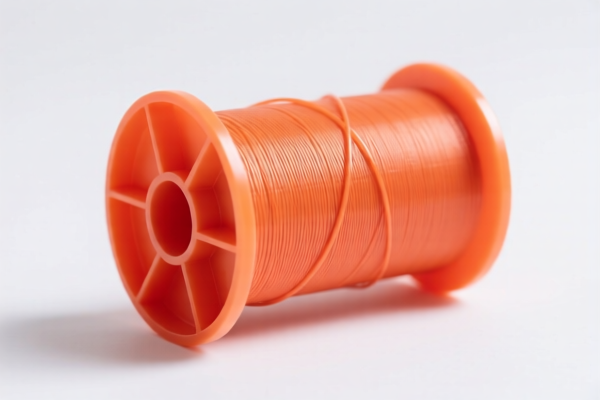
AI Analysis
🎬 Feature Film Reel (35mm/Standard Film Stock)
🌐 HS Code Reference & Customs Clearance Guide | 2026 Latest Tariff Analysis | Professional Clearance Strategy
📌 I. Product Definition & Classification: Do You Really Understand "Feature Film Reel"?
Feature Film Reels represent the physical载体 of cinematic art, consisting of celluloid or plastic-based film strips containing exposed images. In international trade, the classification depends heavily on the state of processing (raw vs. developed) and the specific format (release prints, intermediates, or raw stock).
Key Distinctions:
- Raw/Unexposed Film Stock: Raw materials for cinematography.
- Developed/Printed Reels: Ready-to-screen content (Release Prints) or technical intermediates (Originals, Interpositives).
- Accessories: Spools, cans, and storage containers for film reels.
⚠️ Critical Classification Point:
- If the item is raw, unexposed film stock → It is treated as a chemical product (HS 3702).
- If the item is a developed print or intermediate for distribution → It is treated as a finished photographic good (HS 3706).
- If the item is film stock after exposure but before development (rarely imported as "reels" in commercial context without further processing) → Often falls under HS 3704.
- If the item is merely the plastic spool/canister holding the film → It is a plastic packaging item (HS 3923).
📦 II. HS Code Classification Matrix (2026 Latest Tariff Authority)
| HS Code | Product Description | Applicable Scenario | Status of Film |
|---|---|---|---|
3702.56.00.30 |
Unexposed photographic film in rolls, of a width of >61mm, of a kind used for motion pictures | Raw, Unexposed Film Stock. Imported as raw material for production. | ✅ Raw/Unexposed |
3704.00.00.00 |
Exposed photographic film plates and film, other than product of heading 3702 or 3706 | Exposed but Unprocessed/General Film. Fits broad category of film material. | ⚠️ Exposed/General |
3706.10.60.60 |
Motion picture film, sensitized, exposed, and developed, of a kind used for cinematography, on supports of a kind used for cinematography | Matched by Material & Form. Specific to cinematic film reels. | ✅ Developed/Ready-to-Screen |
3706.10.60.30 |
Motion picture film, sensitized, exposed, and developed... for release prints | Matches Release Print Attributes. Specifically for distribution copies. | ✅ Release Print |
3923.40.00.10 |
Spools, reels and similar forms, of plastic | Plastic Film Reels/Cans. Only for the container, NOT the film itself. | ❌ Container Only |
🔍 Key Reminder:
- Do NOT declare a developed film reel as "plastic spool" (3923.40.00.10). The value is in the film content.
- Do NOT confuse "raw stock" (3702) with "release prints" (3706). The tax logic is similar, but the description must be precise.
💰 III. 2026 Latest Tariff Rate Breakdown (US Import from China)
✅ Applicable Country: United States (US)
✅ Origin: China (CN)
✅ Effective Date: Post-2025 Policies (including Section 301 & IEEPA)
🎯 1. 3702.56.00.30 & 3704.00.00.00 & 3706.10.60.60 & 3706.10.60.30
Category: Photographic/Film Products
| Item | Content |
|---|---|
| Base Duty Rate | 0.0% (Free trade rate for these specific subheadings in many contexts, but subject to surcharges) |
| Section 301 Surcharge (USITC) | +25.0% (List 4A/B items depending on exact subclassification; generally applicable to film products) |
| IEEPA Surcharge (122 Provision) | +10.0% (Targeting specific Chinese industrial/chemical/pharmaceutical/film sectors) |
| Total Tax Rate | 35.0% |
| Tax Calculation | CIF Value × 35% |
| De Minimis Eligibility | ❌ Not Eligible (High value commercial shipments exceed thresholds) |
| Legal Basis Path | USITC:3706.10.60.xx → FOOTNOTE:Section301 → IEEPA:122 |
📌 Explanation:
- The Base Rate is 0%, meaning the core product is not taxed by standard USITC schedules.
- The 25% is the standard Section 301 retaliatory tariff on Chinese goods.
- The 10% is an additional IEEPA (International Emergency Economic Powers Act) surcharge, often applied to specific strategic or chemical-related imports.
- Total Burden: 35%. This is a significant cost driver for film distributors.
🎯 2. 3923.40.00.10
Category: Plastic Spools/Reels (Accessories)
| Item | Content |
|---|---|
| Base Duty Rate | 5.3% |
| Section 301 Surcharge (USITC) | +25.0% |
| IEEPA Surcharge (122 Provision) | +10.0% |
| Total Tax Rate | 40.3% |
| Tax Calculation | CIF Value × 40.3% |
| De Minimis Eligibility | ❌ Not Eligible |
| Legal Basis Path | USITC:3923.40.00.10 → FOOTNOTE:Section301 → IEEPA:122 |
📌 Note:
- This rate applies ONLY if you are importing empty plastic spools/cans separately from the film.
- Warning: Do not use this HS Code for a reel containing film. If declared separately, the empty spool is taxed at 40.3%, which is often inefficient if the spool value is low compared to the tax burden.
🛠️ IV. Customs Clearance Practical Advice (Pitfall Avoidance)
✅ 1. Required Documentation Checklist
| Document | Mandatory? | Description |
|---|---|---|
| ✅ Product Specification Sheet | ✔️ | Must specify: Film gauge (35mm/70mm), material (Cellulose acetate/PET), sensitivity (ISO), and state (Exposed/Unexposed). |
| ✅ Commercial Invoice | ✔️ | Clearly state: "Motion Picture Film Reels, [Exposed/Unexposed], HS Code 3706.10.60.60". |
| ✅ Packing List | ✔️ | Detail number of reels, weight, and dimensions. |
| ✅ Certificate of Origin (CO) | ✔️ | Essential for origin verification for Section 301/IEEPA assessment. |
| ✅ MSDS (Material Safety Data Sheet) | ✔️ | Often required for chemical-based film stocks (3702) due to hazardous material classifications. |
✅ 2. Declaration Strategy (Key Mnemonic)
🔥 "Raw is 3702, Print is 3706, Spool is 3923. Don't mix them, or you pay more!"
| Scenario | Correct Declaration | Consequence of Error |
|---|---|---|
| Raw Film Stock | 3702.56.00.30 |
If misdeclared as finished print, customs may seize for "false description" of chemical content. |
| Release Print | 3706.10.60.30 |
If misdeclared as raw stock, you risk penalties for undervaluing the artistic/content value. |
| Empty Plastic Canister | 3923.40.00.10 |
If declared as film, the 35% tax is applied to a small item value, which is fine, but if declared as film when it's empty, it's fraud. |
| Film + Spool Together | Single HS Code (Film Code) | Never split into two HS codes. The spool is part of the film package. Declaring separately triggers double taxation logic errors. |
✅ 3. Special Handling for Film Reels
| Situation | Handling Advice |
|---|---|
| X-Ray Risk | Film stock is sensitive to airport scanners. Use hand-inspection requests if shipping via air. Label package: "Sensitive Film - Do Not X-Ray". |
| Temperature Control | Store and ship in cool, dry conditions. Humidity affects cellulose acetate film. Provide Temperature Log if required by buyer. |
| Valuation | Ensure the declared value includes the cost of the film stock AND the spool/canister. Do not separate values to avoid audit flags. |
🌍 V. Global Market Comparison (2026 Latest)
| Country/Region | Recommended HS Code | Duty Rate (China Origin) | Certification/Notes |
|---|---|---|---|
| 🇺🇸 USA | 3706.10.60.60 / 3702.56.00.30 |
35% (Total) | IEEPA 10% + Section 301 25%. High cost. |
| 🇨🇳 China | 3706.10.60.60 |
0% - 5% | Standard import duty. No Section 301. |
| 🇪🇺 EU | 3706.10.60.60 |
0% | No additional surcharges for film. CE/RoHS not usually required for film itself. |
| 🇬🇧 UK | 3706.10.60.60 |
0% | Post-Brexit, generally free for film products. |
| 🇯🇵 Japan | 3706.10.60.60 |
0% - 3% | Low duty. High quality standards for film integrity. |
📌 Conclusion:
- The USA is the most expensive market for importing Chinese film reels due to the 35% combined tariff.
- European and Asian markets offer near-zero tariffs, making them more attractive for redistribution or direct sales.
📌 VI. Common Errors & Pitfall Guide (Lessons Learned)
❌ Error 1: Declaring "Film Reels" as "Plastic Containers" (3923.40.00.10)
👉 Consequence: Customs detects film inside. Seizure + Fine + Retroactive 35% tax + Penalty.
❌ Error 2: Using one HS Code for all film types (3706) for raw stock (3702)
👉 Consequence: Customs may flag for "chemical product" misclassification, leading to delays and additional inspections (MSDS checks).
❌ Error 3: Ignoring the IEEPA 10% surcharge in cost calculations
👉 Consequence: Profit margins are wiped out. The 35% total is often underestimated by 10%.
❌ Error 4: Failing to specify "Exposed/Unexposed" in the invoice
👉 Consequence: Ambiguity leads to higher duty assessment or hold for inspection.
✅ Correct Practice:
"35mm Motion Picture Film Reels, Exposure State: Exposed/Print, Chemical Base: Polyester, HS Code 3706.10.60.60, Origin: China. Total CIF Value: $XXX. Tax Rate: 35%."
🎯 VII. Conclusion: Precision in Classification, Profit in Clearance
🎯 Remember the Mantra:
🔹 "Raw is 3702, Print is 3706, Spool is 3923."
🔹 "US Tariff is 35%, EU/Asia is Low. Don't ignore IEEPA!"
🔹 "HS Code defines your cost. Misclassification kills profit."
📌 Pro Tip:
If your film reels are originating from the US, EU, or other non-China origins, you may be exempt from the Section 301 and IEEPA surcharges, reducing the total tax to 0% - 5.3%.
Action: Ensure your Certificate of Origin is flawless for non-China shipments.
📣 Immediate Action:
📞 Consult with a licensed customs broker before shipping.
📄 Verify the exact subheading (3706.10.60.60 vs 3706.10.60.30) based on whether it is a "Release Print" or "General Cinematography Film".
🚀 Optimize your supply chain to mitigate the 35% US tariff burden!
✨ Professional Clearance Starts with Accurate Classification!
💼 Every percentage point of duty impacts your bottom line!
Customer Reviews
About HS Code Classification
The Harmonized System (HS) is an internationally standardized nomenclature developed by the World Customs Organization (WCO) to classify traded products. Over 200 countries use the HS system as the basis for customs tariffs, trade statistics, and import/export regulations.
Each HS code follows a hierarchical structure:
- Chapter (2 digits) — Broad category of goods (e.g., Chapter 84: Machinery and Mechanical Appliances)
- Heading (4 digits) — More specific grouping within the chapter
- Subheading (6 digits) — Internationally standardized breakdown, used by all WCO member countries
- National subdivisions (8-10 digits) — Country-specific extensions for further classification, such as US HTSUS 10-digit codes
Correct HS code classification is essential for smooth customs clearance, accurate duty payment, and compliance with trade regulations. Misclassification can lead to customs delays, overpayment of duties, or penalties.
When importing from CN to US, the applicable tariff rates may include:
- Most-Favored-Nation (MFN) rate — The standard duty rate applied to WTO members
- General rate — Applied to countries without trade agreements
- Trade remedy duties — Additional tariffs such as Section 301 (anti-dumping), Section 232 (national security), or countervailing duties
The information provided on this page is for reference purposes only. For official classification, please consult with your local customs authority or a licensed customs broker.