Feed Preparation Machine
CN → US| HS Code | Tariff Rate | Origin | Destination | Doc |
|---|---|---|---|---|
| 8436100000 | 35.0% | CN | US | Official Doc |
| 8436990035 | 35.0% | CN | US | Official Doc |
| 8437800010 | 35.0% | CN | US | Official Doc |
| 8437800090 | 35.0% | CN | US | Official Doc |
| 8479820040 | 35.0% | CN | US | Official Doc |
| 8479820080 | 35.0% | CN | US | Official Doc |
Product Images
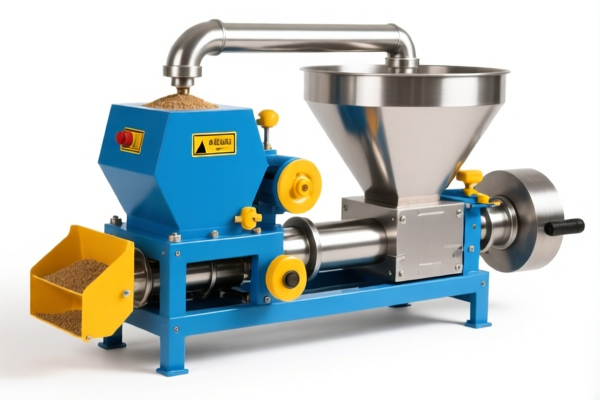
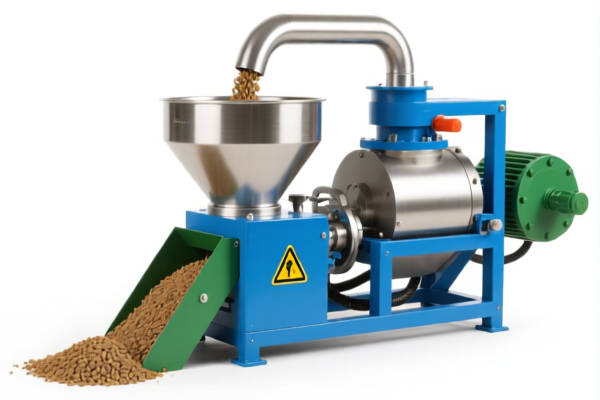
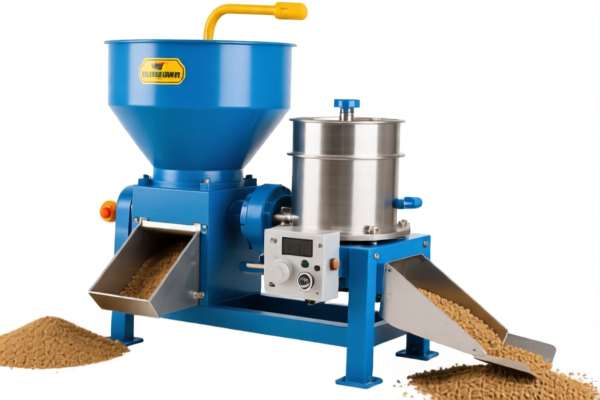
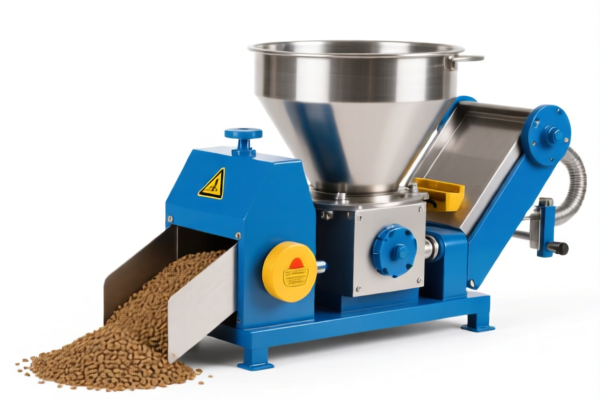
AI Analysis
🚜 Feed Preparation Machinery (Agricultural & Industrial)
🌐 HS Code Reference & Customs Clearance Guide | 2026 Latest Tariff Analysis | Professional通关 Strategy
📌 I. Product Definition & Classification: What is a "Feed Preparation Machine"?
Feed preparation machinery is a broad category covering equipment used to process, mix, grind, clean, or prepare raw materials (grains, legumes, oilseeds) into animal feed or food ingredients. In international trade, these machines are primarily divided into two functional groups:
1. Farm-Agricultural Feed Machinery (Husbandry Use):
Machines specifically designed for on-farm animal feed preparation, including germination plants with mechanical/thermal equipment, poultry incubators, and basic mixing/grinding units for farm use.
→ Primarily classified under Chapter 84.36.
2. Industrial/Processing Feed Machinery (Milling & Processing):
Machines used in mills or processing plants for cleaning, sorting, grading, crushing, grinding, mixing, kneading, or homogenizing cereals, legumes, or dried vegetables. These are heavier-duty, industrial-grade units.
→ Primarily classified under Chapter 84.37 (Milling) and 84.79 (General Mechanical Appliances).
⚠️ Key Distinction Point:
- If the machine is for farm/poultry house use (e.g., small-scale feed mixer, incubator) → 8436
- If the machine is for industrial milling/processing (e.g., flour mill, industrial grinder) → 8437
- If the machine is a general mechanical mixer/kneader not specific to feed milling → 8479
📦 II. HS Code Classification Details (2026 Latest Tariff Authority Reference)
Based on the provided data, here are the precise HS Codes for Feed Preparation Machinery, their descriptions, and applicable tax rates.
| HS Code | Product Description | Application Scenario | Tax Rate (US Import from China) |
|---|---|---|---|
8436.10.00.00 |
Machinery for preparing animal feeds (Other agricultural, horticultural, forestry, poultry-keeping or bee-keeping machinery) | On-farm feed mixers, germination plants, poultry incubators/brooders | 25.0% |
8436.99.00.35 |
Parts: Other of machinery for preparing animal feeds (Under 8436.10) | Spare parts specifically for farm-type feed preparation machinery | 25.0% |
8479.82.00.40 |
Mixing, kneading or stirring machines (Other machines having individual functions; parts thereof) | Industrial-scale feed mixers, kneaders, stirrers (not specific to milling grains) | 25.0% |
8479.82.00.80 |
Other (Mixing, kneading, crushing, grinding, screening, sifting, homogenizing, emulsifying or stirring machines) | General mechanical appliances for feed processing (e.g., homogenizers, emulsifiers) | 25.0% |
8437.80.00.10 |
Other machinery Flour mill and grain mill machines (Machines for cleaning, sorting, grading seed, grain, or legumes; milling machinery) | Industrial flour mills, grain mills, seed cleaning/grading equipment | 25.0% |
8437.80.00.90 |
Other machinery (Under 8437) | Other industrial milling machinery not classified as flour/grain mills (e.g., specialized cereal processors) | 25.0% |
🔍 Critical Note:
- All listed HS Codes in the provided data carry a Total Tax Rate of 25.0% (0% Base + 25% Additional Tariff).
- The distinction between8436(Farm),8437(Milling), and8479(General Mechanical) depends on the specific function and end-use of the machine. Misclassification can lead to customs delays or penalties.
💰 III. 2026 Latest Tariff Rate Breakdown
✅ Applicable Country: United States (US)
✅ Country of Origin: China (CN)
✅ Effective Date: 2025年11月10日起 (Including subsequent imports)
🎯 1. 8436.10.00.00 & 8436.99.00.35 —— Farm-Type Feed Machinery & Parts
| Item | Detail |
|---|---|
| Base Tariff | 0% (ad valorem) |
| Additional Tariff | +25.0% (Section 301 Duties) |
| Total Rate | 25.0% |
| Calculation Basis | CIF Value × 25% |
| De Minimis Exemption | ❌ Not Applicable |
| Legal Basis | Section 301 Tariff List (USITC Footnote) |
📌 Explanation:
- These codes cover agricultural/poultry equipment.
- Although the base tariff is 0%, the 25% additional duty applies due to trade policies affecting Chinese-origin machinery.
- This is a flat 25% tax with no further IEPA surcharge mentioned in the provided data.
🎯 2. 8479.82.00.40 & 8479.82.00.80 —— General Mechanical Feed Mixers/Kneaders
| Item | Detail |
|---|---|
| Base Tariff | 0% |
| Additional Tariff | +25.0% |
| Total Rate | 25.0% |
| Calculation Basis | CIF Value × 25% |
| De Minimis Exemption | ❌ Not Applicable |
| Legal Basis | Section 301 Tariff List |
📌 Explanation:
- These codes apply to mechanical appliances like mixers, kneaders, or homogenizers used in feed production but not specifically classified as "milling" machinery.
- The 25% rate is consistent across these mechanical feed processing tools.
🎯 3. 8437.80.00.10 & 8437.80.00.90 —— Industrial Milling & Grain Processing Machinery
| Item | Detail |
|---|---|
| Base Tariff | 0% |
| Additional Tariff | +25.0% |
| Total Rate | 25.0% |
| Calculation Basis | CIF Value × 25% |
| De Minimis Exemption | ❌ Not Applicable |
| Legal Basis | Section 301 Tariff List |
📌 Explanation:
- These codes are for industrial-scale flour mills, grain mills, and seed cleaning/grading machines.
- Even though these are high-value industrial assets, the 25% additional duty still applies.
- No base tariff reduction is available for these categories under the current data.
🛠️ IV. Customs Clearance Practical Advice (Avoid Pitfalls)
✅ 1. Required Documentation Checklist
| Document | Mandatory | Description |
|---|---|---|
| ✅ Product Specification Sheet | ✔️ | Must include: Machine type, capacity (kg/hr), power rating, voltage, frequency, intended use (farm vs. industrial). |
| ✅ Technical Drawings/Photos | ✔️ | Clear images of nameplate, control panel, and key components (mixers, grinders, screens). |
| ✅ Commercial Invoice | ✔️ | Must clearly state: "Feed Preparation Machinery," model number, and country of origin (China). |
| ✅ Packing List | ✔️ | Detail all parts and accessories. Avoid splitting one machine into multiple shipments to evade scrutiny. |
| ✅ CE/FCC Certification | ✔️ | Proof of safety and electromagnetic compliance for US market. |
| ✅ Statement of End-Use | ✔️ | Declare whether the machine is for on-farm use (8436) or industrial milling (8437) to ensure correct HS Code selection. |
✅ 2. Declaration Strategy (Key Mnemonic)
🔥 "Farm vs. Mill vs. Mix: Code Matters, Tax is Flat!"
| Scenario | Correct HS Code | Incorrect Action | Consequence |
|---|---|---|---|
| On-farm feed mixer | 8436.10.00.00 |
Misclassify as 8437 |
Potential penalty, though rate is same (25%). |
| Industrial grain mill | 8437.80.00.10 |
Misclassify as 8436 |
Customs may flag as misdeclaration. |
| Parts for feed machine | 8436.99.00.35 |
Declare as main machine | Parts rate same, but wrong description causes delay. |
| General industrial mixer | 8479.82.00.40 |
Misclassify as 8436 |
If machine is not for farm use, risk of reclassification. |
📌 Important:
- While all codes in the provided data have the same 25% tax rate, correct classification is critical for regulatory compliance, statistical reporting, and potential future policy changes.
- Do not split a single machine into "machine + parts" to claim lower rates on parts — customs will consolidate and assess the full machine value.
✅ 3. Special Cases
| Situation | Handling Advice |
|---|---|
| OEM Custom Machines | Provide customer design specs and labeling to prove intended use (farm vs. industrial). |
| Multi-Function Machines | If a machine can both grain mill and feed mix, classify based on primary function. If ambiguous, seek an Advance Ruling. |
| Spare Parts | Ensure parts are specific to the machinery. Generic parts may fall under different HS Codes. |
| Used Machinery | Declare as "Used" and provide condition report. US Customs may require additional inspection. |
🌍 V. Global Market Comparison (2026 Latest)
| Country/Region | Recommended HS Code | Tariff (China Origin) | Certification Required | Notes |
|---|---|---|---|---|
| 🇺🇸 USA | 8436.10, 8437.80, 8479.82 |
25.0% | FCC, UL/ETL (if electrical) | Flat 25% on all listed codes. |
| 🇨🇳 China | 8436, 8437, 8479 |
5-13% (Import Duty) | CCC (if applicable) | No Section 301 impact. |
| 🇪🇺 EU | 8436, 8437, 8479 |
0-4.5% | CE, RoHS | Lower base tariffs; no 25% surcharge. |
| 🇯🇵 Japan | 8436, 8437, 8479 |
0-5% | PSE (if electrical) | Competitive rates; no 25% surcharge. |
| 🇦🇺 Australia | 8436, 8437, 8479 |
5% | RCM | No 25% surcharge. |
📌 Conclusion:
- The US market is the only major market with a 25% additional tariff on these feed preparation machines from China.
- For other markets, tariffs are significantly lower (0-13%), making the US a high-cost entry point.
📌 VI. Common Mistakes & Pitfalls (Lessons Learned)
❌ Mistake 1: Declaring an industrial grain mill as "Farm Feed Mixer" (8436 instead of 8437).
👉 Consequence: While tax rate is same, it triggers regulatory scrutiny for misuse of agricultural vs. industrial codes.
❌ Mistake 2: Splitting one machine + parts into separate shipments to declare parts separately.
👉 Consequence: Customs will consolidate and assess full machine value. Risk of penalties for evasion.
❌ Mistake 3: Using vague description like "Food Machine" or "Grinder".
👉 Consequence: Customs cannot determine correct HS Code → Delays, inspections, potential rejection.
❌ Mistake 4: Ignoring electrical certifications (FCC/UL) for machines with motors/control panels.
👉 Consequence: Seizure or return shipment due to non-compliance with US safety standards.
✅ Correct Approach:
"Industrial Grain Mill, Model XYZ, 500kg/hr Capacity, 3-Phase 480V, CE & FCC Certified, Made in China"
🎯 VII. Conclusion: Precise Classification Saves Time & Money
🎯 Remember the Mnemonic:
🔹 "Farm=8436, Mill=8437, Mix=8479, Tax=25% Flat!"
🔹 "Be Specific, Be Accurate, Avoid Delays, Save Costs!"
📌 Pro Tip:
If your machine is multi-functional (e.g., can mill grains AND mix feed), file for an Advance Ruling from US Customs (CBP) before shipment. This provides legal certainty and avoids post-entry audits.
📣 Immediate Action Required:
📞 Contact a licensed customs broker + Provide technical datasheet + Apply for CBP Advance Ruling if uncertain.
🚀 Ensure smooth clearance, avoid 25% surprises, and maximize your profit margin!
✨ Professional clearance starts with accurate classification!
💼 Every dollar counts — don’t let misclassification eat your profits!
Customer Reviews
About HS Code Classification
The Harmonized System (HS) is an internationally standardized nomenclature developed by the World Customs Organization (WCO) to classify traded products. Over 200 countries use the HS system as the basis for customs tariffs, trade statistics, and import/export regulations.
Each HS code follows a hierarchical structure:
- Chapter (2 digits) — Broad category of goods (e.g., Chapter 84: Machinery and Mechanical Appliances)
- Heading (4 digits) — More specific grouping within the chapter
- Subheading (6 digits) — Internationally standardized breakdown, used by all WCO member countries
- National subdivisions (8-10 digits) — Country-specific extensions for further classification, such as US HTSUS 10-digit codes
Correct HS code classification is essential for smooth customs clearance, accurate duty payment, and compliance with trade regulations. Misclassification can lead to customs delays, overpayment of duties, or penalties.
When importing from CN to US, the applicable tariff rates may include:
- Most-Favored-Nation (MFN) rate — The standard duty rate applied to WTO members
- General rate — Applied to countries without trade agreements
- Trade remedy duties — Additional tariffs such as Section 301 (anti-dumping), Section 232 (national security), or countervailing duties
The information provided on this page is for reference purposes only. For official classification, please consult with your local customs authority or a licensed customs broker.