Feeding Machine
CN → US| HS Code | Tariff Rate | Origin | Destination | Doc |
|---|---|---|---|---|
| 3926909989 | 22.8% | CN | US | Official Doc |
| 8509805095 | 14.2% | CN | US | Official Doc |
| 8509805080 | 14.2% | CN | US | Official Doc |
| 8479896500 | 20.3% | CN | US | Official Doc |
| 8479899599 | 87.5% | CN | US | Official Doc |
Product Images
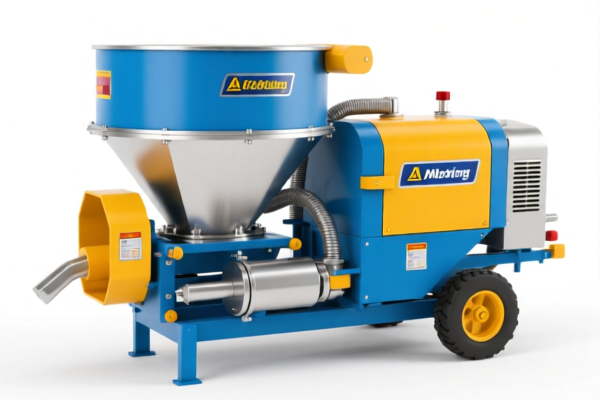
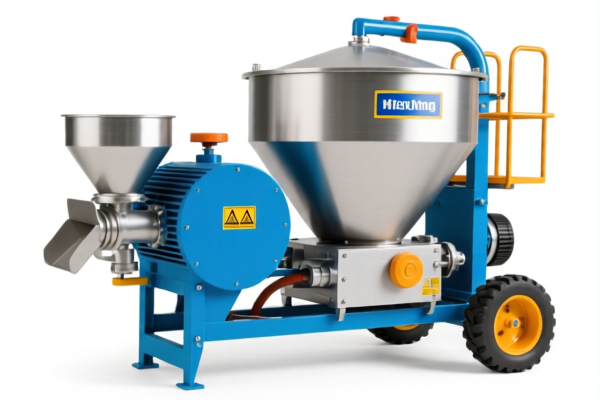
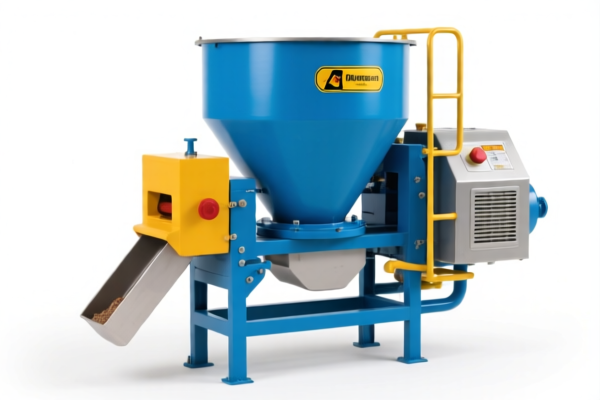
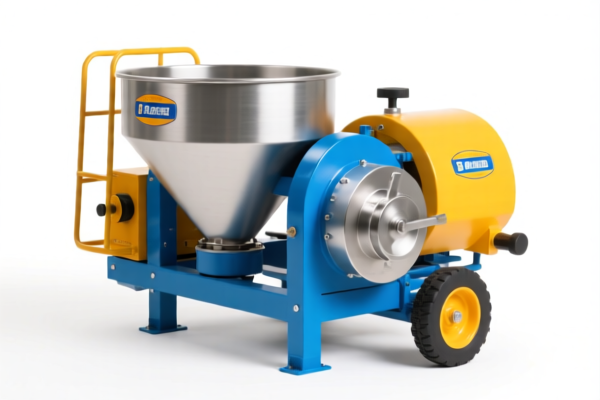
AI Analysis
🐾 Feeding Machine (Automated Pet/Livestock Dispensers)
🌐 HS Code Reference & Clearance Guide | 2026 Latest Tariff Analysis | Professional Customs Strategy
📌 I. Product Definition & Classification: What Exactly is a "Feeding Machine"?
A feeding machine, in the context of international trade, typically refers to automated devices designed to dispense food (pet food, livestock feed, or industrial materials) on a quantitative or timed basis. These devices are characterized by having an integrated motor or power source and a mechanical dispensing mechanism.
In international trade, they are primarily categorized into two distinct groups based on their function and structure:
- Home Appliance Type (Pet Feeders): Small-scale, electrically driven devices for household pets. Often classified under Chapter 85 (Electrical machinery and equipment) if they have self-contained motors.
- Industrial/ Agricultural Machinery Type: Larger or specialized mechanical devices for livestock or industrial raw material handling. Often classified under Chapter 84 (Nuclear reactors, boilers, machinery and mechanical appliances).
⚠️ Key Distinction Point:
- If the device is a standalone household appliance (like a smart cat feeder) with a simple motor and plastic/metal housing → It often falls under 8509 (Domestic electric appliances).
- If the device is a complex mechanical system with specific industrial functions (like a multi-head weigher or a specialized livestock dispenser) or lacks the "domestic appliance" characteristics → It falls under 8479 (Machines and mechanical appliances having individual functions, not specified elsewhere).
📦 II. HS Code Classification Details (Based on Provided Data)
| HS Code | Product Description | Application Scenario | Key Characteristics |
|---|---|---|---|
8509.80.50.95 |
Home appliances with self-contained electric motor, not specifically provided for | Smart pet feeders, small kitchen appliances | Plastic/Metal, Household Use, Motor-driven |
8509.80.50.80 |
Other household appliances with electric motor, not specified elsewhere | Generic electric feeders, non-specific domestic devices | Motor-driven, No specific form conflict |
8479.89.65.00 |
Machines with individual functions, with self-contained electric motor, for dosing or timing food | Specialized pet/livestock feeders, dosing machines | Motor-integrated, Quantitative/Timed Dispensing |
8479.89.95.99 |
Machines with individual functions, not specified elsewhere | General industrial feeding machines, mechanical dispensers | Mechanical Function, No specific material/form conflict |
3926.90.99.89 |
Other plastic articles, finished consumer goods, not specified elsewhere | Passive plastic feeders (no motor), simple containers | No Motor, Plastic Material, Finished Consumer Good |
🔍 Important Note:
- The presence of a self-contained electric motor is the primary differentiator between 8509 (Appliances) and 8479 (Machinery).
- If the product is purely plastic and motorless (e.g., a gravity-fed hopper or a static container), it may be misclassified. If it’s a "finished consumer good" made of plastic, it falls under 3926, but this is rare for active "feeding machines."
- Chapter 84 codes (8479) often attract higher additional tariffs for Chinese-origin goods compared to Chapter 85 (8509) due to specific trade policies.
💰 III. 2026 Latest Tariff Rate Breakdown (Including Surtaxes & Policy Add-ons)
✅ Applicable Country: United States (US)
✅ Origin: China (CN)
✅ Effective Date: Current policies (Section 301 & 122)
🎯 1. 3926.90.99.89 —— Plastic Articles (Finished Consumer Goods)
| Item | Content |
|---|---|
| Base Tariff | 5.3% |
| Section 301 Surtax | 7.5% |
| Section 122 Tariff | 10% |
| Total Tax Rate | 22.8% |
| Tax Calculation | CIF Value × 22.8% |
| De Minimis Exemption | ❌ Not Eligible (Usually denied for Section 301/122 goods) |
| Legal Basis | Standard USITC tariff for plastic articles + Additional trade measures |
📌 Explanation:
- This category applies if the item is a passive plastic device (no motor).
- Total 22.8% is moderate but still significant.
- Risk: Many "smart" feeders are mistaken for this if the motor is omitted in documentation, leading to misclassification penalties.
🎯 2. 8509.80.50.95 & 8509.80.50.80 —— Household Electric Appliances
| Item | Content |
|---|---|
| Base Tariff | 4.2% |
| Section 301 Surtax | 0.0% |
| Section 122 Tariff | 10% |
| Total Tax Rate | 14.2% |
| Tax Calculation | CIF Value × 14.2% |
| De Minimis Exemption | ❌ Not Eligible |
| Legal Basis | USITC Chapter 85 + IEEPA 122 Section (10%) |
📌 Explanation:
- Lowest Base Rate (4.2%) among all options.
- No Section 301 Surtax makes this the most cost-effective classification for motorized household feeders.
- Section 122 Tariff (10%) applies to most consumer goods from China.
- Total 14.2% is significantly lower than machinery codes.
- Eligibility: Must be a household appliance with a self-contained motor.
🎯 3. 8479.89.65.00 —— Machines for Dosing/Timing Food
| Item | Content |
|---|---|
| Base Tariff | 2.8% |
| Section 301 Surtax | 7.5% |
| Section 122 Tariff | 10% |
| Total Tax Rate | 20.3% |
| Tax Calculation | CIF Value × 20.3% |
| De Minimis Exemption | ❌ Not Eligible |
| Legal Basis | USITC Chapter 84 + Section 301 (7.5%) + 122 (10%) |
📌 Explanation:
- Designed for quantitative or timed feeding (e.g., precision livestock or industrial feeders).
- Section 301 Surtax (7.5%) applies here, making it more expensive than household appliances.
- Total 20.3% is competitive but higher than8509codes.
- Key Feature: Must demonstrate specific mechanical function (dosing/timing) beyond simple mixing.
🎯 4. 8479.89.95.99 —— Other Machinery (Catch-All)
| Item | Content |
|---|---|
| Base Tariff | 2.5% |
| Section 301 Surtax | 25.0% |
| Section 122 Tariff | 10% |
| Steel/Aluminum/Copper Surtax | +50% (if applicable materials) |
| Total Tax Rate | 87.5% (or higher) |
| Tax Calculation | CIF Value × 87.5% |
| De Minimis Exemption | ❌ Not Eligible |
| Legal Basis | USITC Chapter 84 (Residual) + Section 301 (25%) + 122 (10%) + Metal Surtax |
📌 Warning:
- This is the "Catch-All" category for machinery not specified elsewhere.
- Section 301 Surtax of 25% is the highest among all options.
- Total 87.5% is prohibitively high for most commercial imports.
- Avoid this classification unless no other specific code applies.
- Additional Risk: If the machine contains steel, aluminum, or copper components, an extra 50% may be added, potentially exceeding 100% total tax.
🛠️ IV. Customs Clearance Practical Advice (Real-World Pitfall Guide)
✅ 1. Documentation Checklist (Essential for Clearance)
| Document | Required | Description |
|---|---|---|
| ✅ Product Specification Sheet | ✔️ | Must clearly state: Motor type, voltage, weight, dimensions, and feeding mechanism (e.g., auger, flap, gravity). |
| ✅ Circuit Diagram/Block Diagram | ✔️ | Crucial to prove motor integration for 8509 or 8479 classification. Without this, customs may default to 3926 (plastic) or 8479.95 (high tax). |
| ✅ Product Photos | ✔️ | Show the device with power cord, control panel, and hopper. Label must show "Electric Motor" or "Powered by AC/DC." |
| ✅ Commercial Invoice | ✔️ | Description should be precise: "Electric Pet Feeder with Timer and Motor" or "Automated Grain Dispensing Machine." Avoid vague terms like "Plastic Feeder." |
| ✅ Origin Certificate (CO) | ✔️ | Required to verify China origin and apply appropriate surtaxes. |
| ✅ User Manual | ✔️ | Helps demonstrate the intended use (household vs. industrial) to support 8509 classification. |
✅ 2. Classification Strategy (Key Mnemonics)
🔥 "Motor in Household? Go 8509 (14.2%). Industrial/Mechanical? Go 8479 (20.3%). No Motor? Go 3926 (22.8%). Generic Machinery? Avoid 8479.95 (87.5%)!"
| Scenario | Recommended HS Code | Tax Rate | Reason |
|---|---|---|---|
| Smart Cat/Dog Feeder (WiFi, Timer, Motor) | 8509.80.50.95 |
14.2% | Household appliance, self-contained motor, no Section 301. |
| Simple Electric Feeder (No WiFi, Basic Timer) | 8509.80.50.80 |
14.2% | Household appliance, motor-driven. |
| Precision Livestock Feeder (Dosing, Timing) | 8479.89.65.00 |
20.3% | Specific mechanical function (dosing), motor-integrated. |
| Plastic Gravity Feeder (No Motor) | 3926.90.99.89 |
22.8% | No motor, plastic consumer good. |
| Generic Mechanical Feeder (Complex, Industrial) | 8479.89.95.99 |
87.5% | AVOID. High Section 301 + potential metal surtax. |
✅ 3. Special Cases & Handling
| Case | Handling Advice |
|---|---|
| OEM Custom Feeders | Provide design specs showing motor integration. If for household use, emphasize 8509. If industrial, justify 8479.65 with dosing specs. |
| Feeders with Metal Parts | If using 8479.95, check for steel/aluminum/copper content. Even small amounts can trigger the 50% metal surtax, pushing tax to >87.5%. Prefer 8509 if possible. |
| Battery-Powered vs. Plug-in | Both can be 8509 if self-contained. Ensure the battery is included in the declaration to prove "self-contained" nature. |
| Software-Defined Function | If the feeder’s main function is software-controlled dosing, still classify under 8479.65 if it’s a machine, or 8509 if it’s a household appliance. The hardware (motor) drives the classification. |
🌍 V. Global Market Comparison (2026 Latest)
| Country/Region | Recommended HS Code | Tariff Rate | Certification | Notes |
|---|---|---|---|---|
| 🇺🇸 USA | 8509.80.50.95 |
14.2% | FCC, UL | Lowest US tariff for motorized feeders. Avoid 8479.95. |
| 🇨🇳 China | 8509.80.50.95 |
~7-10% | CCC | No additional surtaxes for domestic sale. |
| 🇪🇺 EU | 8509.80.50.95 |
~3-4% | CE, RoHS | Low duty if under €150 (de minimis may apply). |
| 🇬🇧 UK | 8509.80.50.95 |
~3-4% | UKCA | Post-Brexit tariffs similar to EU for most goods. |
| 🇯🇵 Japan | 8509.80.50.95 |
~5-8% | PSE | No major surtaxes. |
📌 Conclusion:
- USA is the only market with significant additional tariffs for Chinese goods.
-8509classification is critical for US exporters to minimize costs (14.2% vs. 87.5%).
- Misclassification as8479.95can double or triple costs.
📌 VI. Common Mistakes & Pitfalls (Lessons Learned)
❌ Mistake 1: Classifying a motorized feeder as 3926 (Plastic) to avoid surtaxes.
👉 Consequence: Customs inspection reveals motor → Penalty for misclassification + retroactive tax.
❌ Mistake 2: Using 8479.89.95.99 for a simple electric feeder.
👉 Consequence: 87.5% tax instead of 14.2% → Profit margin destroyed.
❌ Mistake 3: Not declaring the motor in the commercial invoice.
👉 Consequence: Customs assumes no motor → Classifies as 3926 (22.8%) → Overpayment of tax.
❌ Mistake 4: Ignoring the metal surtax on 8479.95.
👉 Consequence: If the feeder has a metal gear or shaft, extra 50% is applied → Total tax >87.5%.
✅ Correct Approach:
"Electric Pet Feeder with Timer, Motor Model XYZ, Plastic/Housing, FCC Certified, Model ABC"
🎯 VII. Conclusion: Precise Classification Saves Millions
🎯 Remember Mnemonic:
🔹 "Motor in Household? 14.2%. Industrial Dosing? 20.3%. No Motor? 22.8%. Generic Machinery? 87.5% (Run!)"
🔹 "HS Code defines life, tax rate defines profit. One step wrong, thousands lost!"
📌 Pro Tip:
If your feeder is exported to the US, always aim for 8509.80.50.95 or 8509.80.50.80.
- Ensure the product is marketed as a household appliance.
- Provide circuit diagrams to prove self-contained motor.
- Avoid industrial terminology (e.g., "conveyor," "hopper system") that might push it to 8479.
📣 Immediate Action:
📞 Contact a licensed customs broker + Provide product photos + Apply for HS Code Pre-Ruling
🚀 Ensure your feeding machine clears smoothly, avoids high tariffs, and maximizes profit!
✨ Professional Customs Clearance Starts with Accurate Classification!
💼 Every percentage point of tax saved is pure profit!
Customer Reviews
About HS Code Classification
The Harmonized System (HS) is an internationally standardized nomenclature developed by the World Customs Organization (WCO) to classify traded products. Over 200 countries use the HS system as the basis for customs tariffs, trade statistics, and import/export regulations.
Each HS code follows a hierarchical structure:
- Chapter (2 digits) — Broad category of goods (e.g., Chapter 84: Machinery and Mechanical Appliances)
- Heading (4 digits) — More specific grouping within the chapter
- Subheading (6 digits) — Internationally standardized breakdown, used by all WCO member countries
- National subdivisions (8-10 digits) — Country-specific extensions for further classification, such as US HTSUS 10-digit codes
Correct HS code classification is essential for smooth customs clearance, accurate duty payment, and compliance with trade regulations. Misclassification can lead to customs delays, overpayment of duties, or penalties.
When importing from CN to US, the applicable tariff rates may include:
- Most-Favored-Nation (MFN) rate — The standard duty rate applied to WTO members
- General rate — Applied to countries without trade agreements
- Trade remedy duties — Additional tariffs such as Section 301 (anti-dumping), Section 232 (national security), or countervailing duties
The information provided on this page is for reference purposes only. For official classification, please consult with your local customs authority or a licensed customs broker.