Felt Makeup Bag
CN → US| HS Code | Tariff Rate | Origin | Destination | Doc |
|---|---|---|---|---|
| 6307909891 | 24.5% | CN | US | Official Doc |
| 5603949090 | 35.0% | CN | US | Official Doc |
| 6307909875 | 24.5% | CN | US | Official Doc |
| 4202999000 | 55.0% | CN | US | Official Doc |
| 4202929700 | 52.6% | CN | US | Official Doc |
Product Images
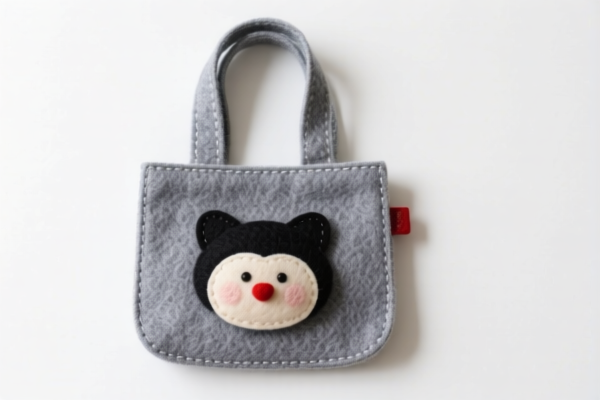
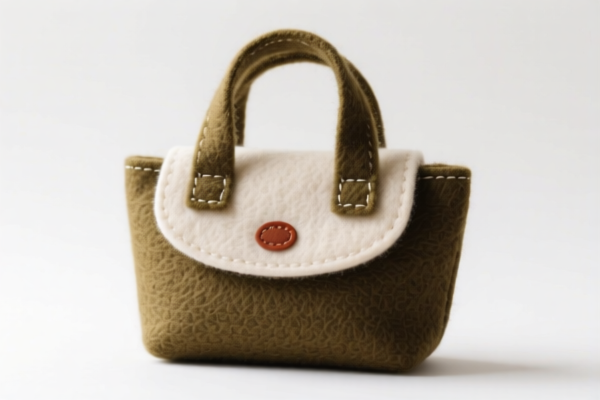
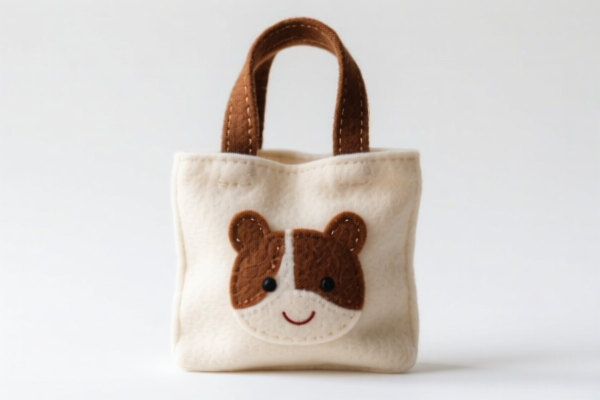
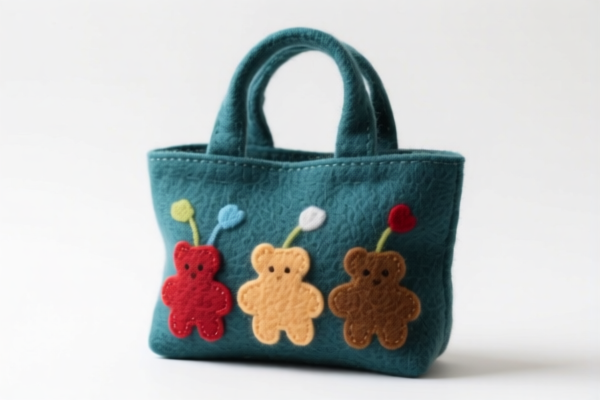
AI Analysis
🎀 Felt Makeup Bag: HS Code Classification & Tariff Breakdown (US Customs 2026)
🌐 HS Code Reference & Clearance Guide | 2026 Latest Tariff Analysis | Professional Compliance Strategy
📌 I. Product Definition: What Exactly is a "Felt Makeup Bag"?
A Felt Makeup Bag is a textile accessory designed to store cosmetics, brushes, and personal care items. In international trade, its classification depends heavily on material composition and product state.
There are two primary ways to classify it: 1. As a Non-Woven Textile Product (Felt): If classified under "Other Made Articles of Textile Materials" (Chapter 63). 2. As a Luggage/Handbag (Container): If classified under "Articles of Luggage, Handbags..." (Chapter 42).
⚠️ Key Distinction Point: - If the bag is made of non-woven fabric (like felt) and considered a "made article," it often falls under Chapter 63. - If it is considered a "container" with specific lining or structure akin to handbags, it may fall under Chapter 42. - Crucially: The material "Felt" (Non-woven) triggers different tariff treatments compared to woven fabrics in Chapter 42.
📦 II. HS Code Classification Matrix (2026 Latest Tariff Data)
| HS Code | Product Description | Material/Feature | Total Tax Rate (US/China) |
|---|---|---|---|
6307.90.98.91 |
Felt Makeup Bag (Other Made Textile Article) | Felt (Non-woven), finished product | 24.5% |
6307.90.98.75 |
Felt Makeup Bag (Other Made Textile Article) | Felt, finished bag | 24.5% |
5603.94.90.90 |
Felt Makeup Bag (Non-woven Fabric Product) | Felt (Non-woven), finished state | 35.0% |
4202.99.90.00 |
Felt Makeup Bag (Luggage/Handbag Type) | Textile Material exterior, container shape | 55.0% |
4202.92.97.00 |
Felt Makeup Bag (Handbag Type) | Textile Material exterior surface | 52.6% |
🔍 Critical Note: - Chapter 63 vs. Chapter 42: The biggest dispute is whether a felt bag is a "textile article" (Ch 63) or a "handbag/luggage" (Ch 42). - Chapter 63 (6307): Generally lower base tariffs (7%). - Chapter 42 (4202): Higher base tariffs (17-20%) because it is classified as "luggage/handbags," which often attracts higher protective duties. - Felt Specifics: Felt is a non-woven fabric. Some customs officials may try to classify it under
5603(Non-woven fabrics) if not deemed a "finished article" properly, leading to35%.
💰 III. Detailed Tariff Breakdown (2026 US Import Duties)
✅ Applicable Country: United States (US)
✅ Origin: China (CN)
✅ Effective Time: Current rates apply as per 2026 trade policies
🎯 1. Chapter 63 Classification: 6307.90.98.91 & 6307.90.98.75
Best Case Scenario for Cost Efficiency
| Item | Details |
|---|---|
| Base Duty Rate | 7.0% (Standard MFN rate for other made textile articles) |
| Section 301 Duty (Add-on) | 7.5% (Specific to this subheading under USITC rulings) |
| IEEPA Section 122 Duty | 10.0% (Targeted Chinese imports) |
| Total Tax Rate | 24.5% |
| De Minimis Exemption? | ❌ No. (Section 301 and IEEPA duties apply even to small parcels if value thresholds are met or if excluded) |
| Legal Basis | 6307.90.98.91 → 301: 7.5% + 122: 10% |
📌 Interpretation:
This is the most common and favorable classification for standard felt makeup bags. It treats the bag as an "other made article of textile materials."
- Why 7.5%? This is a specific Section 301 add-on for certain textile subheadings.
- Why 10%? This is the baseline IEEPA tariff for Chinese goods.
- Total: 24.5% is significantly cheaper than Chapter 42 options.
🎯 2. Chapter 56 Classification: 5603.94.90.90
Risk of Misclassification
| Item | Details |
|---|---|
| Base Duty Rate | 0.0% (Free for many non-woven fabrics/articles) |
| Section 301 Duty (Add-on) | 25.0% (Broad Section 301 rate) |
| IEEPA Section 122 Duty | 10.0% |
| Total Tax Rate | 35.0% |
| Legal Basis | 5603.94.90.90 → 301: 25% + 122: 10% |
📌 Interpretation:
If customs determines the product is primarily a "non-woven fabric article" but not covered under the specific 7.5% subheading of Chapter 63, it falls here.
- Higher Risk: The 25% Section 301 rate is much higher than the 7.5% rate in Chapter 63.
- Why? It may be viewed as a generic non-woven product rather than a finished textile article with specific utility.
🎯 3. Chapter 42 Classification: 4202.99.90.00 & 4202.92.97.00
Highest Cost Scenario (Handbag/Luggage Route)
| Item | Details |
|---|---|
| Base Duty Rate | 17.6% - 20.0% (Standard rate for handbags/luggage of textile materials) |
| Section 301 Duty (Add-on) | 25.0% (Broad Section 301 rate) |
| IEEPA Section 122 Duty | 10.0% |
| Total Tax Rate | 52.6% - 55.0% |
| Legal Basis | 4202.92.97.00 → 301: 25% + 122: 10% + Base: 17.6% |
📌 Interpretation:
This classification treats the felt bag as a handbag or luggage item.
- Why so expensive? Handbags attract higher base duties due to cultural and economic protections.
- Section 301: Applies the full 25% add-on.
- Avoid if possible: Unless the bag has rigid structures, metal hardware, or branding that strongly suggests "luxury handbag" status, do not use this code for simple felt cosmetic bags.
🛠️ IV. Practical Clearance Advice (Avoiding Pitfalls)
✅ 1. Documentation Checklist (Must-Haves)
| Document | Requirement | Purpose |
|---|---|---|
| Product Description | "Felt Cosmetic Bag, Non-woven Fabric, Zipper Closure, No Rigid Structure" | Prevents classification as "Handbag" (Ch 42) |
| Material Composition | "100% Felt (Non-woven Polypropylene/Polyester)" | Confirms Chapter 63 or 56 eligibility |
| Photos | Front, Back, Inside, Label, Zipper Detail | Proves it is a simple bag, not a structured handbag |
| HS Code Pre-Ruling | Highly Recommended | Locks in the 24.5% rate before shipment |
✅ 2. Strategic Classification Tips
🔥 "Felt is Not Handbag: Keep it Simple!"
| Scenario | Recommended HS Code | Reason |
|---|---|---|
| Simple felt bag with zipper | 6307.90.98.91 |
Best rate (24.5%), clearly an "other made textile article" |
| Felt bag with metal frame/structure | 4202.92.97.00 |
Risk of being classified as handbag (52.6%) |
| Bulk non-woven fabric rolls | 5603.94.90.90 |
Not a "finished article," but higher duty (35%) |
| Felt bag with leather trim | 6307.90.98.91 |
Still textile-dominated, but declare trim separately |
✅ 3. Common Mistakes & Penalties
❌ Mistake 1: Using "Handbag" or "Clutch" in the commercial invoice description.
👉 Result: Customs may reclassify to Chapter 42 (55%), leading to back taxes + penalties.
❌ Mistake 2: Failing to specify "Non-woven/Felt" in the description.
👉 Result: Customs may assume woven fabric, leading to incorrect duty calculations or delays.
❌ Mistake 3: Assuming De Minimis (Section 321) exemption applies.
👉 Result: Even under $800, Section 301 and IEEPA duties apply to Chinese goods. Do not rely on de minimis to avoid tariffs.
✅ 4. Special Instructions for Customs Brokers
- Explicitly State: "This product is a cosmetic bag made of felt (non-woven textile), classified under HTSUS 6307.90.98.91 as an other made article of textile materials."
- Attach Photos: Include clear images showing the soft, non-structured nature of the bag.
- Highlight Material: Emphasize "Felt" and "Non-woven" to distinguish from leather or woven textile handbags.
- Avoid "Handbag": Use "Cosmetic Bag," "Makeup Pouch," or "Toiletry Bag" instead of "Handbag" or "Purse."
🌍 V. Global Market Comparison (2026)
| Country | Recommended HS Code | Estimated Duty (China Origin) | Notes |
|---|---|---|---|
| 🇺🇸 USA | 6307.90.98.91 |
24.5% | Best rate; avoid Ch 42 |
| 🇪🇺 EU | 6307.90.98 |
~6.5% + VAT | No Section 301/IEEPA; lower base duty |
| 🇨🇳 China | 6307.90.98 |
7% | Lower base duty; no reciprocal tariffs |
| 🇨🇦 Canada | 6307.90.98 |
10% - 15% | Check CUSMA eligibility if applicable |
📌 Conclusion:
- USA is the most complex market due to Section 301 and IEEPA tariffs.
- Chapter 63 (6307.90.98.91) is the optimal choice for felt makeup bags, offering a 24.5% total duty.
- Chapter 42 (4202.99.90.00) should be avoided unless the product is structurally a handbag, as it incurs 55% duty.
📌 VI. Final Recommendation
✅ Do This:
- Classify under 6307.90.98.91 (24.5% total duty).
- Use clear, descriptive names: "Felt Cosmetic Bag."
- Provide detailed material specs: "Non-woven felt, polyester/polypropylene blend."
❌ Don't Do This:
- Do not classify as 4202.99.90.00 unless legally justified (55% duty).
- Do not rely on de minimis exemptions for Section 301/IEEPA duties.
- Do not use ambiguous terms like "Handbag" or "Purse."
🎯 Pro Tip:
"Felt is Textile, Not Handbag. Choose Chapter 63, Pay 24.5%, Not 55%!"
📞 Action Item:
Submit an Advance Ruling Request to US CBP with product photos and material specs to lock in the 24.5% rate before shipping large volumes.
✨ Professional Clearance, Start with Precise Classification!
💼 Your Bottom Line Depends on Your HS Code!
Customer Reviews
About HS Code Classification
The Harmonized System (HS) is an internationally standardized nomenclature developed by the World Customs Organization (WCO) to classify traded products. Over 200 countries use the HS system as the basis for customs tariffs, trade statistics, and import/export regulations.
Each HS code follows a hierarchical structure:
- Chapter (2 digits) — Broad category of goods (e.g., Chapter 84: Machinery and Mechanical Appliances)
- Heading (4 digits) — More specific grouping within the chapter
- Subheading (6 digits) — Internationally standardized breakdown, used by all WCO member countries
- National subdivisions (8-10 digits) — Country-specific extensions for further classification, such as US HTSUS 10-digit codes
Correct HS code classification is essential for smooth customs clearance, accurate duty payment, and compliance with trade regulations. Misclassification can lead to customs delays, overpayment of duties, or penalties.
When importing from CN to US, the applicable tariff rates may include:
- Most-Favored-Nation (MFN) rate — The standard duty rate applied to WTO members
- General rate — Applied to countries without trade agreements
- Trade remedy duties — Additional tariffs such as Section 301 (anti-dumping), Section 232 (national security), or countervailing duties
The information provided on this page is for reference purposes only. For official classification, please consult with your local customs authority or a licensed customs broker.