Felt Pot Mat
CN → US| HS Code | Tariff Rate | Origin | Destination | Doc |
|---|---|---|---|---|
| 6304996040 | 20.7% | CN | US | Official Doc |
| 5602290000 | 41.3% | CN | US | Official Doc |
| 3926909989 | 22.8% | CN | US | Official Doc |
| 5602909000 | 0.0% | CN | US | Official Doc |
| 6304993500 | 28.8% | CN | US | Official Doc |
Product Images
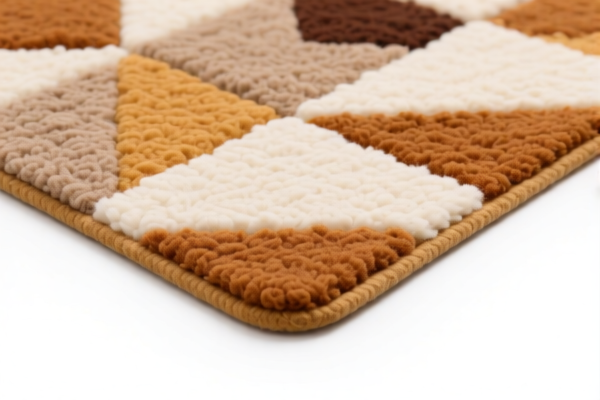
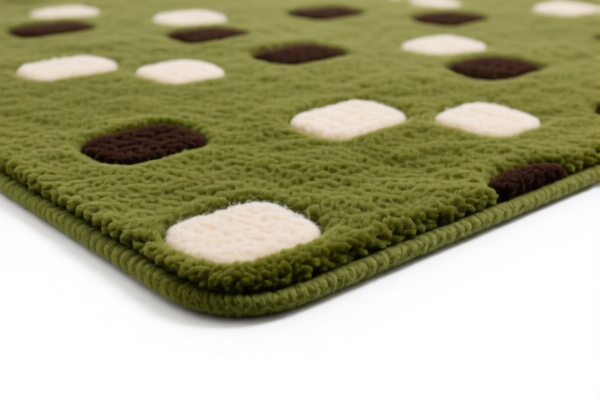
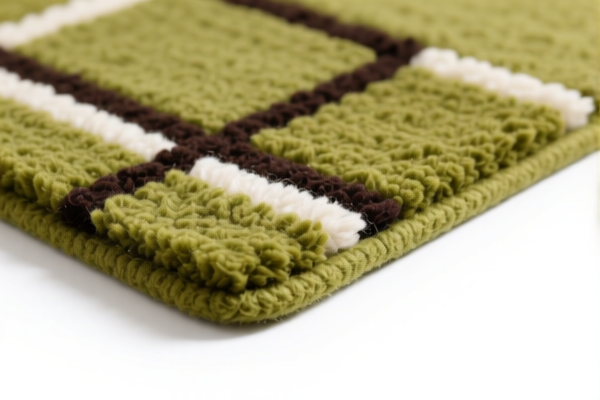
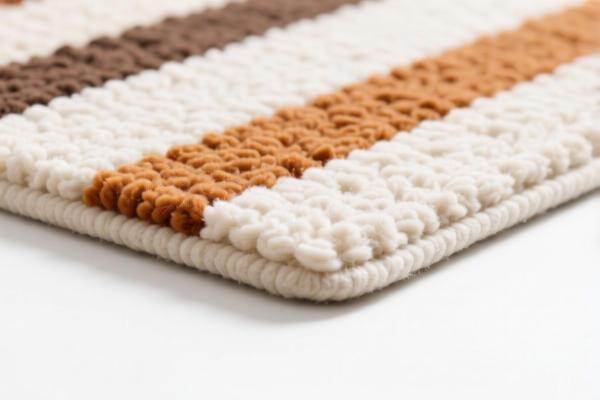
AI Analysis
🍳 Felt Pot Mat (Trivets & Heat Insulators)
🌐 HS Code Reference & Customs Clearance Guide | 2026 Latest Tariff Analysis | Professional Strategy
📌 One, Product Definition & Classification: Do You Really Understand "Felt Pot Mats"?
A Felt Pot Mat is a kitchen accessory designed to protect table surfaces from heat damage caused by hot pots, pans, or cookware. In international trade, its classification depends heavily on material composition and specific use, leading to significantly different tariff outcomes.
The core debate lies in whether it is classified as a Household Textile (Household Textile) or a Felted Textile Article (Specifically processed felt).
⚠️ Key Distinction Point:
- If viewed as a general household textile item (like a placemat or decorative mat) →归入 6304.99.60.40
- If viewed strictly as a specific type of felted product regardless of household use → 归入 5602.29.00.00 or 5602.90.90.00
- If misinterpreted as a synthetic/plastic-based item → 归入 3926.90.99.89
📦 Two, HS Code Classification Details (2026 Latest Authoritative Comparison)
| HS Code | Product Description | Applicability | Total Tax Rate (US Import from CN) |
|---|---|---|---|
6304.99.60.40 |
Other furnishing articles, non-knitted/non-crocheted | Household textiles, general felt mats for home use | 20.7% |
5602.29.00.00 |
Felt, other than strip felt, of synthetic fibers, not impregnated/coated | Specific felt manufacturing category | 41.3% |
3926.90.99.89 |
Other articles of plastics and articles of other materials of heading 3901 to 3914 | Misclassification as synthetic/plastic | 22.8% |
5602.90.90.00 |
Felt and needleloom products, other | Other felt products, specific use | 52.9¢/kg + 8% + 35.0% |
6304.99.35.00 |
Other furnishing articles, non-knitted/non-crocheted | Plant-fiber based textiles (Less common for synthetic felt) | 28.8% |
🔍 Key Reminder:
- 6304.99.60.40 is often the most competitive option for general household felt mats if classified as a "furnishing article." - 5602.29.00.00 attracts a much higher tax due to the "Section 301" Additional Tariff (25%). - 3926.90.99.89 is a "catch-all" for plastics; using this for felt may lead to customs disputes unless the material is predominantly plastic-based synthetic fibers explicitly defined as such in customs rulings.
💰 Three, 2026 Latest Tariff Rate Breakdown (Including Additional Taxes & Policy Surcharges)
✅ Applicable Country: United States (US)
✅ Origin: China (CN)
✅ Effective Time: November 10, 2025 onwards (including subsequent imports)
🎯 1. 6304.99.60.40 —— Household Textile Furnishing Articles
| Item | Content |
|---|---|
| Base Tariff | 3.2% |
| Section 301 Additional Tariff | +7.5% |
| Section 122 Tariff | +10% |
| Total Tax Rate | 20.7% |
| Tax Calculation | CIF Value × 20.7% |
| De Minimis Exemption? | ❌ No (Deny De Minimis) |
| Legal Basis Path | Base:6304.99.60.40 → Sec301:7.5% → Sec122:10% |
📌 Explanation:
- This is the lowest tax burden among the options provided. - It treats the pot mat as a general home furnishing textile. - Crucial: You must ensure the product description emphasizes "Household Use" and "Textile Nature."
🎯 2. 5602.29.00.00 —— Felt of Synthetic Fibers
| Item | Content |
|---|---|
| Base Tariff | 6.3% |
| Section 301 Additional Tariff | +25.0% |
| Section 122 Tariff | +10% |
| Total Tax Rate | 41.3% |
| Tax Calculation | CIF Value × 41.3% |
| De Minimis Exemption? | ❌ No (Deny De Minimis) |
| Legal Basis Path | Base:5602.29.00.00 → Sec301:25.0% → Sec122:10% |
📌 Attention:
- The 25% Section 301 tariff drastically increases costs. - This classification views the product purely as a textile material (felt) rather than a finished household good. - Avoid this unless you have a specific strategic reason.
🎯 3. 3926.90.99.89 —— Other Plastic/Artificial Material Articles
| Item | Content |
|---|---|
| Base Tariff | 5.3% |
| Section 301 Additional Tariff | +7.5% |
| Section 122 Tariff | +10% |
| Total Tax Rate | 22.8% |
| Tax Calculation | CIF Value × 22.8% |
| De Minimis Exemption? | ❌ No (Deny De Minimis) |
| Legal Basis Path | Base:3926.90.99.89 → Sec301:7.5% → Sec122:10% |
📌 Note:
- While the tax is low, classification risk is high. - Felt is generally considered a textile (Chapter 56), not a plastic (Chapter 39), unless it is a plastic composite. Misclassification can lead to customs audits, penalties, or shipment delays.
🎯 4. 5602.90.90.00 —— Other Felt Products
| Item | Content |
|---|---|
| Base Tariff | 52.9¢/kg + 8% |
| Section 301 Additional Tariff | +25.0% |
| Section 122 Tariff | +10% |
| Total Tax Rate | 52.9¢/kg + 8% + 35.0% |
| Tax Calculation | Weight-based + Ad Valorem |
| De Minimis Exemption? | ❌ No (Deny De Minimis) |
| Legal Basis Path | Base:5602.90.90.00 → Sec301:25.0% → Sec122:10% |
📌 Warning:
- This is a mixed tariff (Specific Duty + Ad Valorem). - The 25% Section 301 makes this the most expensive option for high-value goods. - Only use if the product is a specific industrial felt not covered under household textiles.
🎯 5. 6304.99.35.00 —— Non-Knitted Furnishing Articles (Plant Fiber)
| Item | Content |
|---|---|
| Base Tariff | 11.3% |
| Section 301 Additional Tariff | +7.5% |
| Section 122 Tariff | +10% |
| Total Tax Rate | 28.8% |
| Tax Calculation | CIF Value × 28.8% |
| De Minimis Exemption? | ❌ No (Deny De Minimis) |
| Legal Basis Path | Base:6304.99.35.00 → Sec301:7.5% → Sec122:10% |
📌 Note:
- This applies only if the felt is made from plant fibers (e.g., wool or specific botanicals). - Most commercial felt pot mats are synthetic (polyester/nylon), so this code is likely incorrect.
🛠️ Four, Customs Clearance Practical Advice (Real-World Pitfall Guide)
✅ 1. Documentation Checklist (Missing Any Will Cause Delays)
| Document | Required | Explanation |
|---|---|---|
| ✅ Product Specifications | ✔️ | Material composition (e.g., 100% Polyester Felt), dimensions, thickness |
| ✅ Material Test Report | ✔️ | Proof of fiber content (Textile vs. Plastic) |
| ✅ Product Photos | ✔️ | Clear images showing the item is a mat/trivet, not raw felt |
| ✅ Commercial Invoice | ✔️ | Accurate description: "Felt Pot Mat for Household Use" |
| ✅ Packing List | ✔️ | Weight and quantity details |
| ✅ Certificate of Origin | ✔️ | If applicable for preferential treatment (though unlikely for China-US) |
✅ 2. Declaration Tips (Key Mantras)
🔥 "Household Use, Textile Nature, Avoid Plastic Mislabel!"
| Scenario | Correct Declaration | Wrong Practice |
|---|---|---|
| Synthetic Felt Mat | 6304.99.60.40 (Household Textile) |
Report as 3926... (Plastic) → Audit Risk |
| Raw Felt Sheets | 5602.29.00.00 (Felt Product) |
Report as 6304... (Finished Good) → Misclassification |
| Wool/Pure Plant Fiber Mat | 6304.99.35.00 |
Use synthetic fiber data for wool product → Discrepancy |
| Industrial Felt | 5602.90.90.00 |
Report as household item → Denial |
✅ 3. Special Case Handling
| Scenario | Handling Advice |
|---|---|
| OEM Custom Felt Mats | Provide design specs proving household use (e.g., heat resistance, decorative design) |
| Mixed Material Mats | If felt is bonded with rubber/plastic, customs may lean towards Chapter 39 or 59. Be prepared for debate. |
| Small Value Shipments | Remember, De Minimis ($800) is DENIED for China-origin goods subject to Section 301/122. All shipments are taxable. |
| Pre-Ruling Application | If unsure, apply for an Advance Ruling from CBP to lock in the HS Code and avoid post-clearance penalties. |
🌍 Five, Global Market Clearance Comparison (2026 Latest)
| Country/Region | Recommended HS Code | Tariff (Approx.) | Certification | Notes |
|---|---|---|---|---|
| 🇺🇸 USA | 6304.99.60.40 |
20.7% | None specific | Lowest tax, best for household mats |
| 🇨🇳 China | 6304.99.60.40 |
~3-5% | None | Low domestic tax |
| 🇪🇺 EU | 6304.99 |
Varies (often 0-4%) | REACH | No Section 301 equivalent |
| 🇬🇧 UK | 6304.99 |
~4-6% | UKCA | Post-Brexit rules apply |
| 🇦🇺 Australia | 6304.99 |
~5% | N/A | Standard textile duties |
📌 Conclusion:
- USA is the most complex market due to layered tariffs (Base + 301 + 122). - China-origin goods face significant penalties if misclassified. - Strategic Choice: Aim for6304.99.60.40to minimize costs.
📌 Six, Common Mistakes & Pitfall Guide (Lessons Learned)
❌ Mistake 1: Classifying a Finished Felt Mat as Raw Felt (5602...)
👉 Consequence: Tax jumps from 20.7% to 41.3% or more.
❌ Mistake 2: Calling it a "Plastic Mat" when it's Felt (3926...)
👉 Consequence: Customs audit, potential fine for misdeclaration, even if tax is similar.
❌ Mistake 3: Assuming De Minimis ($800) applies
👉 Consequence: All shipments are taxed. No exemption for China-origin goods under current Section 301/122 rules.
❌ Mistake 4: Vague Description "Kitchen Mat"
👉 Consequence: Customs may assign the highest possible duty or request additional info, causing delays.
✅ Correct Approach:
"Household Felt Pot Mat, 100% Polyester, Heat Resistant, Non-Knitted, For Table Protection"
🎯 Seven, Conclusion: Professional Declaration Saves Money!
🎯 Remember the Mantra:
🔹 "Household Textile, 20.7% Win. Raw Felt, 41% Pin. Plastic Trap, Audit Happen!"
🔹 "HS Code is Life, 20% vs 40% is Huge. Declare Accurately, Avoid the Luge."
📌 Pro Tip:
If your felt mat is made from natural wool, consider 6304.99.35.00 (28.8%), but for synthetic felt, 6304.99.60.40 (20.7%) is the optimal choice.
Always verify material composition with your supplier before shipment.
📣 Immediate Action:
📞 Consult a licensed customs broker + Provide Material Test Report + Apply for Advance Ruling if volume is high
🚀 Ensure your products pass through smoothly, legally, and profitably!
✨ Professional Customs Clearance Starts with Accurate Classification!
💼 Every Percent of Tax You Save is Pure Profit!
Customer Reviews
About HS Code Classification
The Harmonized System (HS) is an internationally standardized nomenclature developed by the World Customs Organization (WCO) to classify traded products. Over 200 countries use the HS system as the basis for customs tariffs, trade statistics, and import/export regulations.
Each HS code follows a hierarchical structure:
- Chapter (2 digits) — Broad category of goods (e.g., Chapter 84: Machinery and Mechanical Appliances)
- Heading (4 digits) — More specific grouping within the chapter
- Subheading (6 digits) — Internationally standardized breakdown, used by all WCO member countries
- National subdivisions (8-10 digits) — Country-specific extensions for further classification, such as US HTSUS 10-digit codes
Correct HS code classification is essential for smooth customs clearance, accurate duty payment, and compliance with trade regulations. Misclassification can lead to customs delays, overpayment of duties, or penalties.
When importing from CN to US, the applicable tariff rates may include:
- Most-Favored-Nation (MFN) rate — The standard duty rate applied to WTO members
- General rate — Applied to countries without trade agreements
- Trade remedy duties — Additional tariffs such as Section 301 (anti-dumping), Section 232 (national security), or countervailing duties
The information provided on this page is for reference purposes only. For official classification, please consult with your local customs authority or a licensed customs broker.