Felt Storage Box
CN → US| HS Code | Tariff Rate | Origin | Destination | Doc |
|---|---|---|---|---|
| 4202929700 | 52.6% | CN | US | Official Doc |
| 6307909875 | 24.5% | CN | US | Official Doc |
| 4202999000 | 55.0% | CN | US | Official Doc |
| 6307909891 | 24.5% | CN | US | Official Doc |
| 5603949090 | 35.0% | CN | US | Official Doc |
Product Images
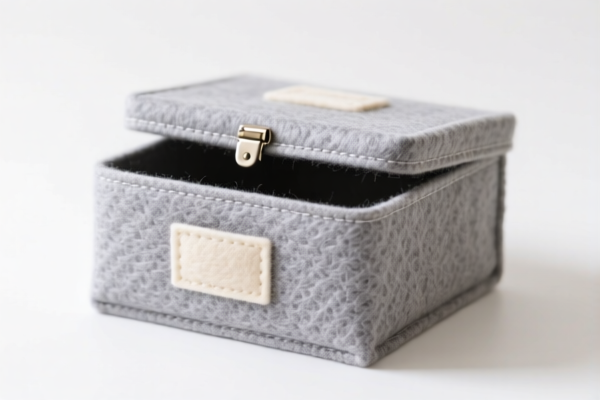
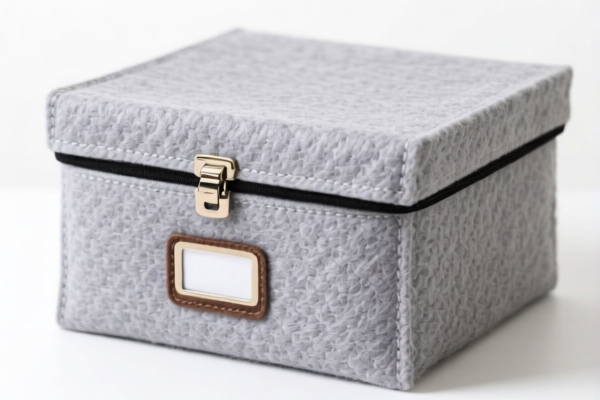
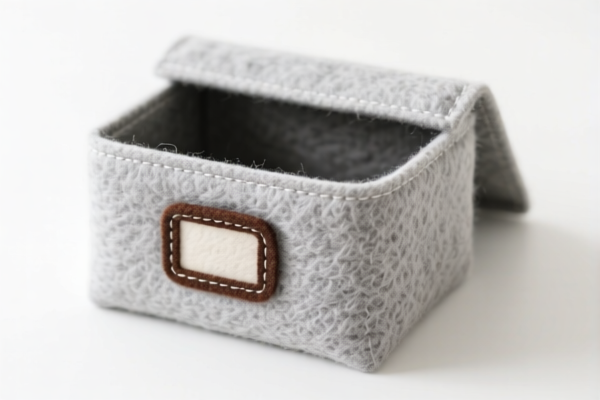
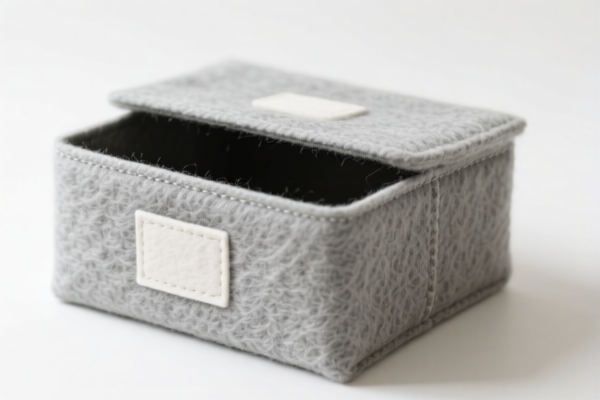
AI Analysis
📦 Felt Storage Box: HS Code Classification & Customs Clearance Strategy
🌐 HS Code Reference & Customs Guide | 2026 Latest Tariff Analysis | Professional Clearance Strategy
📌 I. Product Definition & Classification: What Exactly is a "Felt Storage Box"?
A "Felt Storage Box" is a versatile container used for organizing items (clothes, toys, stationery, etc.). In international trade, its classification depends heavily on the material composition and functional definition. It can fall under: 1. Containers/Boxes: Classified as articles of a kind normally carried in the pocket or handbag (Chapter 42). 2. Textile Articles: Classified as other made-up textile articles (Chapter 63). 3. Non-woven Fabrics: If classified based on the raw material property rather than the end-use item (Chapter 56).
⚠️ Key Distinction Point:
- If viewed as a "pocket-sized container" (even if large) made of textile materials → Chapter 42.
- If viewed as a "general textile article" without specific container function → Chapter 63.
- If viewed strictly as a "non-woven fabric product" without container classification → Chapter 56.
📦 II. HS Code Classification Details (2026 Latest Tariff Authoritative Comparison)
| HS Code | Product Description | Application Scenario | Classification Logic |
|---|---|---|---|
4202.92.97.00 |
Felt storage bag/box, shape: container, material: textile | General storage bags, soft-sided boxes | ✅ Viewed as a Container (Textile material) |
6307.90.98.75 |
Felt storage bag/box, shape: made-up article, material: felt, fits "other made-up articles" | General felt products not specified elsewhere | ✅ Viewed as a General Textile Article |
4202.99.90.00 |
Felt storage bag/box, shape: storage bag, material: felt, fits textile category | Broad storage items, generic textile containers | ✅ Viewed as a General Container (Textile) |
6307.90.98.91 |
Felt storage bag/box, shape: made-up article, material: felt, fits "catch-all" for other made-up articles | Felt items with no specific heading | ✅ Viewed as a Catch-all Textile Article |
5603.94.90.90 |
Felt storage bag/box, shape: finished product, material: felt, fits non-woven fabric attribute | Classified by raw material (non-woven) rather than function | ✅ Viewed by Raw Material (Non-woven) |
🔍 Key Reminder:
- Chapter 42 (Containers) generally has higher tariffs due to "301 Tariffs" and "Section 122 Tariffs" combined. - Chapter 63 (Other Textile Articles) generally has lower base tariffs, leading to a significantly lower total tax burden. - Chapter 56 (Non-wovens) has 0% base tariff, but still suffers from high additive tariffs.
💰 III. 2026 Latest Tariff Rate Breakdown (Including Surtaxes & Policy Add-ons)
✅ Applicable Country: USA (US)
✅ Origin: China (CN)
✅ Effective Date: Current tariffs apply based on 301/122 clauses
🎯 1. 4202.92.97.00 —— Felt Storage Bag (Container, Textile Material)
| Item | Content |
|---|---|
| Base Tariff | 17.6% |
| Surtax (301/Trade) | 25.0% |
| Section 122 Tariff | 10% |
| Total Tax Rate | 52.6% |
| Tax Calculation | CIF Value × 52.6% |
| De Minimis Exemption | ❌ Not Eligible (High value threshold exceeded) |
| Legal Basis Path | HTSUS:4202.92.97 → Surtax:25% → Sec122:10% |
📌 Explanation:
- This classification treats the felt box as a bag/container. - The 52.6% rate is extremely high, eroding profit margins significantly. - Risk: High scrutiny on "container" definition; if customs deems it a "textile article" instead, you might be able to argue for a lower rate (see below).
🎯 2. 6307.90.98.75 —— Felt Storage Bag (Other Made-up Article)
| Item | Content |
|---|---|
| Base Tariff | 7.0% |
| Surtax (301/Trade) | 7.5% |
| Section 122 Tariff | 10% |
| Total Tax Rate | 24.5% |
| Tax Calculation | CIF Value × 24.5% |
| De Minimis Exemption | ❌ Not Eligible |
| Legal Basis Path | HTSUS:6307.90.98.75 → Surtax:7.5% → Sec122:10% |
📌 Note:
- This is the most cost-effective classification for felt storage boxes. - It classifies the item as a "other made-up textile article" rather than a dedicated "bag/container." - Savings: 28.1% less tax compared to4202.92.97.00!
🎯 3. 4202.99.90.00 —— Felt Storage Bag (General Container)
| Item | Content |
|---|---|
| Base Tariff | 20.0% |
| Surtax (301/Trade) | 25.0% |
| Section 122 Tariff | 10% |
| Total Tax Rate | 55.0% |
| Tax Calculation | CIF Value × 55.0% |
| De Minimis Exemption | ❌ Not Eligible |
| Legal Basis Path | HTSUS:4202.99.90 → Surtax:25% → Sec122:10% |
📌 Warning:
- This is the highest tariff among the options. - Avoid this code unless the product is definitively a "handbag" or "suitcase" type container. Standard storage boxes should not use this.
🎯 4. 6307.90.98.91 —— Felt Storage Bag (Other Made-up Article, Catch-all)
| Item | Content |
|---|---|
| Base Tariff | 7.0% |
| Surtax (301/Trade) | 7.5% |
| Section 122 Tariff | 10% |
| Total Tax Rate | 24.5% |
| Tax Calculation | CIF Value × 24.5% |
| De Minimis Exemption | ❌ Not Eligible |
| Legal Basis Path | HTSUS:6307.90.98.91 → Surtax:7.5% → Sec122:10% |
📌 Note:
- Identical tax rate to6307.90.98.75. - Use this if98.75is not applicable for your specific felt type (e.g., different density or blend), but it is still a "made-up article."
🎯 5. 5603.94.90.90 —— Felt Storage Bag (Non-woven Fabric)
| Item | Content |
|---|---|
| Base Tariff | 0.0% |
| Surtax (301/Trade) | 25.0% |
| Section 122 Tariff | 10% |
| Total Tax Rate | 35.0% |
| Tax Calculation | CIF Value × 35.0% |
| De Minimis Exemption | ❌ Not Eligible |
| Legal Basis Path | HTSUS:5603.94.90.90 → Surtax:25% → Sec122:10% |
📌 Warning:
- Although the base tariff is 0%, the 25% surtax pushes the total to 35%. - This is more expensive than the6307category (24.5%). - Only use if customs forces a "non-woven fabric" classification, but be aware it's not the optimal choice.
🛠️ IV. Customs Clearance Practical Advice (Real-World Pitfall Guide)
✅ 1. Document Checklist (All Required)
| Document | Mandatory | Description |
|---|---|---|
| ✅ Product Specification | ✔️ | Material: 100% Felt/Non-woven; Dimensions; Weight |
| ✅ Product Photos | ✔️ | Clear images showing the box structure, handles (if any), and interior |
| ✅ Commercial Invoice | ✔️ | Description: "Felt Storage Box" or "Textile Storage Container" |
| ✅ Packing List | ✔️ | Net/Gross Weight, Dimensions, Quantity |
| ✅ Material Declaration | ✔️ | Confirm if it is "Non-woven" or "Woven Felt" |
✅ 2. Declaration Strategy (Key Mantra)
🔥 “Box not Bag, Textile not Container!”
| Scenario | Correct Declaration | Incorrect Practice |
|---|---|---|
| Generic Felt Box (No rigid structure) | HS 6307.90.98.75 or 6307.90.98.91 | ❌ Declare as 4202 (Bag) → 52.6% Tax |
| Felt Box with Rigid Frame/Handles | HS 4202.92.97.00 | ❌ Declare as 6307 → Risk of misclassification penalty |
| Non-woven Fabric Roll/Cut Piece | HS 5603.94.90.90 | ❌ Declare as 6307 → If not made-up, rejection |
📌 Critical Tip:
- Emphasize "Textile Article" and "Made-up" in the description. - Avoid words like "Bag," "Suitcase," or "Container" in the primary English description if possible, to steer customs toward Chapter 63. - Use "Storage Box" or "Organizer" instead of "Handbag" or "Carrier."
✅ 3. Special Cases Handling
| Case | Handling Advice |
|---|---|
| Felt with Plastic Lining | Still falls under 6307 if textile is the essential character, but provide material breakdown. |
| Custom Printed Design | No change in HS code, but ensure designs don't infringe on IP (customs may inspect). |
| Sets (Box + Liner) | If sold as a set, classify according to the essential character (usually the felt box). |
| OEM Orders | Provide PO and design specs to prove it's a "made-up article" not a generic container. |
🌍 V. Global Market Comparison (2026 Latest)
| Country/Region | Recommended HS Code | Tariff Rate | Certification Required | Notes |
|---|---|---|---|---|
| 🇺🇸 USA | 6307.90.98.75 |
24.5% | None | Best Rate! Avoid 4202 (52.6%) |
| 🇺🇸 USA | 4202.92.97.00 |
52.6% | None | High cost, only if strictly "Bag" |
| 🇨🇳 China | 6307.90.98.75 |
7% + 7.5% + 10% | CCC (if applicable) | Similar structure to US but domestic |
| 🇪🇺 EU | 6307.90.98.75 |
~5-7% | CE/RoHS (if plastic parts) | No 301/122 surtaxes |
| 🇬🇧 UK | 6307.90.98.75 |
~5-7% | UKCA/RoHS | Post-Brexit rules apply |
📌 Conclusion:
- USA is the most challenging market due to 301 & Section 122 tariffs. - Chapter 63 (6307...) is the optimal strategy for felt storage boxes in the US, saving ~28% in tax compared to Chapter 42.
📌 VI. Common Mistakes & Pitfalls (Lessons Learned)
❌ Mistake 1: Declaring a felt box as a "Handbag" (4202.92.97)
👉 Consequence: 52.6% Tax instead of 24.5%. Huge profit loss!
❌ Mistake 2: Declaring a felt box as a "Non-woven Fabric" (5603...)
👉 Consequence: 35% Tax. Higher than Chapter 63. Only use if customs insists on material-based classification.
❌ Mistake 3: Using vague descriptions like "Storage Container"
👉 Consequence: Customs may classify it as the highest duty item (4202.99.90 → 55%).
✅ Correct Practice:
"Felt Storage Box, Made-up Textile Article, Non-woven Felt, For Home Organization, Model XYZ"
🎯 VII. Conclusion: Professional Declaration, Save Money, Clear Customs Faster!
🎯 Remember the Mantra:
🔹 "Box not Bag, 6307 is King!"
🔹 "Avoid 4202, Save 28% in Tax!"
🔹 "Felt Storage = Textile Article, Not Container!"
📌 Pro Tip:
If your felt box contains plastic inserts, rigid frames, or electronic components, re-evaluate classification. Pure felt/fabric boxes should stick to 6307.90.98.75 or 6307.90.98.91.
📣 Immediate Action:
📞 Consult a Customs Broker to confirm Chapter 63 eligibility for your specific felt product.
🚀 Optimize your Invoice Description to reflect "Textile Article" rather than "Container."
💰 Save 28% in Tariffs by choosing the right HS Code!
✨ Professional Clearance Starts with Accurate Classification!
💼 Every Dollar Saved in Tariffs is Pure Profit!
Customer Reviews
About HS Code Classification
The Harmonized System (HS) is an internationally standardized nomenclature developed by the World Customs Organization (WCO) to classify traded products. Over 200 countries use the HS system as the basis for customs tariffs, trade statistics, and import/export regulations.
Each HS code follows a hierarchical structure:
- Chapter (2 digits) — Broad category of goods (e.g., Chapter 84: Machinery and Mechanical Appliances)
- Heading (4 digits) — More specific grouping within the chapter
- Subheading (6 digits) — Internationally standardized breakdown, used by all WCO member countries
- National subdivisions (8-10 digits) — Country-specific extensions for further classification, such as US HTSUS 10-digit codes
Correct HS code classification is essential for smooth customs clearance, accurate duty payment, and compliance with trade regulations. Misclassification can lead to customs delays, overpayment of duties, or penalties.
When importing from CN to US, the applicable tariff rates may include:
- Most-Favored-Nation (MFN) rate — The standard duty rate applied to WTO members
- General rate — Applied to countries without trade agreements
- Trade remedy duties — Additional tariffs such as Section 301 (anti-dumping), Section 232 (national security), or countervailing duties
The information provided on this page is for reference purposes only. For official classification, please consult with your local customs authority or a licensed customs broker.