Fence Post Base
CN → US| HS Code | Tariff Rate | Origin | Destination | Doc |
|---|---|---|---|---|
| 3926305000 | 22.8% | CN | US | Official Doc |
| 3926909989 | 22.8% | CN | US | Official Doc |
| 7326908635 | 87.9% | CN | US | Official Doc |
| 7326908688 | 87.9% | CN | US | Official Doc |
| 7616995150 | 37.5% | CN | US | Official Doc |
| 7616995190 | 87.5% | CN | US | Official Doc |
Product Images

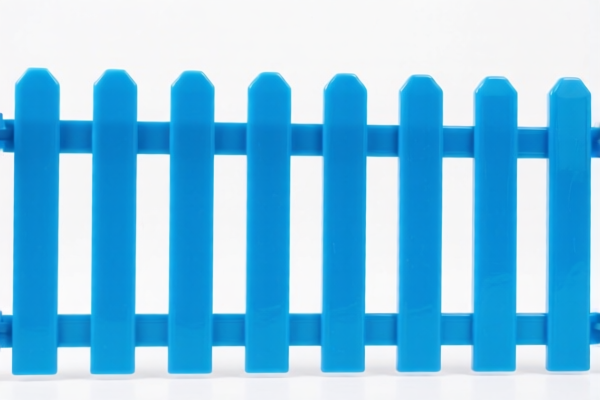


AI Analysis
🏗️ Fence Post Base & Studded Anchor (Steel & Aluminum)
🌐 HS Code Reference & Customs Clearance Guide | 2024-2026 Duty Analysis | Professional Strategy for Steel/Aluminum Fencing Components
📌 Section 1: Product Definition & Classification Logic
Fence Post Bases (often called anchor plates, base plates, or footings) are critical components used to secure fence posts (wood, metal, or concrete) firmly into the ground. They are classified based on material composition and design features.
⚠️ Crucial Classification Distinction:
- Studded/Protruded Iron/Steel Bases: If the post base features corrugations, knobs, studs, notches, or similar protrusions designed to grip the ground or post, it falls under Heading 7326.
- Plain/Smooth Iron/Steel Bases: If they are simple flat plates without such protrusions, they may fall under different subheadings (not covered in your specific data, but good to know).
- Aluminum Bases: If made of aluminum, they fall under Heading 7616 (Article of aluminum).
- Plastic/PVC Bases: If made of plastic, they fall under Heading 3926.
📦 Section 2: HS Code Classification Details (From Your Provided Data)
| HS Code | Product Description | Material | Key Features | Tax Complexity |
|---|---|---|---|---|
| 7326.90.86.35 | Other articles of iron or steel: Fence posts, studded with corrugations, knobs, studs, notches, or similar protrusions, with or without anchor plates. |
Iron / Steel | ✅ Has Protrusions (Studs/Knobs) ✅ Anchor plates included |
⚠️ High (77.9%) |
| 7326.90.86.88 | Other articles of iron or steel: Other (Generic category for non-studded steel fencing parts). |
Iron / Steel | ❌ No specific protrusions (Generic "Other" steel articles) |
⚠️ High (77.9%) |
| 7616.99.51.50 | Other articles of aluminum: Hangers and supports for pipes and tubes (Often used for aluminum fence post brackets). |
Aluminum | ✅ Supports/Hangers ❌ Not "Other" generic |
✅ Moderate (27.5%) |
| 7616.99.51.90 | Other articles of aluminum: Other (Generic aluminum articles). |
Aluminum | ✅ Generic Aluminum Article ❌ Subject to 50% penalty |
⚠️ Very High (77.5%) |
| 3926.30.50.00 | Articles of plastics: Fittings for furniture, coachwork or the like. |
Plastic | ✅ Furniture/Coachwork Fitting (Note: Often used for decorative plastic post bases) |
✅ Low (0%) |
| 3926.90.99.89 | Other articles of plastics: Other (Generic plastic parts). |
Plastic | ✅ Generic Plastic Article ✅ Subject to 7.5% penalty |
🟡 Medium (12.8%) |
🔍 Key Insight:
- 7326.90.86.35 is the specific code for studded steel fence post bases. If your product has "knobs" or "studs" to prevent rotation or sinking, use this code.
- 7616.99.51.50 is the specific code for aluminum supports. If your base is an aluminum bracket for pipes/tubes, use this. Otherwise, the generic 7616.99.51.90 applies.
- Plastic bases are tax-advantaged if classified correctly as "Fittings" (3926.30), otherwise generic plastic (3926.90) incurs extra taxes.
💰 Section 3: 2024-2026 Tariff Rate Breakdown (Detailed Analysis)
✅ Applicable Market: US Imports (Based on "Additional Tariff" context in data)
✅ Origin: China (Implied by "Steel/Aluminum/Copper Additional Tariff")
✅ Status: Active (Section 232/301 / Steel-Aluminum tariffs)
🎯 1. Iron/Steel Studded Bases (7326.90.86.35)
The "Studded" Category
| Item | Detail |
|---|---|
| Base Tariff | 2.9% (Standard Most-Favored-Nation rate) |
| Section 232 Tariff | +25.0% (Steel Import Tariff) |
| Section 301 / Additional | +50.0% (Specific Steel/Aluminum/Copper Penalty Tariff) |
| Total Effective Duty | 77.9% |
| Calculation | CIF Value × 77.9% |
| Risk Level | 🔴 Critical (One of the highest duties possible) |
| Legal Basis | Section 232 + Section 301 + China Specific Penalties |
📌 Explanation:
- Even a small base plate made of studded steel faces a triple tax hit: Base + Steel Tariff + Specific Penalty.
- Total: 77.9%. This makes steel studded bases extremely expensive to import unless duties are mitigated (e.g., sourcing from Vietnam/Mexico).
🎯 2. Iron/Steel Generic Bases (7326.90.86.88)
The "Other" Category
| Item | Detail |
|---|---|
| Base Tariff | 2.9% |
| Section 232 Tariff | +25.0% |
| Section 301 / Additional | +50.0% |
| Total Effective Duty | 77.9% |
| Calculation | CIF Value × 77.9% |
| Risk Level | 🔴 Critical |
📌 Explanation:
- If the base is steel but lacks the specific "studded" description required for 35, it still falls into the generic "Other" steel category (88), which carries the exact same punitive rates (77.9%).
🎯 3. Aluminum Support Bases (7616.99.51.50)
The "Specific Support" Category
| Item | Detail |
|---|---|
| Base Tariff | 2.5% |
| Section 301 / Additional | +25.0% (Aluminum Tariff) |
| Total Effective Duty | 27.5% |
| Calculation | CIF Value × 27.5% |
| Risk Level | 🟠 Moderate (Much better than Steel) |
📌 Explanation:
- If the product is aluminum and classified specifically as a "Hanger or support for pipes/tubes", it avoids the extra 50% penalty.
- Total: 27.5%. This is a 50 percentage point savings compared to steel!
🎯 4. Aluminum Generic Bases (7616.99.51.90)
The "Other" Aluminum Category
| Item | Detail |
|---|---|
| Base Tariff | 2.5% |
| Section 301 / Additional | +25.0% |
| Section 301 / Penalty | +50.0% (Steel/Aluminum/Copper Penalty) |
| Total Effective Duty | 77.5% |
| Calculation | CIF Value × 77.5% |
| Risk Level | 🔴 Critical |
📌 Explanation:
- Danger Zone: If you import an aluminum base that is not a "hanger/support for pipes/tubes" (i.e., it's just a generic foot), it gets hit with the 50% penalty.
- Total: 77.5%. Do not ship generic aluminum bases without verifying the specific "Support" definition!
🎯 5. Plastic Bases (3926.30.50.00)
The "Furniture Fitting" Category
| Item | Detail |
|---|---|
| Base Tariff | 0.0% |
| Additional Tariffs | 0.0% |
| Total Effective Duty | 0.0% |
| Calculation | CIF Value × 0% |
| Risk Level | 🟢 Excellent |
📌 Explanation:
- Plastic fittings for "furniture, coachwork or the like" are Duty-Free.
- Total: 0.0%. This is the most cost-effective option if the design allows (e.g., decorative PVC bases).
🎯 6. Generic Plastic Bases (3926.90.99.89)
The "Other" Plastic Category
| Item | Detail |
|---|---|
| Base Tariff | 5.3% |
| Additional Tariff | +7.5% |
| Total Effective Duty | 12.8% |
| Calculation | CIF Value × 12.8% |
| Risk Level | 🟡 Medium |
📌 Explanation:
- If the plastic base is not a "furniture fitting" (e.g., it's just a generic construction part), it gets a 12.8% tax.
- Still better than steel, but ensure you qualify for the 0% category (30.50) if possible.
🛠️ Section 4: Customs Clearance Strategy & Practical Tips
✅ 1. Material Strategy (The "Golden Rule")
🚀 Rule of Thumb: Steel is Expensive (77.9%), Aluminum is Mixed (27.5% or 77.5%), Plastic is Free (0% or 12.8%).
| Strategy | Action |
|---|---|
| Avoid Steel | Do not import studded steel bases unless you have a very high-margin product. The 77.9% duty will eat all profit. |
| Optimize Aluminum | Ensure your aluminum base is designed/declared as a "Hanger/Support for pipes/tubes" to get the 27.5% rate. Avoid generic aluminum bases (77.5%). |
| Switch to Plastic | If structural integrity allows, use reinforced plastic bases. They can be classified as 3926.30.50.00 for 0% duty. |
✅ 2. Description Accuracy is Critical
Customs officers look at the Product Description on the Commercial Invoice and Packing List.
-
For Steel:
❌ Bad Description: "Steel Fence Post Base" (Generic)
✅ Good Description: "Studded Steel Fence Post Base with Corrugations and Anchor Plate" (Must match 7326.90.86.35 text exactly). -
For Aluminum:
❌ Bad Description: "Aluminum Fence Bracket" (Generic)
✅ Good Description: "Aluminum Support/Hanger for Pipes and Tubes" (Matches 7616.99.51.50). -
For Plastic:
❌ Bad Description: "Plastic Fence Footing"
✅ Good Description: "Plastic Fitting for Furniture/Coachwork" (Matches 3926.30.50.00).
✅ 3. Documentation Requirements
To avoid delays and audits, ensure you provide: 1. Detailed Product Spec Sheet: Must explicitly state "Studded/Corrugated" for steel or "Support for Pipes" for aluminum. 2. Material Composition Certificate: Proof of % Steel vs. Aluminum vs. Plastic. 3. Photographs: Clear shots of the "studs/knobs" or "pipe support" mechanism. 4. HTS Duty Calculator: Attach a pre-calculation showing why you chose the specific code.
✅ 4. Special Case: "Anchor Plates"
📌 Note: The data for 7326.90.86.35 explicitly says "with or without anchor plates". - This means even if you ship the base separate from the post, if it has the studs, it is still 7326.90.86.35 and subject to 77.9% duty. Do not try to hide it by calling it just an "anchor plate".
🌍 Section 5: Market Comparison & Risk Assessment
| Product Type | HS Code | Total Duty | Risk Level | Recommendation |
|---|---|---|---|---|
| Studded Steel Base | 7326.90.86.35 |
77.9% | 🔴 Critical | Avoid. Switch to Aluminum or Plastic. |
| Generic Steel Base | 7326.90.86.88 |
77.9% | 🔴 Critical | Avoid. High cost. |
| Aluminum Support | 7616.99.51.50 |
27.5% | 🟠 Moderate | Good. Verify it fits the "Support" definition. |
| Generic Aluminum | 7616.99.51.90 |
77.5% | 🔴 Critical | Avoid. Only use if no other option. |
| Plastic Fitting | 3926.30.50.00 |
0.0% | 🟢 Excellent | Best Choice. Maximize profit. |
| Generic Plastic | 3926.90.99.89 |
12.8% | 🟡 Medium | Acceptable. Better than Steel. |
📌 Section 6: Common Mistakes to Avoid
❌ Mistake 1: Misidentifying "Studs"
If you import steel bases with corrosions or knobs but declare them as "Smooth Steel Plates" to get a lower tax, Customs will audit you.
Result: 77.9% Duty + Fines + Seizure.
❌ Mistake 2: Generic Aluminum Declaring
Declaring an aluminum base as "Other" (
7616.99.51.90) instead of "Support" (7616.99.51.50).
Result: Extra 50% duty (Total 77.5% vs 27.5%).
❌ Mistake 3: Plastic "Fitting" Confusion
Declaring plastic bases as "Other Plastic" (
3926.90.99.89) when they could be "Furniture/Coachwork Fittings" (3926.30.50.00).
Result: Unnecessary 12.8% tax.
✅ Pro Tip:
"Define your product by its specific function and geometry."
- Steel = "Studded with knobs"
- Aluminum = "Hanger/Support"
- Plastic = "Furniture Fitting"
🎯 Section 7: Final Conclusion
Fence Post Bases are heavily impacted by US trade policies. The difference between 0% and 77.9% comes down to Material and Specific Description.
- If you must use Steel: Accept the 77.9% cost or find a way to source from a duty-exempt country (e.g., Vietnam, Mexico).
- If you can switch to Aluminum: Ensure you classify as
7616.99.51.50to save ~50% in taxes. - Best Option: Plastic (
3926.30.50.00) is duty-free. Consider redesigning for high-strength plastic if load-bearing requirements allow.
🚀 Action Item: Review your product specs immediately. If they contain "studs" or "corrugations," they are Steel 7326 (High Tax). If they are aluminum brackets, ensure the description says "Hanger/Support" to avoid the 50% penalty.
✨ Clearing Goods is an Art of Precision!
💼 Choose the right HS Code, and your profit margin will thank you!
Customer Reviews
About HS Code Classification
The Harmonized System (HS) is an internationally standardized nomenclature developed by the World Customs Organization (WCO) to classify traded products. Over 200 countries use the HS system as the basis for customs tariffs, trade statistics, and import/export regulations.
Each HS code follows a hierarchical structure:
- Chapter (2 digits) — Broad category of goods (e.g., Chapter 84: Machinery and Mechanical Appliances)
- Heading (4 digits) — More specific grouping within the chapter
- Subheading (6 digits) — Internationally standardized breakdown, used by all WCO member countries
- National subdivisions (8-10 digits) — Country-specific extensions for further classification, such as US HTSUS 10-digit codes
Correct HS code classification is essential for smooth customs clearance, accurate duty payment, and compliance with trade regulations. Misclassification can lead to customs delays, overpayment of duties, or penalties.
When importing from CN to US, the applicable tariff rates may include:
- Most-Favored-Nation (MFN) rate — The standard duty rate applied to WTO members
- General rate — Applied to countries without trade agreements
- Trade remedy duties — Additional tariffs such as Section 301 (anti-dumping), Section 232 (national security), or countervailing duties
The information provided on this page is for reference purposes only. For official classification, please consult with your local customs authority or a licensed customs broker.